I am Israel. I never miss a chance to claim victimhood while inflicting violence.
In 1947, the United Nations handed me more than half of someone else’s land. A gift I didn’t earn, from colonial powers who didn’t own it. I accepted. My neighbors objected. I called it war —and in the chaos, I began my cleansing. Over 750,000 Palestinians were driven from their homes—some fled, yes—but many were forced out at gunpoint, their villages razed, their names erased.
Then I planted pine trees over the ruins—to hide the memory. Forests where homes once stood. Parks over cemeteries. I made it green so the world wouldn’t see the black underneath. I called it “reforestation.” They called it erasure.
I am Israel. I have never chosen peace—only dominance.
In 1967, I launched a pre-emptive war and seized Gaza, the West Bank, East Jerusalem, the Golan Heights, and Sinai. I claimed it was for security. I held onto it for power. I built settlements, one by one, choking Palestinian towns. International law said it was illegal. I ignored it. My map grew. Their freedom shrank.
I am Israel. I could have ended the occupation. Many times. But I always said no.
In 2000, at Camp David, I offered a patchwork of disconnected enclaves surrounded by walls, checkpoints, and soldiers. I called it peace. Palestinians walked away. I called them extremists. Then I built a wall, not on my border—but deep in theirs. I called it security. They called it theft.
I am Israel. I glorify militarism. I raise children to believe they are chosen.
My textbooks erase Palestine. My soldiers patrol streets with rifles pointed at teenagers. My media justifies bombings. My politicians joke about flattening Gaza. I send airstrikes to refugee camps, schools, and hospitals. Then I say they were human shields.
I am Israel. I elected Netanyahu. Again and again.
Not once, by mistake. But knowingly. I voted for leaders who vowed to crush the Palestinians, to expand settlements, to never allow a Palestinian state. My ministers speak of “the Arabs” as a demographic threat. My settlers burn olive trees. My mobs chant “Death to Arabs.” I call it patriotism.
I am Israel. I speak of democracy—but deny it to millions under my control.
I rule over millions who cannot vote in the country that controls their lives. I build roads they cannot drive on. I issue permits for them to breathe, to move, to live. I bomb Gaza, then seal it off and say it’s their fault. I say I left Gaza— but I control its air, sea, and borders. I say they are free — then I starve them.
I am Israel. I demand recognition — but give none in return.
I demand that Palestinians accept me as a Jewish state — while refusing to even say the word “Nakba.” I ignore the homes, lands, and history of those I displaced. I hold their keys in museums, not their hands. I deny the refugees their right to return. I make laws that call them “absentees,” even when they’re just over the hill.
I am Israel. I cry antisemitism — when what I fear is accountability.
I call any critic a hater. I blur the line between Judaism and Zionism, using one to shield the crimes of the other. I weaponize history to excuse apartheid. I manipulate trauma to justify conquest. I say “Never again” — but let it happen to others, by my own hand.
I am Israel. I will never stop killing and bombing and stealing land…you are next!
Archive for the ‘Historical’ Category
I am Israel
Posted in Historical, idiot category, news from around the world, tagged #FreePalestine #SaveGaza, #freepalestinefromzionistoccupation #FreePalestineFromTheRiverToTheSea on September 23, 2025| Leave a Comment »
The Israeli dream is over
Posted in Historical, news from around the world, tagged #FreePalestine #SaveGaza on September 4, 2025| Leave a Comment »
Israel’s dream is over! These are the words of the editorial of the Israeli newspaper Haaretz, titled “The Palestinians are the best people on earth in defending their homeland.” Is it possible to believe that Israel’s most prominent newspaper today recognizes the truth about the Palestinians, describing them as one of the most noble peoples on earth who rose up to defend their rights after seventy-five years, as if they were a single body? Here is the translation of the editorial into Arabic:
One of the most wonderful things that a living conscience pulsates with, the most beautiful thing that intellectual freedom blossoms with, and the purest fruit of empowerment. Read what the author wrote: During the war on Gaza and the resistance’s rocket attacks on us, our losses exceeded $912 million every three days, in costs for warplanes, Patriot missiles, and refueling vehicles, in addition to the consumption of ammunition and missiles of all kinds. This does not include the cessation of trade, the collapse of the stock market, the paralysis of institutions and construction, the disruption of agriculture and industry, the deaths of poultry on farms worth millions of dollars, the shutdown of some airports and trains, and the costs of sheltering those fleeing to shelters, not to mention the destruction caused by resistance rockets to homes, shops, cars, and factories.
We are the ones who ignited this war and fueled its flames, but we are not the ones who control it, and we certainly are not the ones who will end it. Its outcome is not in our favor, especially after Arab cities inside Israel surprised us with their uprising against us, even though we believed they had lost their Palestinian identity. This is an ominous sign for a state whose politicians have discovered that their calculations were miscalculated, and their strategies are unable to see beyond what they had planned. As for the Palestinians, they are the true owners of this land. Who else would defend it with their soul, money, and children with such strength, pride, and defiance? As a Jew, I challenge all of Israel to demonstrate such a deep sense of belonging and connection to the land.
If our people were truly attached to the land of Palestine, we would not have seen these massive numbers of Jews rushing to the airports to emigrate since the beginning of the war. We have subjected the Palestinians to the bitterness of murder, imprisonment, siege, and separation. We have immersed them in drugs, and attempted to indoctrinate their minds with deviant ideas that distance them from their religion, such as liberation, atheism, doubt, corruption, and perversion. Yet, it is astonishing to find among them a drug addict rising up to defend his land and Al-Aqsa Mosque, shouting “Allahu Akbar” as if he were a venerable scholar.
Indeed, despite knowing the humiliation and arrest that awaited them, they never hesitated to go to Al-Aqsa Mosque to pray. Ironically, the full-strength armies of other countries have not dared to do what the Palestinian resistance did in just a few days. The myth of the invincible Israeli soldier has been shattered, and he is now being killed and kidnapped. Since the resistance’s rockets have reached Tel Aviv, it is best to abandon the illusory dream of Greater Israel. The Palestinians must have a neighboring state with which we can live in mutual peace. This alone might extend our existence on this land by a few more years.
I believe that even if we persist for a thousand years—and that is, if we manage to survive for another ten years as a Jewish state—there will come a day when we will pay the price for everything. The Palestinian will return again, again and again, and this time he will come on horseback, heading toward Tel Aviv.
Share this widely before it is deleted. This is an exceptional and valuable article.
They told us to educate ourselves
Posted in Historical, news from around the world, tagged #gazagenocide #standupandbecounted #protest #genocide #gazaisstarving #savethechildren on July 21, 2025| 2 Comments »
They told us to ” educate ourselves”. So we did
ESSENTIAL READING 1
Norman Finkelstein : Gaza an Inquest into it’s Martyrdom
Tony Greenstein : Zionism During the Holocaust
Anthony Lowenstein : The Palestine Laboratory
Rashid Khalidi : The Hundred Years War on Palestine
Ilan Pappe Noam Chomsky: On Palestine
Ilan Pappe Noam Chomsky: Gaza in Crisis
Ilan Pappe : The Ethnic Cleansing of Palestine
Israel Gutman : Resistance, The Warsaw Ghetto Uprising
Avi Shlaim : Three Worlds, Memoirs of an Arab Jew
Theodor Kaufman : Germany must Perish
Maurice Samuel : You Gentiles
Norman Finkelstein : The Holocaust Industry. Reflections on the Exploitation of Jewish Suffering
Christopher Hitchens Edward W Said : Blaming the Victims, Spurious Scholarship and the Palestinian Question
Ilan Pappe Ten Myths about Israel
Franz Fanon : The Wretched of the Earth
Nurit Peled-Elhanan : Palestine in Israeli School Books: Ideology and Propaganda in Education
Peter Shambrook : Policy of Deceit
Nur Masalha : Palestine, A Four Thousand Year History
Rashid Khalidi : The Iron Cage
Susan Abulhawa : Mornings in Jenin
Theodor Herzl : The Jewish State
Edward S. Herman and Noam Chomsky : Manufacturing Consent: The Political Economy of the Mass Media
Hannah Arendt : 1.On Lying And Politics, 2. The Banality of Evil, 3.The Path to Mass Evil
Alexandra Stein : 1. Inside Out, 2. Terror Love And Brainwashing
ESSENTIAL READING 2
Colonizing Palestine by Dr Areej Sabbagh-Khoury
1.Palestine Hijacked: How Zionism Forged an Apartheid State from River to Sea
2.State of Terror
3, Writings on the Wall
by Thomas Suarez
A People’s History of the United States by Howard Zinn
Between River and Sea: Encounters in Israel and Palestine
by Dervla Murphy
Apartheid in Palestine: Hard Laws and Harder Experiences
Edited by Richard Falk
The Attack on the Liberty: The Untold Story of Israel’s Deadly 1967 Assault on a U.S. Spy Ship
1.Forest of Noise
2.Things You May Find Hidden in My Ear
Palestinian poet, Mosab Abu Toha
Against Our Better Judgment: The Hidden History of How the United States Was Used to Create Israel
by Alison Weir
The lost centuries: from the Muslim empires to the Renaissance of Europe, 1145-1453
by John Bagot Glubb
Palestine
by Joe Sacco
In Search of Fatima
by Ghada Karmi
My Brother, My Land: A Story from Palestine
by Sami Hermez and Sireen Sawalha
The Butterfly’s Burden by Mahmoud Darwish
The Holocaust Industry: Reflections on the Exploitation of Jewish Suffering
by Norman Finkelstein 2000
Expulsion of the Palestinians: The Concept of “Transfer” in Zionist Political Thought, 1882-1948
by Nur Masalha 2012
Weaponising Anti-Semitism
by Asa Winstanley 2023
ESSENTIAL DOCUMENTARY FILMS TO WATCH.
Jenin Jenin 2002
Tears of Gaza 2010
The Stones Cry Out 2013
Born in Gaza 2014
Death in Gaza 2004
Voices from Gaza 1989
5 Broken Cameras 2011
Waltz with Bashir 2008
A World Not Ours 2012
The Gatekeepers 2012
The Oslo Diaries 2018
The Occupation of the American Mind 2016
TANTURA 2022
Israelism 2023
Where Olive Trees Weep 2024
Checkpoint 2003
Defamation 2009
No Other Land 2024
Gaza: How to Survive a Warzone 2024
Free Palestine 🇵🇸
Via Bryan Adams on Facebook
Give thanks for the brave
Posted in Historical, news from around the world, tagged #bobvylan, #gazagenocide #standupandbecounted #protest #genocide, #Glastonbury on July 1, 2025| Leave a Comment »
“We must give thanks for the so-called “villains” of our time.
To the Bob Vylans who dare speak truth to power, calling out the genocide in Gaza with clarity and courage.
To the Gary Linekers, the Jeremy Corbyns, the Bernie Sanders of this world—who, despite relentless smearing, continue to stand on the right side of history.
In an age of curated silence and comfortable complicity, these individuals risk livelihoods, reputations, and safety to remind us of our shared humanity.
Unlike generations past, who stood idle in the face of mass atrocities, we have raised our voices—even if all we have are voices. We’ve marched. We’ve called out injustice. We’ve refused to be gaslit.
And though we haven’t yet changed the tide, we have at least refused to drown in it.
To the generations yet to come: we pass you the baton not with shame, but with a burning plea—do better than this. Be braver than us. And never forget that silence is never neutral.”
Anon
Never trust a Tory government
Posted in around the UK, Historical, idiot category, tagged boris johnson, criminal behaviour, general election United Kingdom 2024, lettuce, michael gove, PPE, rishi sunak, UK general election, UK tory government on June 4, 2024| Leave a Comment »
14 years and what do we have to show for it? Another year older and deeper in debt.
A wealthier ex-Chancellor. An ex-PM that covered the walls of Number 10 in ‘gold’ wallpaper. A crop of tory pals who dished out millions to their pals for faulty or nonexistent #PPE A lettuce and Chancellor who trashed the economy in 40days.
Meanwhile there are 4.3million children living in poverty and 1.2million pensioners living in poverty. Schools are crumbling. Roads are reminiscent of a 3rd world country, Councils are either bankrupt or perilously close to. And then there’s Gove; millions given to a shipping company that didn’t exist, and the ubiquitous Freeports sold for £1. And #lestweforget HS2 – wholesale destruction of ancient forests, villages laid waste and suicide of people who lost everything, only for the project to be trashed short of completion. AND WHO BOUGHT THE LAND?? And THEN of course 💩 in our streams, rivers and seas. 14 years of tory criminality. #NeverTrustATory
People of Dublin
Posted in Historical, My European travels, Travel, tagged famous people of Ireland, musicians and artists of Ireland, people of Dublin, travel to Dublin, Visit Dublin, visit Ireland, writers and playwrites on December 1, 2021| 7 Comments »
If you have all day, I could list hundreds of colourful characters and famous people who have links with Dublin; some born in the city, some borne there on the winds of change and fortune.
But of course you don’t have all day 😉 so I’ll stick with the few I encountered during my latest visit.
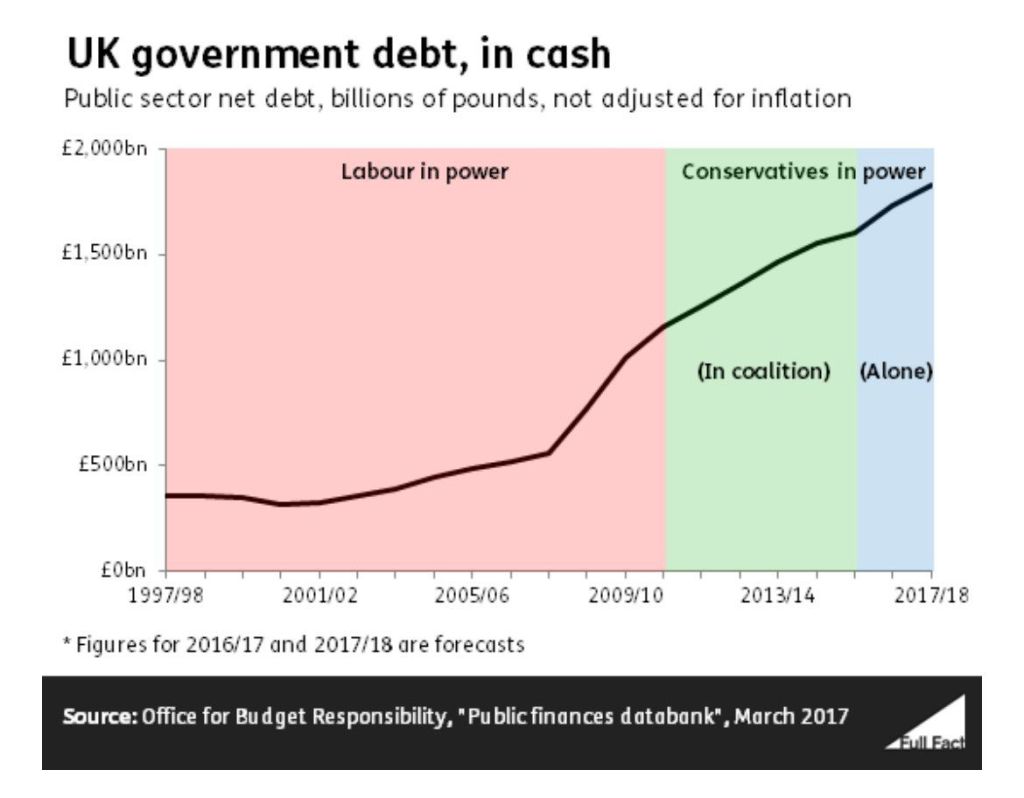
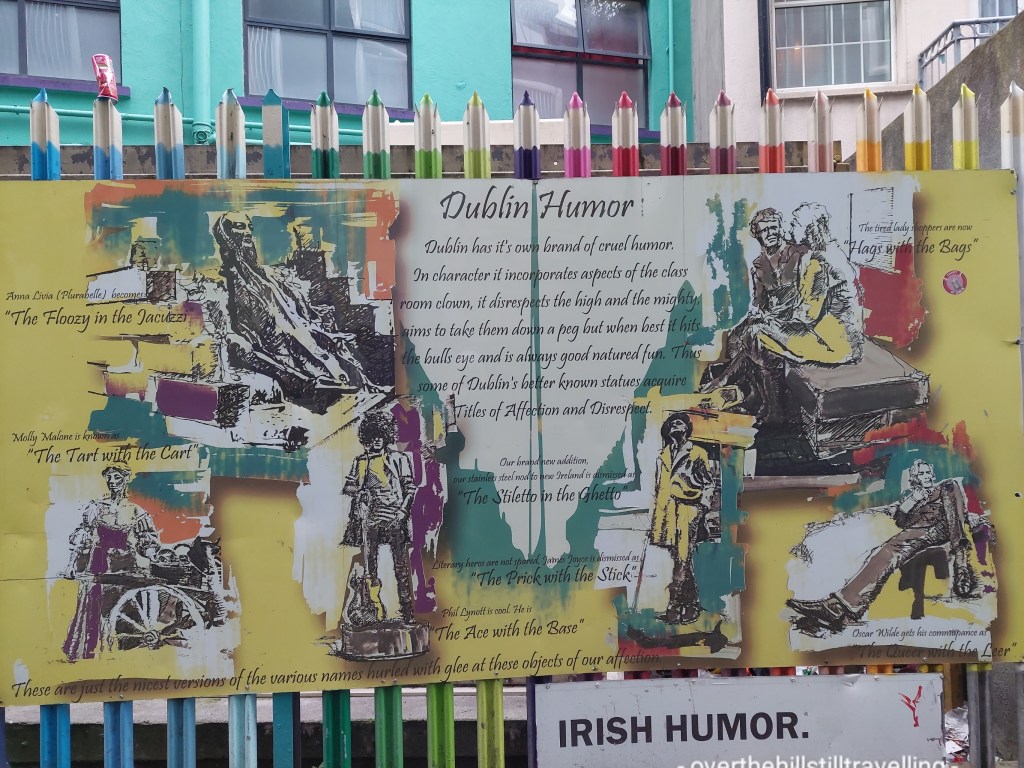
As mentioned in my previous post, we have the lovely Molly Malone, who by all accounts sold cockles and mussels during the day, and other wares by night!! Hence the nickname ‘The Tart with the Cart’, which I think is a bit unfair really…😂😂 Here are the lyrics of the song telling the story of Molly…
In Dublin’s fair city
Where the girls are so pretty
I first set my eyes on sweet Molly Malone.
As she wheeled her wheelbarrow
Through streets broad and narrow
Crying, “Cockles and mussels, alive, alive, oh!”
Alive, alive, oh
Alive, alive, oh
Crying, “Cockles and mussels, alive, alive, oh”
She was a fishmonger
And sure ’twas no wonder
For so were her father and mother before
And they both wheeled their barrows
Through streets broad and narrow
Crying, “Cockles and mussels, alive, alive, oh
Alive, alive, oh
Alive, alive, oh
Crying, “Cockles and mussels, alive, alive, oh
She died of a fever
And no one could save her
And that was the end of sweet Molly Malone
But her ghost wheels her barrow
Through streets broad and narrow
Crying, “Cockles and mussels, alive, alive, oh
Alive, alive, oh
Alive, alive, oh
Crying, “Cockles and mussels, alive, alive, oh
Alive, alive, oh
Alive, alive, oh
Crying, “Cockles and mussels, alive, alive, oh.

Then we have the louche Oscar Wilde – a very bad boy indeed, who was a tart at night and famous author by day; nicknamed: the ‘Queer with the Leer’. 🤔🤔 Unfortunately I didn’t get a pic of him this time, but he can be found lounging on a rock in St Stephen’s Green.
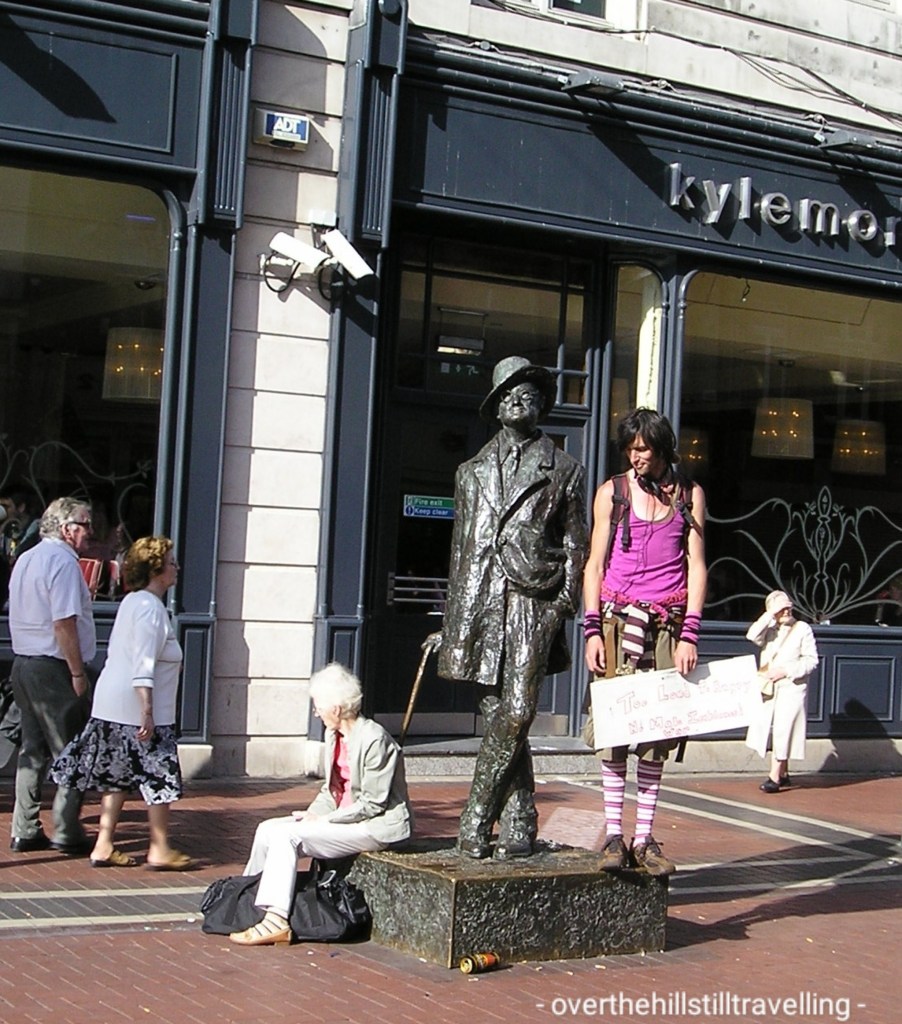
We also have the ‘Prick with the Stick’ which refers to none other than James Joyce, mentioned in the previous post as having frequented the King’s Inn.
The variety of people, from all walks of life, is a long story…
Religion….

Literary giants…. of course James Joyce and Oscar Wilde fall into this category too, but I’ll leave them where they are with their respectively notorious histories…


Josephine Edna O’Brien DBE (born 15 December 1930) is an Irish novelist, memoirist, playwright, poet and short-story writer. Philip Roth described her as “the most gifted woman now writing in English”, while a former President of Ireland, Mary Robinson, cited her as “one of the great creative writers of her generation”. Her first novel, The Country Girls (1960), is often credited with breaking silence on sexual matters and social issues during a repressive period in Ireland following World War II. The book was banned, burned and denounced from the pulpit.
Political….
Music…
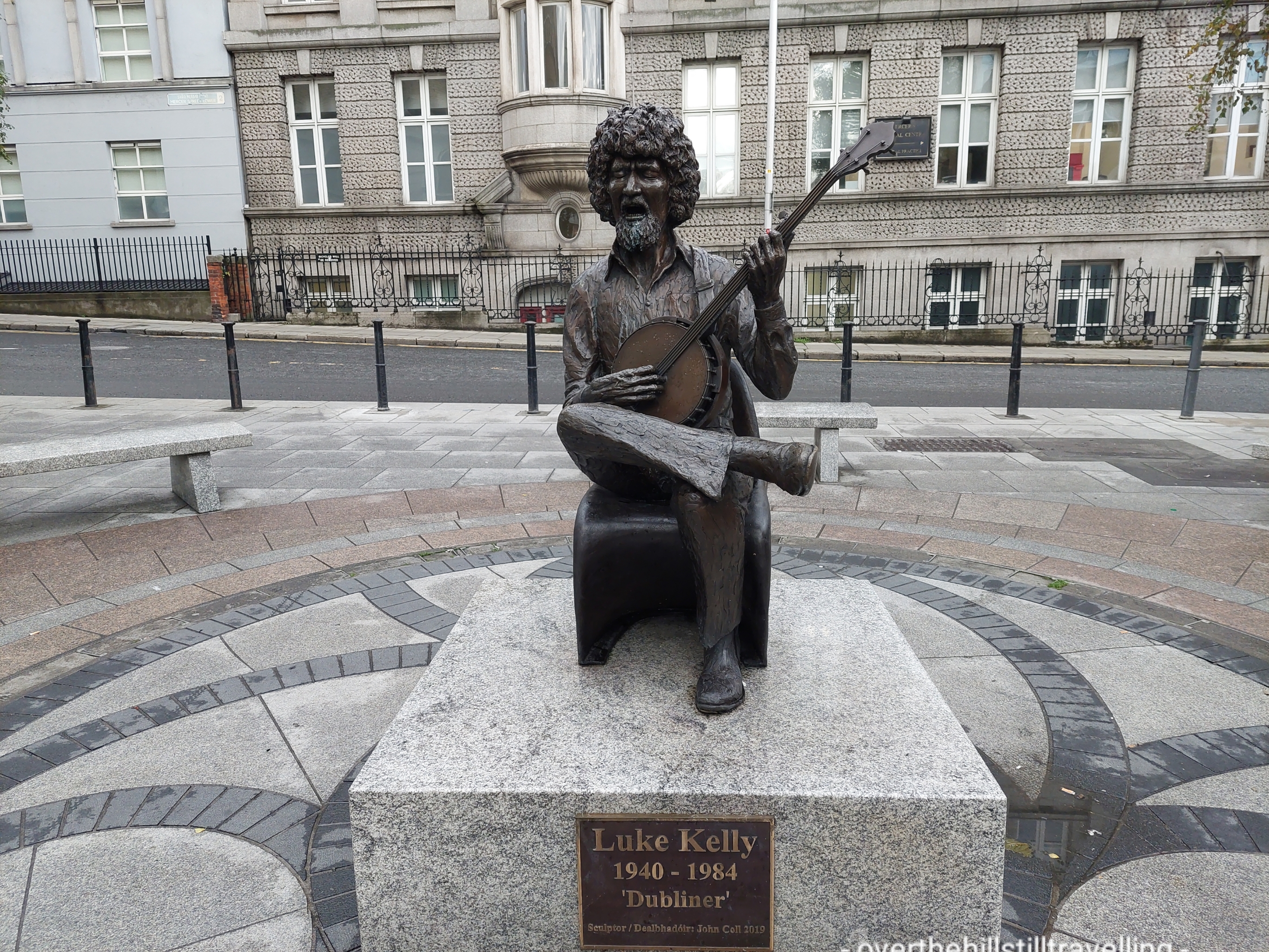
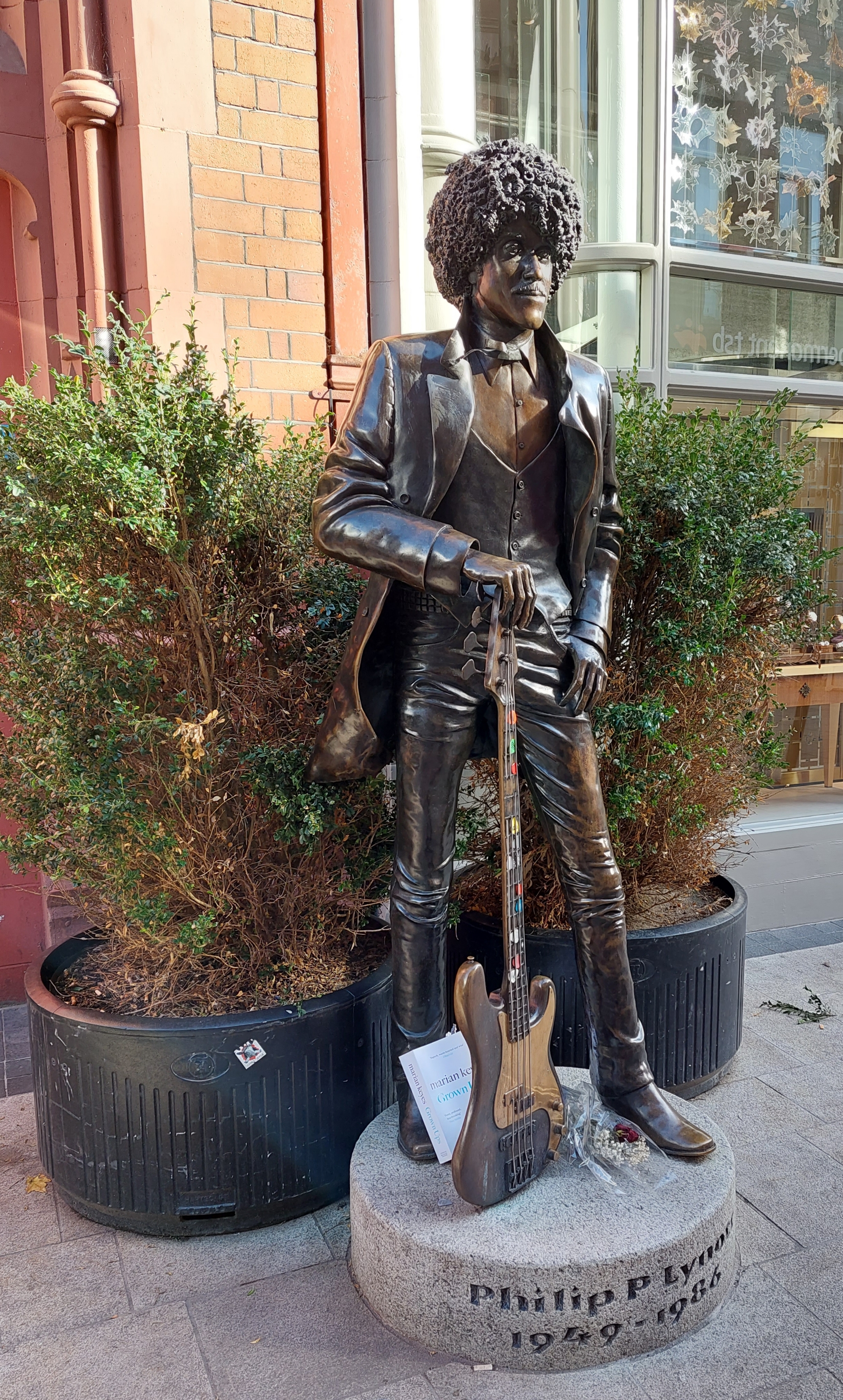


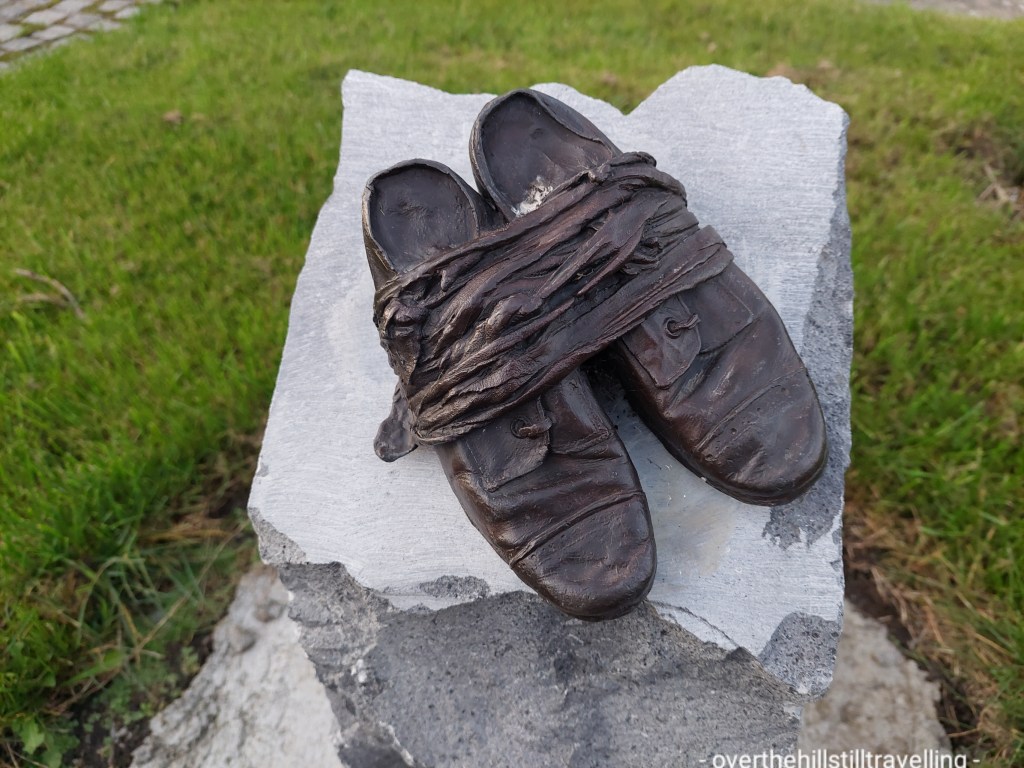
A few famous people who visited Dublin

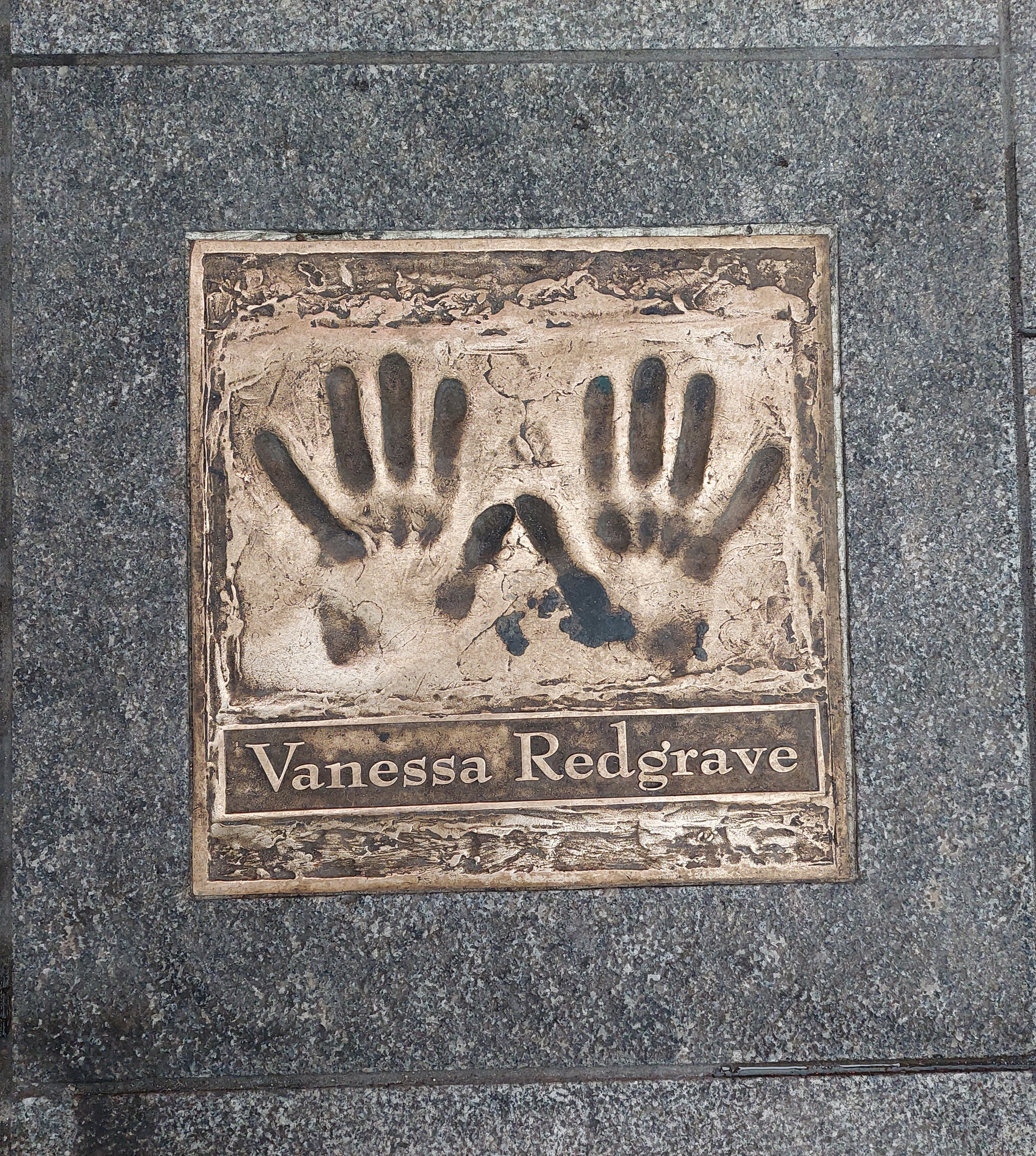

So there you have it. A few of the many many famous and infamous people who have ties to Dublin.
In my next post I’ll share some of the lengthy history of Dublin
Day 17 and Day 8
Posted in around the UK, Castles of UK and Ireland, cities and towns of the UK, conqueror challenges, Fun Stuff, gratitude, Hadrian's Wall, Historical, It's my life, long distance walks - solo, Northumberland coast path, seaside towns of Britain, Travel, UNESCO Heritage Sites, walk 1000 miles 2021, walks around the UK, tagged adventure, baby boomers travel, long distance walking, solo travel, walk1000miles, walking hadrians wall, walking the England coast path, walking the Northumberland Coast Path on September 17, 2021| 4 Comments »
Yes, unbelievably it’s Day 17 of my walking adventure and Day 8 of my jaunt along Hadrian’s Wall, so I thought I’d pop in and give a quick update.
I had hoped to update you on a daily basis as mentioned before, but oh my gosh, the most I could manage was to eat (not even every night), shower, repack Pepe, and then bed. And repeat.
As per the title, I’m now starting Day 17 of my adventure, and Day 8 of my walk across country from North Shields; Segedunum Fort to Bowness-On-Solway, along Hadrian’s Wall. What an experience it has been. I’ve taken hundreds of photos and will share some of them in due course when I get the time, and energy to write ✍ 😁😁….so….here I am
Relaxing in bed in Brampton, watching a stunning sunrise and thinking back over the last 16 days.. it’s been a truly epic journey.
When I first planned on adding the Northumberland Coast Path to my Hadrian’s Wall adventure, I never for one minute doubted I’d be able to do it. But I also had no idea of what lay ahead. If I had, I might not have been quite so confident. But now that I’m near the end, and with the easy stretches ahead, I’m astounded I managed to get this far, and certainly amazed I’m still standing…well at the moment I’m lying down 😁😁😁
But, geez, I never imagined I would do quite as much walking as what I have. It’s been epic. Every day has brought its own joy, and pain, and laughter, and lots of “OMG that’s amazing” moments; reaching the border with Scotland, the dolphins off Farne Islands, seeing that bridge in Berwick Upon Tweed, traversing the bloody Blythe River estuary 🤪🤪, visiting St Mary’s Lighthouse, the wonderful beaches of Northumberland, the many castles – all different and unique in their own way, reaching Tynemouth, the bridges of Newcastle, visiting Arbeia Roman Fort, discovering the first section of the Wall at Heddon on the Wall, seeing the ascent and then descent as I climbed the first ridge on Hadrian’s Wall (I truly do not know how I did all those), seeing the tree at Sycamore Gap from the top of the ridge and suddenly realising what it was 😄😄, exploring the forts and carrying my backpack for 32kms on what was the hottest day of my whole journey…unreal.
I just wish I hadn’t been so tired at the end of each day, I’d have liked to write down the daily experiences…but it was all I could do just to upload some photos before crashing. I’m looking forward to calculating my distances. But one of the best aspects of this journey has been the many, many lovely people I have met along the way, especially on Hadrian’s Way…truly epic.
Day 1 NCP – Berwick Upon Tweed
Posted in around the UK, cities and towns of the UK, conqueror challenges, england coast path, gratitude, Health, Historical, It's my life, long distance walks - solo, Northumberland coast path, project 101, Travel, Uncategorized, walk 1000 miles 2021, walks around the UK, tagged baby boomers travel, Berwick Upon Tweed, English Coast Path, long distance walking, Northumberland coast path, solo walking, walk1000miles, walking Northumberland Coast Path on September 1, 2021| 4 Comments »
Day 1 done and dusted 😁😁 I had a completely uneventful journey, ever so quick from King’s Cross to Berwick…and boy are those trains fast!!
Arrived in Berwick to the most glorious weather and scooted quickly over to the castle ruins. I didn’t go right into the keep coz it closes at 4pm and I got there at just on 3.54…but I had a good look around and then headed back up the million steps I’d just walked down 🤪🤪 Google maps doesn’t show how steep some places are!!


The Airbnb is lovely and the host is amazing…there’s a gorgeous ginger cat and a beautiful golden labrador, so I have had lots of kisses and cuddles.

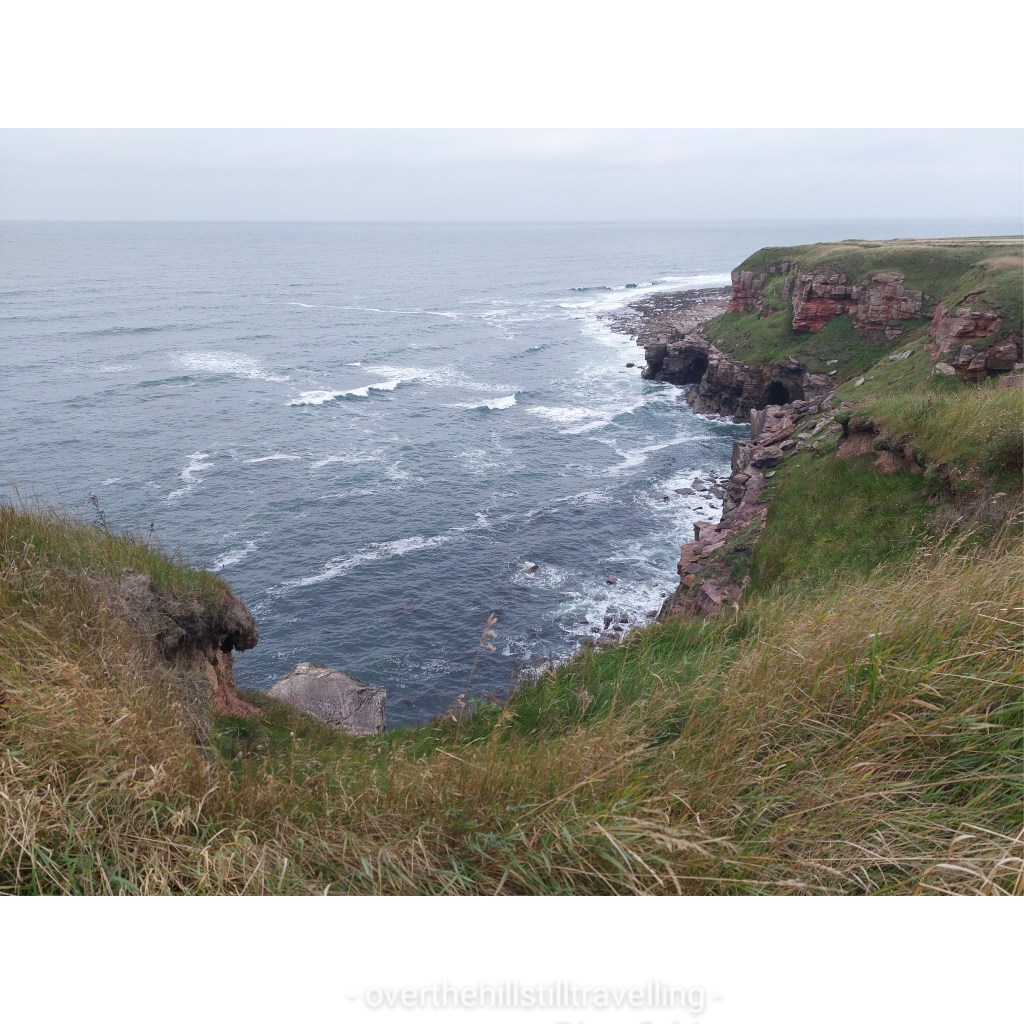
As soon as I had dropped off my backpack, I grabbed my day pack and headed north yo the Scottish border. OMG what a path!! The views were spectacular but the path was hell!! For the most part it ran right along the very edge of the cliffs with just a tuft of grass between the walker and the vertiginous cliffs that fall 100s of feet down to the sea. The North Sea in case you wondered.


A local suggested I walk along the above ‘path’ because the real path “is a bit rough, and this is a lovely wee walk” – well he wasn’t wrong about the path, but this was no better and I crossed the edge of a potato field to the path as soon as I could. I’m thinking he’s never walked to the border before…

However, despite the awful path and the daunting propect of a twisted ankle on a very narrow and uneven path, and the fading light, I’m so glad I made the effort to walk up to the border and back
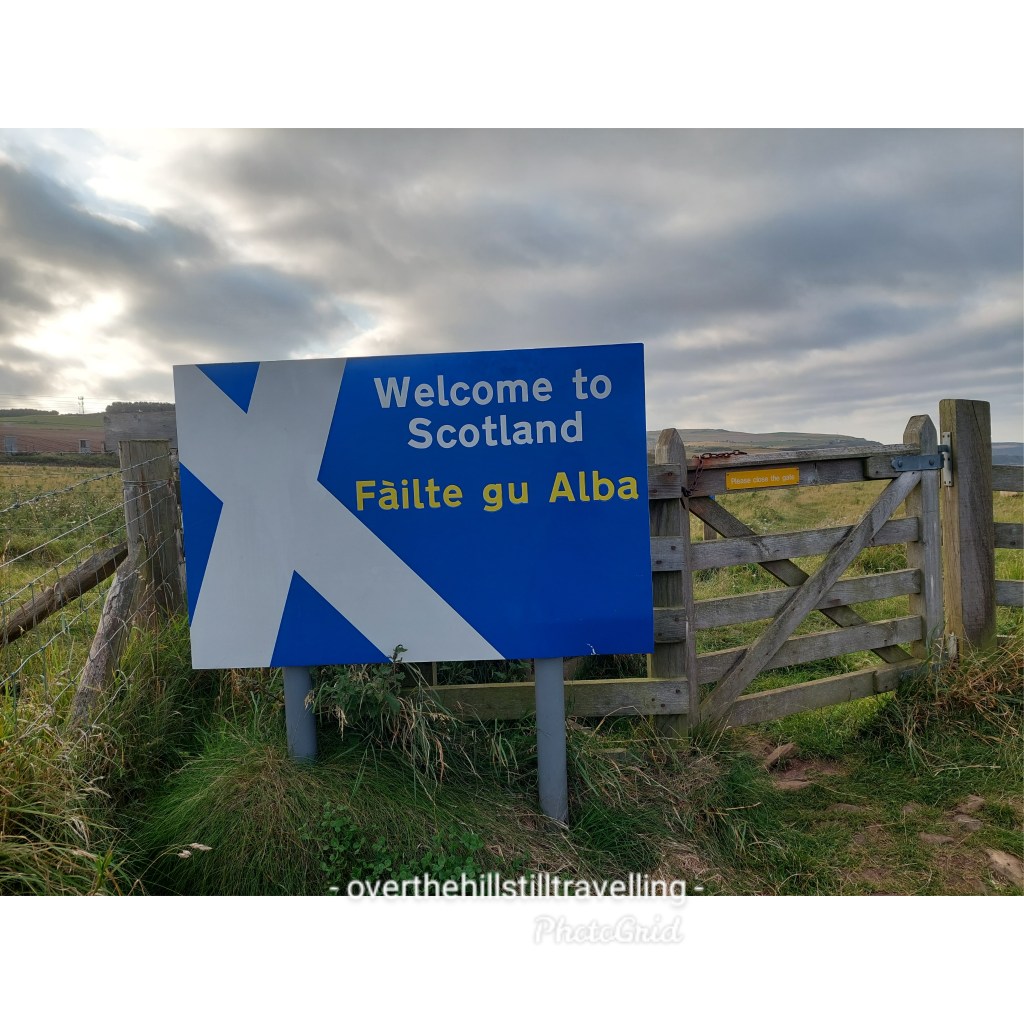


The views are absolutely spectacular.

Once I got back to town I had a quick whizz around and walked a small section of the town ramparts, which are just amazing with awesome views of the river and estuary.


I got back to the b&b at just on 9pm and having missed the fish and chip shop, I had 2 cup a soup and a cup of tea.
In all a terrific start to my Northumberland Coast adventure. Just on 17kms covered.
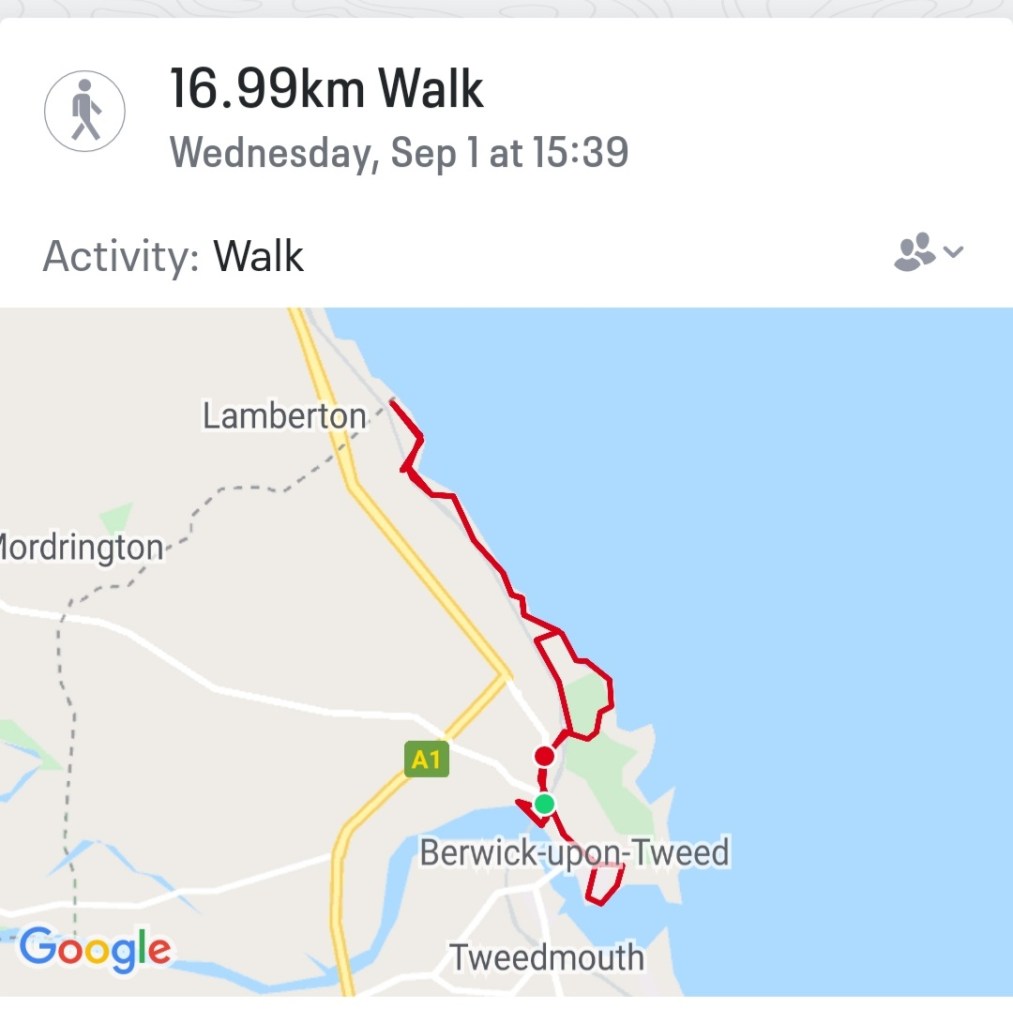
I’ve added some of the history of Berwick in case you’re interested 😉
Berwick is just four miles south of the Scottish Border, but during the last 300 years, control of the town swapped 13 times between England and Scotland. Berwick’s Elizabethan town walls are the most intact in England, and were Elizabeth I’s biggest and most expensive project during her reign to keep firm control of this key town.
https://www.visitnorthumberland.com/explore/destinations/towns-villages/berwick-upon-tweed
Situated at the mouth of the River Tweed near the border of two kingdoms, the town of Berwick suffered centuries of conflict, as control of the town passed back and forward between England and Scotland until the late 17th century. Each crisis brought repairs and improvements to the fortifications, culminating in the great artillery ramparts begun in 1558. These survive largely intact and make Berwick one of the most important fortified towns of Europe.
Berwick’s town walls are its most famous piece of architecture and still stand strong today, hundreds of years after they were built. Berwick actually has two sets of walls, the first set (of which only fragments now remain), commenced by Edward I, was two miles long. The later Elizabethan Walls (which are still complete) are a mile and a-quarter in length. The ramparts completely surround the town, with four gates through which entry to the town is enabled.
Berwick’s Elizabethan Walls are the only example of bastioned town walls in Britain and one of the best preserved examples in Europe. When built in 1558 – designed to keep out the marauding Scots who regularly laid claim to the town – it was the most expensive undertaking of England’s Golden Age.
The Plan
Posted in around the UK, conqueror challenges, england coast path, Fun Stuff, Hadrian's Wall, Historical, It's my life, long distance walks - solo, Northumberland coast path, Travel, UNESCO Heritage Sites, walk 1000 miles 2021, tagged Country Walking, England coast path national trail, English Coast Path, long distance walking, National Trails UK, walking hadrians wall, walking Northumberland Coast Path, walking solo on August 31, 2021| 7 Comments »
Well, without further ado, the time to set off is just hours away….it’s incredible how quickly the months have flown by.
I’ve spent a lot of time working on this plan and sincerely hope it all works out. I think I have everything covered and haven’t missed out on any sections of either the Northumberland Coast Path or Hadrian’s Wall.
I was looking at the guidebook map last night and I noticed that the route out of Newcastle on Hadrian’s Wall is somewhat different to what I’ve planned. So that might need some adjustment. But I’ve got a week to decide and while travelling between home and Berwick Upon Tweed, I’ll read through the guidebook and try to determine why it’s different.
But, that aside…here’s a brief summary of The Plan 😉
Day 1 – travel to Berwick Upon Tweed, visit the castle, walk to the Scottish border and back, then walk the castle ramparts, cross the bridges, have supper and back to the B&B
Day 2 – visit Lindisfarne Island; the castle, priory, the parish church, and a few other places. Then back to the mainland and walk back to Berwick from Beal along the coast; basically the first stage of the official trail…
Day 3 – visit Bamburgh Castle, bus to Seahouses to explore, have supper and then walk to Fenwick where I’ll get the bus back to Berwick since I’ll have walked that section the day before.
Day 4 – bus back to Belford to drop off my backpack at the Guesthouse. Then bus to Seahouses and a visit to the Farne Islands then a meal in Seahouses before walking back to Belford.
Day 5 – bus to Seahouses, then walk south to Craster visiting Dunstanburgh Castle on the way. Bus to Alnmouth for overnight.
Day 6 – bus back to Craster, then walk south to Warkworth and visit Warkworth Castle, then bus to Newbiggin. Overnight
Day 7 – Bus back to Warkworth and walk south via Cresswell to Newbiggin and overnight. The official Northumberland Coast Path ends at Cresswell and the border between Northumberland and Tyne & Wear is near Hartley. From here I’ll be adding kms, but finished with the NCP
Day 8 – walk south from Newbiggin to Whitley Bay visiting St Mary’s Island and Nature Reserve. This is quite a long day in terms of kms, but I have the whole day, so just going to relax and take a slow walk
Day 9 – walk south to Tynemouth on the River Tyne and start Hadrian’s Wall walk with a visit to Segedunum Fort, official start of this national trail. Overnight Newcastle
Day 10 – metro to South Shields, visit Arbeia Roman Fort and visit South Shields lighthouse, then ferry to North Shields and walk back to Wallsend and walk to Newcastle. Overnight.
Day 11 – visit Newcastle Castle and Newcastle Cathedral; most northerly catheral in England. Then off to Heddon on the Wall visiting Benwell Roman Temple and various turrets along the way. Overnight Heddon.
Day 12 – walk Heddon on the Wall to Corbridge, visiting Vindobala Fort enroute. Supper in Corbridge, an authentic Roman Town, then taxi to Acomb for overnight. Not my favourite place for overnight but accommodation was scarce or very expensive.
Day 13 – Acomb bus to Chesters Roman Fort, visit and then following the Wall visiting Black Carts Turret, Temple of Mithras, a few milecastles, Sewing Shields Crags, a visit to Housesteads Fort depending on the time, then Sycamore Gap and finish at Steel Rigg Car Park where my host will collect me for overnight on a farm quite a way off the route. Again accommodation was a factor.
Day 14 – visit Vindolanda and possibly Housesteads if not visited day before and overnight again at Haltwhistle. Hoping the skies are clear because this is a designated ‘Dark Skies’ area and I’d LOVE to see the Milky Way and a few shooting stars.
Day 15 – back to Steel Rigg Car Park, then follow Hadrian’s Wall again passing Cawfield Quarry and visiting Great Chesters Fort and the Vindolanda Roman Army Museum, Thirlwall Castle and onto Gilsland for overnight
Day 16 – walking Gilsland to Brampton and visiting Birdoswald Fort and Pike Hill Signal Tower and Banks East Turret before heading off the trail again to Brampton for overnight.
Day 17 – visit Lanercost Priory and then picking up the path again from Hare Hill and passing Newtown enroute for Carlisle where I’ll be staying for the next 5 nights.
Day 18 – walk Carlisle to Burgh by Sands and bus back to Carlisle, visit Carlisle Castle and cathedral.
Day 19 – being a Sunday the transport is sketchy, so I’m going to rest and relax for the day. Maybe explore Carlisle City.
Day 20 – bus back to Burgh by Sands, then walk to Bowness on Solway and the end of the Hadrian’s Wall national trail, where I get my final passport stamp at the Promenade 👏👏👏👏 then bus back to Carlisle.
Day 21 – train to Gretna Green and Lockerbie. Two separate journeys, but both a must do. Final night in Carlisle.
Day 22 – relaxing morning in Carlisle and then train home.
So there it is. It’s not by any stretch of the imagination going to be a walk in the park, and some days are longer than I desire, but accommodation was very tricky and I had to completely change my schedule for a few days due to lack of, or expensive accommodation. One thing is for sure, this is not Spain where you can get reasonable accommodation for reasonable prices. Some of the places I looked at are extravagant with the relative exorbitant prices.
Will I complete both trails? Who knows. I’ve tried to plan reasonable days with fairly reasonable distances, but until you actually walk the trail, you simply have no idea.
I’m going to make sensible decisions if necessary and I’m not hung up on the semantics…if there’s any section/stage I can’t do for any reason, then like I did with the Pilgrim’s Way, I’ll go back at some stage and complete it. Of course the logistics will be somewhat different due to distance, but I have 6 other trails I am planning on walking over the next few years, so one way or another…I’ll complete the walks.
So from me, it’s goodnight. I’ll do my best to blog as I go, but if you don’t hear from me, it’ll be because I had a tough day and I’m sleeping 😴🤪🤣🤣
Meanwhile, wish me luck 🍀 and 🤞 it all goes well. Frankly, I think I must be absolutely bloody insane to even contemplate this, never mind actually do it…😁 but it’s there, it needs to be walked.
More about Northumberland
Posted in around the UK, Castles of UK and Ireland, cities and towns of the UK, conqueror challenges, Hadrian's Wall, Historical, long distance walks - solo, Northumberland coast path, project 101, Travel, UNESCO Heritage Sites, villages of the United Kingdom, walk 1000 miles 2021, tagged Country Walking, long distance walking, Northumberland, walk1000miles, walking the Northumberland Coast Path on August 25, 2021| 6 Comments »
Living in the south east of England, except for a brief visit to Durham a few years ago, the northeast feels quite remote, and although I wanted to visit Berwick Upon Tweed after connecting via twitter with someone who lived there, it may as well have been the moon for all the probability that I might visit.
However a number of factors arose over the years; my walking escapades with plans to walk Hadrian’s Wall and the two Saints Ways: St Cuthbert & St Oswald, and more lately the entire English Coast, suddenly it no longer seems quite so remote. Its 413 miles in fact from Ramsgate to Berwick Upon Tweed, so not as far as the moon after all.
As soon as I had decided to walk the Northumbrian coast instead of the saints ways, I started doing some research on the county. I had read a little bit about the history in a book by Neil Oliver that I read last year, and the history is amazing and intriguing.
So here goes, some facts and figures about Northumberland:
Northumberland has come out on top as being the quietest place in England! The county has a low population density with only 64 people per square kilometre, ranking as the 16th emptiest place in the whole of the UK.
Northumberland is a ceremonial county and historic county in North East England. It is bordered by the Scottish Borders to the north, Cumbria to the west, and both County Durham and Tyne and Wear to the south.
There are 7 castles in Northumberland, I will be visiting 5 during my walk
Northumberland is designated an AONB: area of natural beauty and has designated Dark Skies areas as well as which in some places you can, if you’re lucky, see the aroura borealis (fingers crossed) Northumberland is the best place to stargaze in the UK with 572 square miles of the county having been awarded Gold Tier status.
There are 70 castle sites in Northumberland, with 7 along the coast path, of which I will visit 5:
Berwick Castle – commissioned by the Scottish King David I in the 1120s
Lindisfarne – a 16th-century castle located on Holy Island, much altered by Sir Edwin Lutyens in 1901
Bamburgh – originally the location of a Celtic Brittonic fort destroyed by Vikings in 993. The Normans later built a new castle on the site, which forms the core of the present one, now owned by the Armstrong family
Dunstanburgh – a 14th-century fortification on the coast built by Earl Thomas of Lancaster between 1313 and 1322
Warkworth – a ruined medieval castle, traditionally its construction has been ascribed to Prince Henry of Scotland, Earl of Northumbria, in the mid-12th C, but it may have been built by King Henry II of England when he took control of England’s northern counties
Islands: 3 of which I plan to visit 2
1. Holy Island of Lindisfarne – This place of worship, tranquillity and breath-taking beauty was the home of St Cuthbert, who allegedly held the power of spiritual healing.
2. Farne Islands – St Cuthbert lived on the island in a cell during his time on the island. The Inner Farne is the largest of the Farne islands group and is home to many of the breeding birds during the season, Puffins,Shags, Guillemots, Cormorants and Razor Bills : read more https://farneislandstours.co.uk/the-farne-islands/ I’ve booked my ticket for this.
Coquet Island – Every spring, Coquet Island becomes bustling with birdlife as some 35,000 seabirds cram onto this tiny island to breed. Most famously, puffins whose cute and clumsy mannerisms have earned them the nickname of the ‘clowns of the sea’, visit in their thousands. You can only visit by boat, so if I have time on that day, I’ll try take a trip
Northumberland borders east Cumbria, north County Durham and north Tyne and Wear.
Northumberland’s unique breed of cattle are rarer than giant pandas. This unique herd of wild cattle are believed to be the sole descendants of herds that once roamed the forests of ancient Britain. It is thought they have been living at Chillingham for more than 700 years.
Historical sites –
Newcastle Castle is a medieval fortification in Newcastle upon Tyne, England, built on the site of the fortress that gave the City of Newcastle its name.
A number of Battlefields, priories and iron age sites dot the Northumberland landscape. I’m not sure how many I’ll get to see on my way south, but I’ll be sure to look out for them! Other than that:
Hadrian’s Wall – I’ll be walking the wall from 11th – 21st Hadrian’s Wall starts in what is now Tyne & Wear, follows through Northumberland and ends in Cumbria.
Vindolanda Roman Fort : a Roman auxiliary fort just south of Hadrian’s Wall which it originally pre-dated. Archaeological excavations of the site show it was under Roman occupation from roughly 85 AD to 370 AD. Ref Wikipedia
Chester’s Roman Fort : The cavalry fort, known to the Romans as Cilurnum, was built in about AD 124. It housed some 500 cavalrymen and was occupied until the Romans left Britain in the 5th century. Ref English Heritage
Temple of Mithras : The temple was probably built by soldiers at the fort at Carrawburgh around AD 200 and destroyed about AD 350. Three altars found here (replicas stand in the temple) were dedicated by commanding officers of the unit stationed here, the First Cohort of Batavians from the Rhineland. ref English Heritage
Housesteads Roman Fort : built in stone around AD 124, soon after the construction of the wall began in AD 122
Corbridge Roman Fort : Corbridge was once a bustling town and supply base where Romans and civilians would pick up food and provisions. It remained a vibrant community right up until the end of Roman Britain in the early years of the 5th century. Ref English Heritage
UNESCO World Heritage Sites:
Hadrian’s Wall is a UNESCO World Heritage site, starts in Newcastle, Tyne & Wear, runs through Northumberland and ends in Cumbria.
The historic county town is Alnwick. And the biggest town is Blyth.
Earl Grey tea originated in Northumberland.
Northumberland was once the largest kingdom in the British Isles
Over a thousand years before Northumberland was affectionately known as ‘the last hidden kingdom’, it was known as the Kingdom of Northumbria.
Lancelot Capability Brown was born in the hamlet of Kirkharle.
Northumbrian (Old English: Norþanhymbrisċ) was a dialect of Old English spoken in the Anglian Kingdom of Northumbria. Together with Mercian, Kentish and West Saxon, it forms one of the sub-categories of Old English devised and employed by modern scholars.
At nearly 580sq miles, the dark sky zone, known as Northumberland International Dark Sky Park, is the largest Gold Tier Dark Sky Park area of protected night sky in Europe.
The famous detective programme ‘Vera’ featuring Brenda Blethyn, is filmed in various places in Northumberland and Newcastle Upon Tyne.
During my ‘research’ I’ve found so many interesting places, many of which are too far off the wall route for me to visit, but I guess I can always visit again someday.
And that’s it for now. There’s much else of course, but….
No Instagram images were found.
Follow me on Twitter
My TweetsApril 2026 M T W T F S S 1 2 3 4 5 6 7 8 9 10 11 12 13 14 15 16 17 18 19 20 21 22 23 24 25 26 27 28 29 30 Archives
Categories
My photos
-
Join 565 other subscribers
- Follow Not Just a Granny on WordPress.com
Blog Stats
- 159,087 hits
Blogs I Follow


 Not Just a Granny
You must be logged in to post a comment.