I was researching some carvings on the portico if a church I visited a couple of days ago and came across this article. Absolutely love this story. Clever man 😃😃😃
An Art Historian Discovered a Cheeky Self-Portrait That a Stonemason Left as an Easter Egg Inside a Famous Spanish Cathedral 800 Years Ago
My daughter sent me this fascinating article about the Aboriginal society of Australia. I love reading this kind of information, and enjoy that science can be used for the good. I thought you might find it interesting.
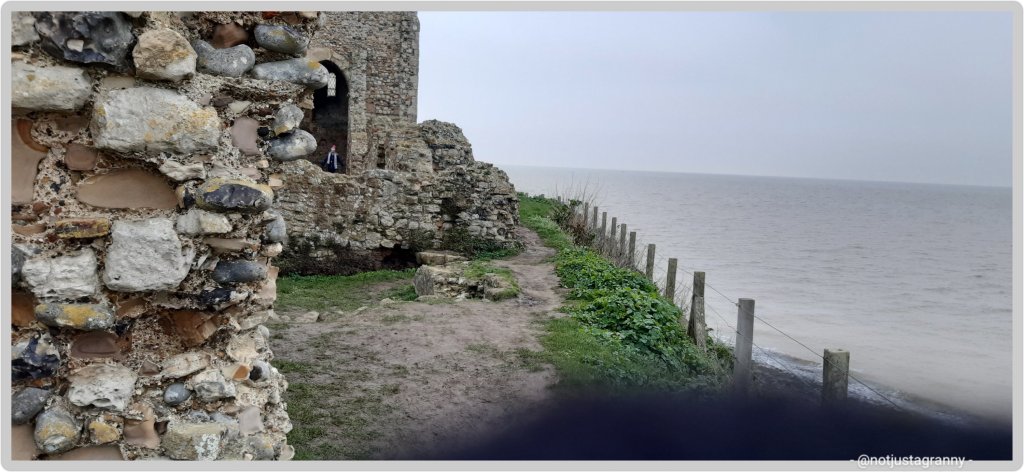
Following on from my recent walk from Margate to Whitstable via Reculver, researching the Roman fort uncovered the information that Reculver too had been mentioned in the 1086 Domesday Book. 😃😃👏👏 Roculf: Archbishop of Canterbury. Church, mill, 5 salthouses, fishery.
By no means a huge number, and considering that 13,418 (settlements) : cities, towns, villages and hamlets are mentioned….150 is not that many, but it’s way more than most have visited.
It’s still astounding to discover that many English people who have grown up in the country, have no idea of its existence.
1086 is only one of the most significant dates in English history following on from the 1066 Battle of Hastings, and yet…..
My original intention was to visit 101, but it seems that my travels and my job will take me to many more than I anticipated.
I’ve wanted to walk to Reculver from Broadstairs ever since we first visited the place some years ago, but never seemed to find the time, it also did not seem doable. But now with my crazy decision to walk the entire English coast over the next 5 years, it became doable ….😁😁 and in comparison to the distances I’ve since covered on my various walks, it was easy peasy
When I set off from Margate last week I could see the ruins of the church farrrrr away in the mists of time and remember thinking ” oh gosh, it’s so far, will I be able to do it ?” But it was easier than expected, and voila
St. Mary’s Church, Reculver
St Mary’s Church, Reculver, was founded in the 7th century as either a minster or a monastery on the site of a Roman fort at Reculver, which was then at the north-eastern extremity of Kent in south-eastern England. In 669, the site of the fort was given for this purpose by King Ecgberht of Kent to a priest named Bassa, beginning a connection with Kentish kings that led to King Eadberht II of Kent being buried there in the 760s, and the church becoming very wealthy by the beginning of the 9th century. Ref wikipedia
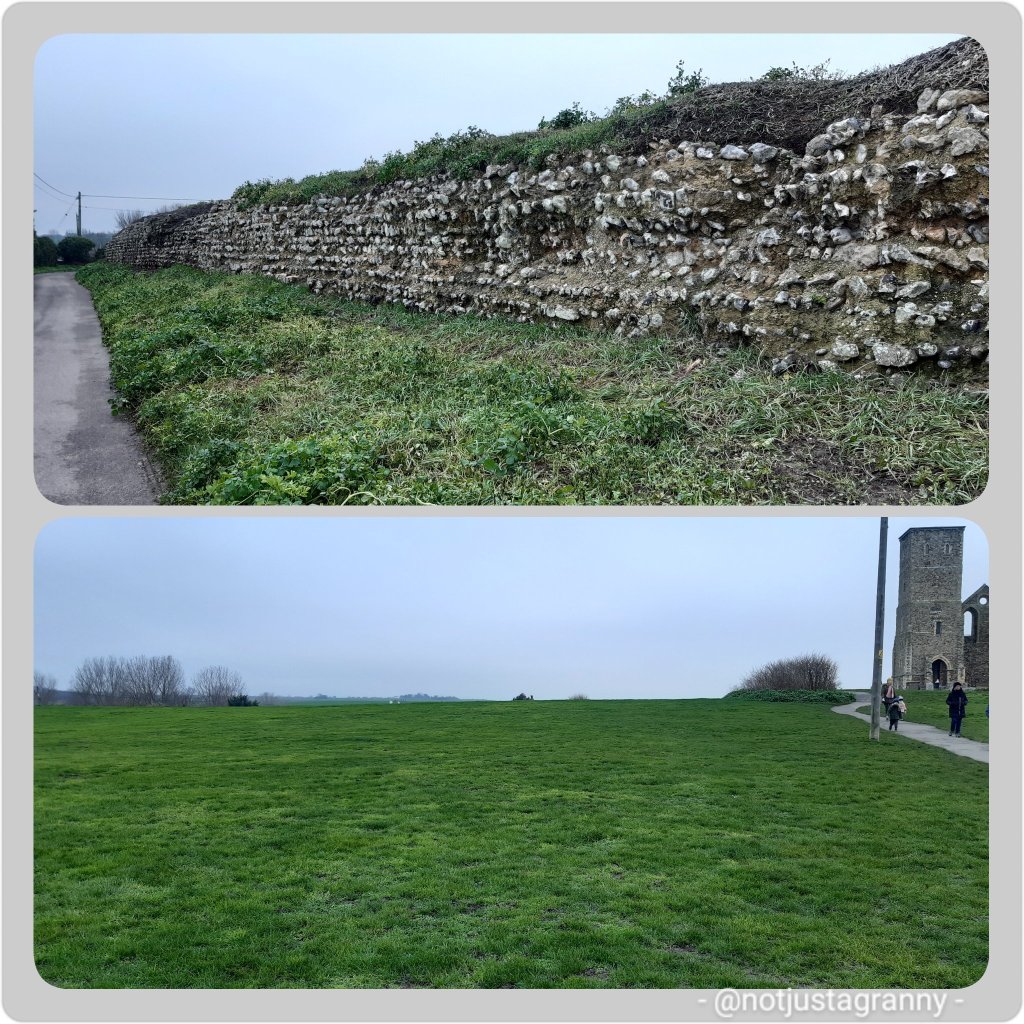
Will this too be eaten by the ever encroaching seaA Roman fort, now long gone The remains of the Roman wall, and where the fort once stood
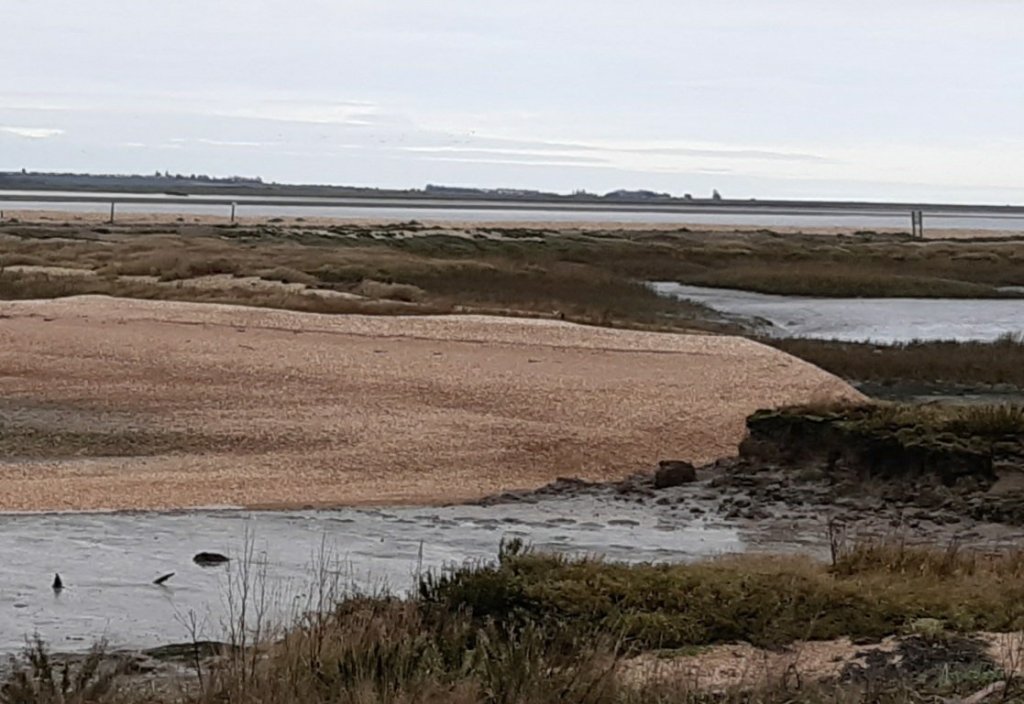
It’s a fascinating place and I’m certainly going to follow up on more of the history and I feel another visit is warranted. I noticed on my way to Reculver that there is a walk along the River Wantsum; which once cut off the Isle of Thanet from the mainland.
The River Wantsum
I 🔮 another walk in the future 😉😄😄 except it will not be in winter!! And I’m not walking across any mudflats….more of that later 🤪🤪
The Church of Saint Lawrence, Eyam, Derbyshire This is the last Sunday of 2020….. no matter where you live in this world, it has been a strange and dangerous year. We have all experienced restrictions and carried worries for ourselves, friends and family. With that very much in mind I thought it appropriate to revisit […]
This is a poignant and topical blog and brings us to the last Sunday of 2020 (as mentioned in this blog about another plague nearly 400 years ago). Nothing gory, just a brief overview of a village that made the ultimate sacrifice for the good of mankind.
It links in with our current situation and to the Queen’s speech on Christmas day, where she spoke about the many sacrifices of people around the country and indeed the world for the good of mankind.
I’m sure there are thousands of stories around the world of people who stepped up and went the extra mile in their countries during this pandemic. Imagine if we could pull them all together and create a book for future generations to read.
I hope you enjoy the read, its brief but sufficient. And Eyam is definitely on my list of places to visit.
Have a good day folks, and I hope you’re not being negatively affected by Storm Bertha.
Unexpectedly, I had the opportunity to visit Wells last week. What a delight. The weekly market was in full swing and people bustled about buying Christmas presents and savouring the delicious aromas that wafted through the air. I saw some amazing wreaths and was tempted to buy one, except I have nowhere to hang it, and a 6 hour journey to the Thanet coast on Saturday.
I loved this wreathAutumn colours are perfectly suited for winter wreaths Celebrating an Olympic Champion; Mary Bignall Rand, Gold medallist Long Jump 1964Built around 1450. Here beggars used to ask for pennies Penniless Porch, Wells, Somerset
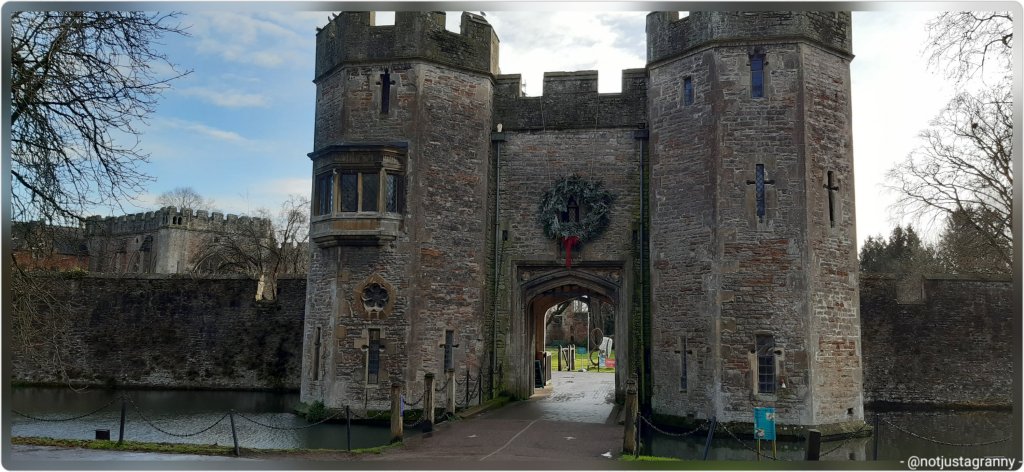
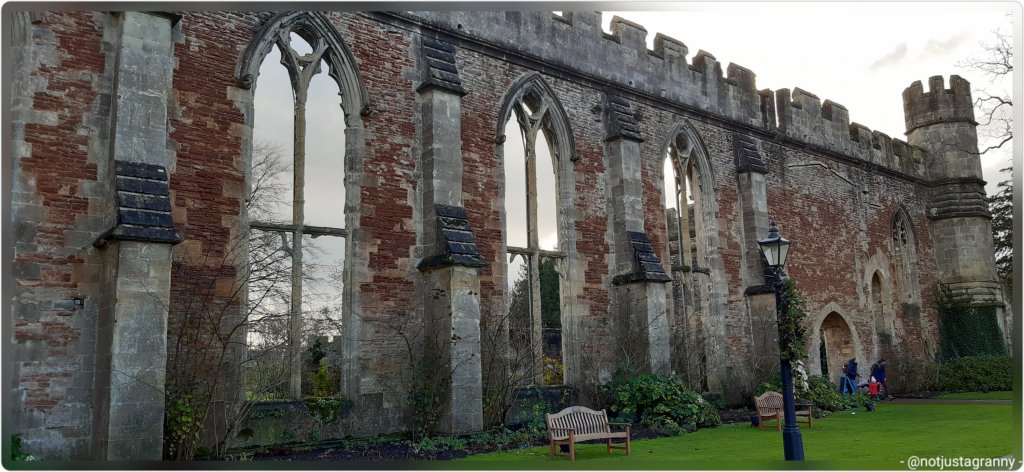
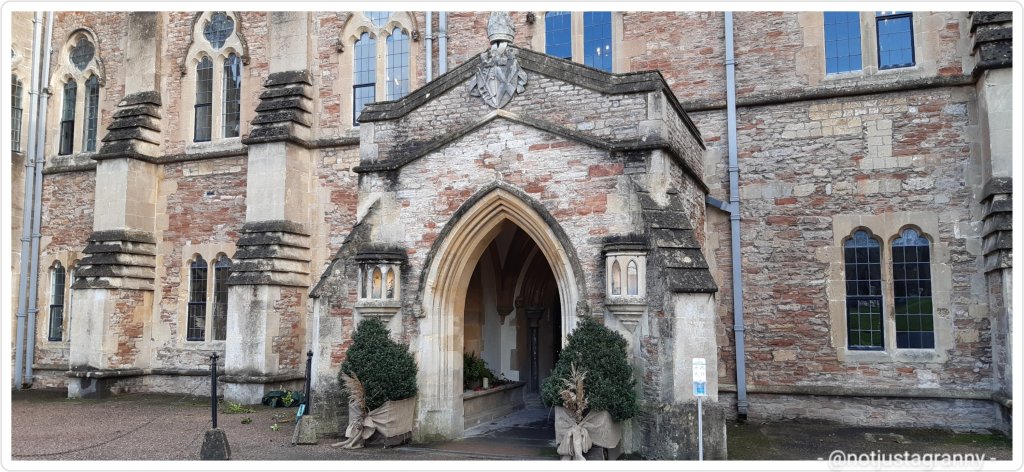
I had 2 hours to explore and made the most of the time…..and spent most of it in the Bishop’s Palace 😁😁 which left me with 10 minutes to visit the cathedral. Fortunately we’re going back later this week so I can have a proper visit.
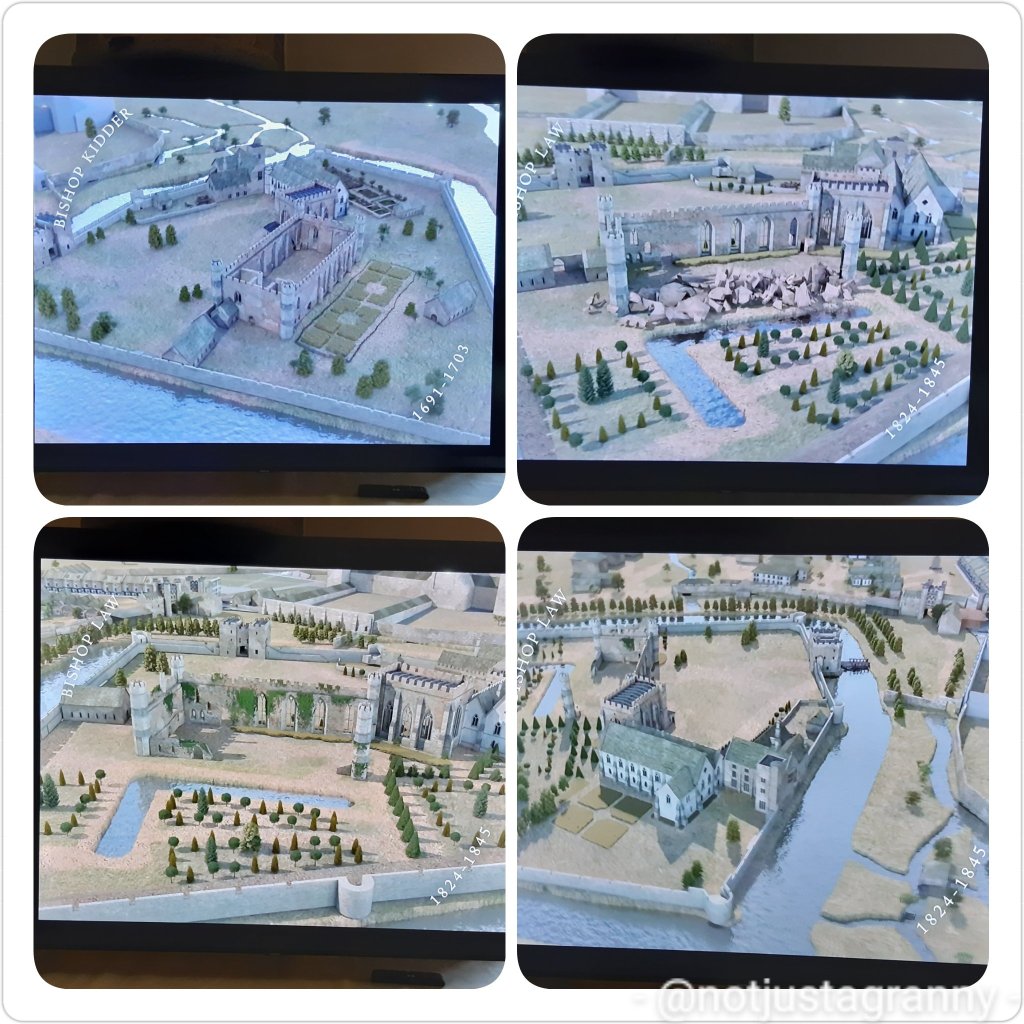
Layout of the Bishop’s Palace Entrance to the Bishop’s Palace
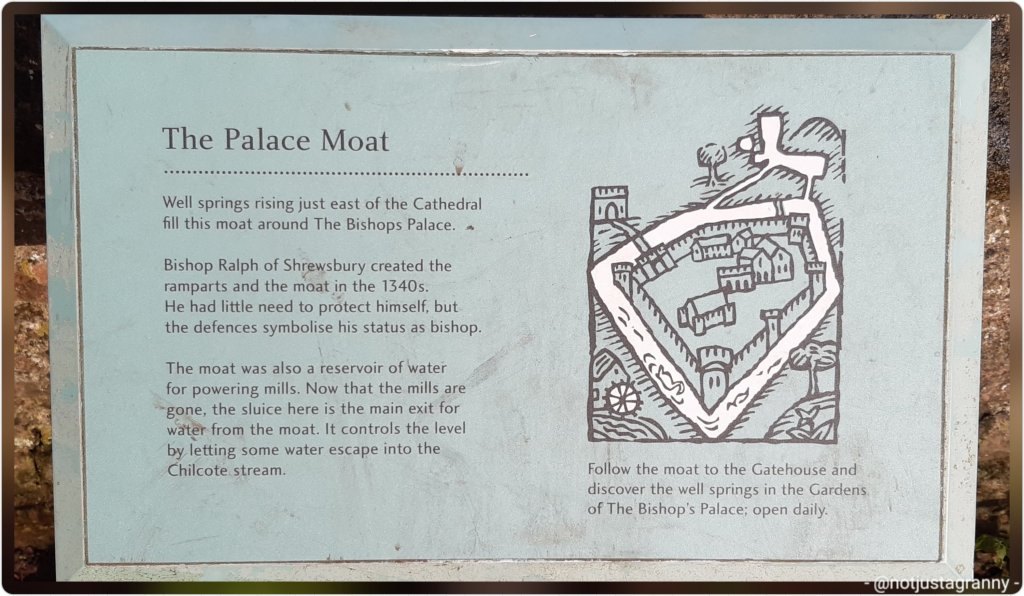
Home to the Bishops of Bath and Wells, the palace, founded in 1206, has been the Bishop’s residence for more than 800 years. The great medieval bishops – Jocelyn, Burnell, Ralph of Shrewsbury, and Beckynton – developed their palace next to the city’s ancient wells. For centuries, water flowing from these wells has shaped the landscape; the buildings and the gardens of this site.
Entrance to the palace rooms Along the ramparts
Wells, a cathedral city, located on the southern edge of the Mendip Hills, has had city status since medieval times, due to the presence of Wells Cathedral. Often described as England’s smallest city, it is actually second smallest to the City of London.
Wells takes its name from 3 wells dedicated to Saint Andrew, one in the market place and two within the grounds of the Bishop’s Palace and cathedral.
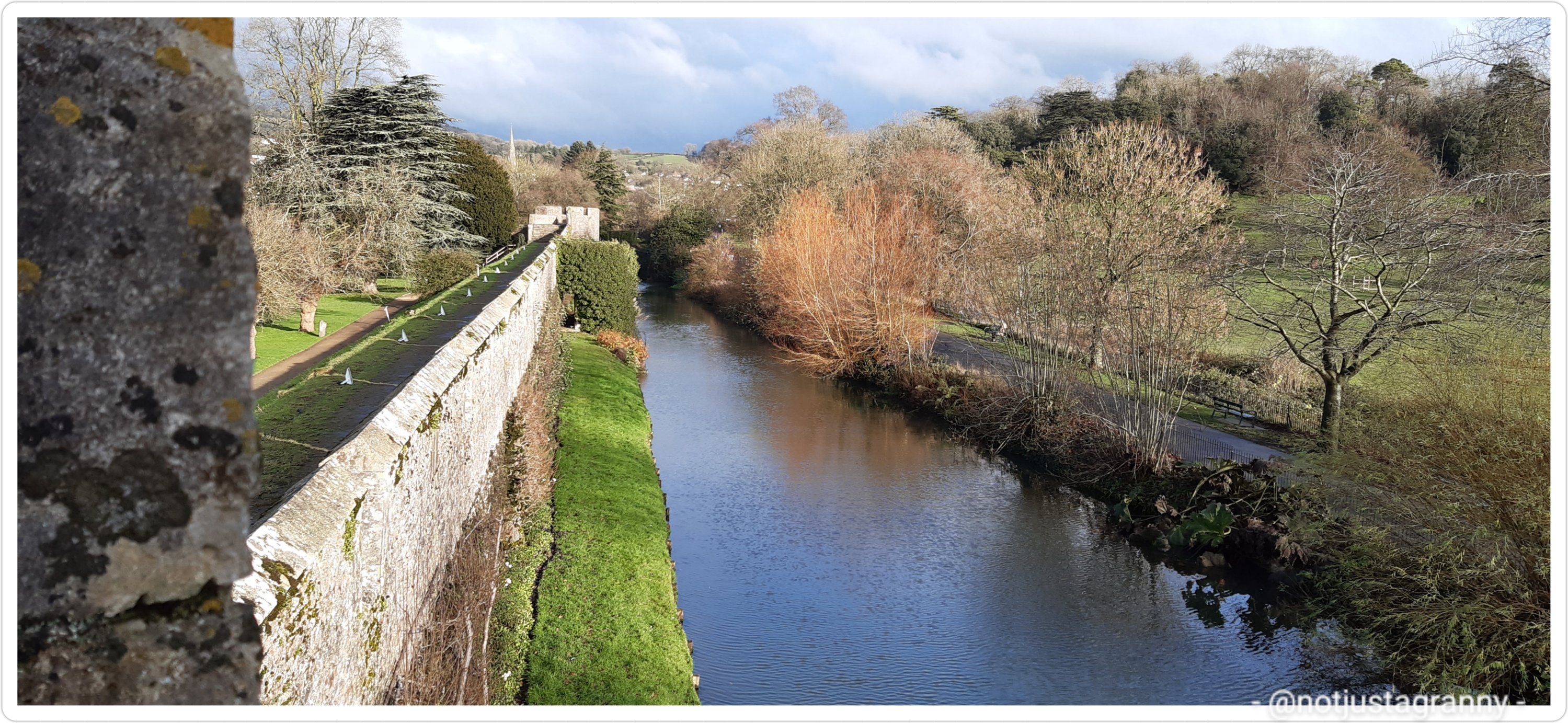
Moat, boats and birds
A small Roman settlement surrounded them, which grew in importance and size under the Anglo-Saxons when King Ine of Wessex founded a minster church there in 704. The community became a trading centre based on cloth making and Wells is notable for its 17th-century involvement in both the English Civil War and Monmouth Rebellion.
Wells was listed in the Domesday Book of 1086 as Welle, from the Old English wiells, not as a town but as four manors with a population of 132, which implies a population of 500–600
Over the years
William Penn stayed in Wells shortly before leaving for America (1682), spending a night at The Crown Inn.
I had a wonderful time exploring the Bishop’s Palace and am looking forward to seeing the Cathedral more fully on Thursday.
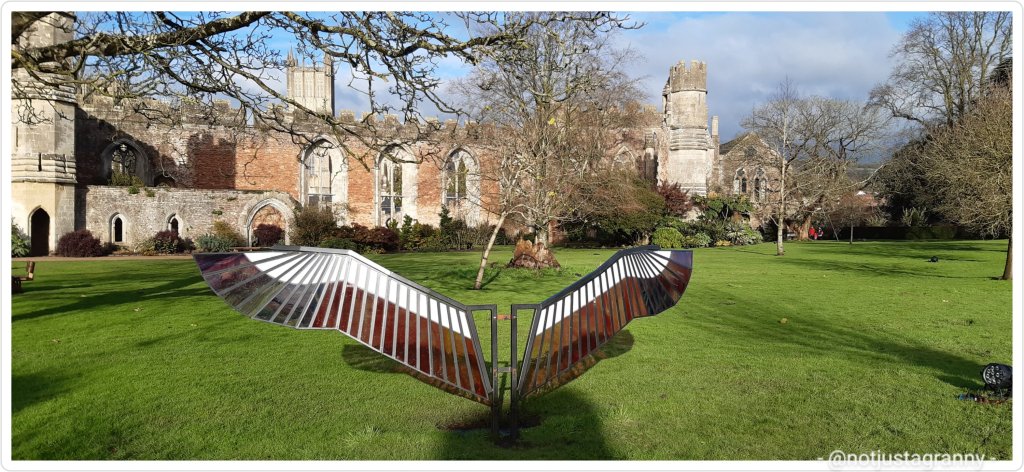
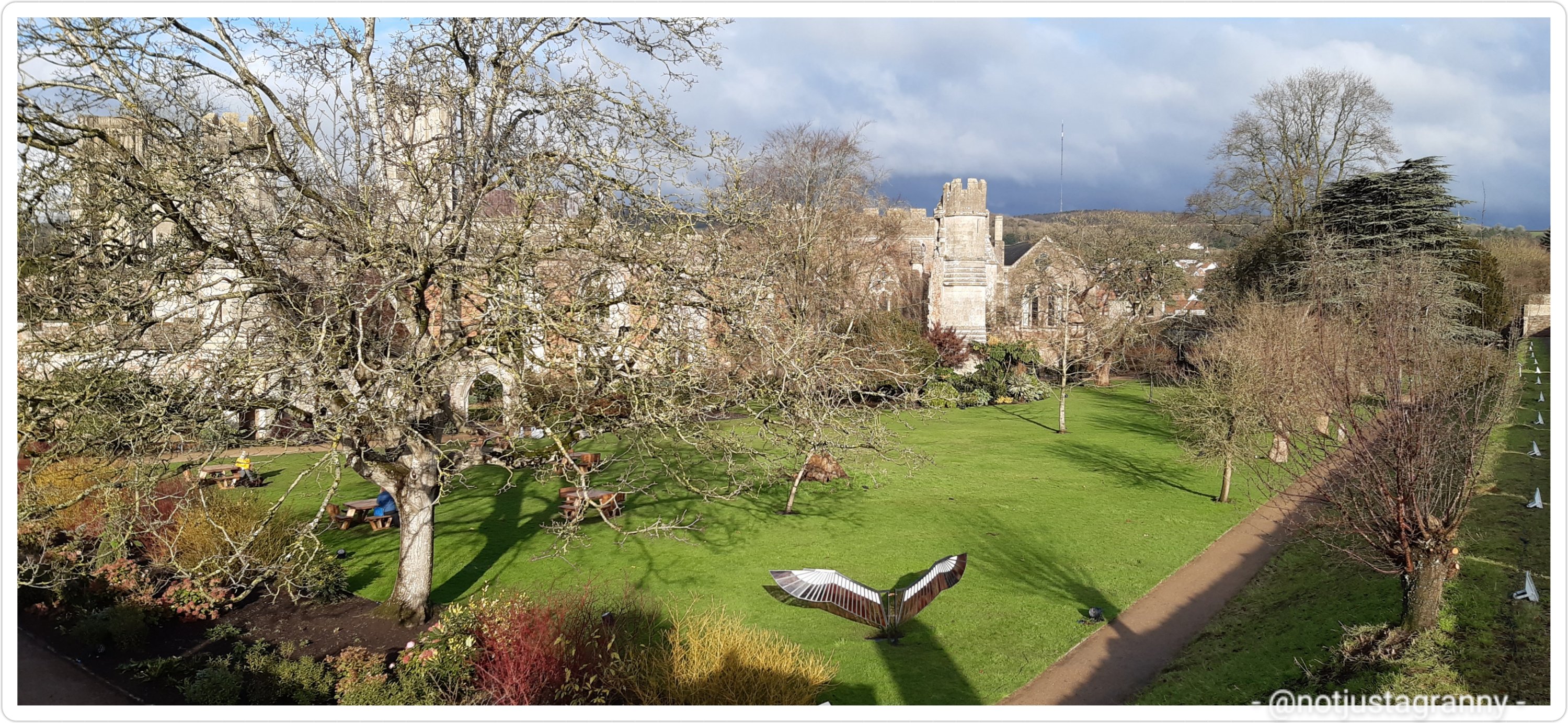
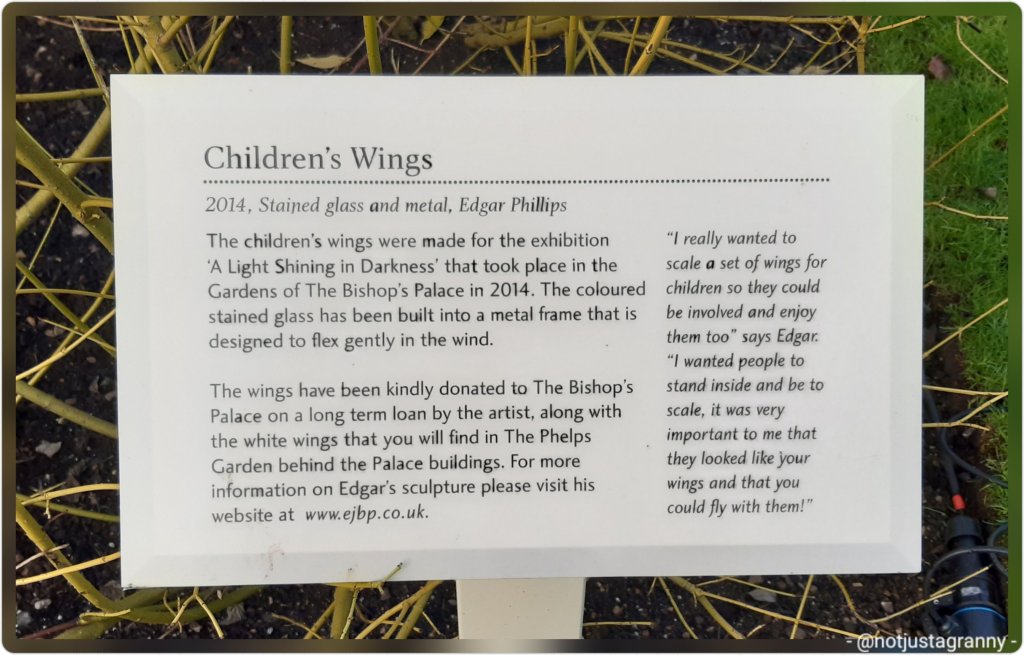
Children’s Wings
Inside the Bishop’s Palace
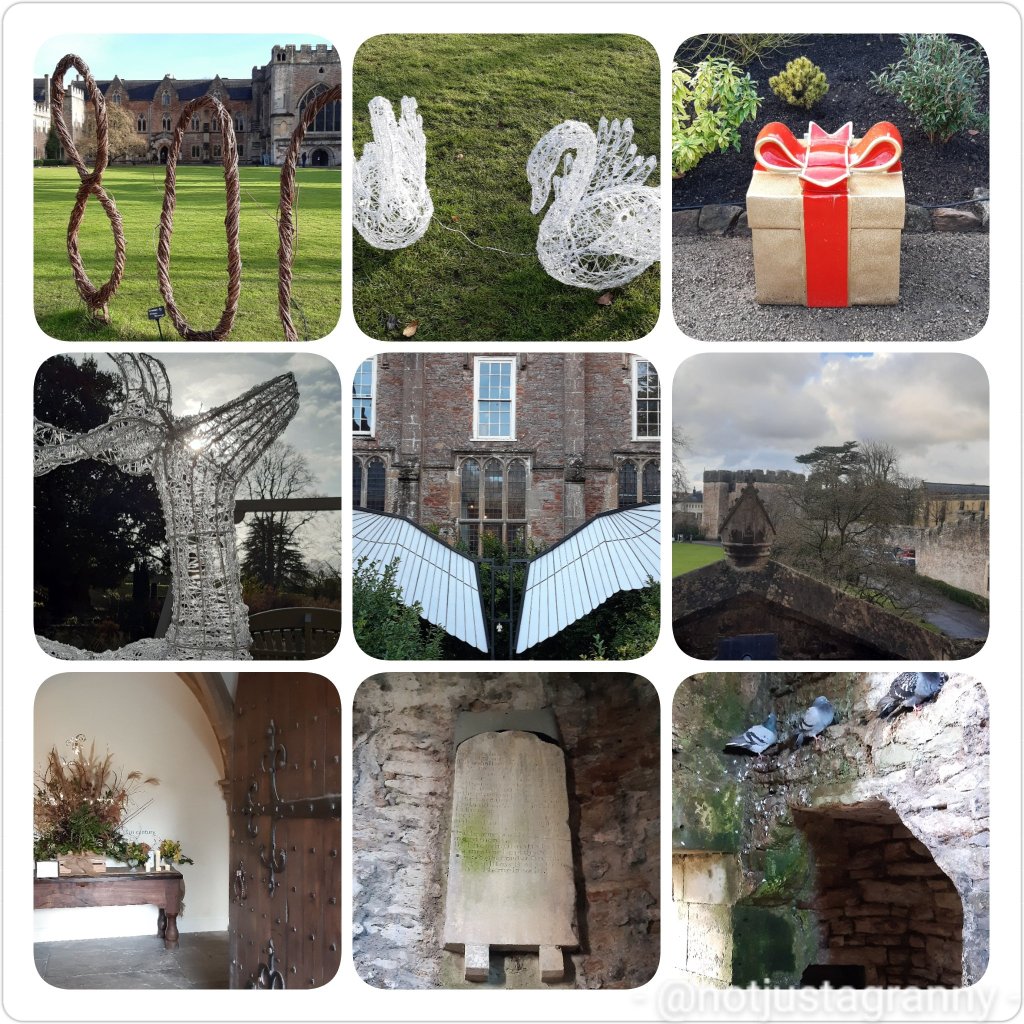
The Coronation Cope worn by Bishop Kennion at the coronation of King Edward VII in 1902He assured me that I’m on the ‘good’ list 🙃🙃The entrance hall from the stairsThe chapel windows A compilation of the chapel Scenes from the gardens
Oh my goddess I’ve found a new long distance walk to do!! 😃😃😃 I was doing some research on distances between towns for my ongoing quest to walk the whole England coast over the next 5 years (I blame it on the moon) and found the whole route for the Saxon Shore Way.
I’ve touched on the route during some of my previous excursions, but I didn’t realise just how long it was and how far it extended. Sigh..you just know I’m going to have to walk it 😂😂😂
The 160 mile / 257 km route starts in Gravesend on the banks of the River Thames in North Kent and ends in the colourful seaside town of Hastings in East Sussex. The route goes inland somewhere near Reculver and bypasses Margate, Broadstairs and Ramsgate and again from Folkestone to Rye/Camber but the rest of the route offers some of the finest coastal walking in England.
The reason the route bypasses Margate, Broadstairs and Ramsgate is due to the fact that they’re all on what was, and is still referred to as the Isle of Thanet, which used to be separated from the mainland by the Wantsum Channel up until 1550, by which time the river had silted up and was no longer navigable. And of course the Saxons were here from mid 5th century, so the route they created would have followed the then mainland coast.
According to wikipedia: The River Wantsum is a tributary of the River Stour, in Kent, England. Formerly, the River Wantsum and the River Stour together formed the Wantsum Channel, which separated the Isle of Thanet from the mainland of Kent. Now the River Wantsum is little more than a drainage ditch starting at Reculver, and ending where it joins the Stour.
I’ve walked small sections of the Saxon Shore Way when I followed Chaucer’s Canterbury Tales route to Canterbury via Sittingbourne and Faversham, again when I followed St Augustine’s Way from Ramsgate to Canterbury and again more recently when I walked from Sandwich to Dover.
Saxon Shore Way, Sandwich
I’m gonna have to stop working so I can do all these walks 🚶🏻♀️🚶🏻♀️🚶🏻♀️🤭🤭
The header image is of Gravesend on the Thames from when I walked Chaucer’s Canterbury Tales from Southwark Cathedral to Canterbury Cathedral…my very first long-distance walks, along which I learned some really good lessons – like to never walk in wet socks 🤪🤪👣🧦👣🧦
I’m not really a fan of circular walks and prefer to end somewhere I didn’t start. But since I’m walking during my break, I have no choice but to return from whence I started.
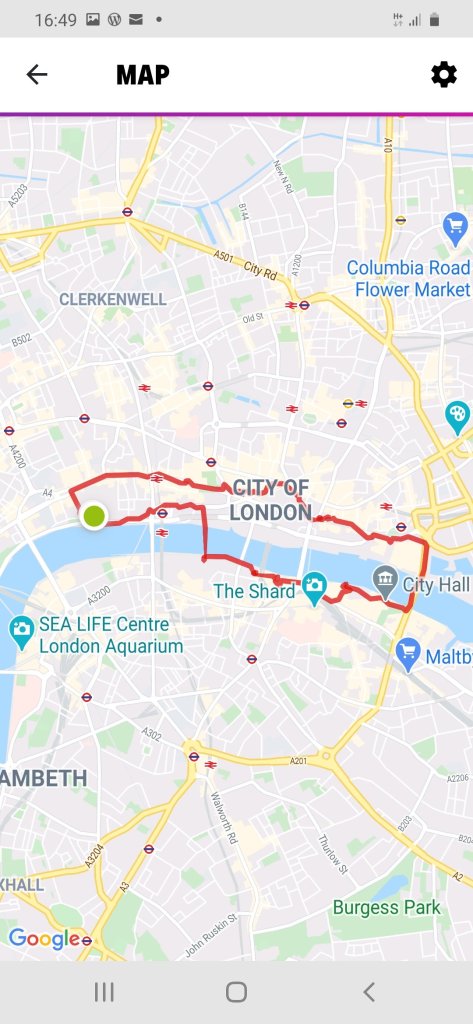
Yesterday afternoon could be described as a blue sky day, and since it was my penultimate day in the city I made the most of the good weather and went for a ramble….from Temple to the Millennium Bridge, crossing to Bankside and walking to Tower Bridge, back over the Thames as the sun was setting and ultimately back to Fleet street and Temple.
I saw many of my favourite sights, and covered 7.86 kms in total.
Although I haven’t noticed much change in the volume of traffic along Embankment, the reduction in the city was very noticeable with many streets almost deserted. It was really weird walking past hundreds of shops and pubs….lights off and doors locked, and not manypeopleaboutat all. A bit like it would be after an apocalypse….
Very weird. This is the city of Sundays when everyone is at home and you could meander the streets and lanes and rarely see a soul.
Of course I took lots of photos…I hope you enjoy them
Has the chewing gum man been here?
If you cross Millennium Bridge look down and you’ll see a number of tiny little works of art. These are mostly the work of the ‘chewing gum man’. He creates art out of gum tossed on the streets by neanderthals. Although that’s actually insulting Neanderthals. Ben Wilson (click here for a profile) is famous in London for creating miniature artworks from gum stuck on the streets. His artwork is not limited to Millennium Bridge and if you keep your eyes peeled you’ll find these creative pieces in other corners of the city. I met him once at one of his exhibitions, a very interesting man. Here’s a more recent article about Ben Wilson you may enjoy reading https://www.kickstarter.com/projects/studiomoe/ben-wilson-the-chewing-gum-man-the-millennium-bridge-gum
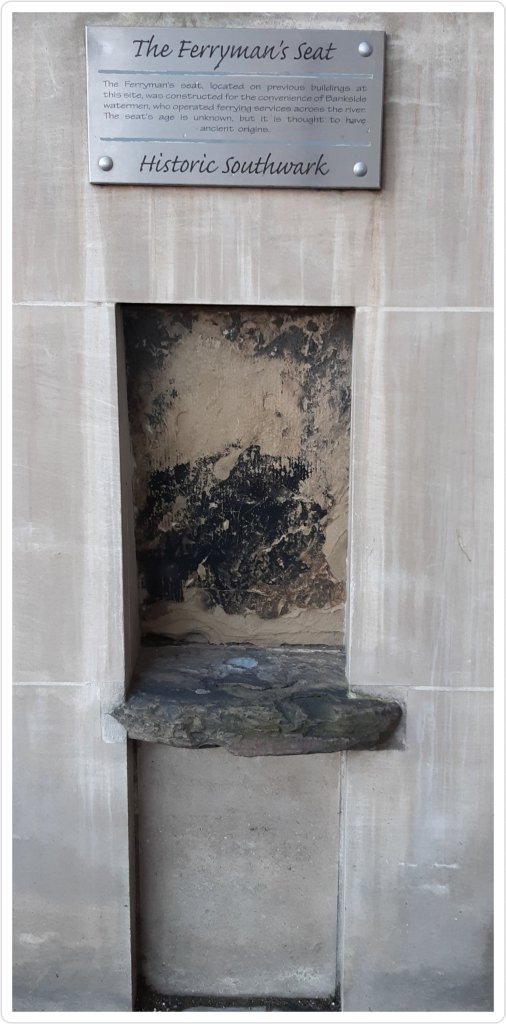
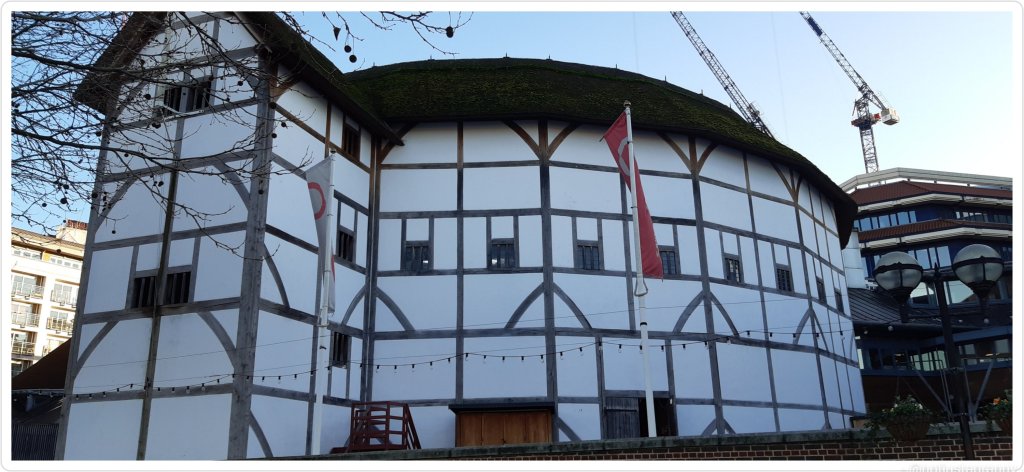
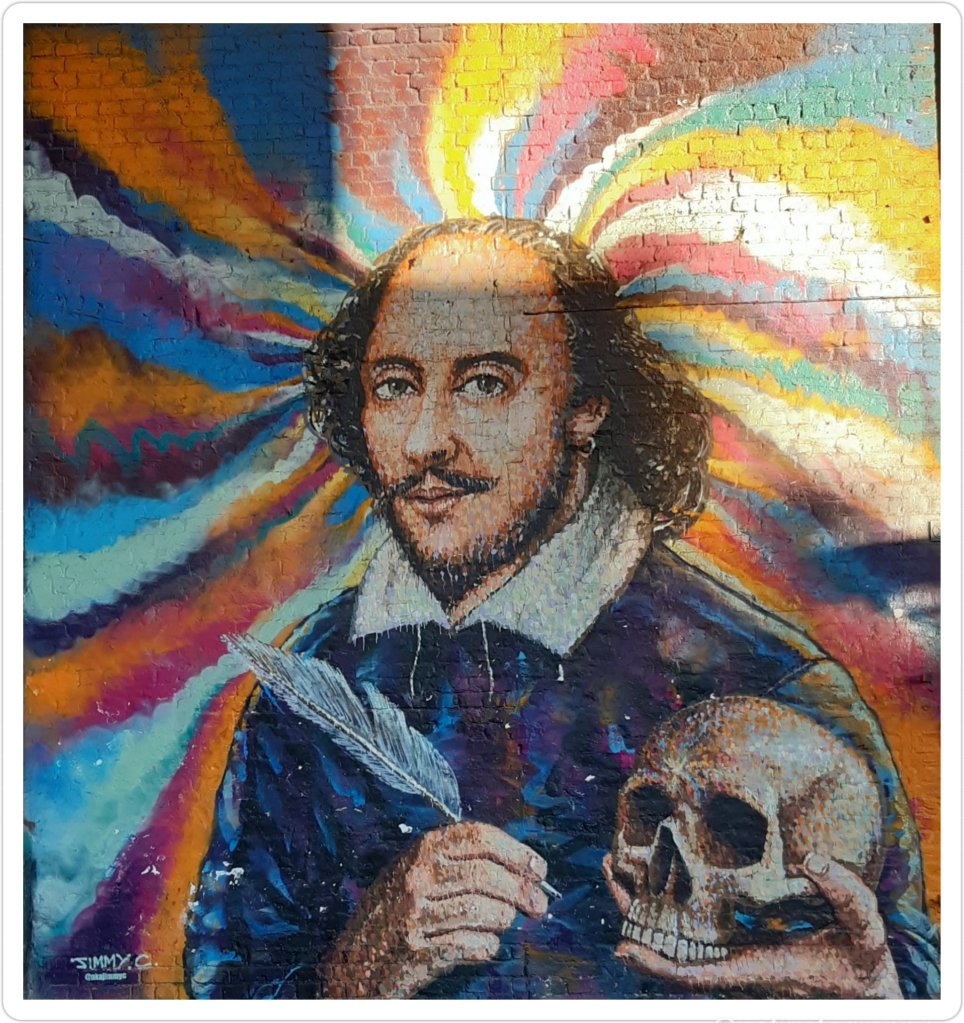
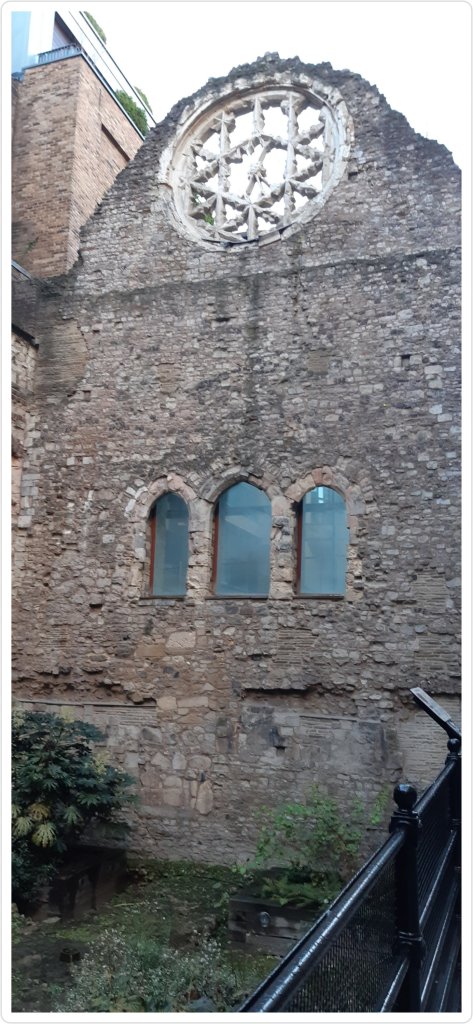
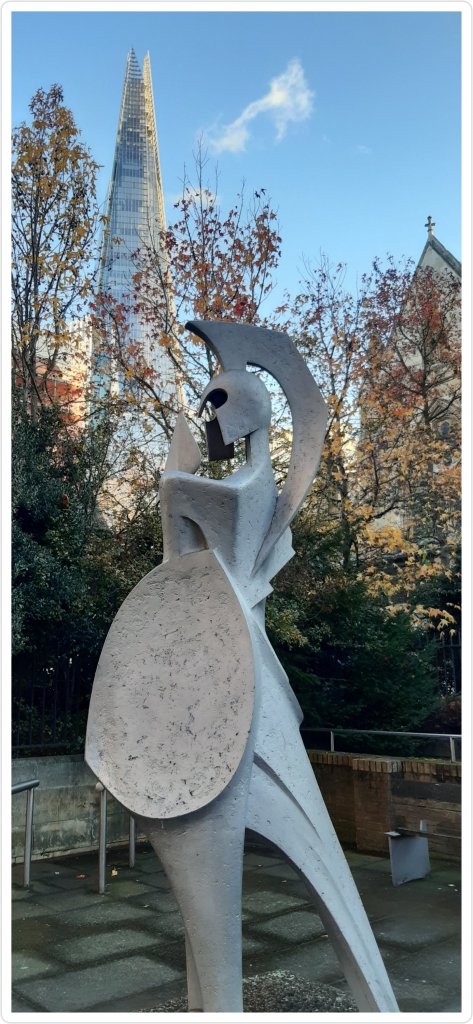
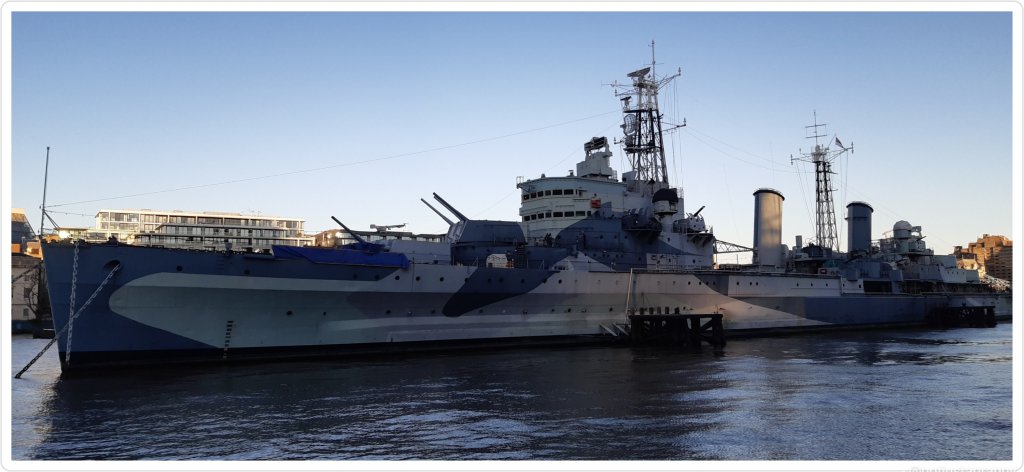
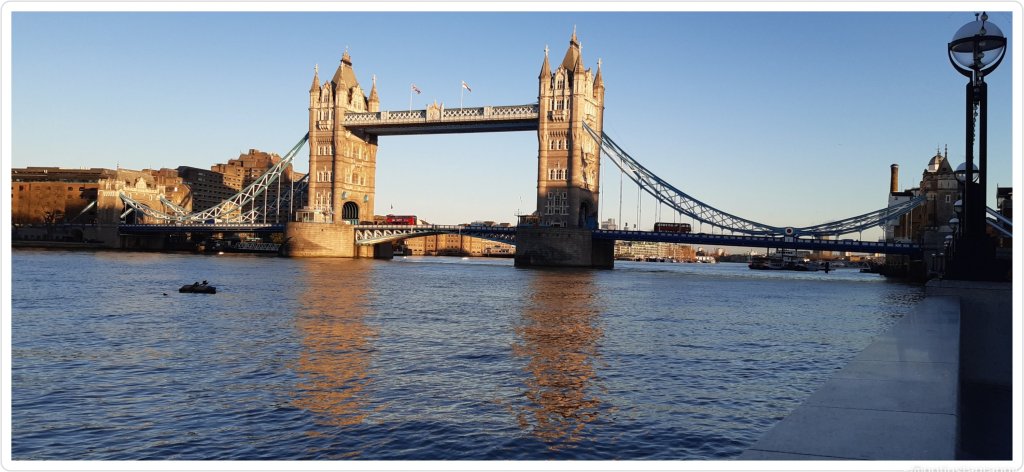
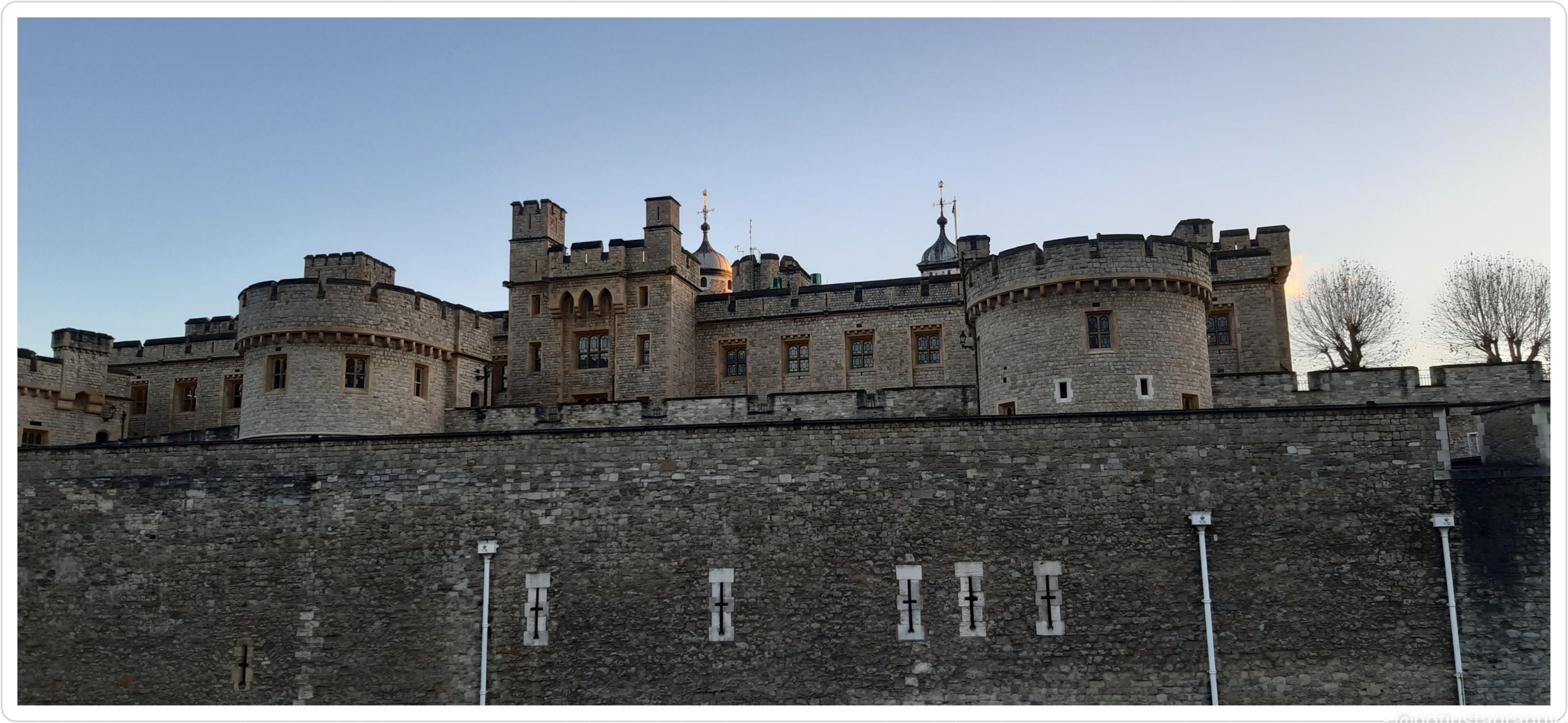
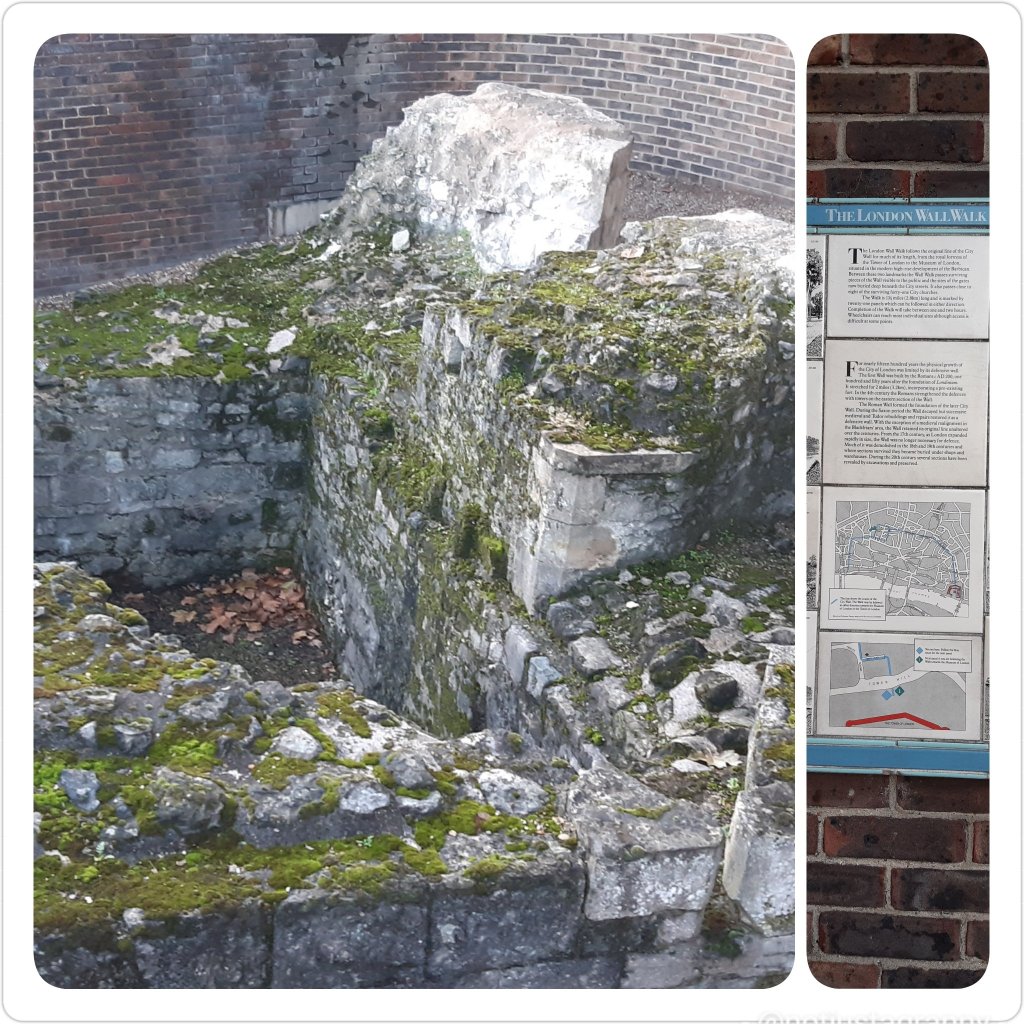
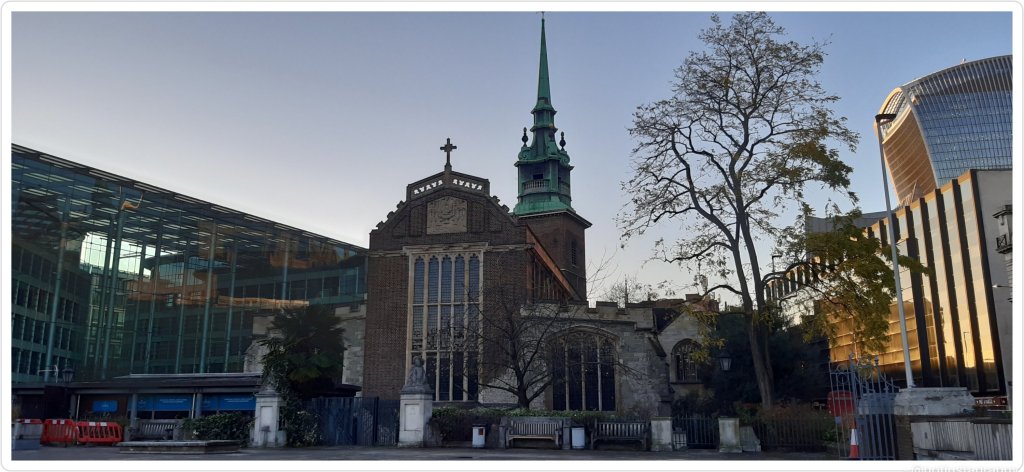
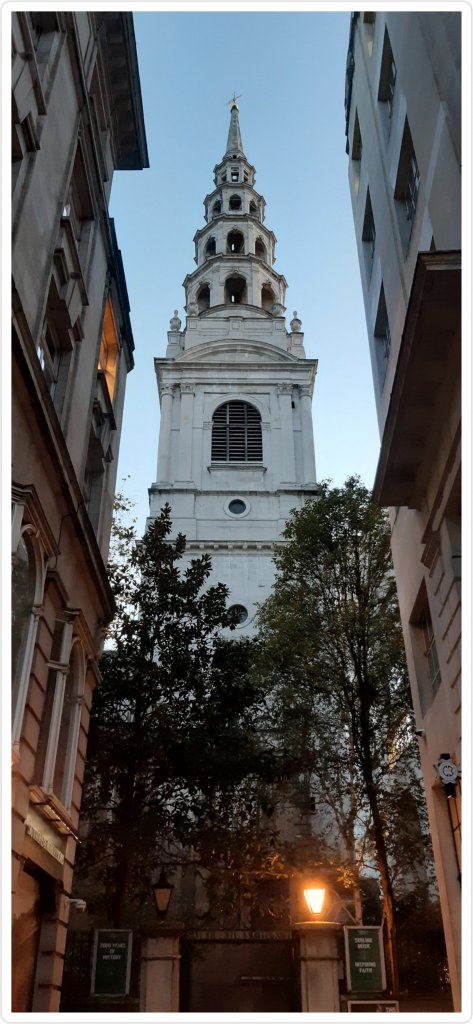
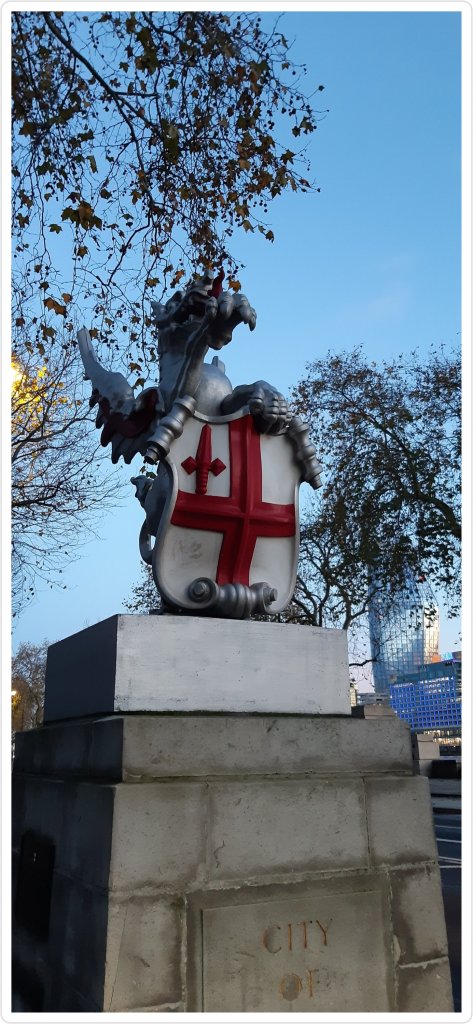
One of my favourite views downstream of the ThamesWhen you cross Millennium Bridge from north to south, be sure to stop on the south side and look back…brilliant view of St Paul’s CathedralJust off the corner of a side street on Bankside you’ll find The Ferrymans Seat – harking back to when you had to pay the ferryman to row you across the riverThe Globe Theatre- albeit not the original, Globe theatre is linked to William Shakespeare and pre-covid this is where you would come to experience what theatres were like in the 16th century. Not far from here and behind the first row of buildings you’ll find the remains of the Rose Theatre, where Shakespeare did perform his plays.In the foreground is the arch of Southwark Bridge. At this point you can see four bridges crossing the Thames: Southwark, Cannon Street, London Bridge and in the distance, Tower Bridge – often mistakenly called ‘London Bridge’.Beneath the arch of Southwark Bridge are scenes of Frost Fairs on the river from the days when it froze over in winter – specifically Frost Fairs were held in 1683-34, 1716, 1739-40, and 1814. The river is noe narrower and deeper and flows faster; and no longer freezes over.A mural depicting William Shakespeare on the wall near The Clink Prison. I wonder what he would make of London today.A fragment the Great Hall and Rose Window of Winchester Palace in Southwark. Once the palace of the Bishops of Winchester. The prostitutes who plied their trade in this area under the auspices of the Bishops were known as the ‘Winchester Geese’ A short walk from here is a piece of ground where they were apparently buried.Southwark Cathedral circa 1905 – a place of Christian worship for more than 1,000 years it was originally an Augustinian priory built between 1106 and 1897. In 2017 I walked from the cathedral to Canterbury Cathedral following Chaucer’s Canterbury Tales Minerva and The Shard. This delightful sculpture can be found on the river side of the cathedral. The Navigators; one of my favourite sculptures in London located in Hays GalleriaHMS Belfast moored on the Thames since 1971 on Southwark side of the river; the most significant surviving WWII Royal Navy warship. Since her launch over 82 years ago, she fired some of the first shots at the D-Day landings, served in the Arctic Convoys, and in the Korean War.The magnificent White Tower glows in the light of the setting sunToad Hall aka the London Mayor’s Office – many years ago a play; Wind in the Willows, was staged in the open air theater next to the building. It was nicknamed Toad Hall and the name has stuck ever since, and occasionally we have (had) a real larger than life toad working there…#notLondonBridge – Tower Bridge stands guard over The Pool of London – a bastion between the the lower reaches of the Thames and the City of London Looking upstream. One of the many many barges that traverse the waterways on a daily basis; one of hundreds of various craft that ply the river ….The Tower of London viewed from Tower HillThe Tower of London- 6 years ago the moat was covered with ceramic poppies to commemorate the start of the First World War. I was one of the many lucky people who got to plant a few.Remnants of the original Roman City walls located at the end of the pedestrian underpass from Tower Hill stationAll Hallows by the Tower Church – oldest church in London. In the crypt you can see the crows nest from Shackleton’s ship, Endurance. Samuel Pepys stood in the platform of the tower and watched London burning in 1666A poignant memorial located in front of the church The Monument commemorates the area where the Great Fire of London started in 1666. Nearby is a small plaque on a building showing the original location of the bakers shop where the fire was meant to have started. If you ever decide to climb to the viewing platform…there are a lot of steps!! But you get a certificate for your efforts Another of my favourite sculptures – The Cordwainer. Located in the ‘Ward of Cordwainer’, which in medieval times was the centre of shoe-making in the City of London. Only the finest leather from Cordoba in Spain was used, which gave rise to the name of the craftsmen and the WardThe Royal Exchange – London’s first purpose built trading centre. The Royal Exchange in London was founded in the 16th century by the merchant Sir Thomas GreshamA peek at St Paul’s Cathedral My absolute favourite building in London – St Paul’s Cathedral still stands proud amongst all the new. Designed and built by Sir Christopher Wren after the Great Fire of London razed the original to the ground. A tiny grave in the crypt of the cathedral is the resting place of this famous man. His epitaph: si monumentum requiris, circumspice”—if you are searching for his monument, look around. In all Wren designed 53 of London’s churches as well as other secular buildings. St Paul’s Cathedral featured in the famous film Mary Poppins. St Brides Church aka the ‘wedding cake’ church. Urban legend has it that a baker was looking out the window of his shop one day looking for inspiration for a wedding cake he was creating…hence the popular design of the layered wedding cake. It’s named for the saint St Bride and is also known as the Journalists Church due to its proximity to Fleet Street, once home to the newspaper trade.Back whence I started. The spot where I’m standing is actually in the City of Westminster and the City of London Griffin marks the boundary between the two cities. When I step past the sculpture I’m then in the City of London.
I hope you’ve enjoyed your trip around London and some snippets of history.
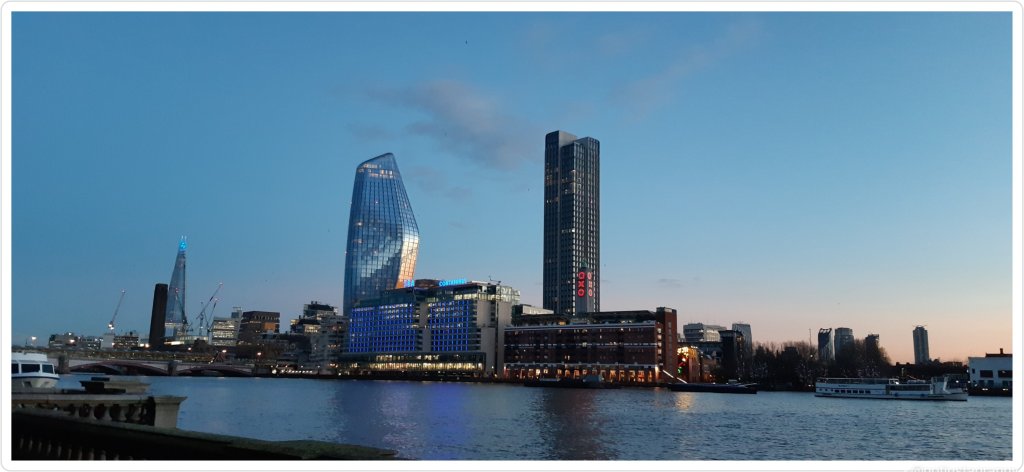
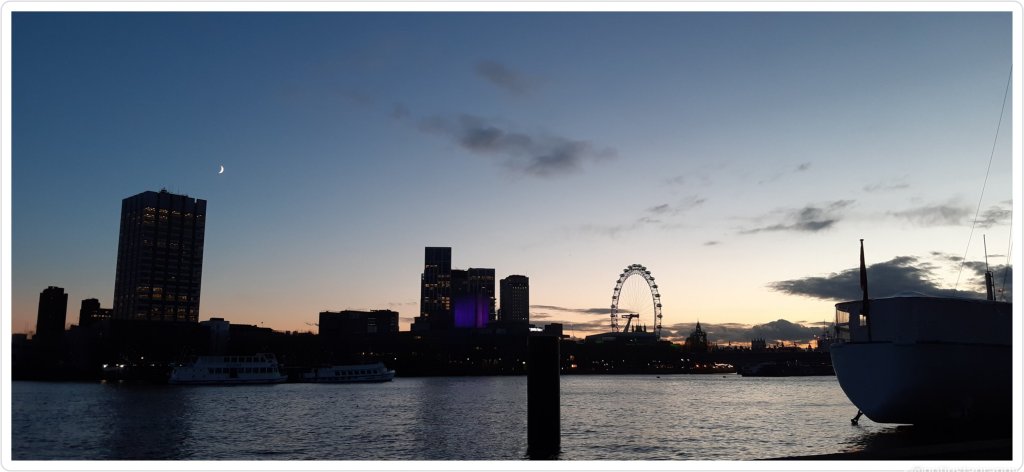
By the time my walk ended, the sun was setting below the horizon. Across the river is the OXO Tower and the Sea Containers building. Not sure what the two new towers are, but I wish they weren’t there…downstream you can see The Shard, its highest point lit up in blue.Looking upstream towards the London Eye from the same location at the same time. You can see a sliver of the moon just to the right of the tall building on the leftMy walk 7.86kms via mapmywalk
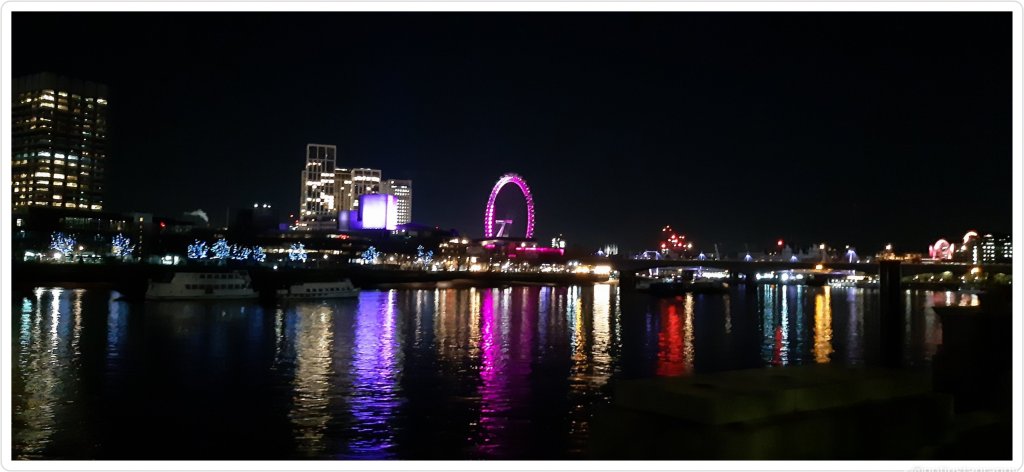
And finally, London by night. Taken at 10pm last night.
The Sea Containers building lit up with a rainbow The Colours of London – still my favourite city in the whole world
Its been a very long time since I read such a thick book in such a short space of time. Wow, what a storyteller he is. I could feel the heat of the desert, felt as if I was inside those fighters and the pain of the many small tragedies that occurred in order to bring the fight to fruition. Quite a few surprises and a helluva a lot of gasps of shock as my eyes flew across each page….incredible story. Based on the Iraqi invasion of Kuwait, its a masterful story woven around true life events and people. The deception, duplicity and sheer evil of mankind is dreadful….but what a damn good story..
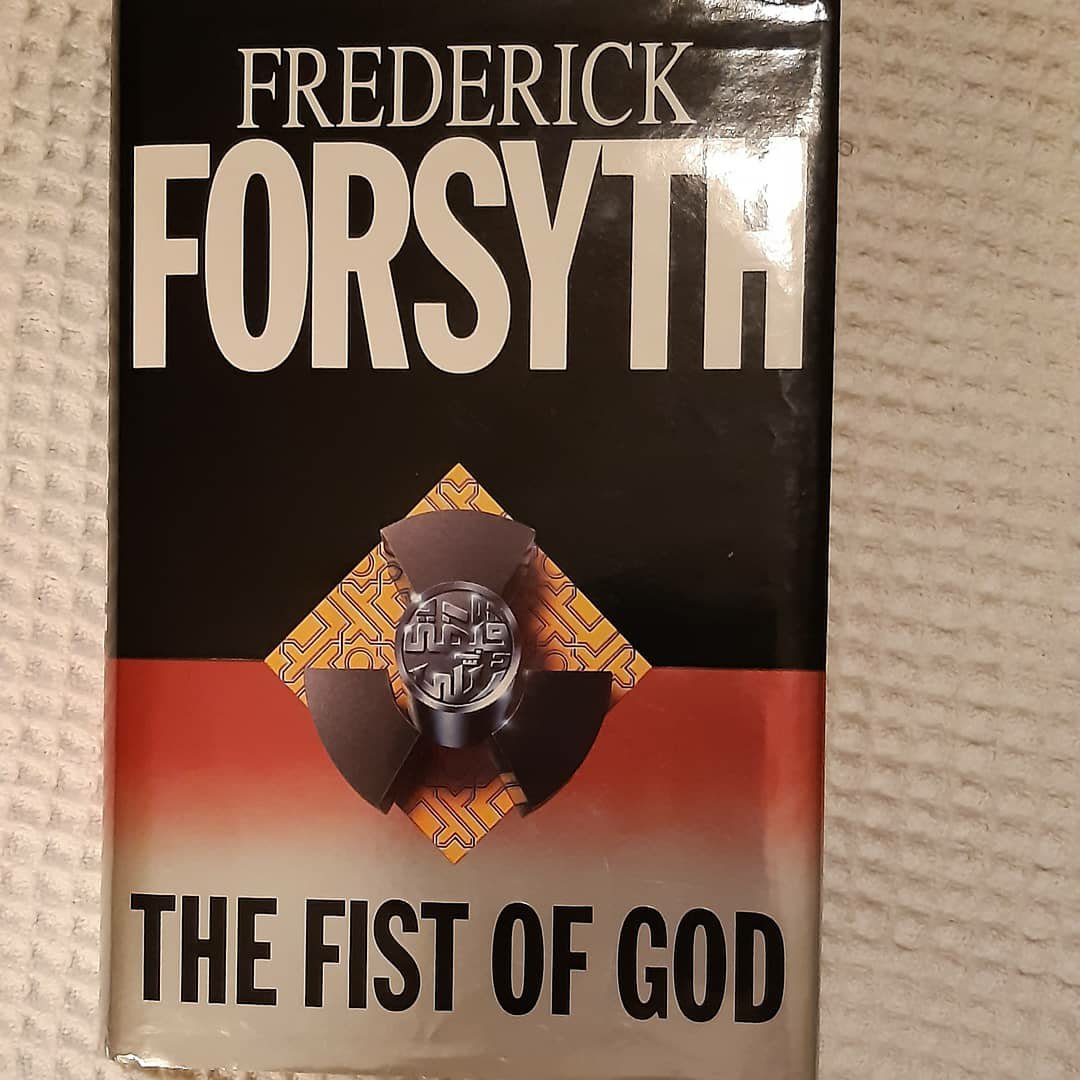
I’m reading a book, historically factual but written as a story by Frederick Forsyth about the 1990 Iraq invasion of Kuwait.
The Fist of God. Its fascinating but OMG….humans are mad. Evil and mad. The stuff they do. I can’t believe that if there was a God, that he would want us to continue under the illusion that we were created in his image. He must shudder. I’m sure he’s washed his hands of the human race…
I remember the invasion of Kuwait, my daughter was 10 years old at the time and I used to buy the papers so we could read them. I remember telling her that this was history, we were living in momentous times.
I also remember how the media scared the living daylights out if us and despite being at the very very bottom end of Africa and closer to Antarctica than Iraq, just how terrifying it was. Imagination went as wild as you can imagine!!
I think I still have some of the front pages….I’m weird like that.
But for sure, I never realized just how evil the whole thing was. And still today, we have evil men plotting dastardly events and violence against mankind.



































 Not Just a Granny
You must be logged in to post a comment.