The Church of Saint Lawrence, Eyam, Derbyshire This is the last Sunday of 2020….. no matter where you live in this world, it has been a strange and dangerous year. We have all experienced restrictions and carried worries for ourselves, friends and family. With that very much in mind I thought it appropriate to revisit […]
This is a poignant and topical blog and brings us to the last Sunday of 2020 (as mentioned in this blog about another plague nearly 400 years ago). Nothing gory, just a brief overview of a village that made the ultimate sacrifice for the good of mankind.
It links in with our current situation and to the Queen’s speech on Christmas day, where she spoke about the many sacrifices of people around the country and indeed the world for the good of mankind.
I’m sure there are thousands of stories around the world of people who stepped up and went the extra mile in their countries during this pandemic. Imagine if we could pull them all together and create a book for future generations to read.
I hope you enjoy the read, its brief but sufficient. And Eyam is definitely on my list of places to visit.
Have a good day folks, and I hope you’re not being negatively affected by Storm Bertha.
And suddenly I was on the home straight with just 19 hours to go and I’d be on my way. My final break was taken in town and I followed some of my more favoured routes and managed a decent 6.8kms, albeit with a reduction in my time off again 🤔🤔🤔
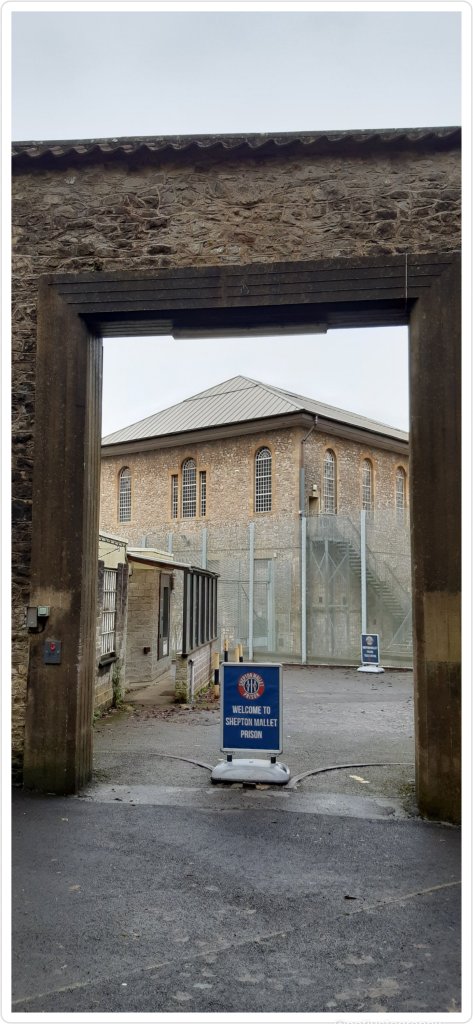
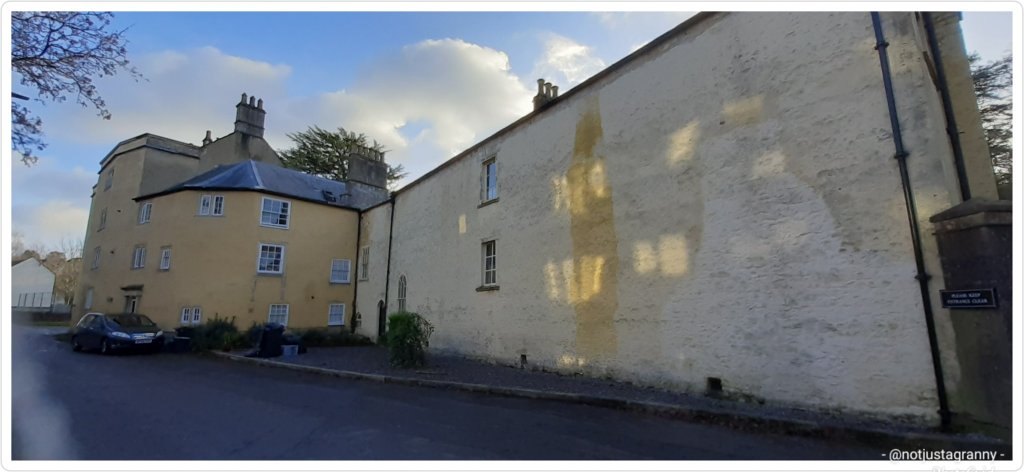
When I first arrived in Shepton Mallet 12 days ago my heart sank…it looked dull and grey with no defining features beyond grey walls and grey houses, a massive Tesco store and the distinction of being mentioned in the Domesday Book….and the oldest prison in the country looming large…and grey 🤨🤨
Shepton Mallet Prison- closed 2013Exterior of the prison
But as usual I set out to explore and managed to find lots of interesting nooks and crannies, a great number of interesting houses, some of which are Grade II listed.
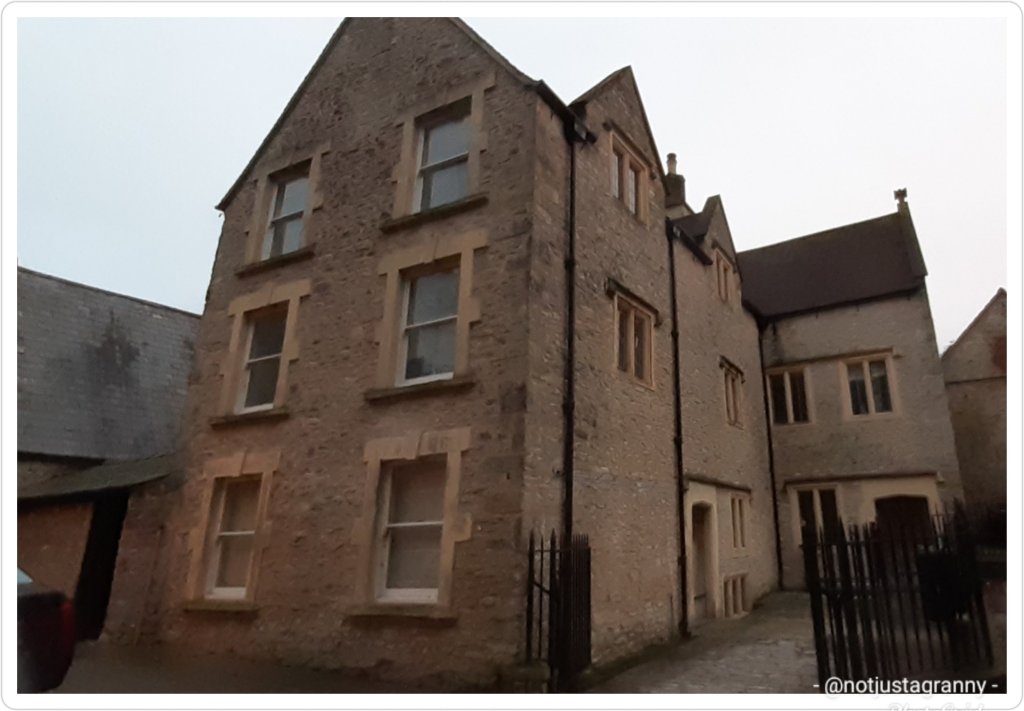
The Merchants House – 17th century Grade II listed
Three other houses of historical interest:
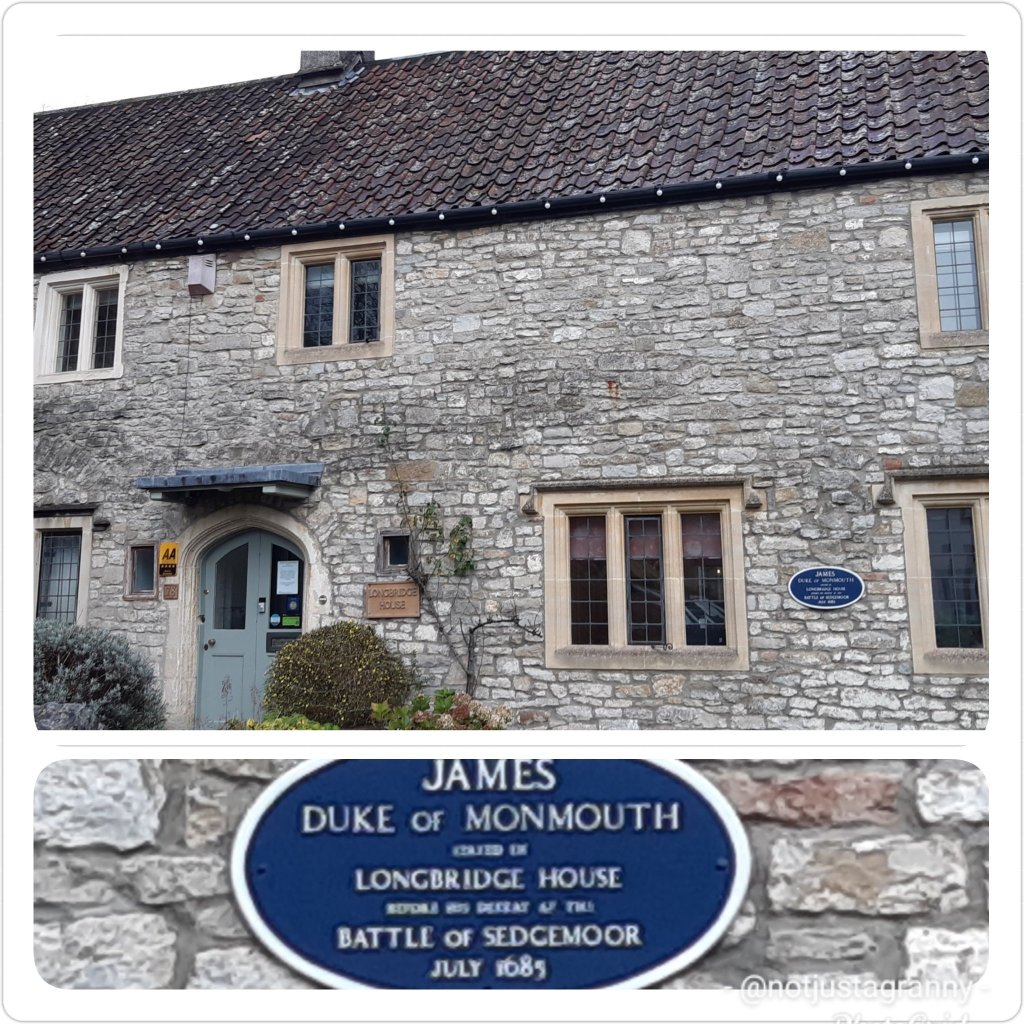
Longbridge House : with links to James, Duke of Monmouth and the Battle of Sedgemoor July 1685. Now a B&B. With parts dating back to the 14th century the house is best known for being where the Duke of Monmouth stayed before and after the Battle of Sedgemoor in 1685.
Exploring Shepton Mallet
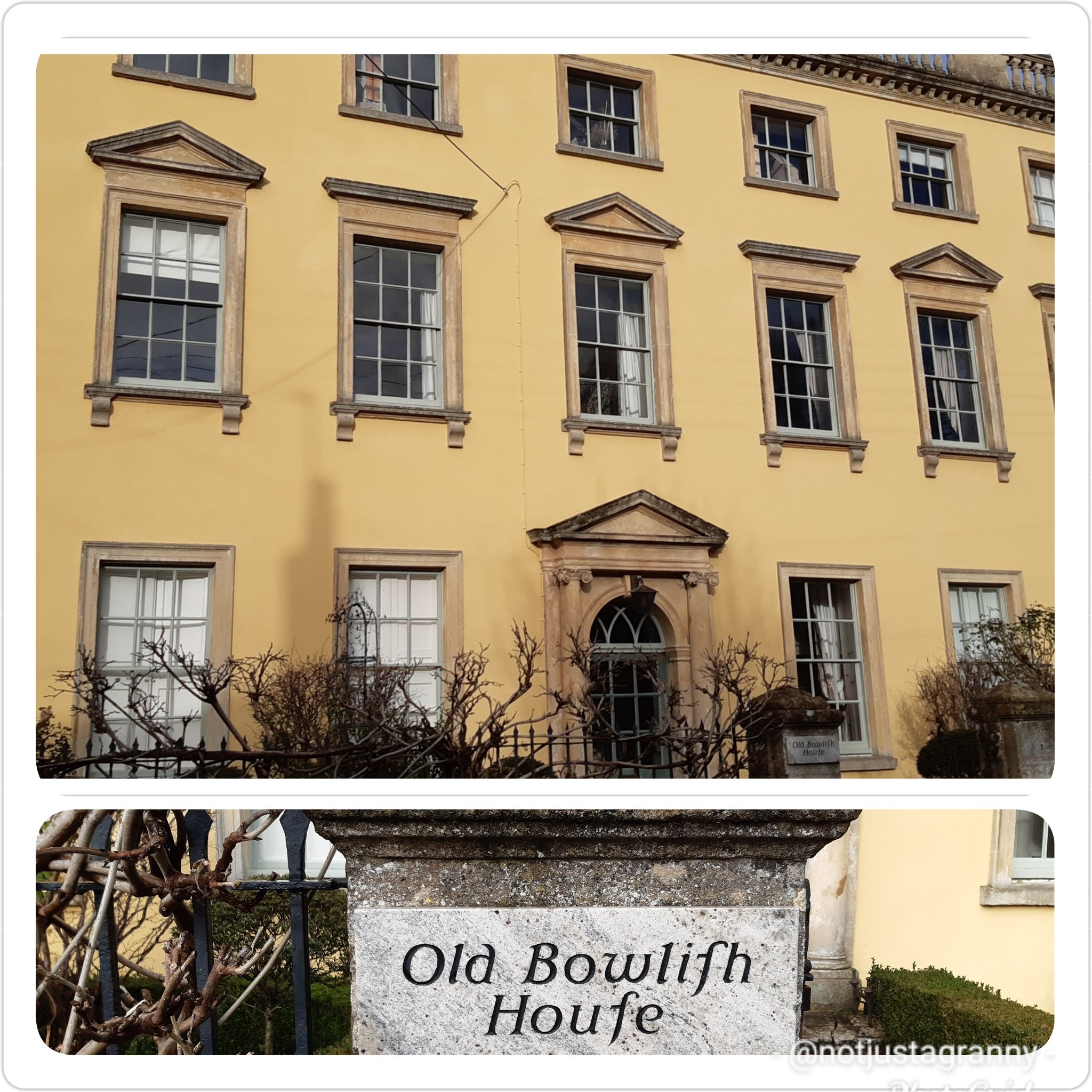
Old Bowlish House : I was delighted to note the old English spelling…first house name I’ve ever seen in old English. Built around 1618, this Grade II* clothier’s mansion was modernised by the Georgians c.1735 and the Victorians c.1860.
Old Bowlish House – note the old English spelling
Downside House – Georgian House 5 bedrooms 3 bathrooms…I’ll have one of each 😃
Downside House
exciting finds, although I’m pretty certain there were quite a few more dotted about. After all, in its past, Shepton Mallet used to be a very wealthy town built on the wool trade
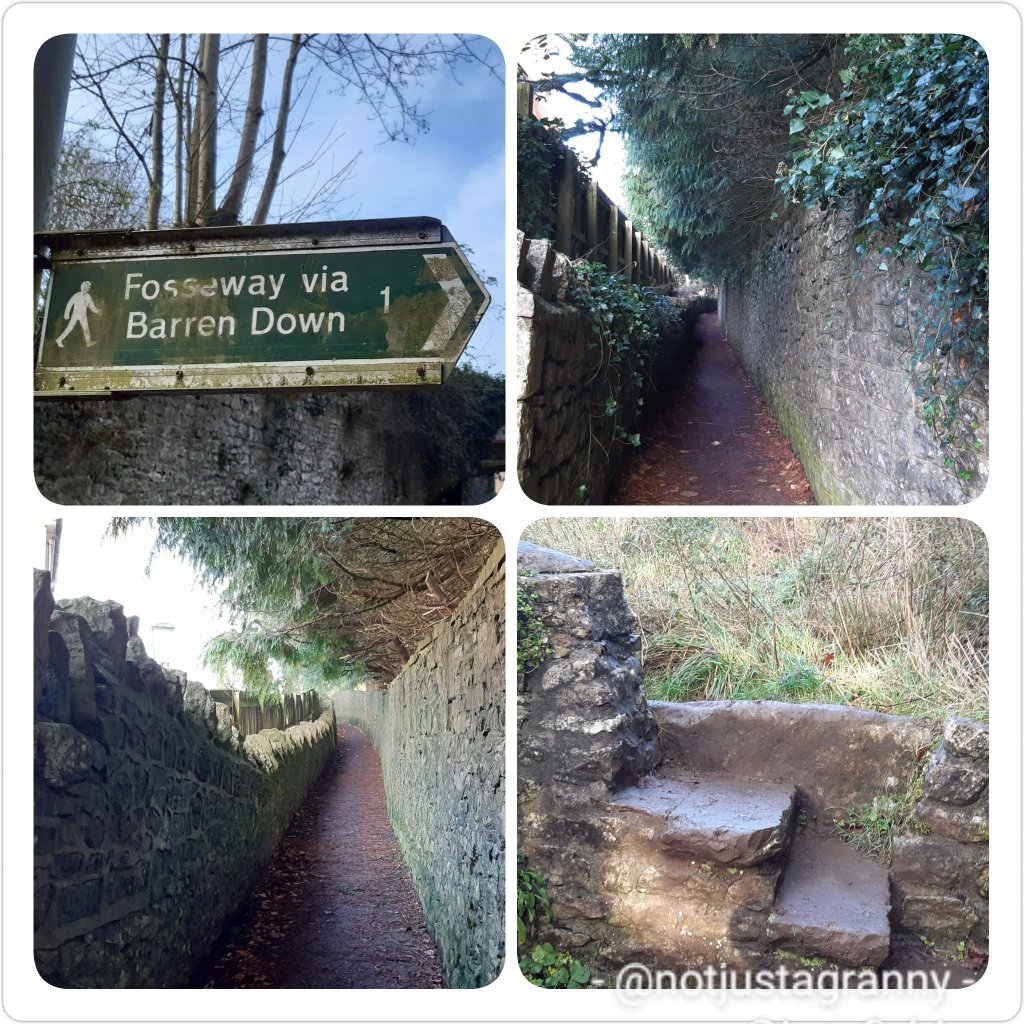
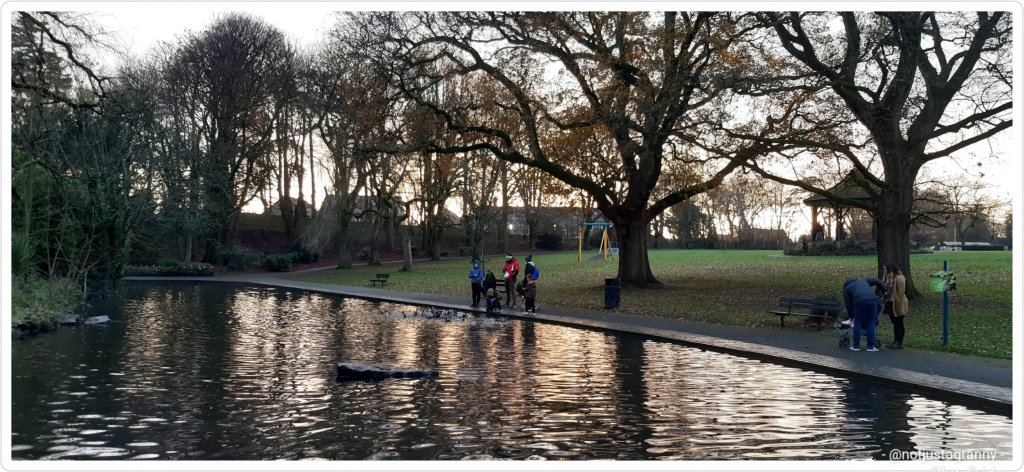
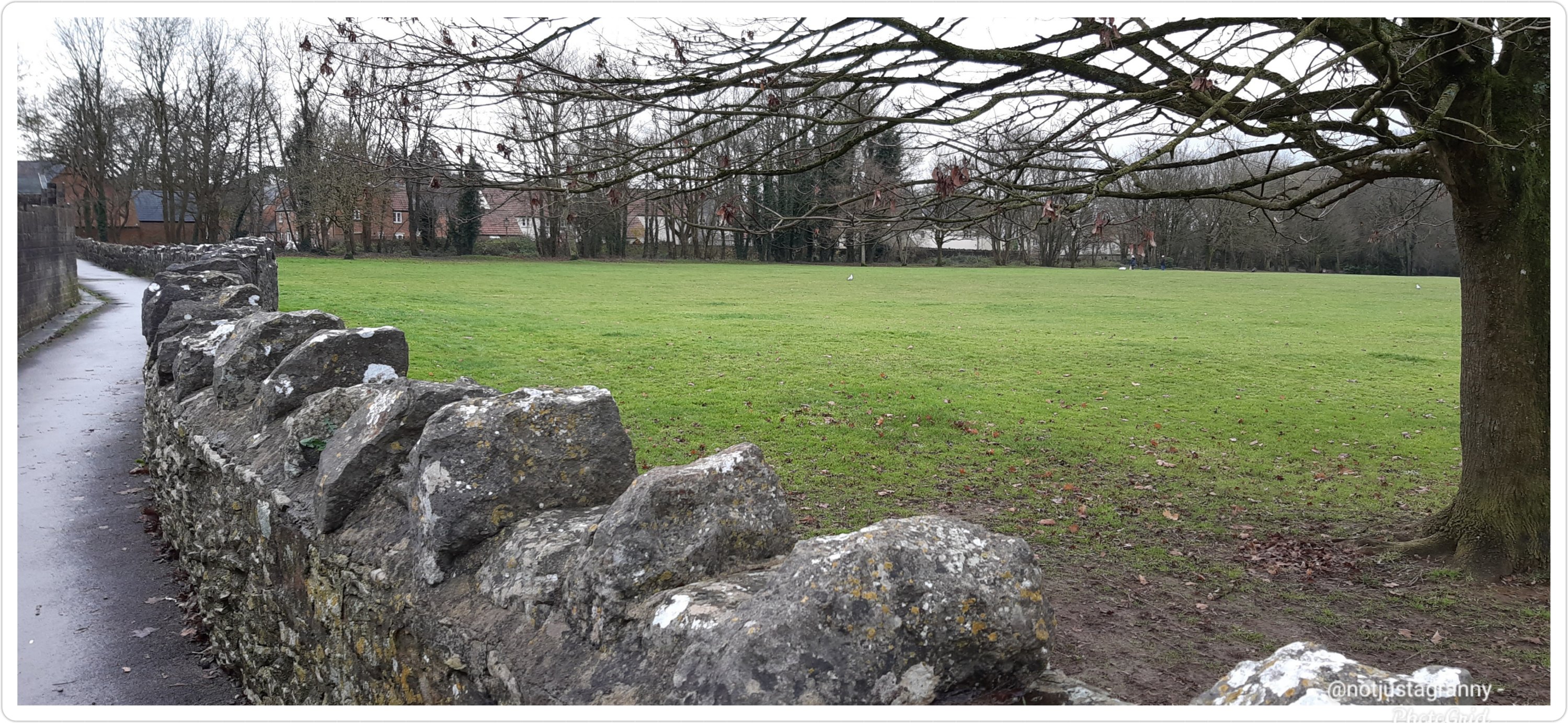
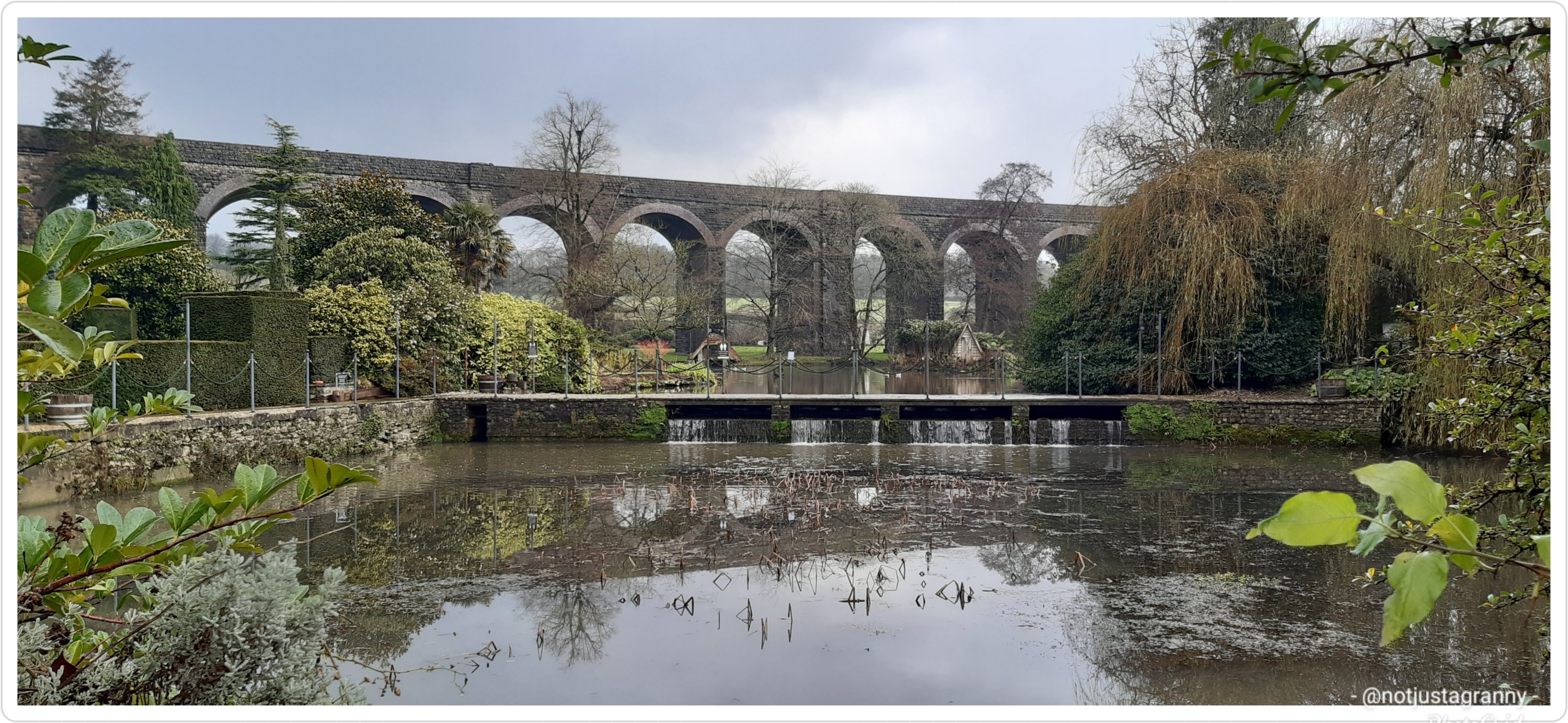
I found and walked a small section of the Roman Fosseway, and explored the greater countryside, walking many sections of the East Mendip Way. I discovered the wonderful viaducts, one of which carried the old railway – now disused. I explored the beautiful Collett Park and stretching myself I walked to Downside, Bowlish and Ham Lane.
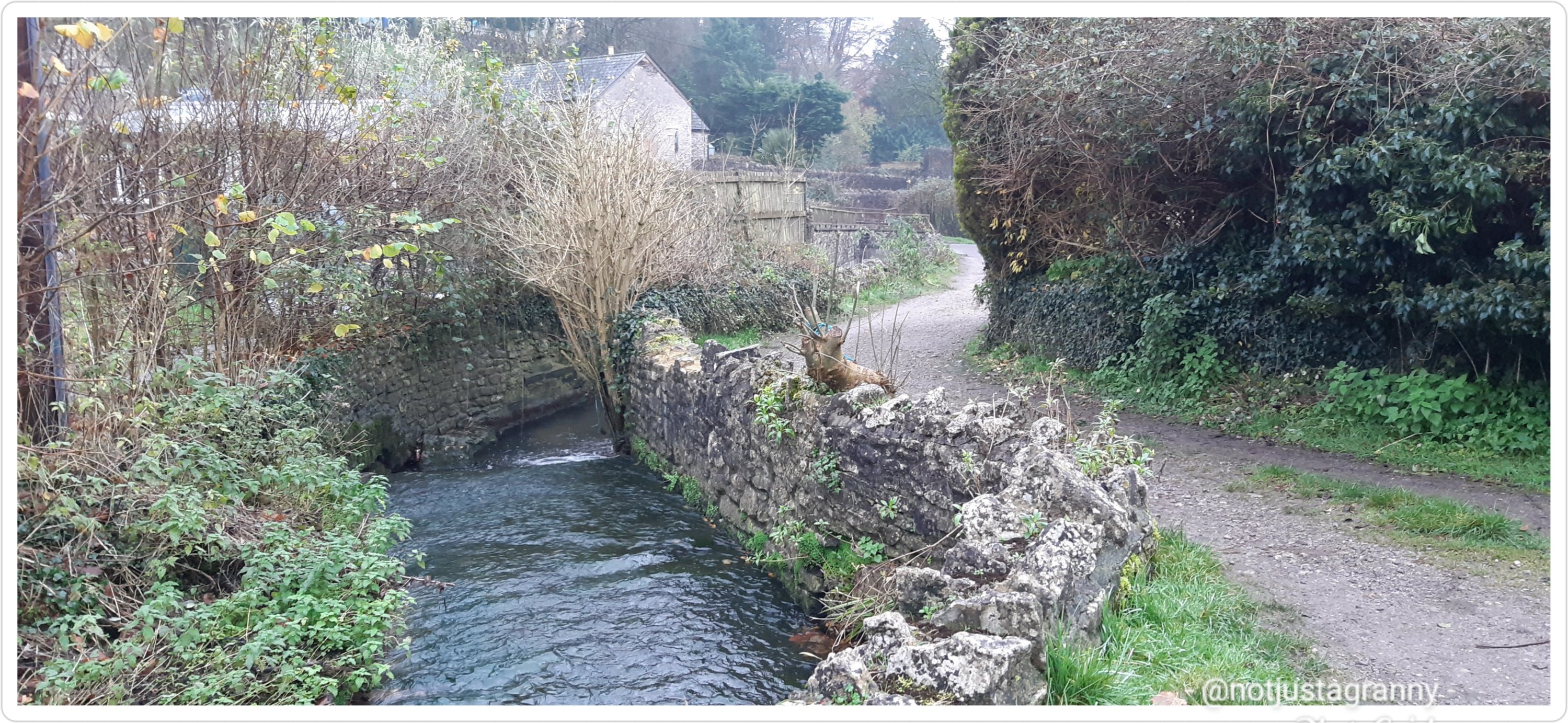
Fosseway Exploring Shepton Mallet – Collette Park Collette Park Collette Park Viaduct on the Kilver estate The River Sheppey at Bowlish
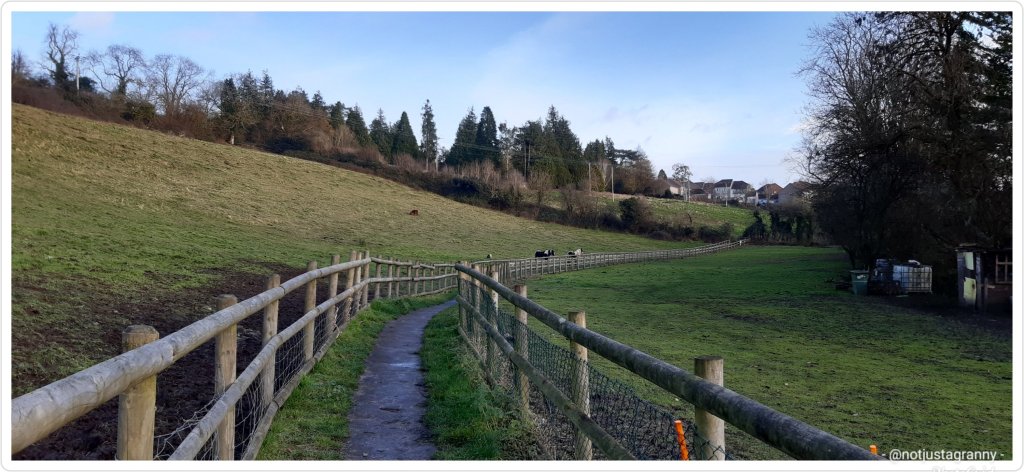
I squelched along muddy public paths, slipping and sliding and climbed some interesting stiles 🤪🤪🤪 One of my favourite sections was between a steep field and the small holdings along the River Sheppey where I met lamas, horses, goats and chickens.
This was my favourite stretch of the walksHelloooo
I walked along narrow roads and lanes and prayed that the tractors that had left their treads in the mud right at the absolute limits of the lanes, didn’t decide to come either up or down the lanes while I was walking along…they didn’t. Whew! I would probably have had to either climb under or over …or resort to climbing into the hedges that towered along the sides.
Narrow roads and wide tractors. ..
I managed to find many items of interest after all…I thought my options were out, but no.
Some houses had little plaques remembering past residents who went off to war and never returned
Exploring Shepton Mallet
Exploring Shepton Mallet
Exploring Shepton Mallet
Exploring Shepton Mallet
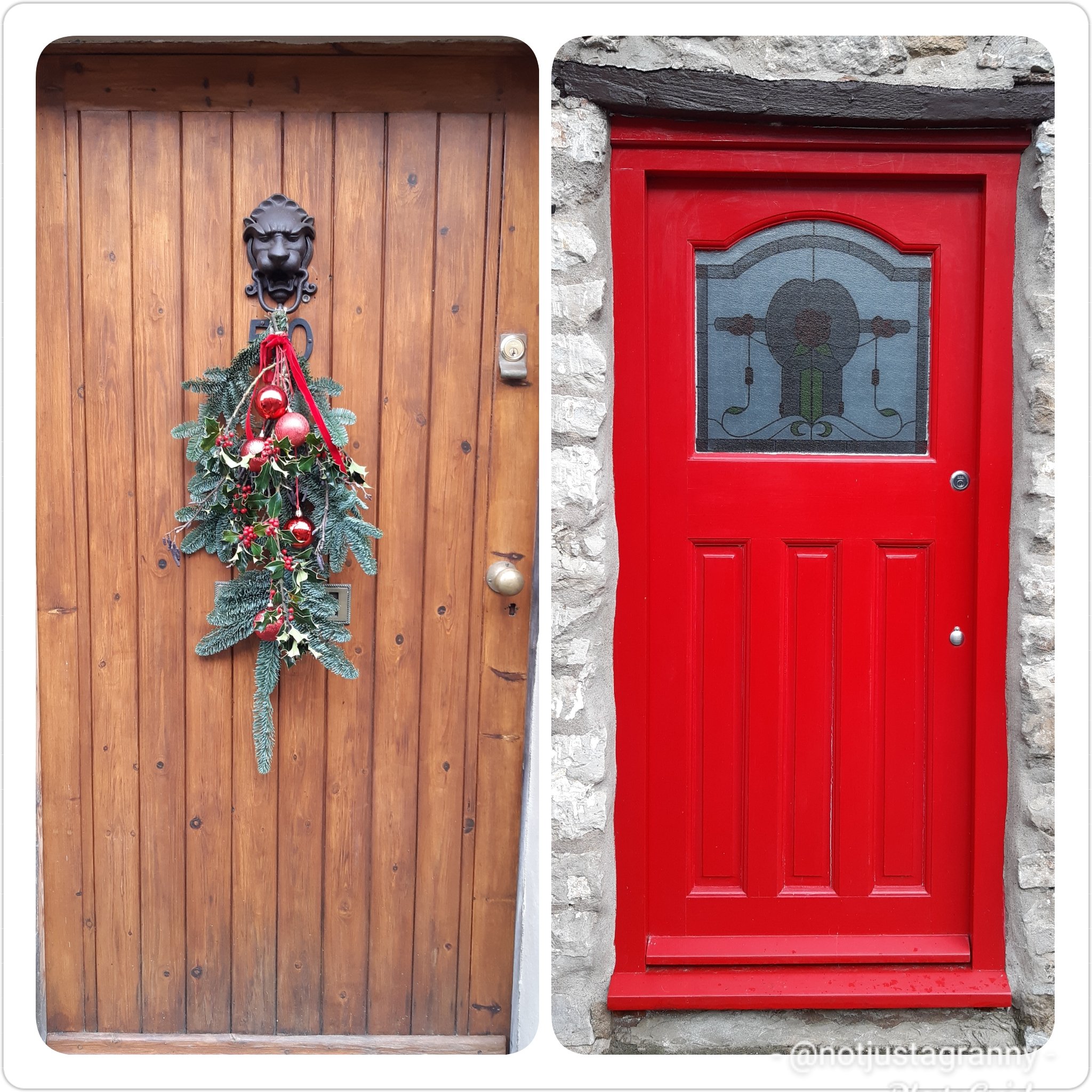
Lots of interesting doors
Although the architecture is mostly solid grey stone
A dilapidated house Literally falling apart
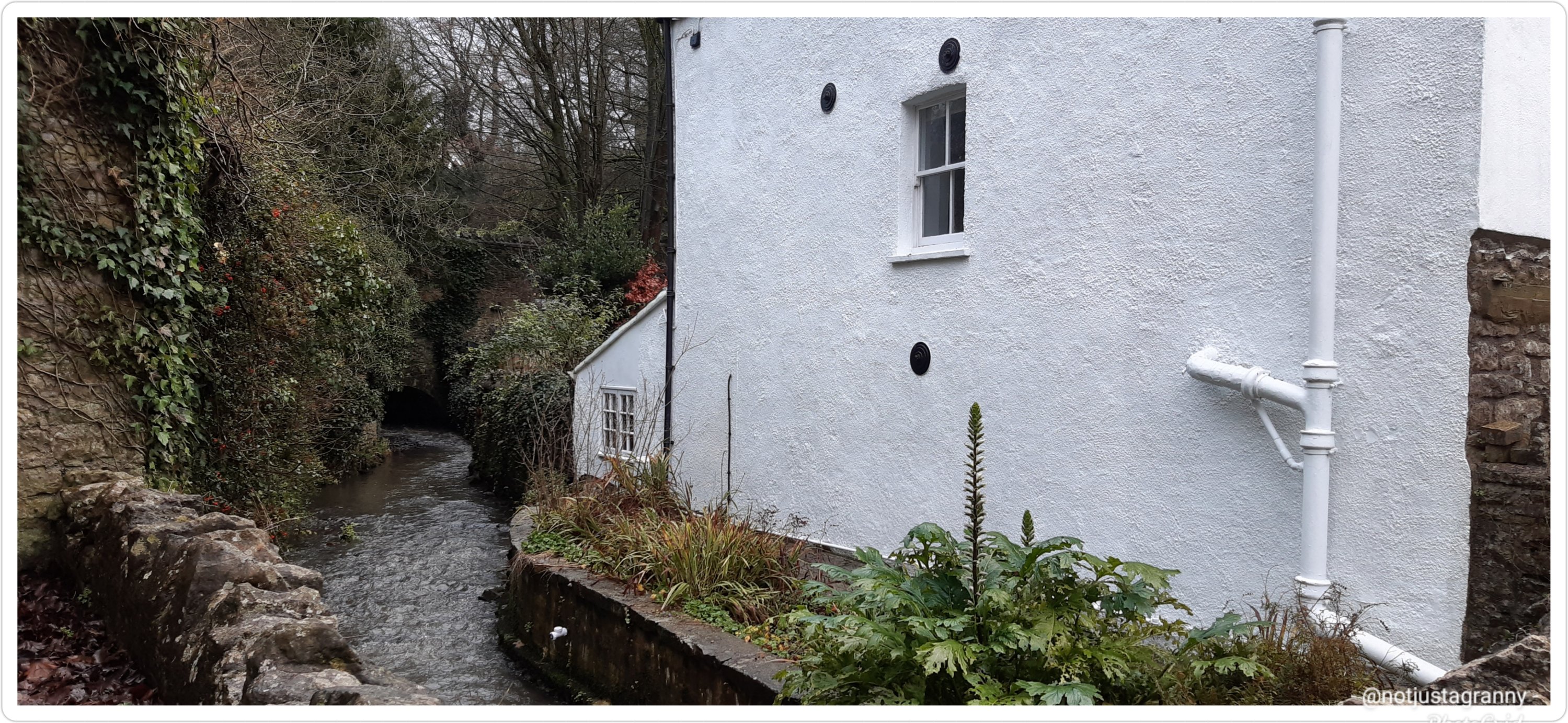
I did find some older painted houses, albeit peeling and covered in mould….the reason for the stone houses was more apparent. The town is mostly located in a very deep wedge between hills, the Mendip Hills, and a great number of houses are built right on the rivers edge.
Mouldy peeling paint – note the crown decorationA river runs pastSame section of the river This house is also built right on rivers edge next to the FossewayAn optical illusion- on Cat Ash the houses are actually adjacent
I found what used to be a Priory
The Priory exterior The Priory interior
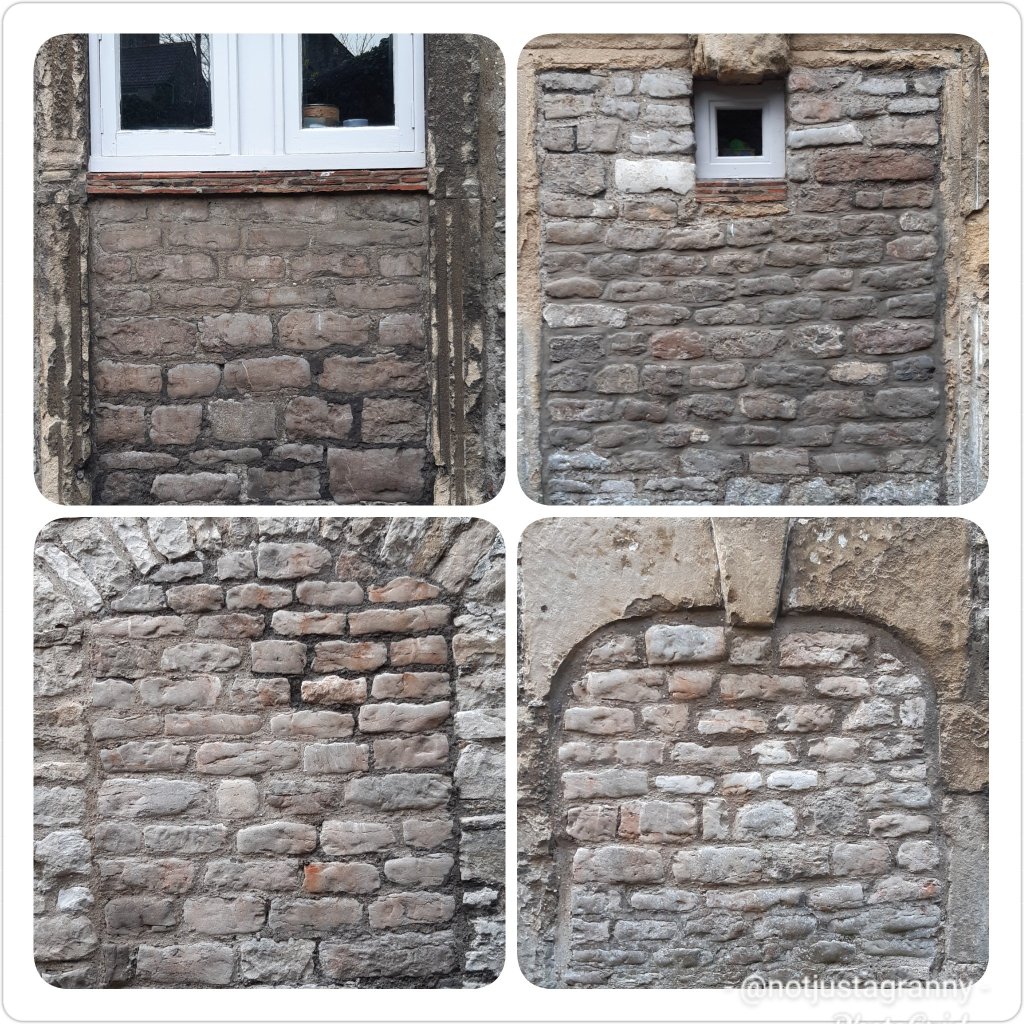
I’m totally intrigued by the bricked in doors and windows of many of the older houses, and am curious to know when and why they were sealed off.
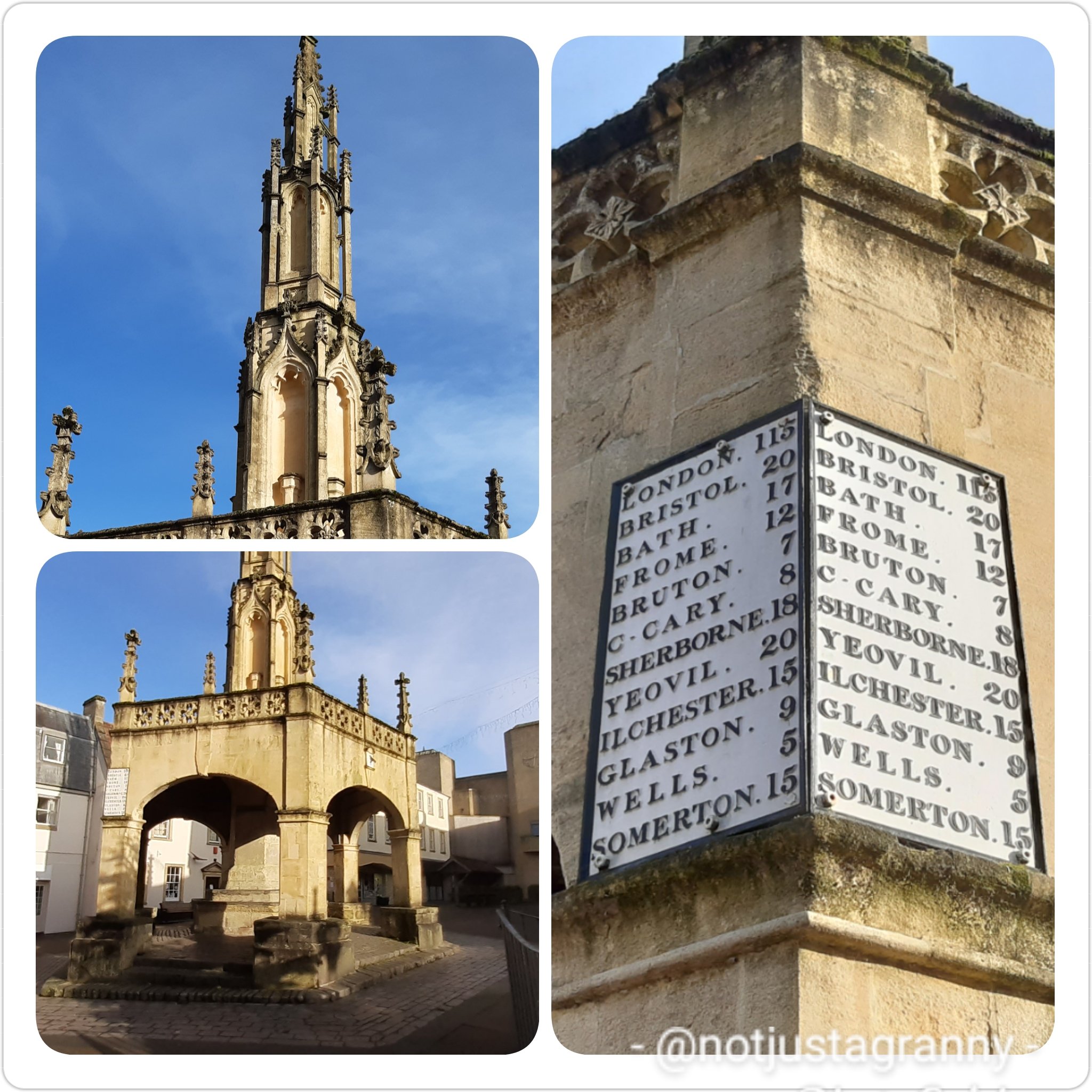
The church was beautiful albeit locked so I never got to go inside 😔 and the market cross is beautiful
Church
Market Cross
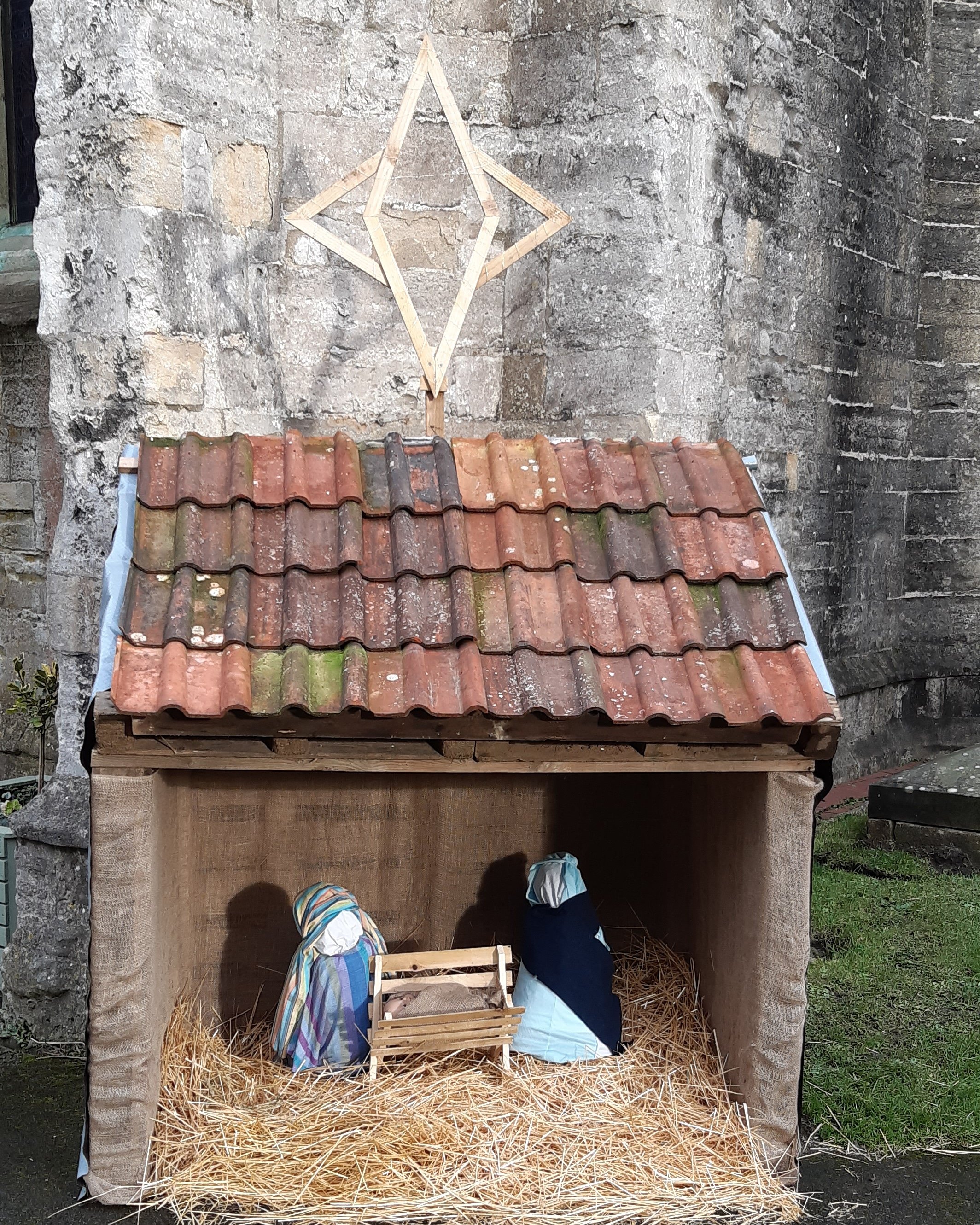
A sweet Nativity scene
And after yesterday’s walk and 2 weeks of indoor walking I’m now closer to my 2020 target of 2020kms. Hoorah. It looks like I may just reach my target by 31.12.2020
As usual, saying goodbye to the pets is sometimes the hardest part of leaving
And so ends my sojourn to Shepton Mallet. Its been quite a stressful job, and I’ll be glad of my 48 hour break before starting all over again on Monday in Croydon 🤪🤪 thankfully only 9 days….
At the moment I’m in transit, first train and nearly in London ….1 tube ride, the HS1 to the coast and a taxi ride away from the Airbnb where I’m staying this weekend.
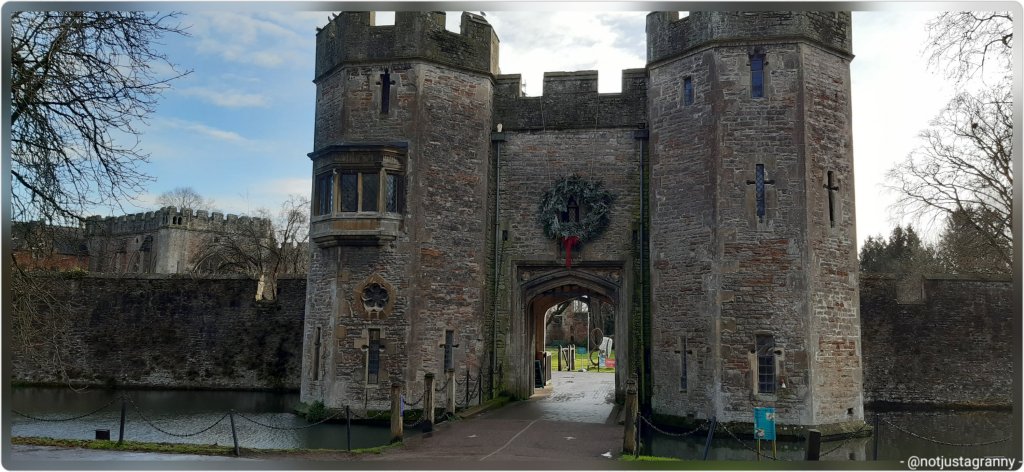
Unexpectedly, I had the opportunity to visit Wells last week. What a delight. The weekly market was in full swing and people bustled about buying Christmas presents and savouring the delicious aromas that wafted through the air. I saw some amazing wreaths and was tempted to buy one, except I have nowhere to hang it, and a 6 hour journey to the Thanet coast on Saturday.
I loved this wreathAutumn colours are perfectly suited for winter wreaths Celebrating an Olympic Champion; Mary Bignall Rand, Gold medallist Long Jump 1964Built around 1450. Here beggars used to ask for pennies Penniless Porch, Wells, Somerset
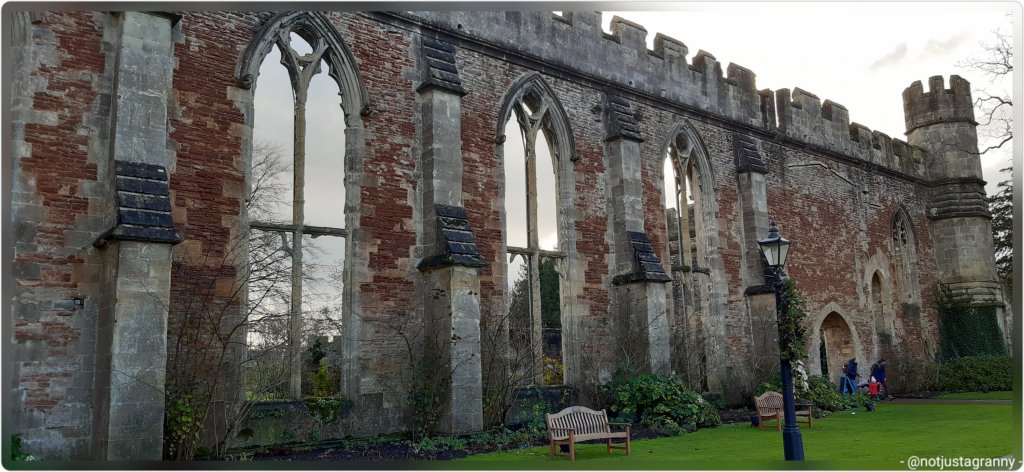
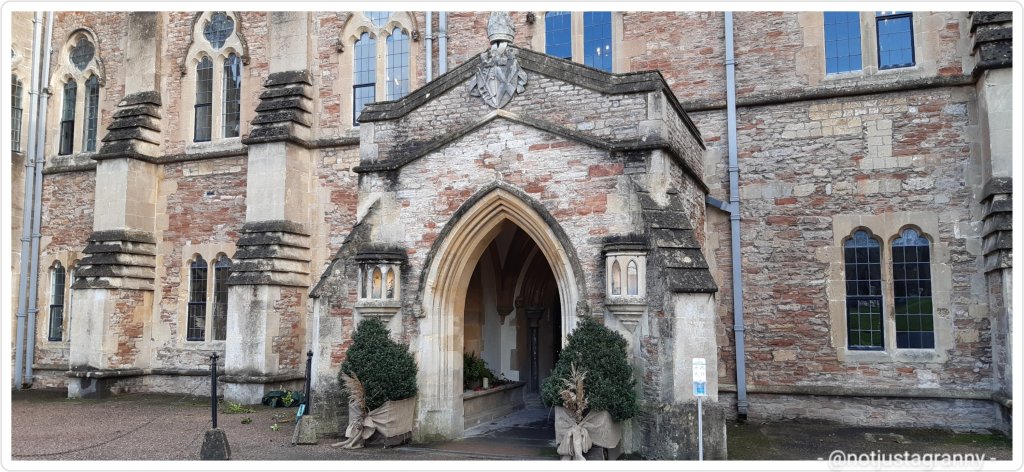
I had 2 hours to explore and made the most of the time…..and spent most of it in the Bishop’s Palace 😁😁 which left me with 10 minutes to visit the cathedral. Fortunately we’re going back later this week so I can have a proper visit.
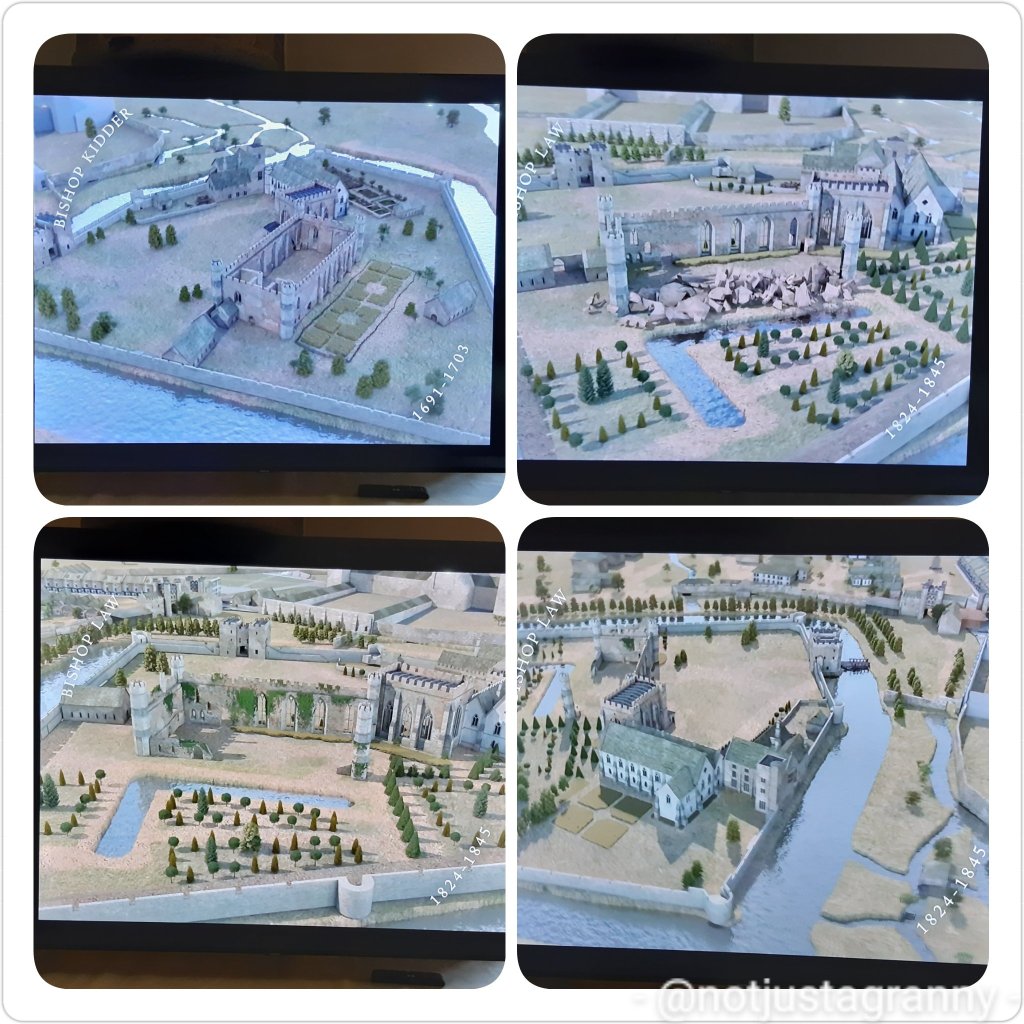
Layout of the Bishop’s Palace Entrance to the Bishop’s Palace
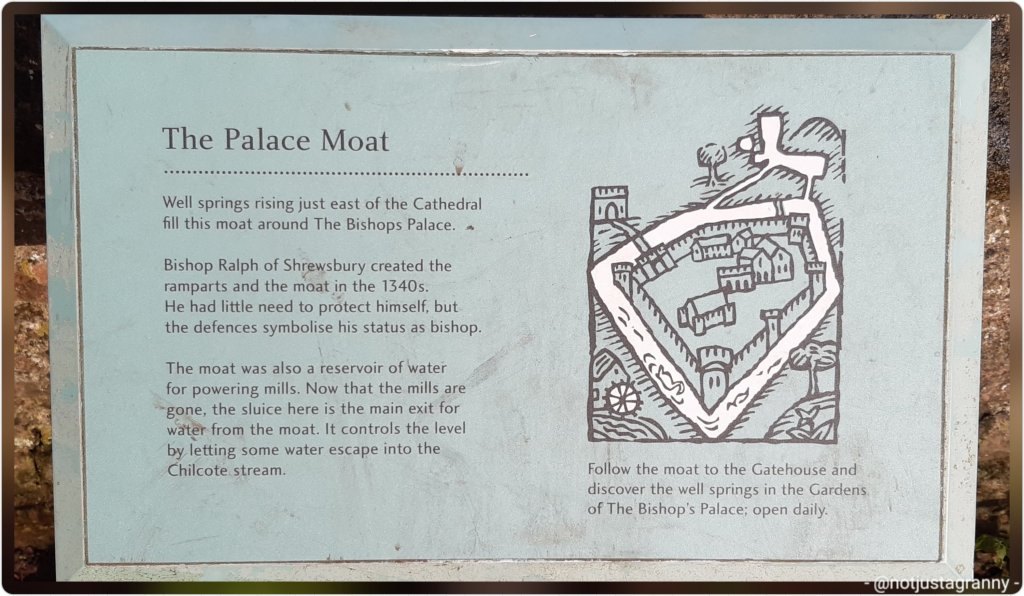
Home to the Bishops of Bath and Wells, the palace, founded in 1206, has been the Bishop’s residence for more than 800 years. The great medieval bishops – Jocelyn, Burnell, Ralph of Shrewsbury, and Beckynton – developed their palace next to the city’s ancient wells. For centuries, water flowing from these wells has shaped the landscape; the buildings and the gardens of this site.
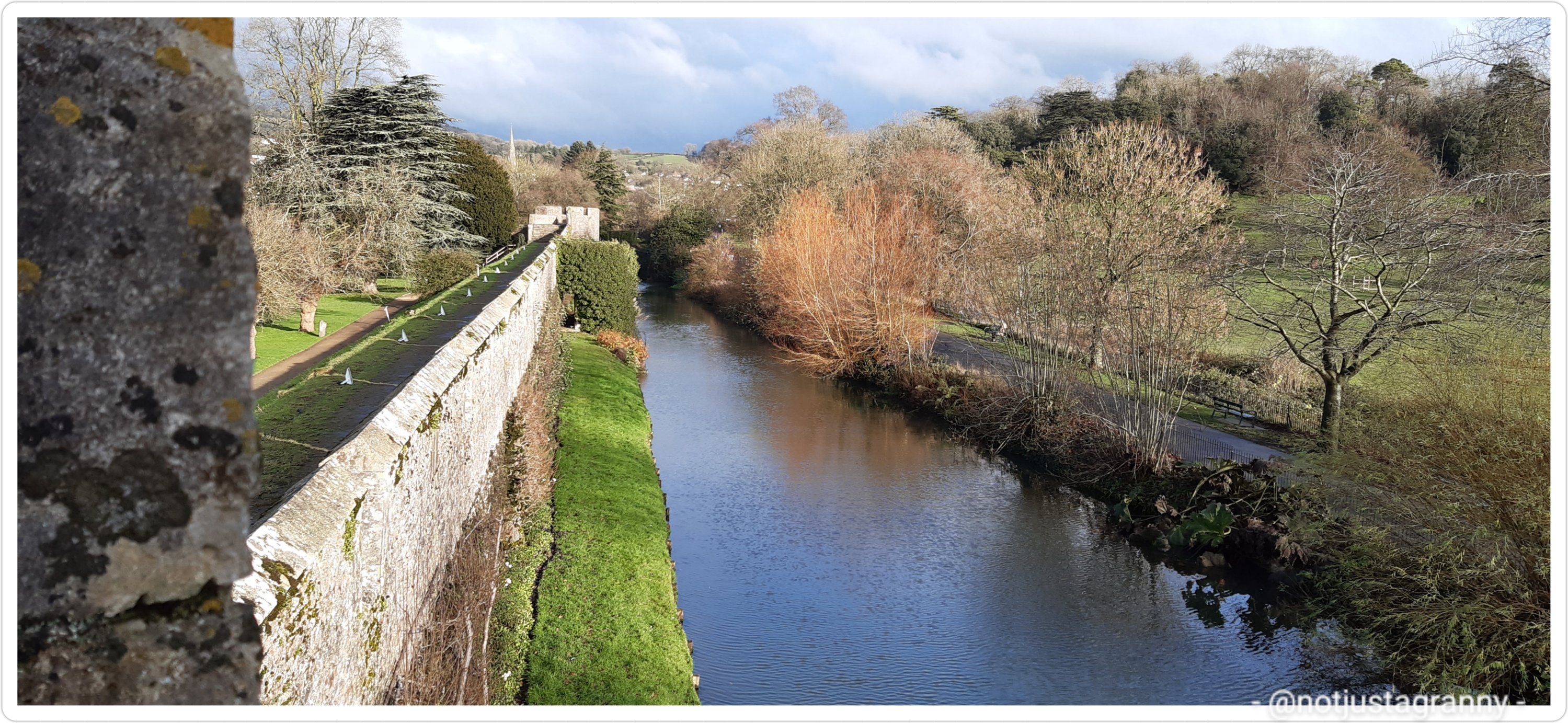
Entrance to the palace rooms Along the ramparts
Wells, a cathedral city, located on the southern edge of the Mendip Hills, has had city status since medieval times, due to the presence of Wells Cathedral. Often described as England’s smallest city, it is actually second smallest to the City of London.
Wells takes its name from 3 wells dedicated to Saint Andrew, one in the market place and two within the grounds of the Bishop’s Palace and cathedral.
Moat, boats and birds
A small Roman settlement surrounded them, which grew in importance and size under the Anglo-Saxons when King Ine of Wessex founded a minster church there in 704. The community became a trading centre based on cloth making and Wells is notable for its 17th-century involvement in both the English Civil War and Monmouth Rebellion.
Wells was listed in the Domesday Book of 1086 as Welle, from the Old English wiells, not as a town but as four manors with a population of 132, which implies a population of 500–600
Over the years
William Penn stayed in Wells shortly before leaving for America (1682), spending a night at The Crown Inn.
I had a wonderful time exploring the Bishop’s Palace and am looking forward to seeing the Cathedral more fully on Thursday.
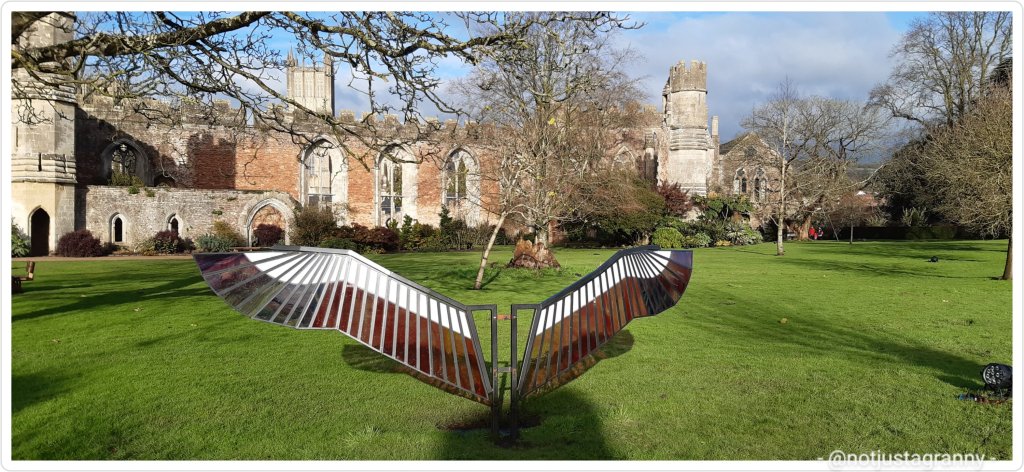
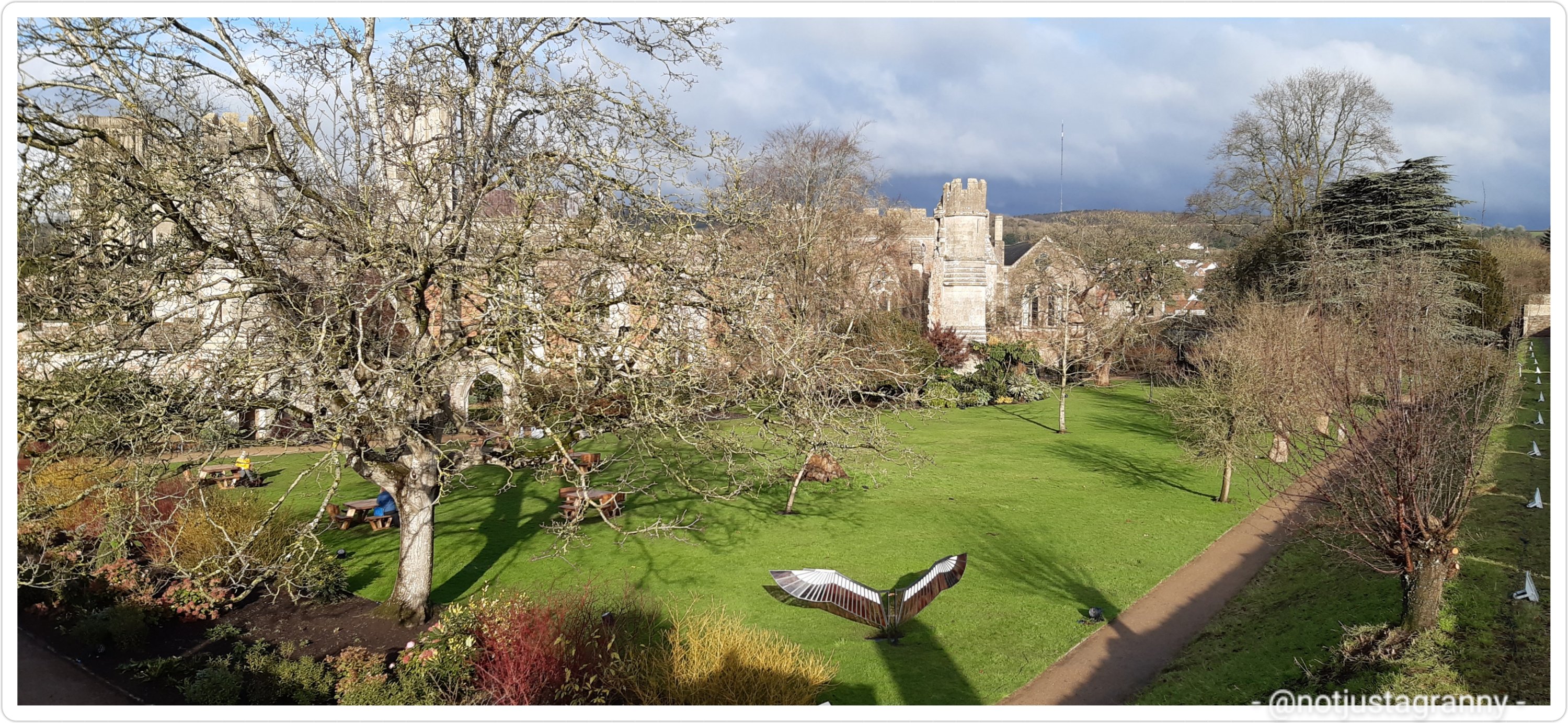
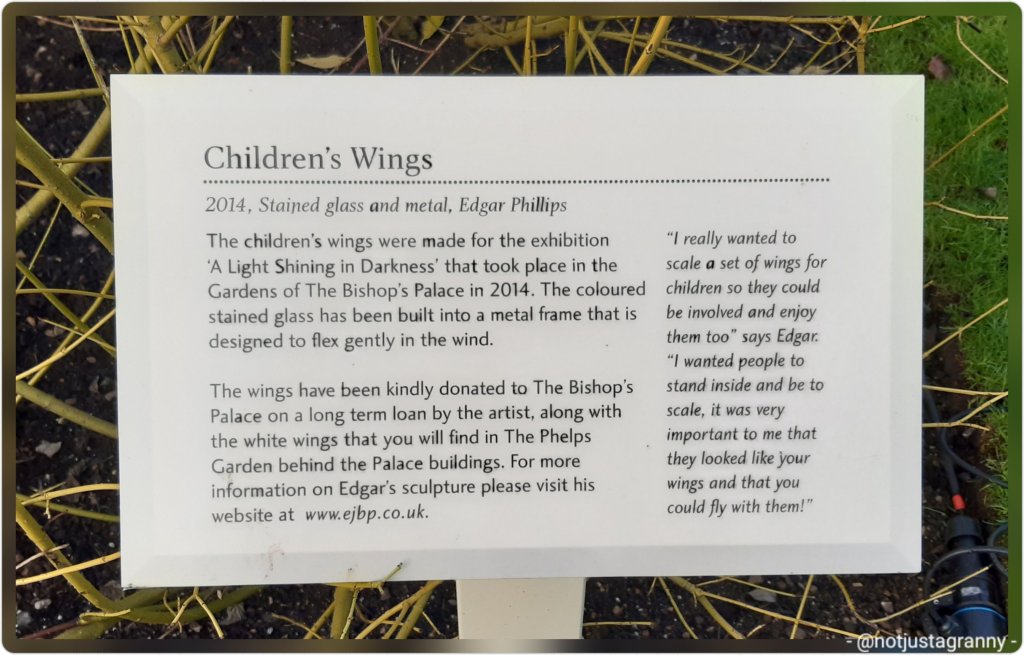
Children’s Wings
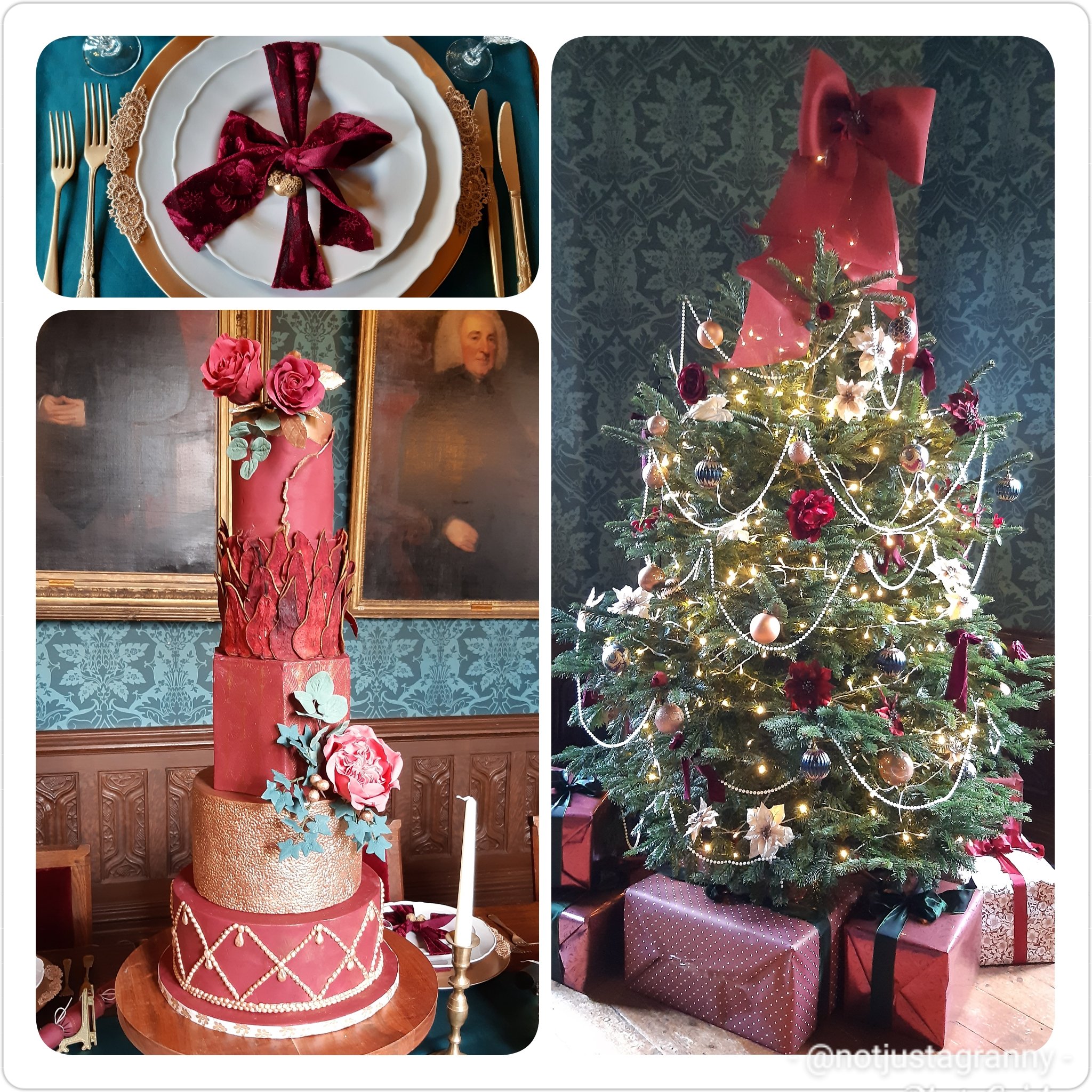
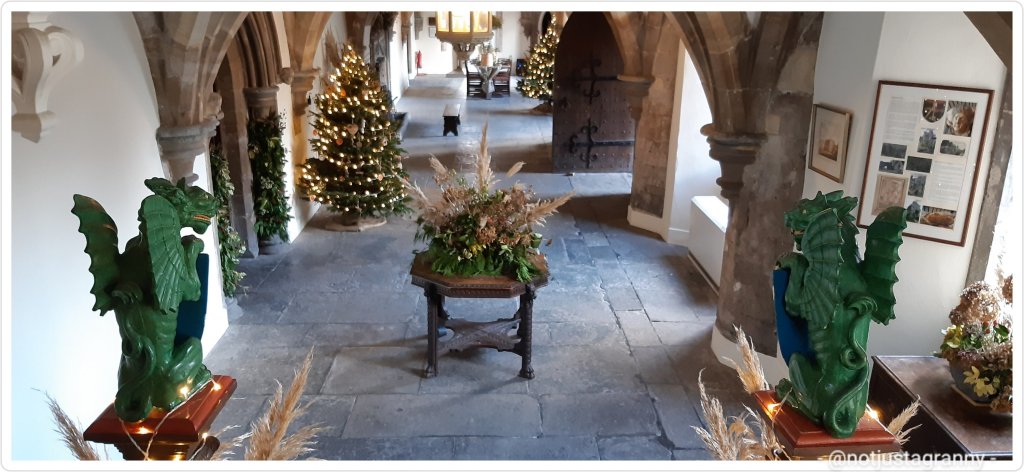
Inside the Bishop’s Palace
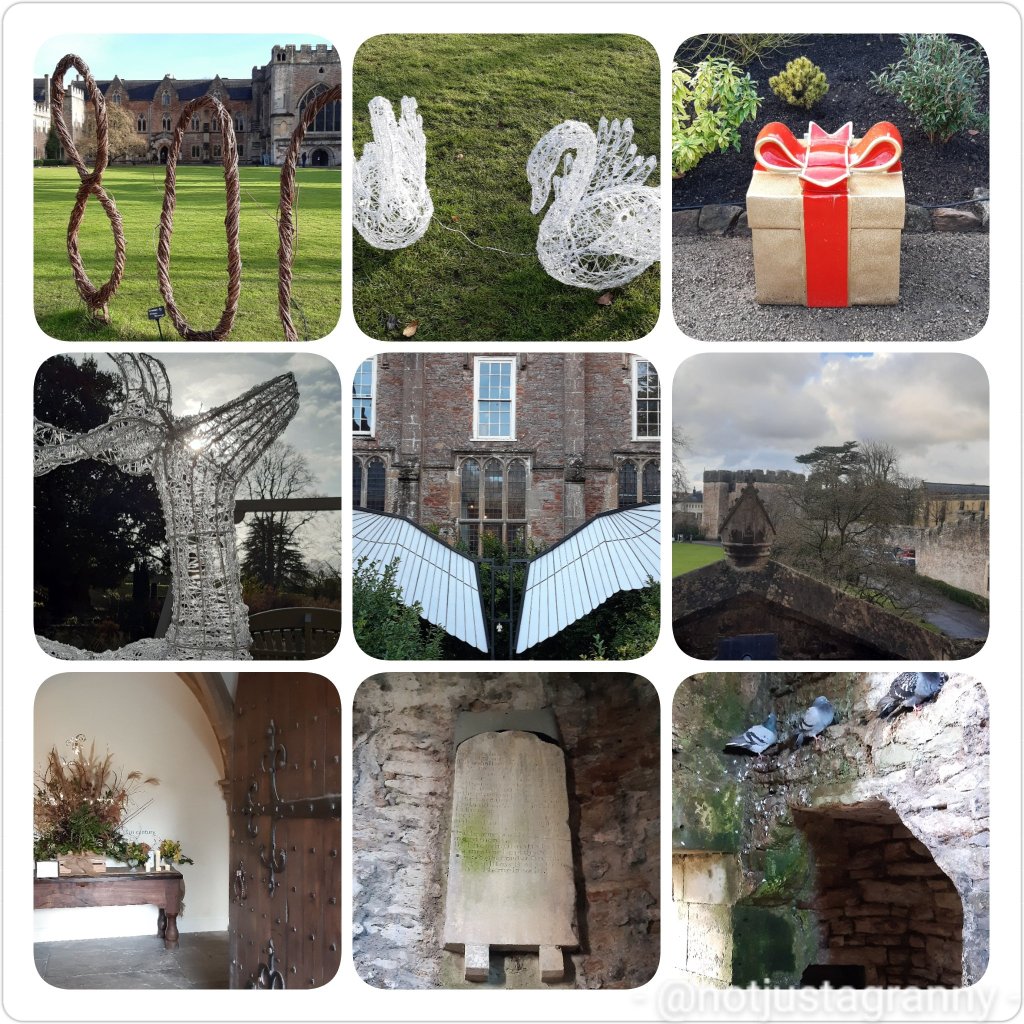
The Coronation Cope worn by Bishop Kennion at the coronation of King Edward VII in 1902He assured me that I’m on the ‘good’ list 🙃🙃The entrance hall from the stairsThe chapel windows A compilation of the chapel Scenes from the gardens
So thankfully I start a new assignment today. I was beginning to panic just a bit.
But the agency finally came through and I’m on my way to Somerset to a town called Shepton-Malett, which to my delight is a Domesday Book town.
I’m looking forward to exploring 😃😃
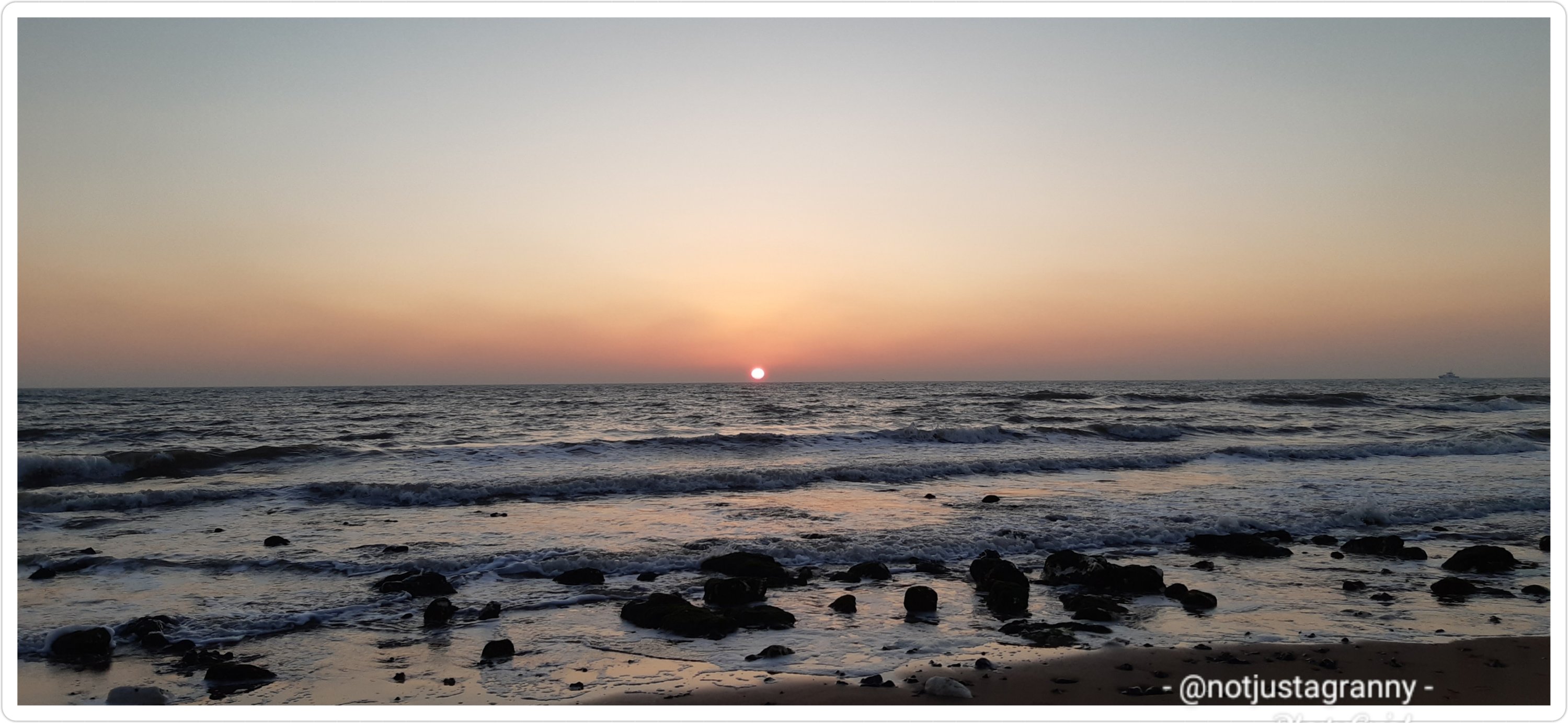
Unfortunately it means that I can’t get out for sunrise walks for the next 2 weeks, so I made sure I got out this morning….and it was stunning. A gorgeous day for walking with clear skies and mild temperatures.
Spectacular lightshow at 06.45amStunning colours reflecting on the wavesGood morning sun 🌞
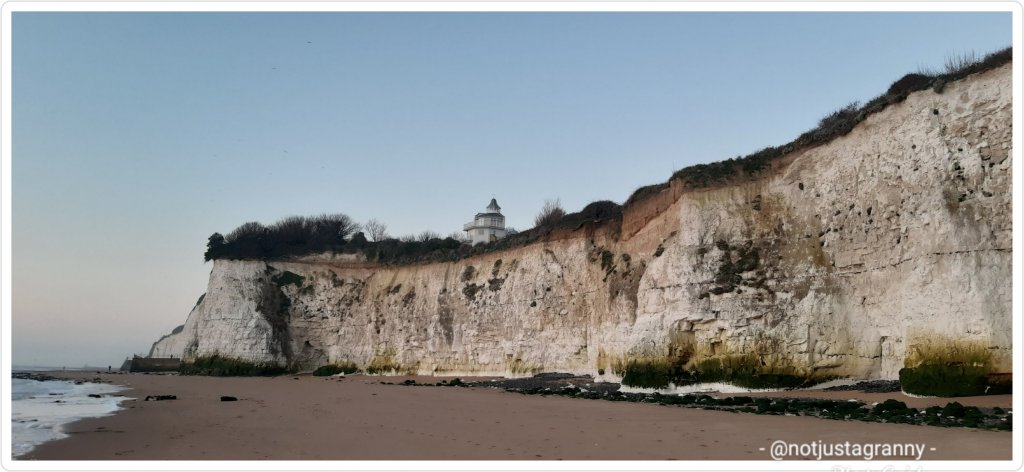
I walked as far as Dumpton Gap and back to the harbour chasing the incoming tide.
The tide was well in at Dumpton Gap
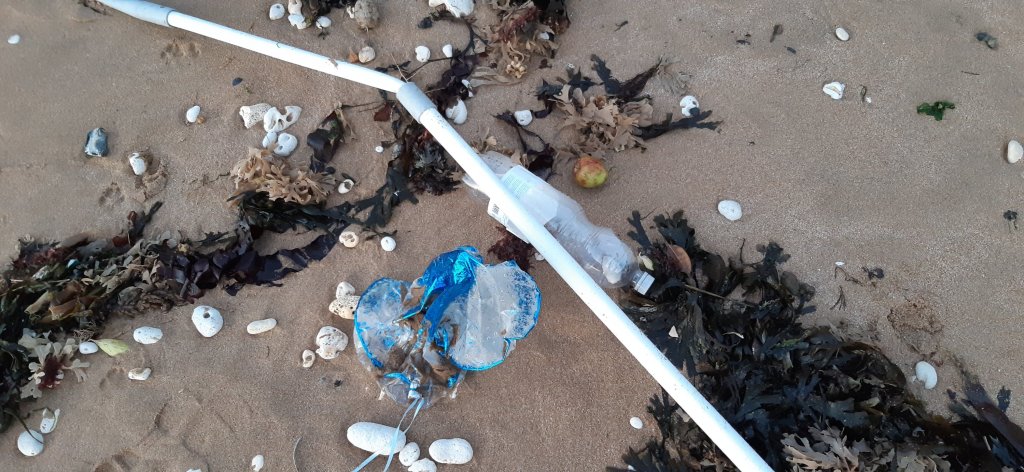
As with yesterday’s walk I collected 6 big pieces of trash that would otherwise have ended up in the ocean.
Besides these, I picked up a big plastic container and 2 other water bottles
I’m going to have to get back to carrying bags and gloves with me again…there was so much more I could have picked up but no means of carrying the stuff 😔😔😔
From yesterday
I was also attacked by a bloody dog again that despite the owner trying to grab the damn thing, jumped up and tried to get to my face. It took the owner a good few minutes to get the dog on a leash. My verbal commentary was not very polite. I truly wish people who own dogs would just train the damn animals. Thankfully it was a spaniel so not very big or my face would have been slashed. As it is I could smell its breath it came that close 😠😠😠😠 I did manage to wallop the animal with my stick which gave it pause, but as soon as I moved it went for me again.
Ultimately I managed to move off without much more than my trousers muddied. But seriously….
The tide really does encroach pretty quickly, which cut off part of my route along the beach.
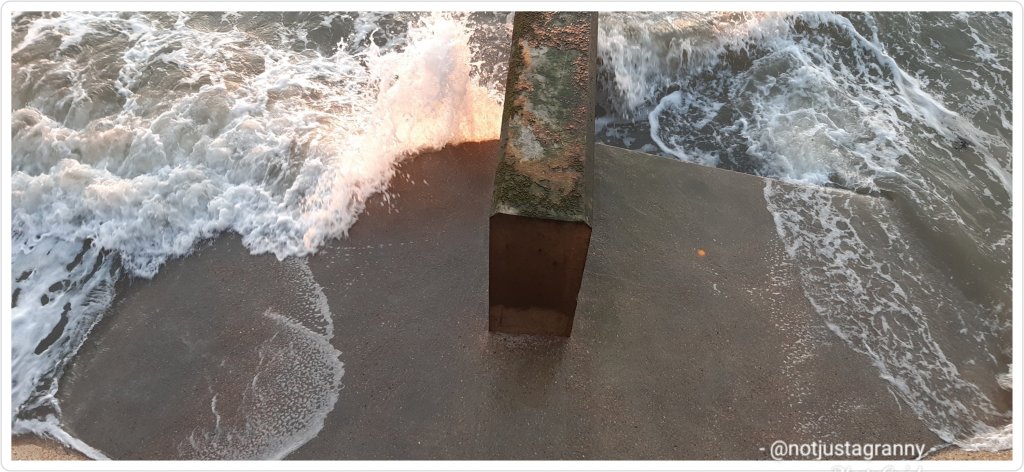
On my way out I walked over this concrete slab.. a bit cut off on the way back…🤪🤪 thanks be for the promenade
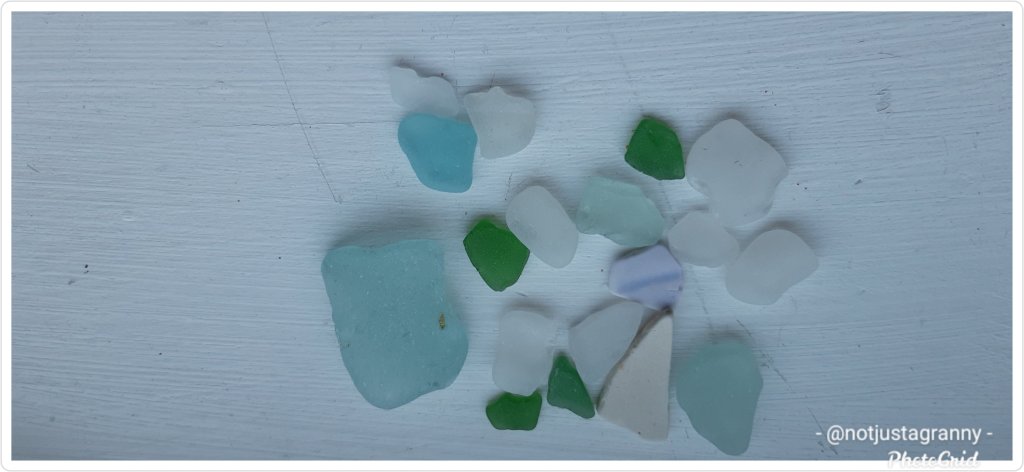
A lucky morning; I found a real bounty of coloured and white glass pieces on the beach. Yesterday yielded only 2 pieces, today I found loads, especially of the dark green glass that is so beautiful.
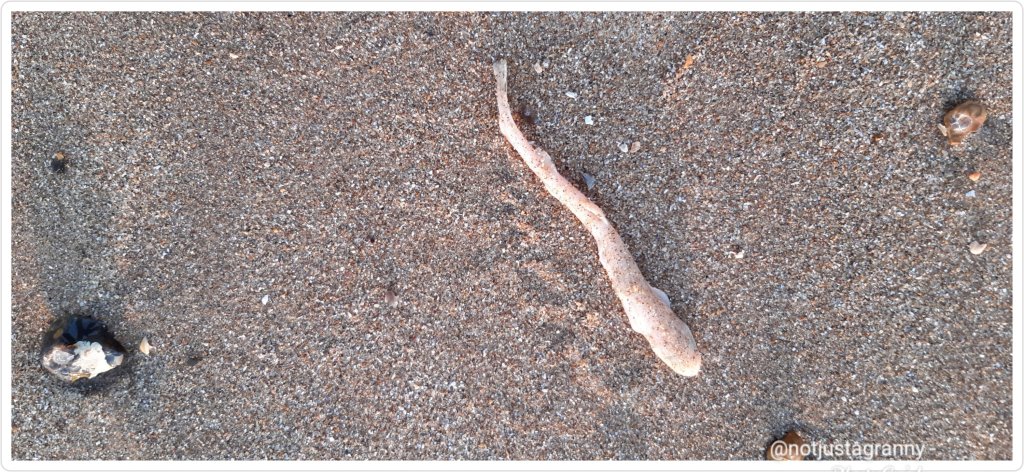
I really do love that house…the views of the sunrise must be amazingI cannot resist taking a photo every few minutes, it just is so beautiful. I love how the colours reflect off the waves on the beachI saw another dead shark/dog fish on the beach, a tiny baby this time 😔😔 I do wonder what is killing them…probably the pollution
A magical walk and I’m so glad I made the effort. My kms are adding up, and the deficit going down 🚶🏻♀️🚶🏻♀️🚶🏻♀️👏👏👏
After such a beautiful morning at the coast, clear skies and mild weather, imagine my surprise as we approached Canterbury on the train….the countryside is heavy with mist…looks amazing and I was wishing I had the time to jump off the train and take photos
A complete contrast to Ramsgate…not that far away.Totally spooky 👻👻
My next post will be from Somerset. I’m looking forward to exploring a new town.
I forgot to tell you about Lewes Castle!! How remiss of me. Only one of the most amazing attractions of the town..
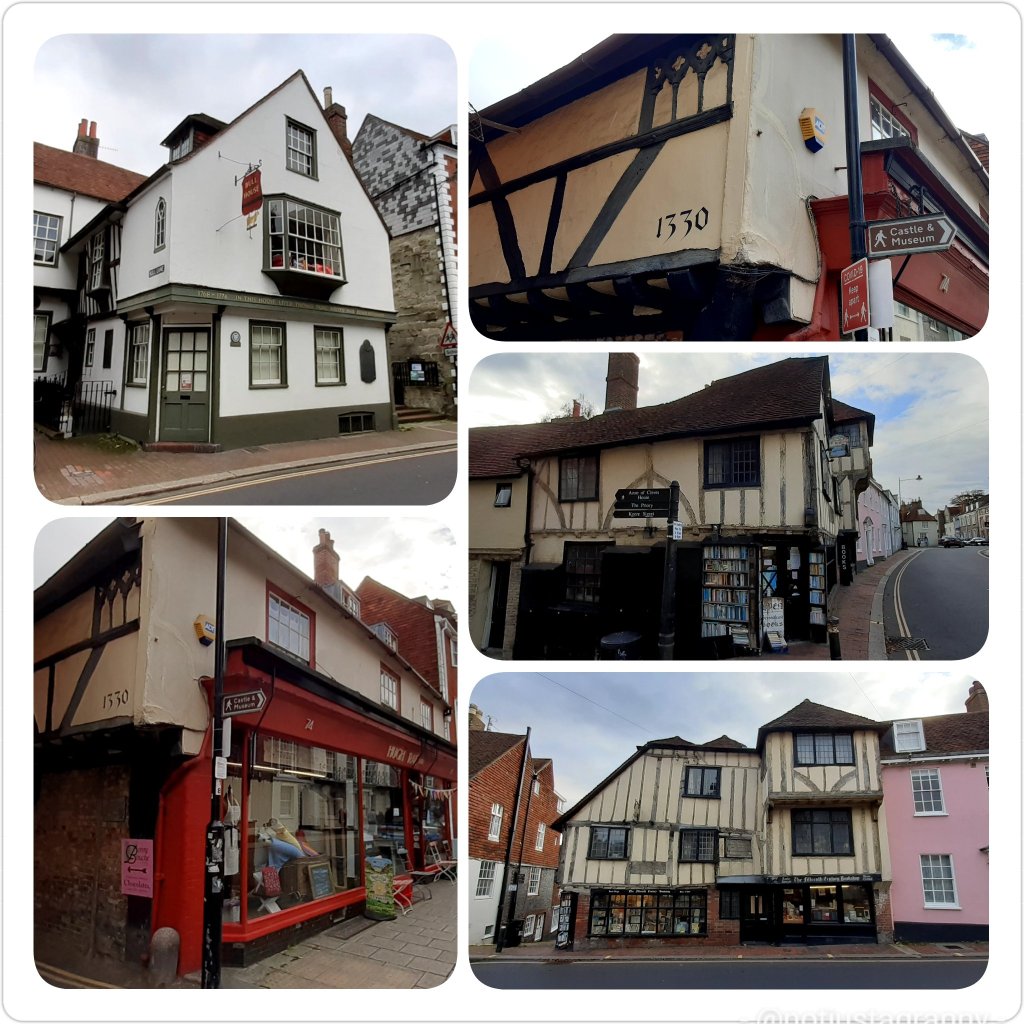
When I first arrived in Lewes my attention was drawn to the fantastic 14th and 15th century buildings in the high street and I didn’t even notice the castle….probably also because I was sitting on the left hand side of the taxi 😉 and despite what I used to tell my daughter, I don’t have eyes in the back of my head, so I missed it altogether.
And unusually for me…..as with Newhaven, I didn’t do my research prior to visiting.
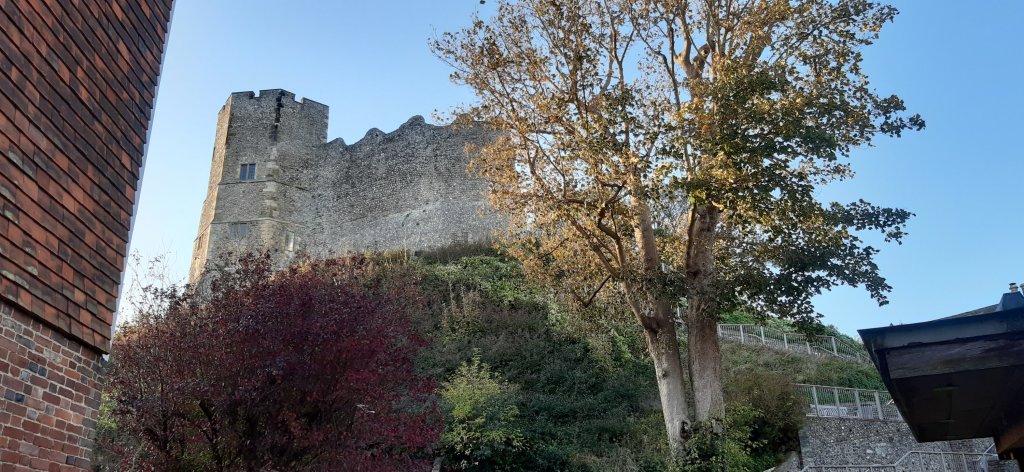
On my first Saturday here, during my break, I set off to explore and whoaaa, there’s a castle.
My first glimpse of Lewes Castle
But as mentioned in a previous post, I had neither mask nor money with me 🤪🤪 Never mind, I’ll come back next week (the castle is only open on Saturday atm due to Covid-19). But of course next Saturday was raining. So no castle.
However this Saturday last, I had to visit regardless of the weather because I leave Lewes on Friday.
Saturday dawned rainy and windy but with an occasional blue sky sunshine, so off I went. They have a really good system set up. You’re greeted at the door by a lovely lady who takes all your test and trace details, you sanitise your hands, then she sends you off on a one-way system through the museum first, after which you can buy your ticket for a visit to the castle. Ergo, the museum is free to visit (I think). And visit you must.
The museum is not large, 2 rooms downstairs and 2 rooms upstairs, but they have a most amazing set up depicting the history of the area and the many artefacts that have been found in Sussex. An intimate little museum with just enough information to read and look at without being overwhelmed. My favourite artifacts were the swords. Wowww.
I had a good read, took some photos, bought a few items from the gift shop for my grandson, paid for my entry and another lovely lady guided me across to the gate and let me in.
I love castles 🤎🤎 There’s a massive shortage of castles in South Africa and the only castle I’d had experience of before coming to the UK was Cape Town Castle which isn’t really, but is rather a fort with grand ideas masquerading as a castle. It also has a history as a prison and is still a symbol of European oppression. Although to be fair, I guess most castles here have the same sort of background.
Anyway, back to Lewes Castle…
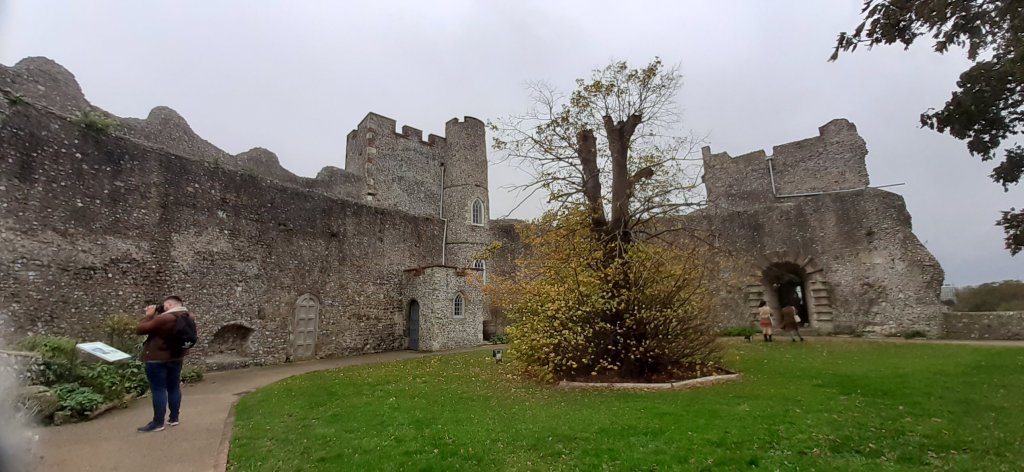
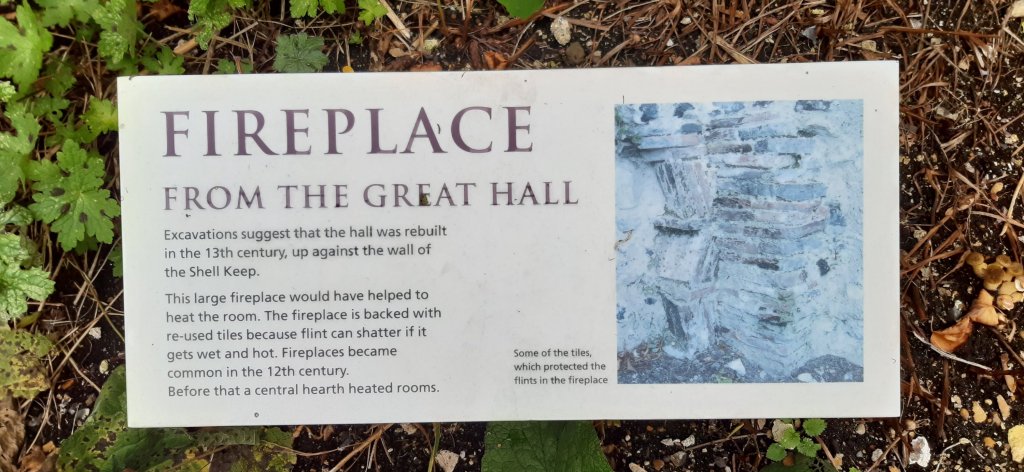
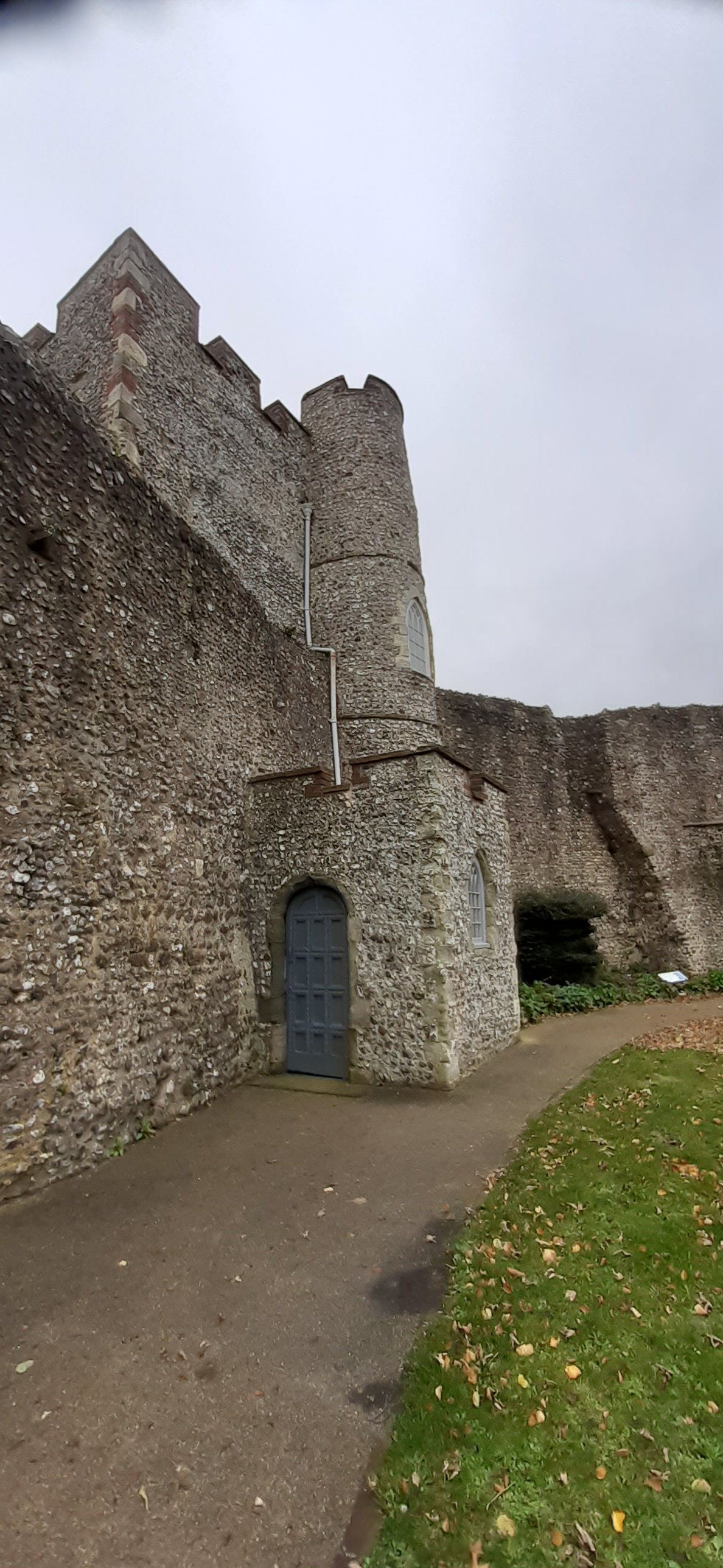
Like many castles today, this too is just a shadow of its former glory, but its fabulous. I climbed innumerable stairs to the top, sadly not the very top of the towers, which is where I really wanted to go, but the remains of the Great Hall will have to suffice.
Dozens of stairsThe Great Hall
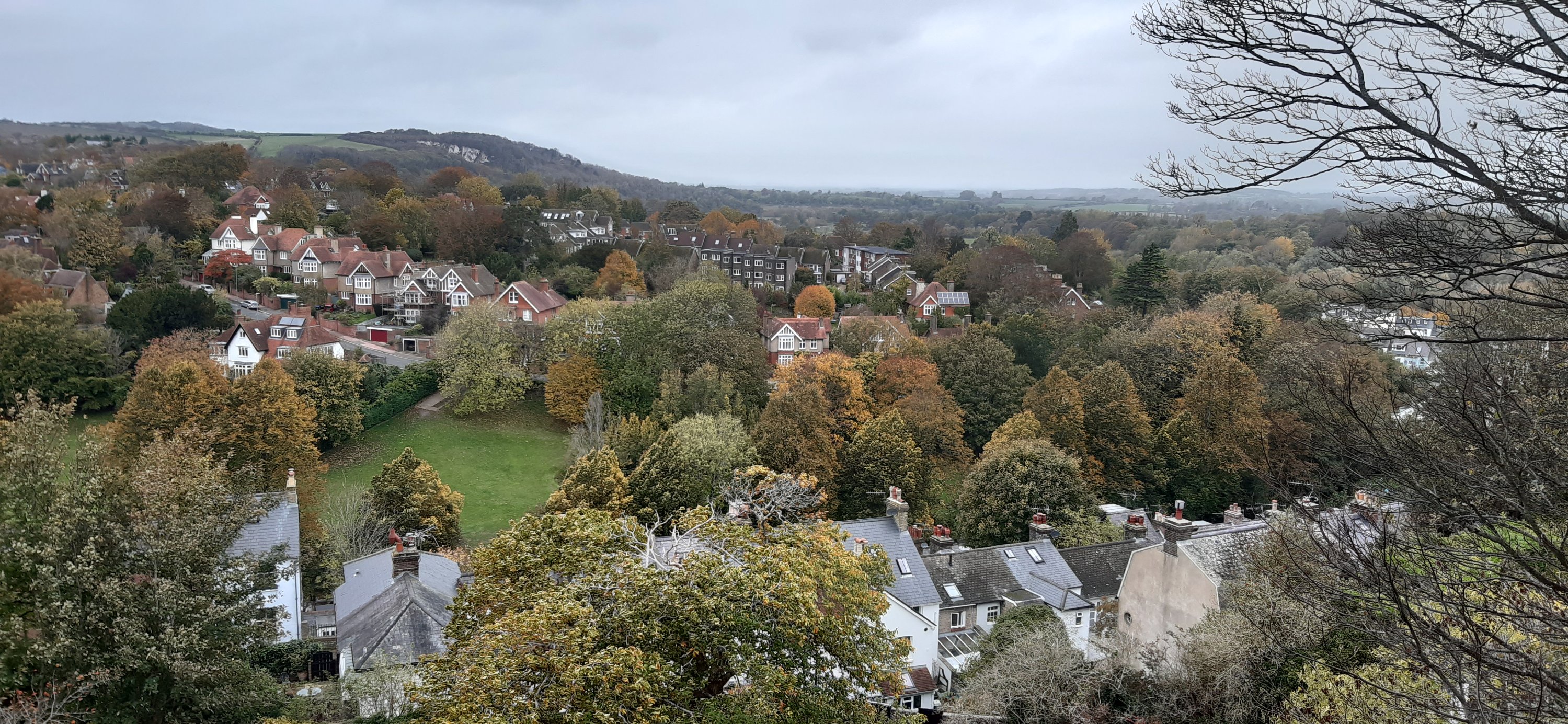
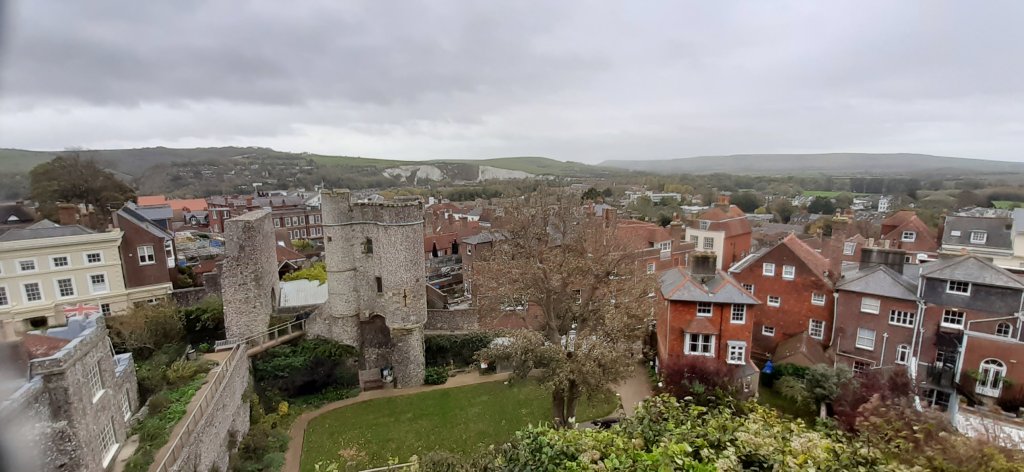
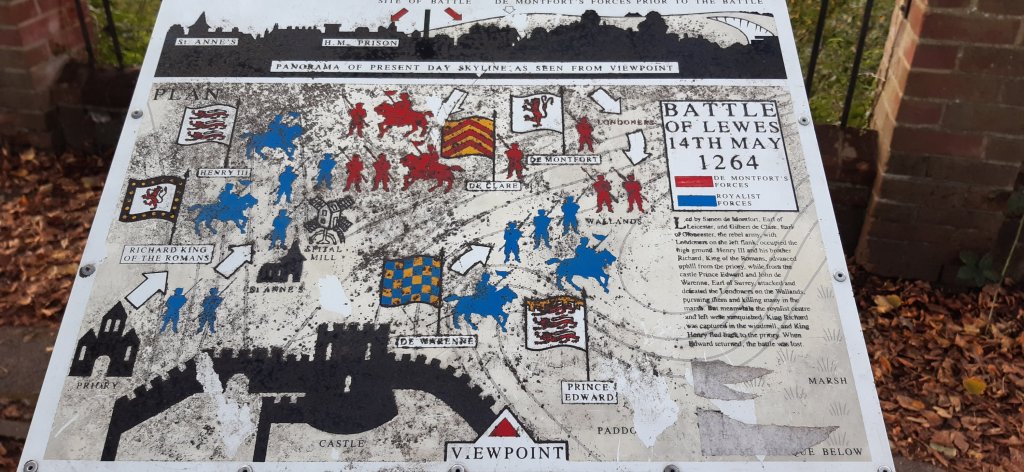
The views across the valley to the hills are absolutely stunning, especially beautiful with the autumn colours. From here as well the view looks back in time to the 1264 Battle of Lewes.
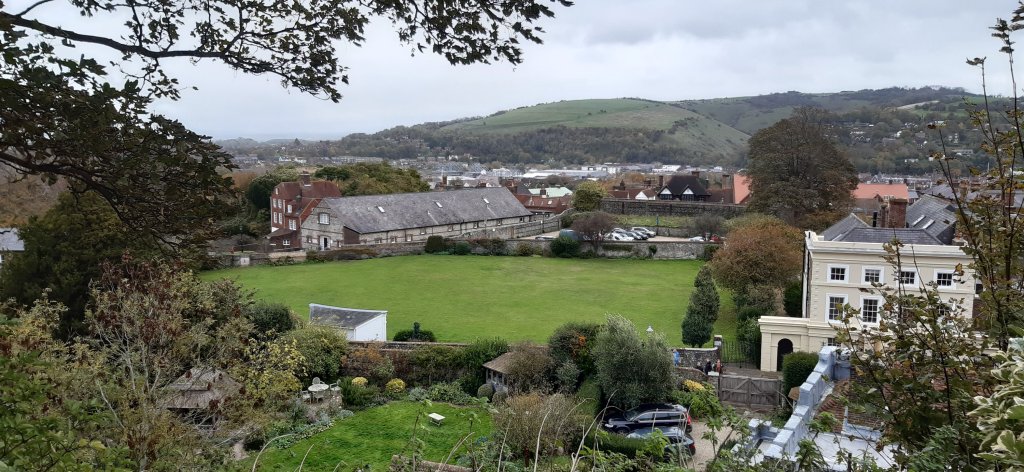
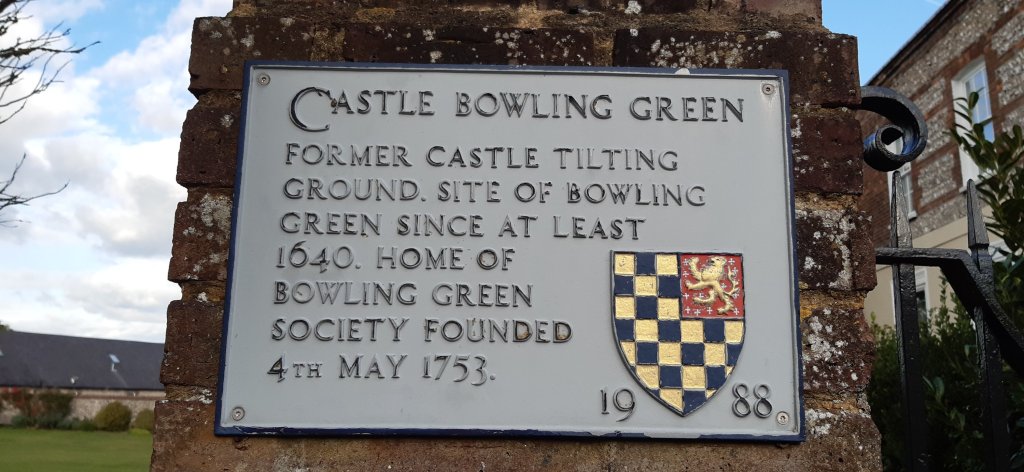
A good view too of what used to be the Tilting Ground, now a bowling green, and in the distance I could see the windmill I passed a few days ago on my walk to Kingston. Awesome.
The Tilting Ground
The wind was blowing a gale and howling in my ears, flicking leaves and branches here and there….just brilliant. It was wild. Yes, there’s a couple of trees growing out the side of the building and there’s a tree slap bang in the middle of what was the Great Hall…now that’s wild!!
Nature takes over…
As you can imagine with the unpleasant weather, there were not many people up there, so it was easy to explore, although there really wasn’t that much to explore. Shame about the towers – closed atm due to Covid-19. Geez, I just realised reading that sentence back, that I used the word ‘there’ 3 times 🤔🤔 English eh.
Coming back down the stairs you have fantastic views across the town and to the cliffs, and travelling from across country the castle can be seen from miles away….the position is brilliant.
Views for miles around
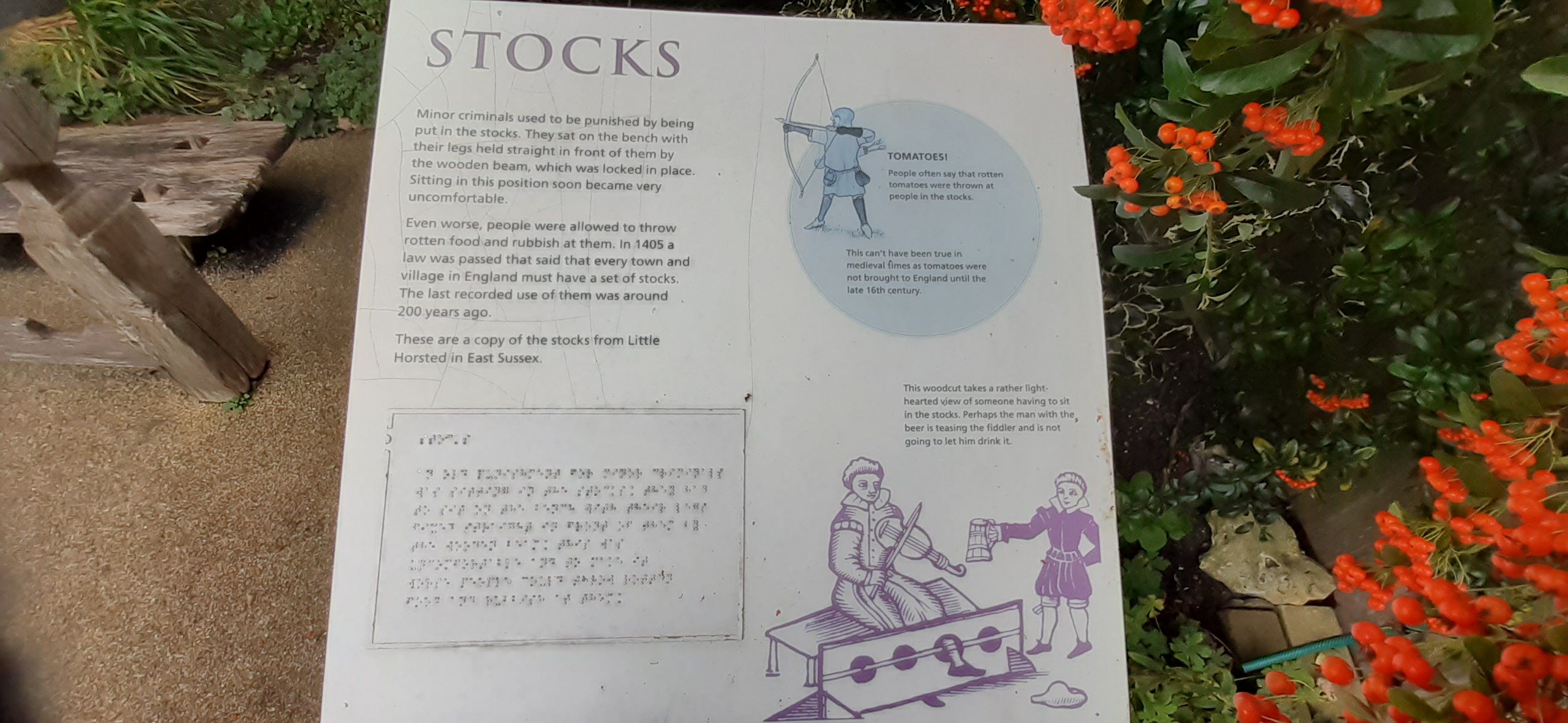
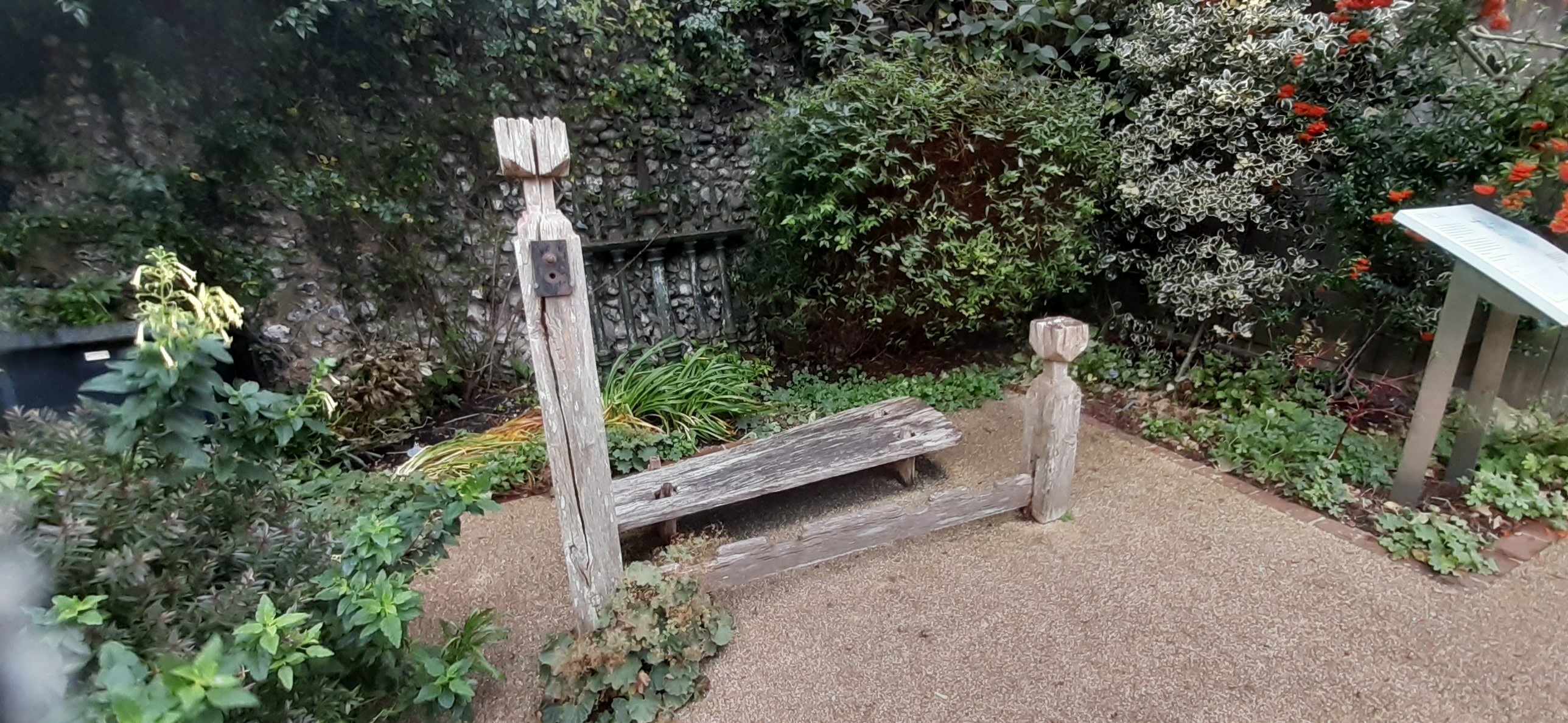
In the courtyard is a fantastic Russian cannon and some wooden stocks
A bit of history:
A work in progress like most castles in England, Lewes Castle, originally known as Bray Castle, follows a motte and bailey design but unusually, has two mottes and was built on and added to over a few centuries.
The first motte, known as Brack Mount was completed shortly after the 1066 Norman conquest of England.
Both of the mottes were built by William de Warenne, 1st Earl of Surrey, who also, along with his wife Gundrada, built the nearby Priory of St. Pancras.
The mottes would originally have been surmounted by wooden palisades.
The second motte, known as the Keep, was completed in the late 11th century. Both of which were built by William de Warenne, 1st Earl of Surrey.
Soldiers from the King’s army, set out from the castle to engage with Simon de Montfort at the Battle of Lewes in 1264.
Towers were added to one of the shell keeps in the 13th century.
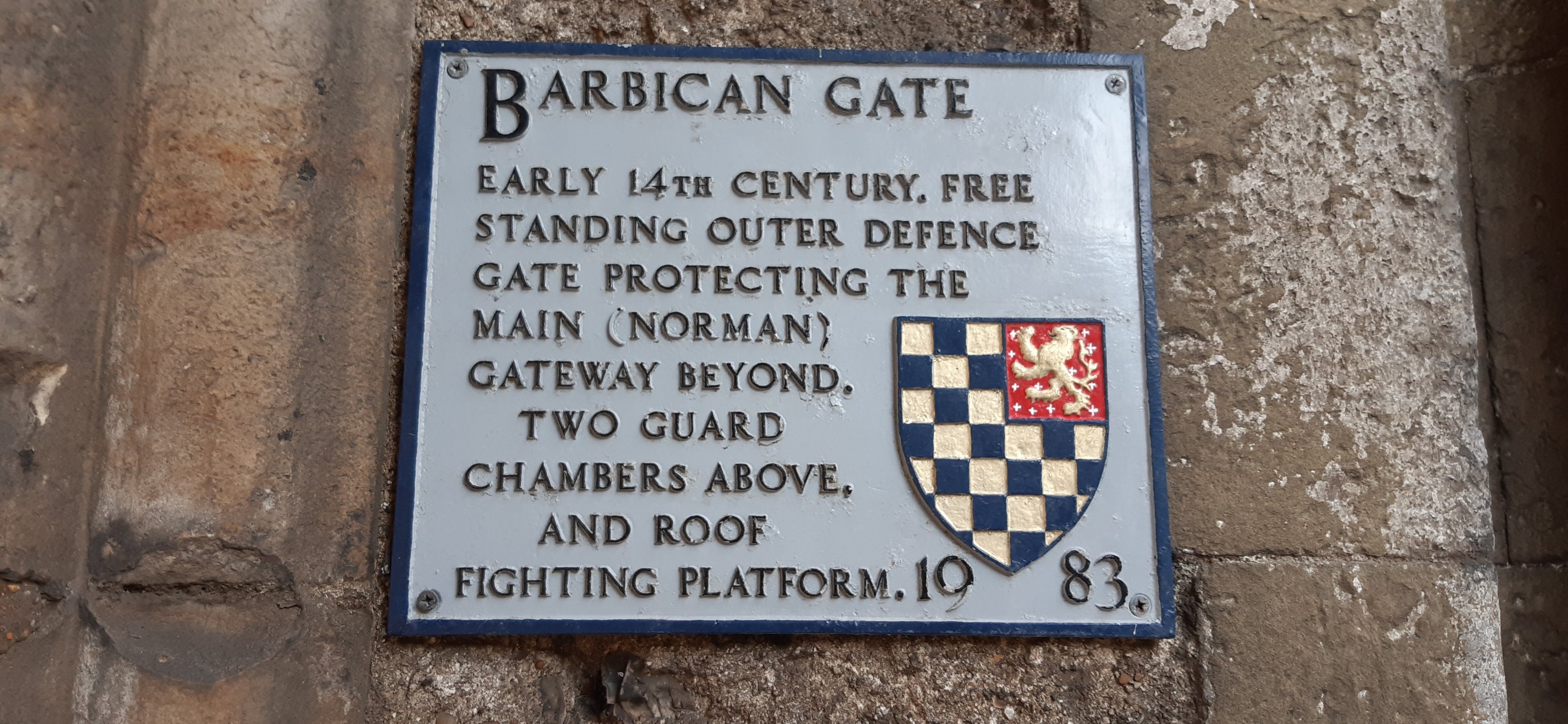
The barbican gate was added in the 14th century.
Certainly not as enormous as some of the castles I’ve visited in the last 19 years, but no less impressive, it stands guard over a gap in the South Downs overlooking the towns of Lewes and Cliffe and the River Ouse that winds it’s way between the 2 towns.
In the distance…it looks far, but it’s only about a 10 minute walk
Lewes castle has the distinction of being the 49th castle I’ve visited as part of Project 101.
I’ve compiled a short video of some of the exhibits in the museum
I can highly recommend a visit to Lewes Castle if you’re in the area. At the moment they’re only open on Saturdays, but that might change in the future.
With just 4 days left in Lewes, today I was determined to find and follow the Egrets Way.
At least now I know where it starts, I didn’t waste 3/4 of my break trying to find the route.
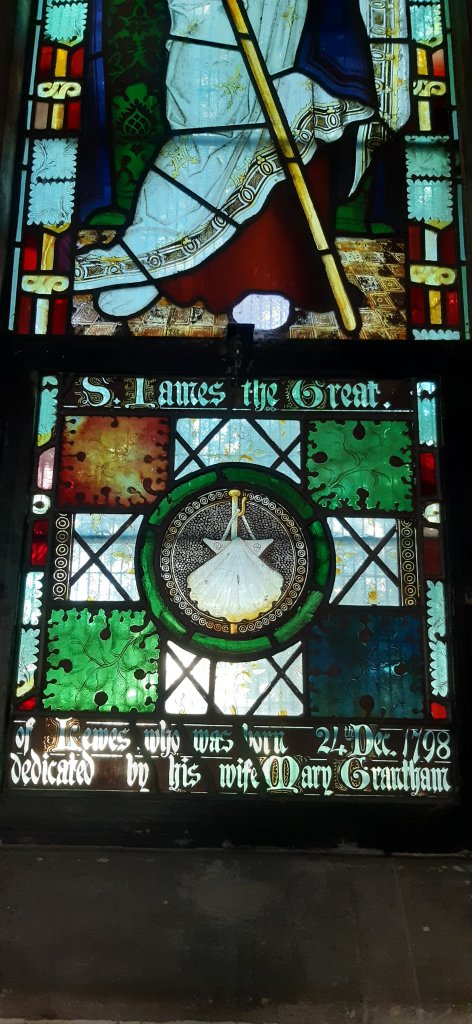
But first I stopped off at Trinity Church, Southover. I’d been past it a number of times but it was always closed – today it was open 😃😃 There’s quite a history attached; “The church of Southover originated as a ‘hospitium’ or guest house to serve the nearby Priory of Saint Pancras founded by William de Warenne and his wife Gundrada in 1077 AD.
The tower was built in stages between 1714 and 1738, after the collapse of the earlier tower with spire in 1698. This may have been caused by hanging a ‘Great Bell’ in the previous year, which proved too much for the earlier structure. The location of the earlier tower is not certainly known, but from what evidence is available probably stood where the Gundrada Chapel is built now.“
I was delighted to find a scallop shell in one of the glass windows with St James right above it ❤❤
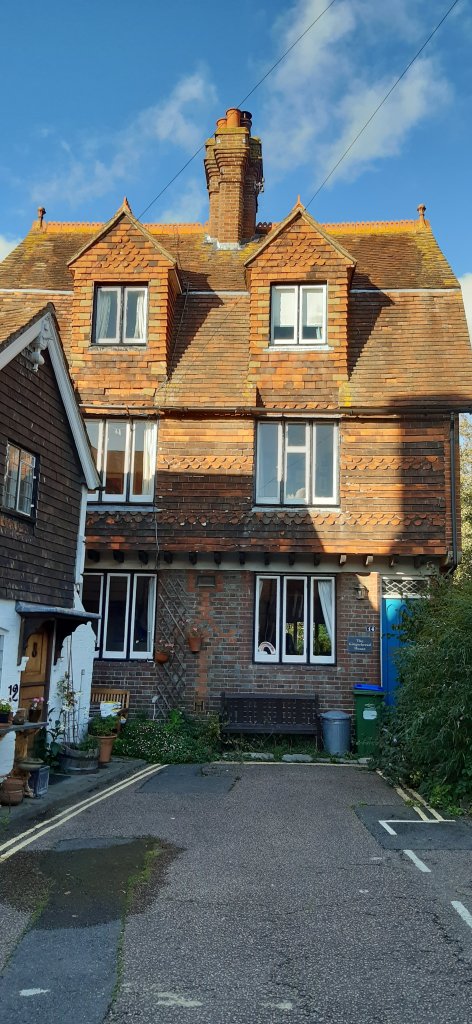
After my brief visit to the church I walked down St James’s Street to have a closer look at the house at the end of the cul de sac – it looked like a gingerbread house. Imagine my amusement when on closer inspection I discovered the name of the house; The Gingerbread House ☺☺ Just perfect!!
The Gingerbread House ☺☺
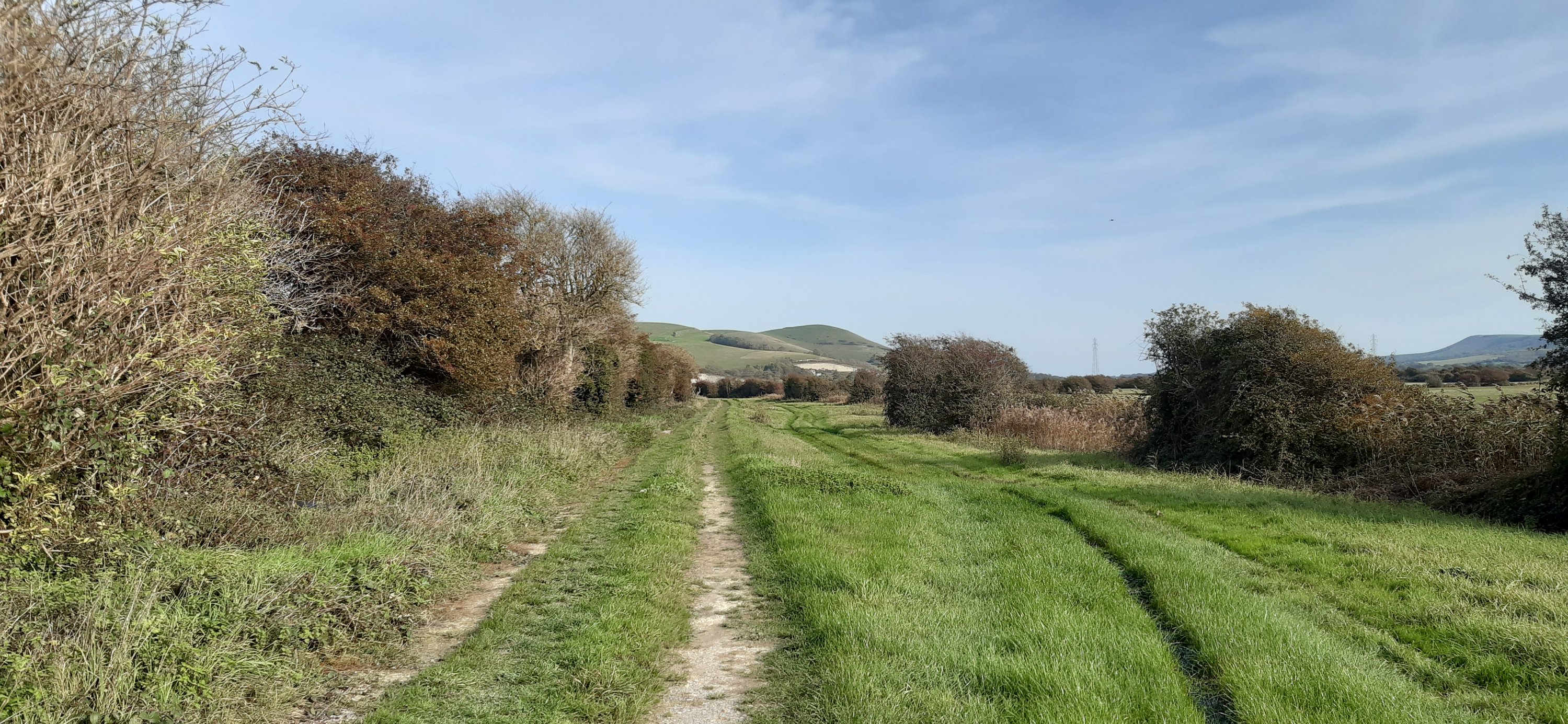
I made my way towards the river via the carpark and soon picked up the Egrets Way. I’m dead keen to walk along the riverside to the little village of Southease, also a Domesday Book village and near to where Virginia Woolf, who at the time lived in nearby Rodmell, committed suicide in 1941 in the River Ouse.
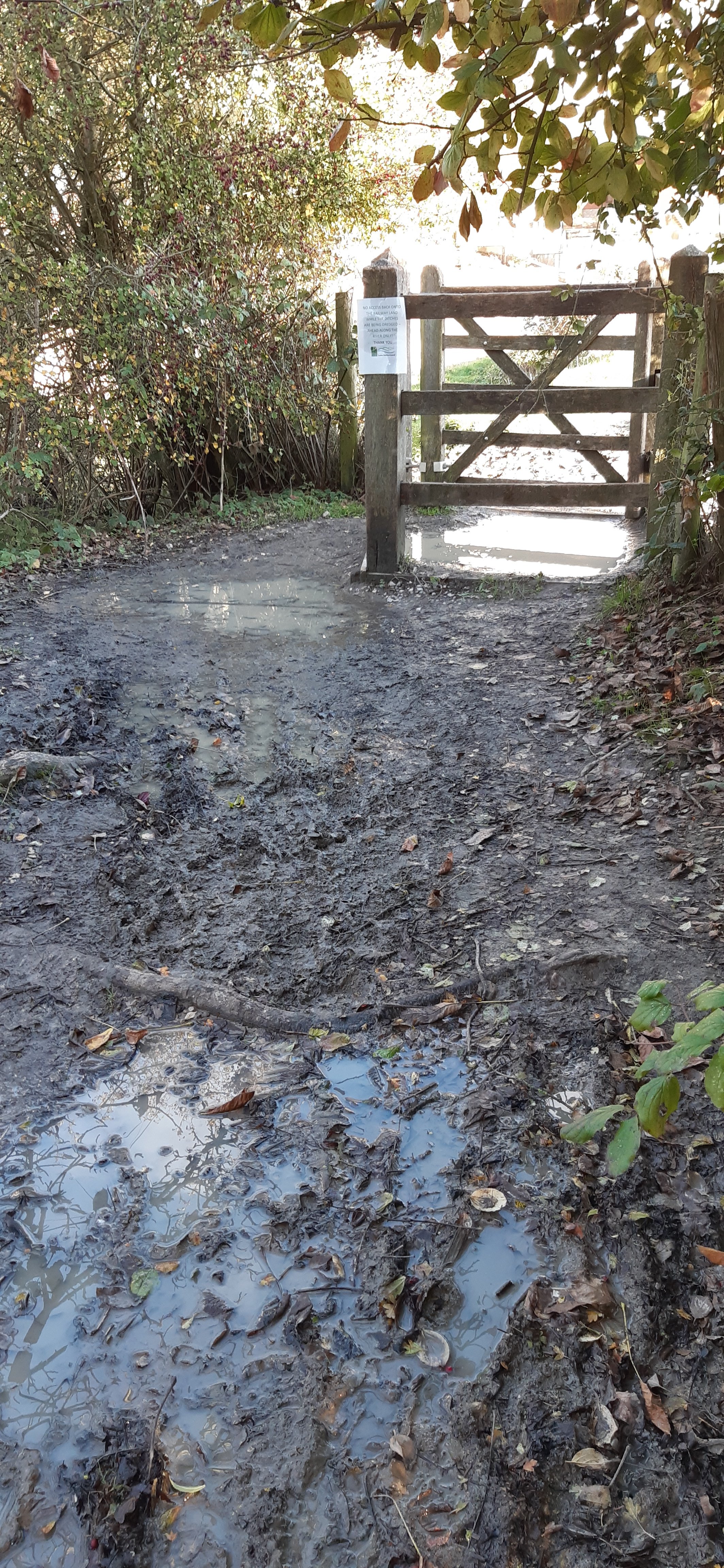
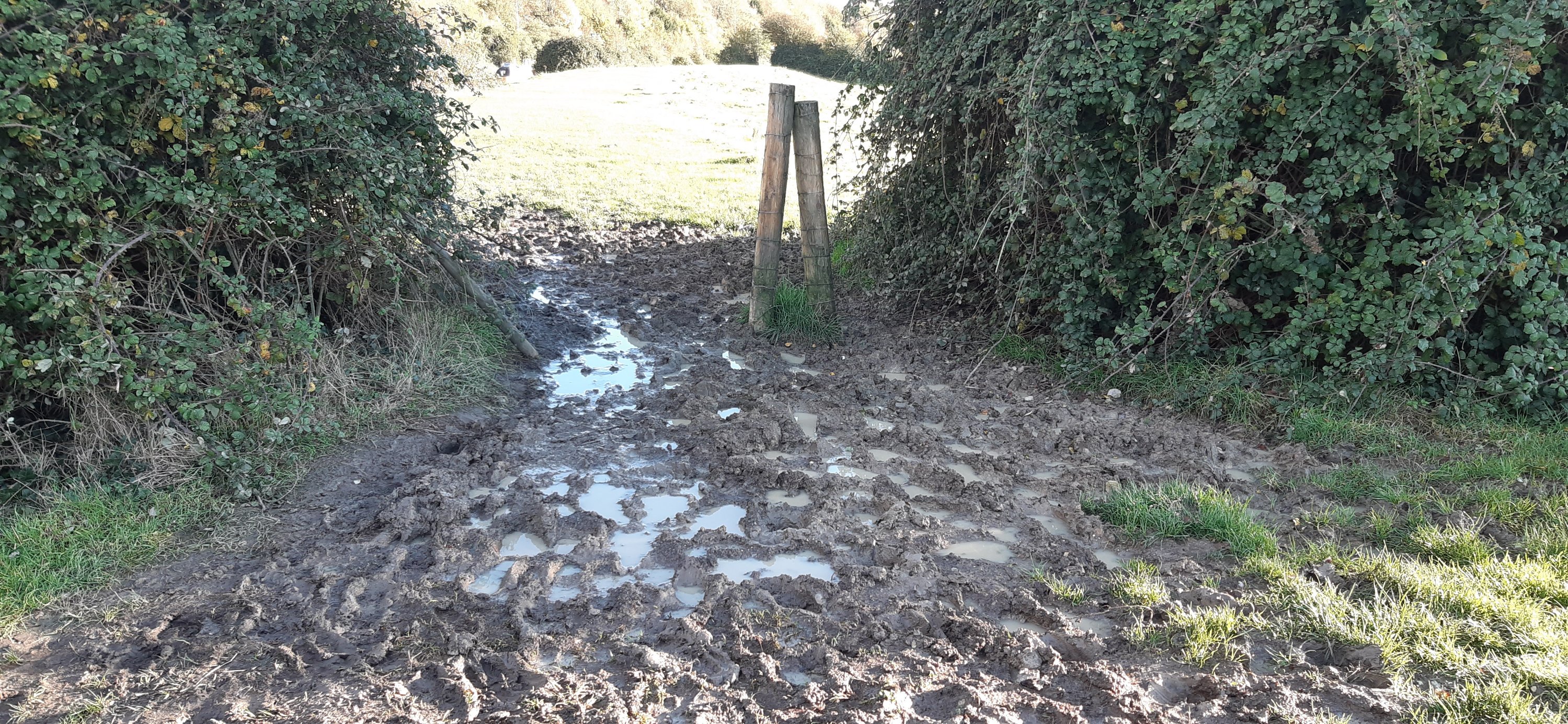
Of course with all the rain over the last few days, and boy has it rained, the river is in full tumultuous flow and the riverside path is mostly a muddy quagmire, placing obstacles of watery pools in the way.
Fast flowing River Ouse
But I trudged along, determined to get as far as I could, zig-zagging from one side of the path to the other trying to find the least squelchy and muddy bits to traverse. Thanks be for my walking poles, as always they kept me upright when the mud was determined to see me on my bottom.
I arrived at one gate to find a pool of water right in the middle surrounded by mud, so balancing precariously on the wooden edges and hugging the upright struts I sort of swung my way around and through the gate….but I didn’t get very much further since the path at the next gate was just too muddy; and so I said “no, just no!”.
I beat a retreat and returned the way I had come.
Once past all the muddy puddles et al, I crossed a grassy patch and picked up the cycle/walking path that is sensibly gravelled and continued on my way.
The riverside path will have to wait for another time – perhaps when I eventually walk the South Downs Way that passes through Lewes, I may just divert for a few days and actually walk along the river to Southease….if it hasn’t been raining!!
Time will tell.
Meanwhile I followed the path, beneath the grim and dreary railway underpass, through a fine, new wooden gate and before too long I recognised the place I had originally seen the signpost for the Egrets Way, near the recycling centre. It also gave me the opportunity to see where I had gone so very wrong at my last attempt
Dreary underpass, fine wooden gate
Once I realized the error of my ways, the what and why became apparent. Instead of turning left, I was endeavouring to find a way through to the right 🤪🤪🤪👉❌👈 which of course would have taken me onto the railway line….clearly I need to do a map reading course 🤣🤣🤣 Even with the help of Google maps I still went wrong. How have I managed to not get lost on previous walks! Luck, I guess 🤭🤭🤞🤞
So now that I know my daft mistake, it doesn’t really matter since its unlikely I’ll walk that way again while here…but I’m glad I resolved the issue.
So whizzing along I made my way back into town, passing some interesting houses, the only surviving section of the Franciscan Friary
Amazing relic from 1224!!
and while chatting on the phone to the relief carer who’d just left due to issues at the house, I once again went off piste….I had planned to go to Tesco for a packet of my secret vice, but since I was so completely not going in the right direction, I gave up and went back to the house.
On the way I passed the castle for another look and more photos 😁😁…wish the weather had been this fine on Saturday!!
Lewes Castle
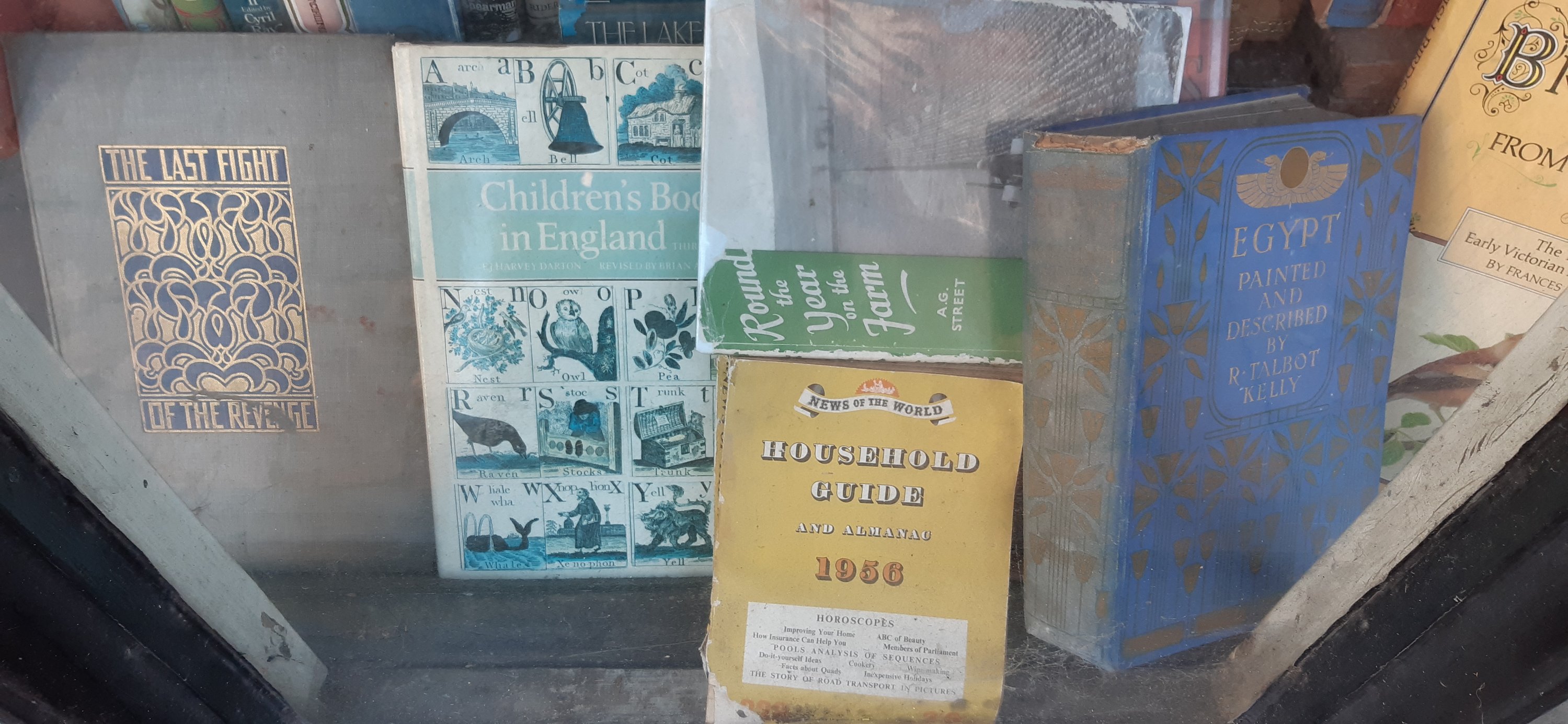
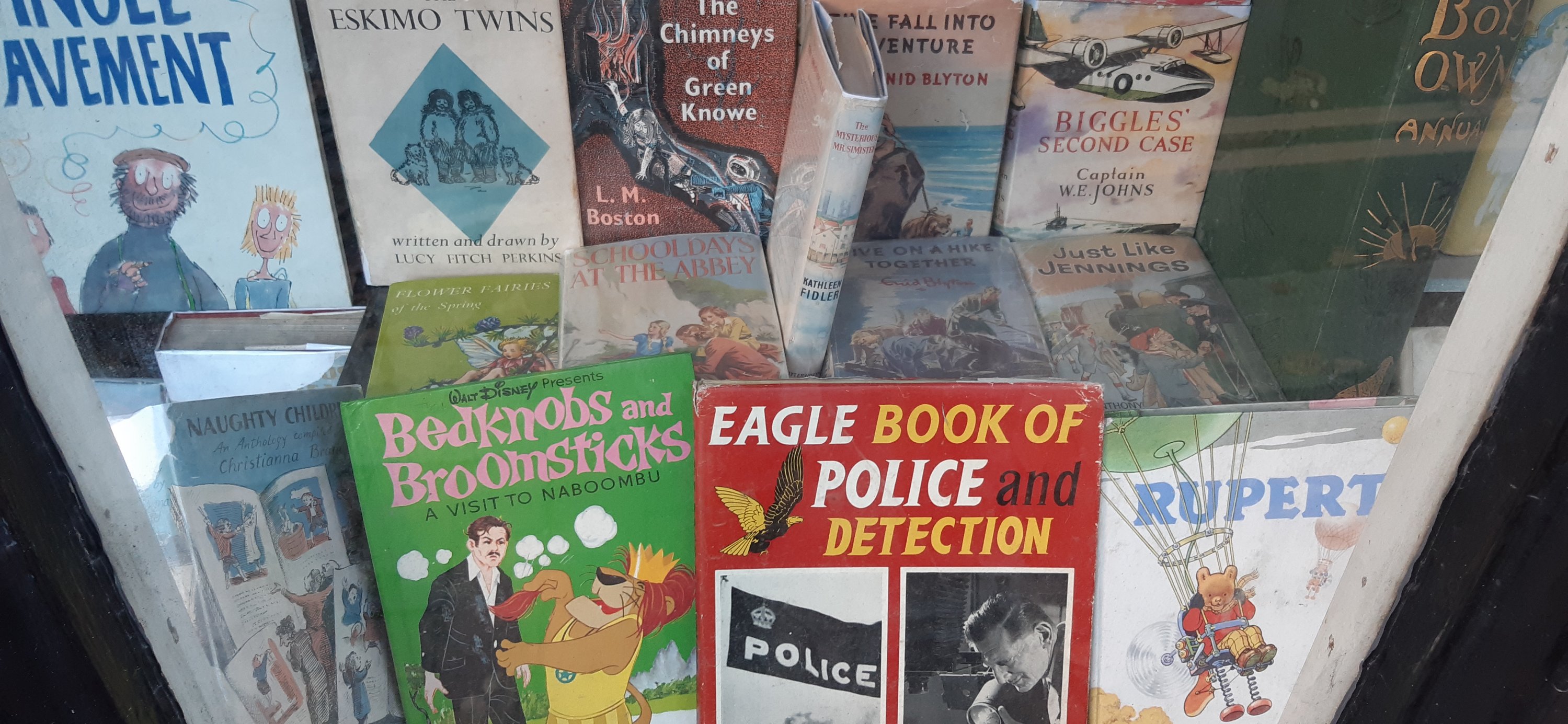
Next a brief stop to take a few more photos of the 15th century bookshop windows….and spotted another book I would dearly love to buy – bad luck, the shop won’t be open again till Friday afternoon and by then I’ll be on my way….
Fifteenth Century Bookshop 😃😃
I’m on the home straight. Hoorah!!
A little video with some more images from my walkabout today. The weather was fantastic
There’s so much to see and do in Lewes that I’m quite kept on my feet.
Today I set out on my 2nd attempt to find the river pathway and although I wasn’t successful, I believe I’m getting closer 🤣🤣🤣 Saw this on my walkabout
Egrets Way….
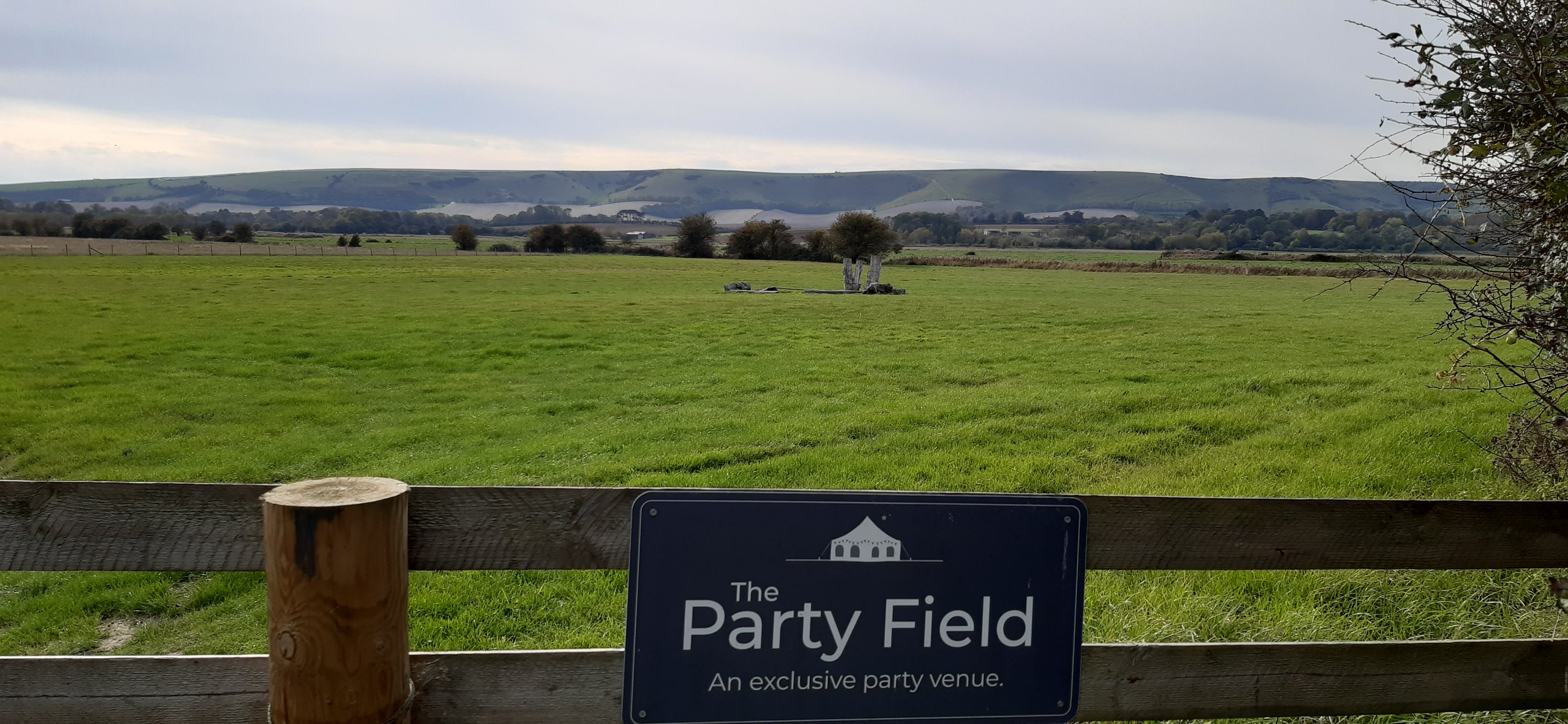
I initially followed the instructions from a local but I’m afraid it led me to a great big green field and a gate and although I can see from mapmywalk that I was close to the river, it wasn’t quite where I should have been.
However, I did go off at a tangent on the way back and discovered more of Lewes.
I walked along streets and lanes as yet untrodden by myself, and passed a couple of old favourites
And an old water pump
9.64 kms all told and slowly I’m reducing my 2020 Conqueror challenge deficit. 731.8kms to go by 31.12.2020 🤪🤪🤪
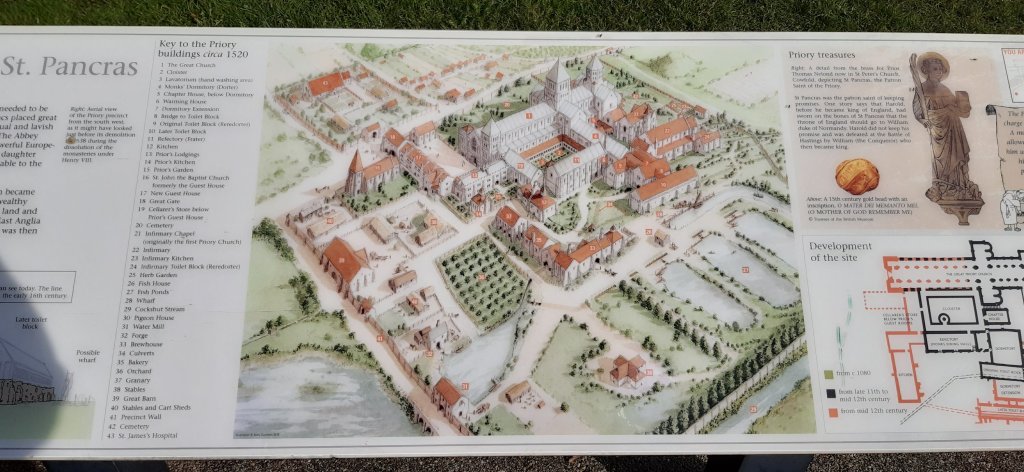
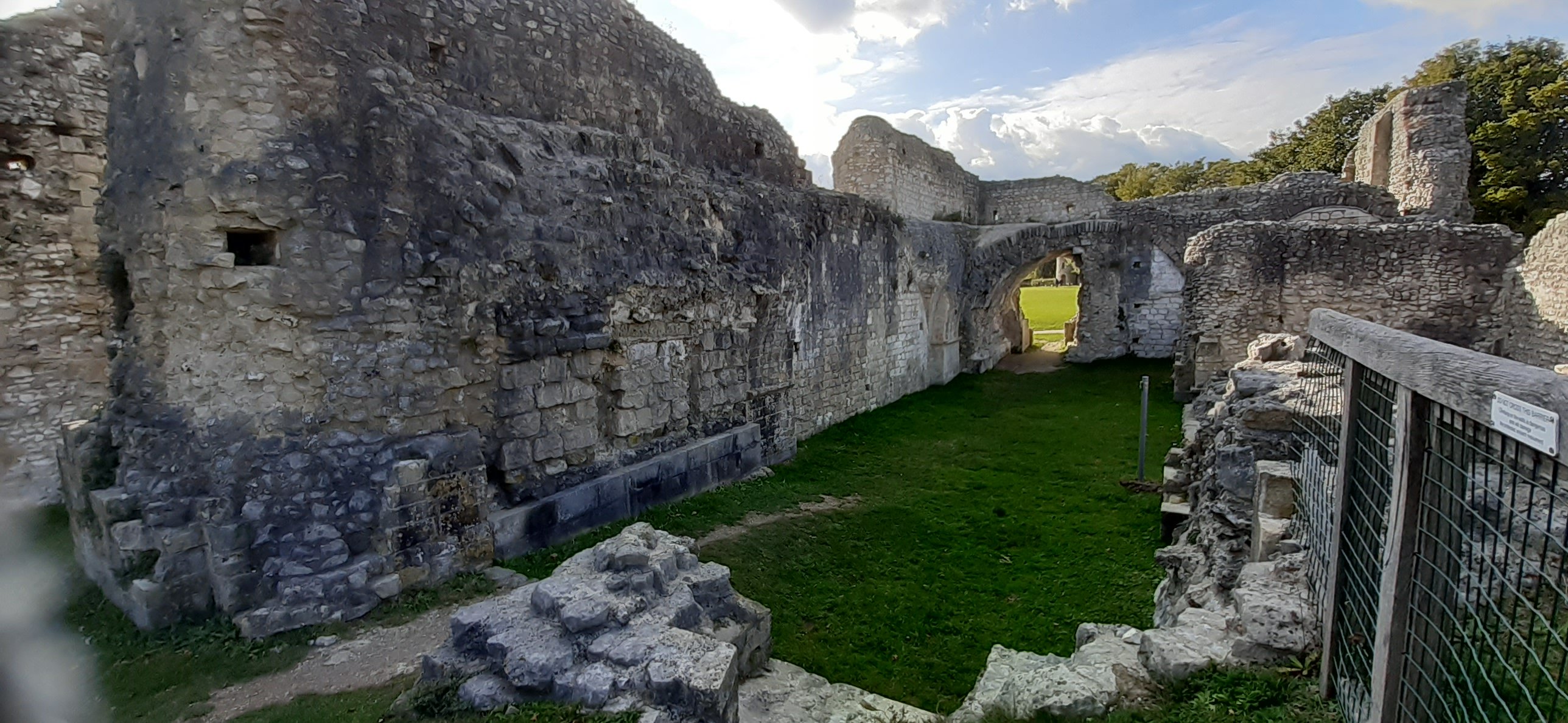
Fantastic discovery today. I set off during my break, determined to find the river path. Instead I found Lewes Priory….or should I say, the ruins.
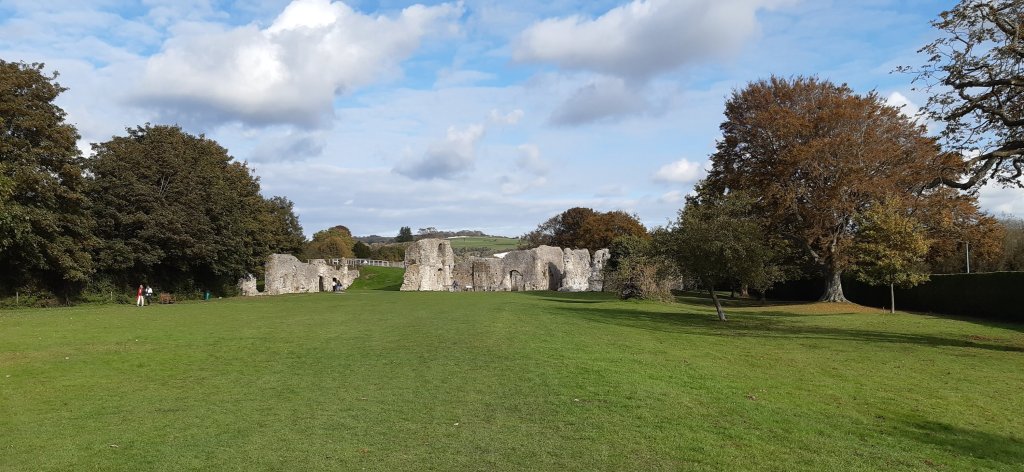
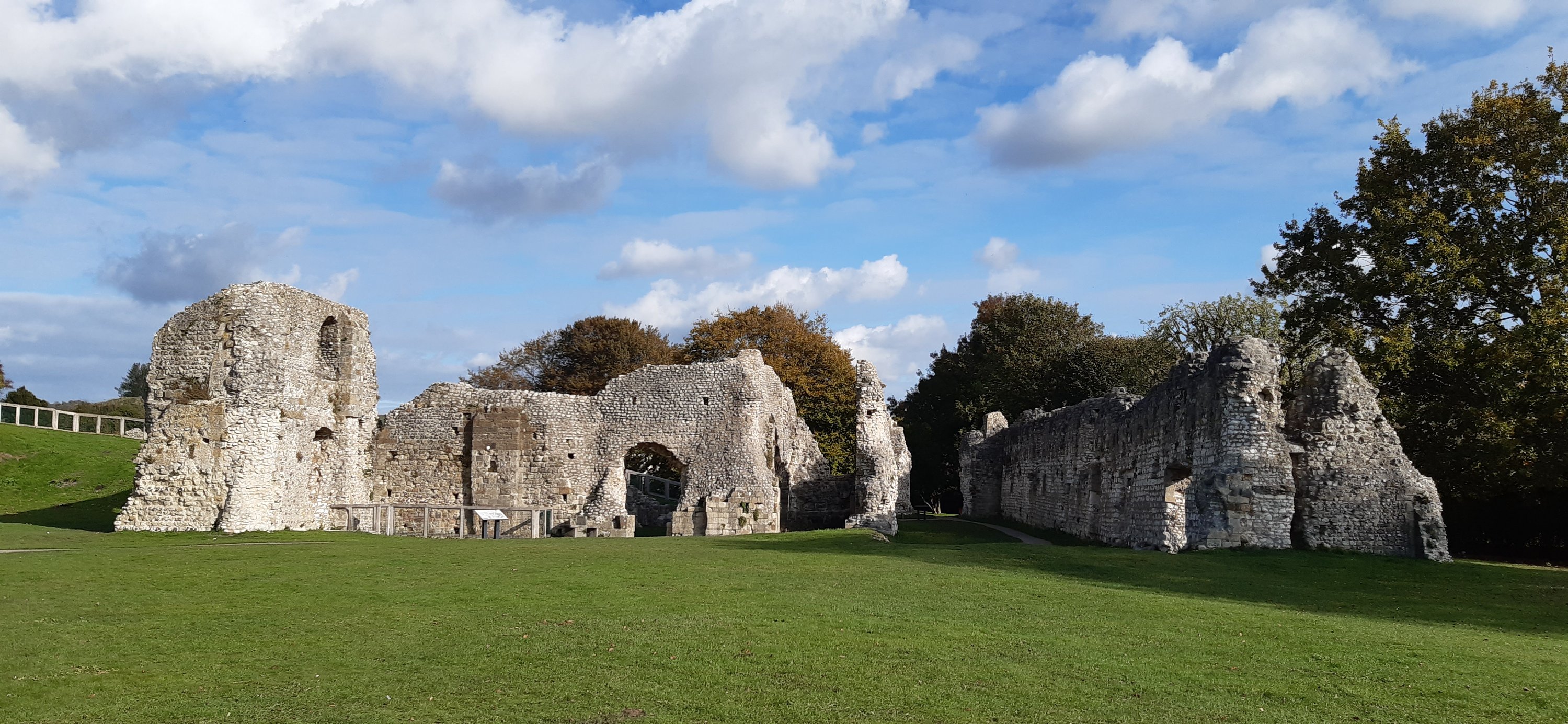
Lewes Priory
Like 99% of all the abbeys, monasteries, and priories in the country, Lewes Priory also fell foul of Henry VIII’s foul temper!!
Seriously, if I could go back in time, I’d go back to the mid-16th century and give him another whack on the head, maybe knock some sense into the man.
Imagine if he hadn’t destroyed all these amazing buildings, what magnificence we would see today.
But sadly we have to be satisfied with exploring the ruins and trying to imagine what they must have been like. But at least there are some remains to be seen. So little respect was shown for the historical value of the priory that the modern railway was run right over the chapter house. Listed as a Grade 1 building, it seems we have a little more regard for important places these days (although HS2 puts the lie to that 🤨🤨)
In the 11th century, monks traveled from Cluny in France to establish the first Cluniac priory in England. The Priory survived for 450 years until the Dissolution of the Monasteries in 1537.
A number of interpretive boards give you an idea of what the Priory would have looked like and show snippets of how the monks lived and worked. A herb garden has been recreated, replicating the gardens worked by the monks.
The garden
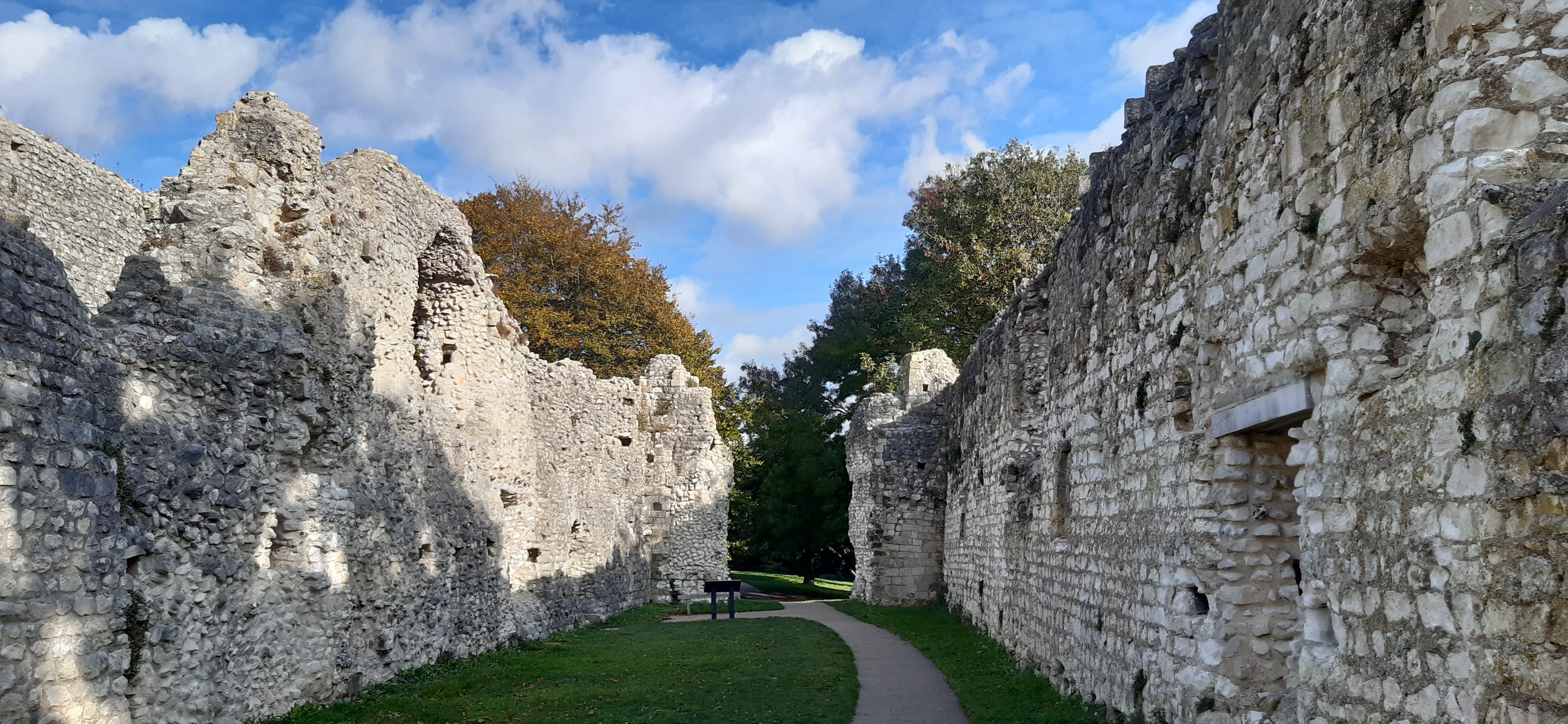
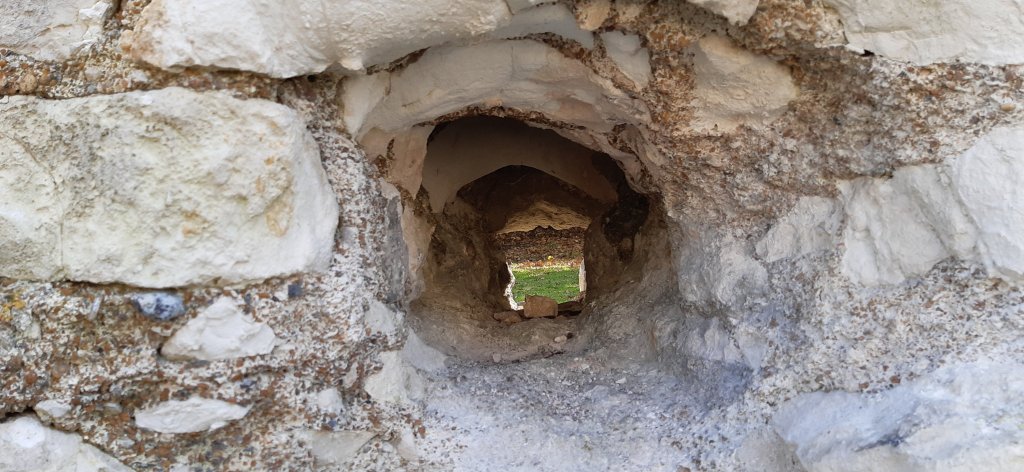
Its fascinating to see how thick the walls were built.
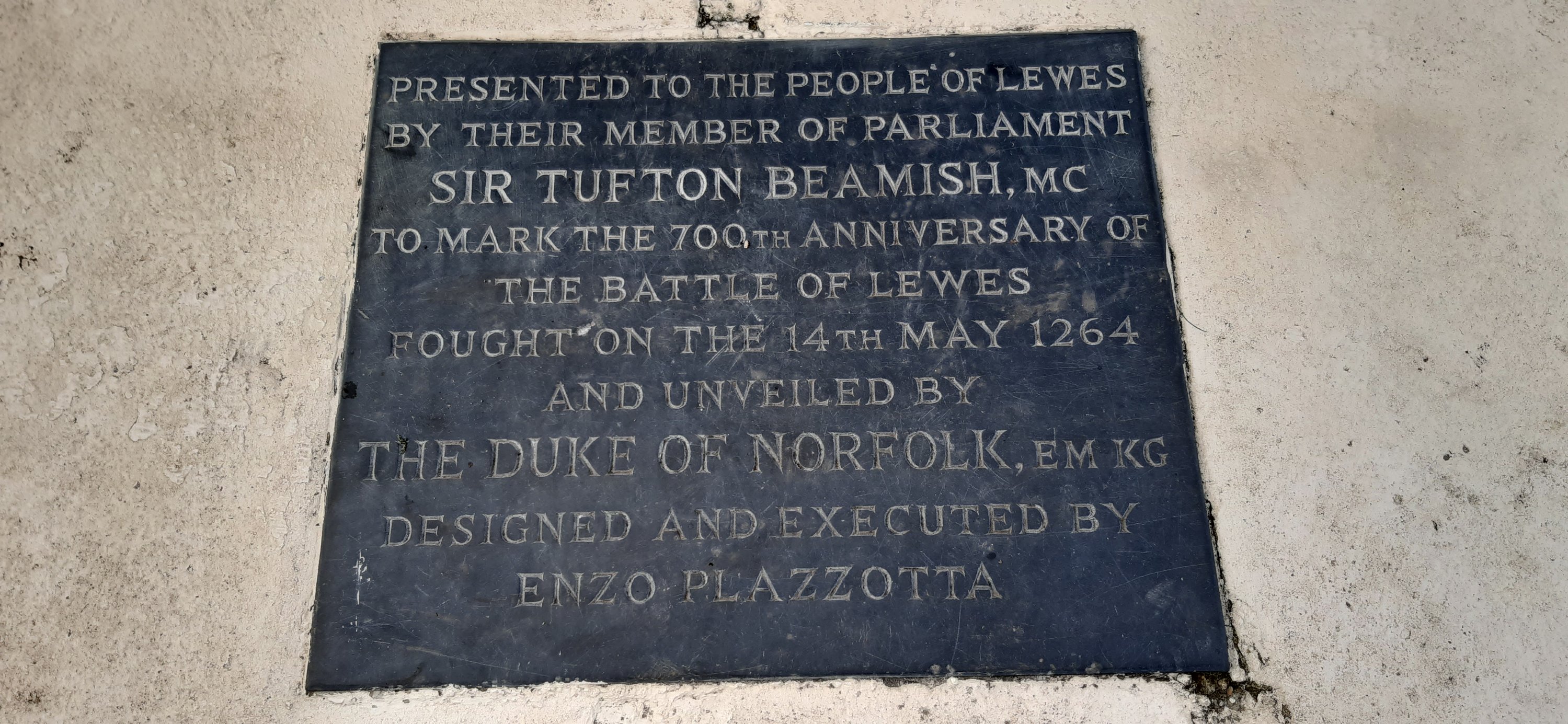
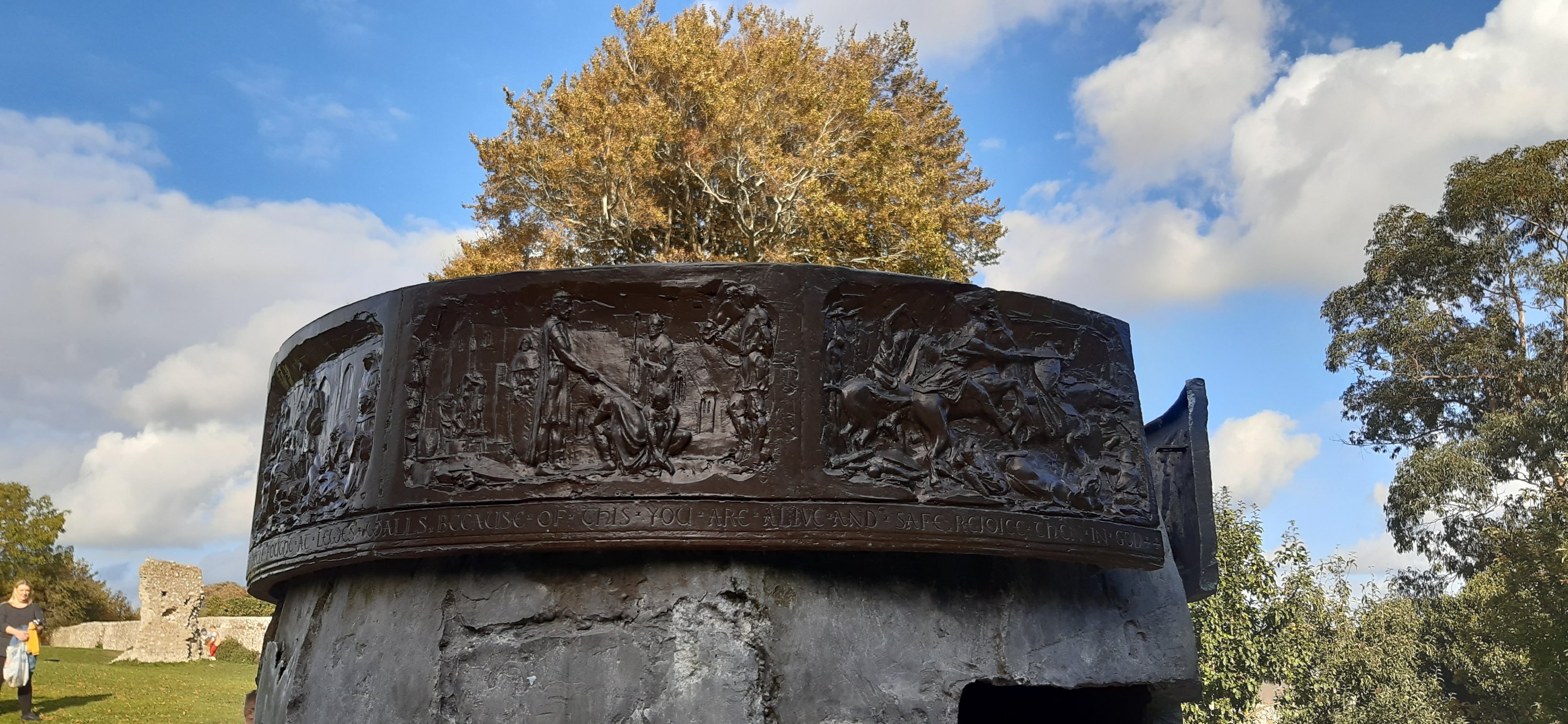
The Helmet Sculpture by Enzo Plazzotta, erected in 1964 to commemorate the 700th anniversary of the Battle of Lewes in 1264, is absolutely stunning.
And in case you were wondering….. Cluny is a commune in the eastern French department of Saône-et-Loire, in the region of Bourgogne-Franche-Comté. It is 20 km northwest of Mâcon. The town grew up around the Benedictine Abbey of Cluny, founded by Duke William I of Aquitaine in 910. Ref wikipedia
Lewes Priory is a must visit if you’re in the area or perhaps walking the South Downs Way ….take a small diversion and visit the town, there’s so much to see.
As mentioned in a previous post, on Monday I took myself on a walk to complete the ‘twittens’ of Lewes, after which I followed the High Street across the River Ouse to explore the other side of town.
To my absolute delight I found a wee church dedicated to St Thomas a’ Becket. Having just completed The Pilgrim’s Way a few weeks ago, this was wonderful little surprise.
St Thomas a Becket Church, Lewes
Of course I had to do some research and this is what I found ❤❤ Thomas a Becket actually visited Lewes at some stage!!! Oh my gosh just WOW!
St Thomas a Becket Church, Lewes
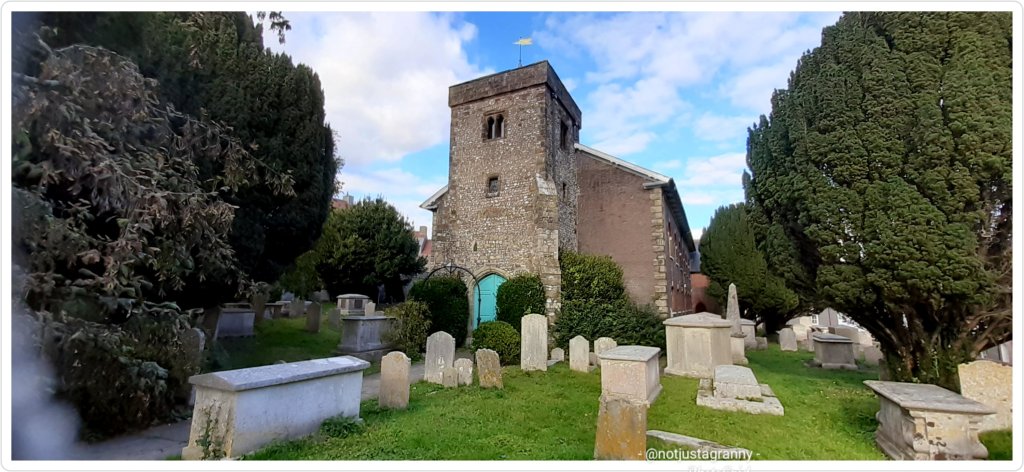
St Thomas a Becket at Cliffe is a parish church in Lewes, encompassing the parish of All Saints. Becket was apparently a benefactor and frequent visitor to the nearby Collegiate Church of St Michael the Archangel, just a short walk away, which I visited just a few days ago. Totally weird to think that Thomas a Becket actually walked through the streets of Lewes. I never really associate him with more than Canterbury Cathedral, but of course he must have travelled to any number of cities and towns in England.
Collegiate Church of St Michael the Archangel, Lewes
Cliffe church, originally a chapel of ease of the college of Malling, was built, either…. so it is said, by the direct order of Archbishop Thomas Becket, to whose martyrdom it is dedicated. But it is also suggested that its building was financed by one of Becket’s murderers as a penance for committing an act of sacrilege, or by someone who witnessed the dastardly act but did nothing to prevent it.
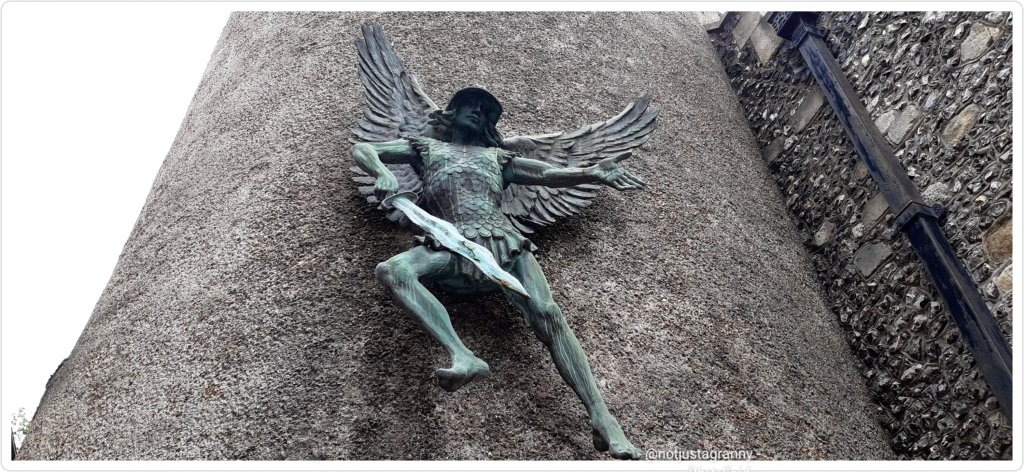
St Michael the Archangel
So 3 options exist…I wonder which it is. If you’re interested in learning a wee bit more about the church, here’s a link https://st-thomas-lewes.org.uk/history/
Super awesome to discover Thomas Becket’s connection with Lewes, and completely unexpected.
Now, I really must get on with updating my pilgrimage, completing the 2nd half of the Pilgrim’s Way from Oxted to Canterbury.
It has however been so exciting to explore Lewes and discover her secrets, and I still have a castle and a priory to visit, as well as the north side of town. Oh and let’s not forget the walks I’d still like to do.
I recently arrived in Lewes for my next assignment (the benefit of working as a Carer is that although I’m away from home a lot, I get to visit some amazing places.
The day after I arrived I set out to explore and noticed that some of the lanes were named ‘twitten’ like Church Twitten for example. So i visited wikipedia and did some research – A distinctive feature of the centre of Lewes is the network of alleyways or ‘twittens’ which run north–south on either side of the High Street and date back to Anglo-Saxon times. According to the Dictionary of the Sussex dialect and collection of provincialisms in use in the county of Sussex published in Lewes in 1875 “Twitten is a narrow path between two walls or hedges, especially on hills. For example, small passageways leading between two buildings to courtyards, streets, or open areas behind”. Some twittens (e.g. Broomans Lane, Church Twitten, Green Lane, Paine’s Twitten) remain flint-wall-lined pedestrian thoroughfares, others (e.g. Watergate Lane, St Andrew’s Lane and renamed Station Street (formerly St Mary’s Lane) are now narrow usually one-way roads. The most notable of all Lewes’ twittens is Keere Street. A weekly Sunday morning run up and down all the twittens on the south side of the High Street – the so-called Twitten Run – has operated in the town since November 2015.
Hmmmm….tell me more. I love a good challenge and of course I’m currently following the Inca Trail virtual challenge so I did some planning and on Sunday during my break I decided to walk all the ‘twittens’ – I managed to walk along most of them and on Monday I walked the rest.
Along the way I discovered amazing places and hidden gardens. The twittens all run downhill, so there was a lot of downhill and up hill walking to be done LOL
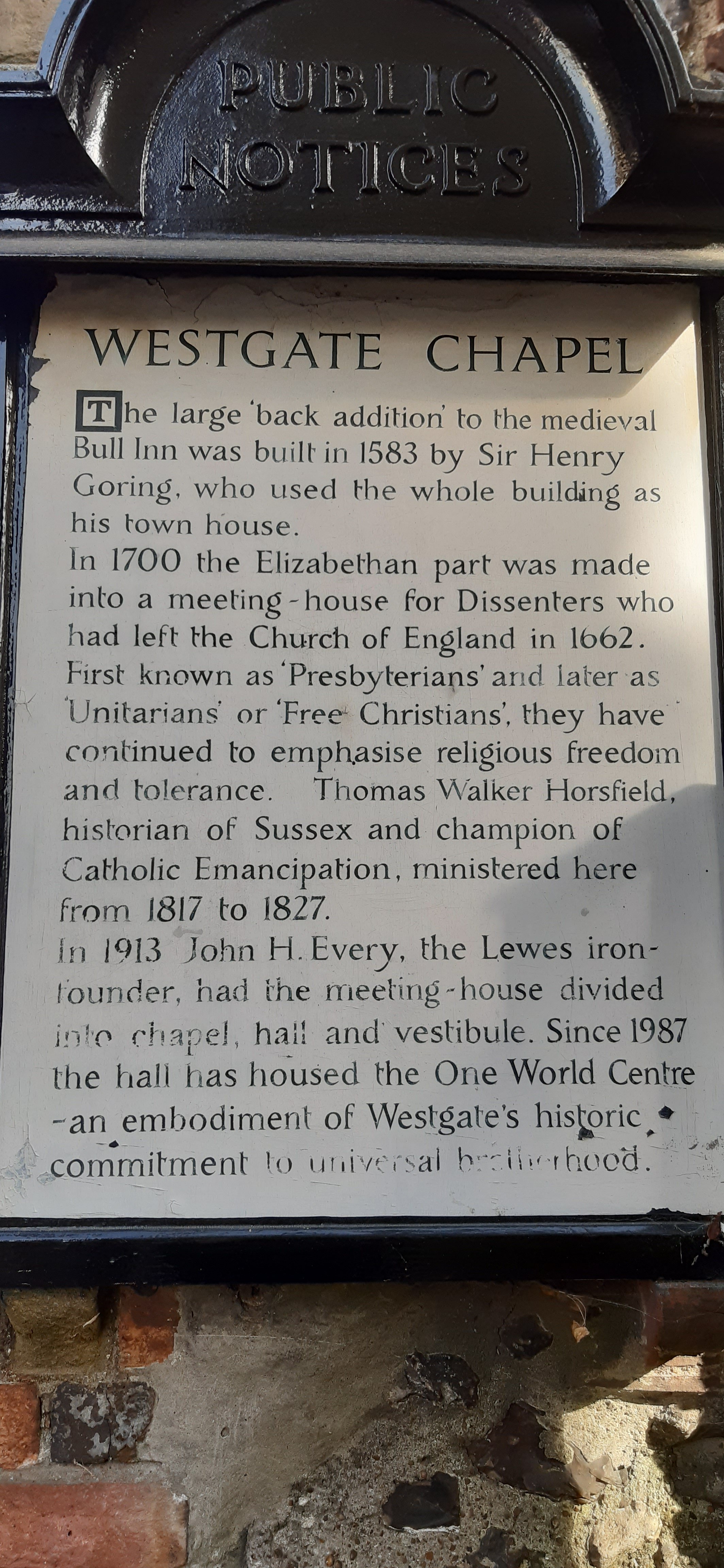
First I walked along Rotten Row past the old Toll House from when the town was gated and near to where the Westgate was originally located – it’s no longer in existence unfortunately. I walked right to the end past the Lewes cemetery and left into Bell Lane and then left into Southover High Street where I passed the Anne of Cleves house, sadly closed atm due to Covid-19. There a number of wonderful old houses/buildings dating from the 14th and 15th centuries.
Still following Southover High Street I walked passed Southover Gardens and up to Bull Lane (off Southover Road).
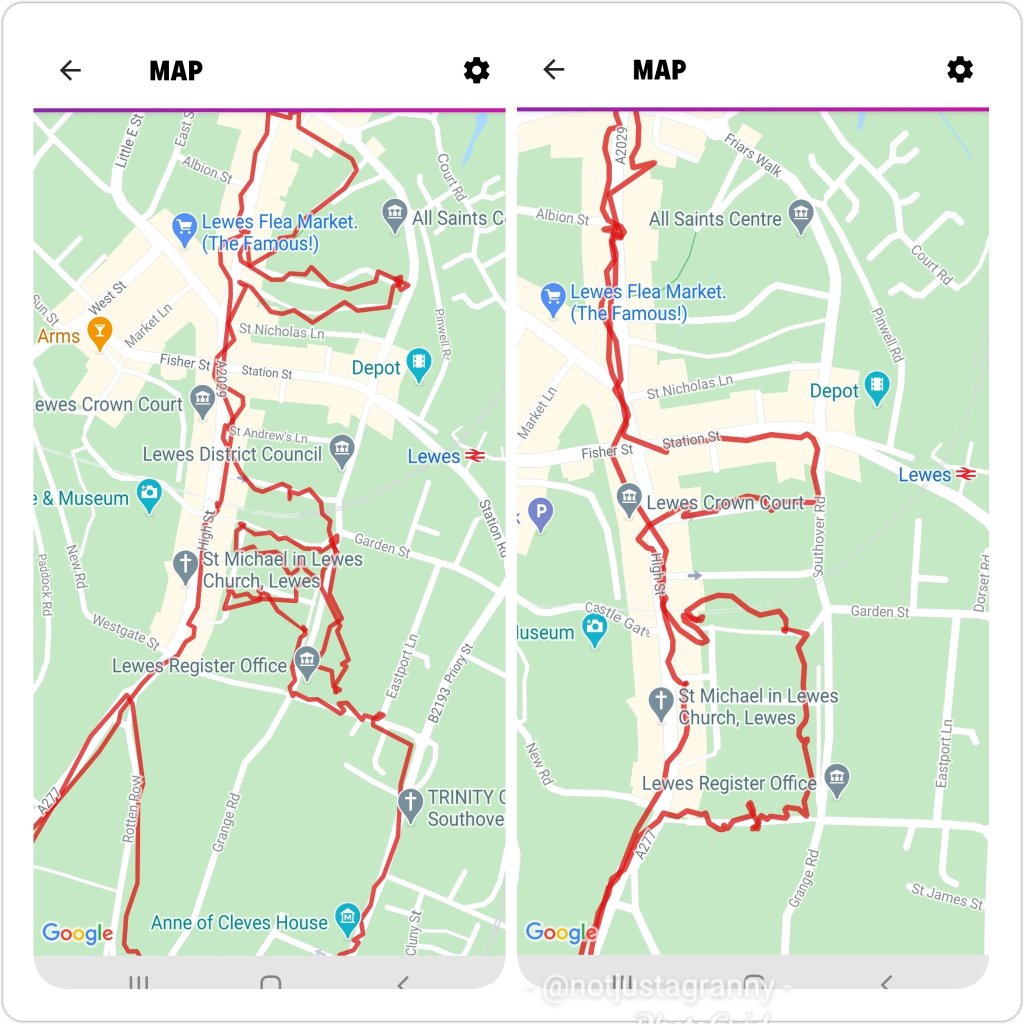
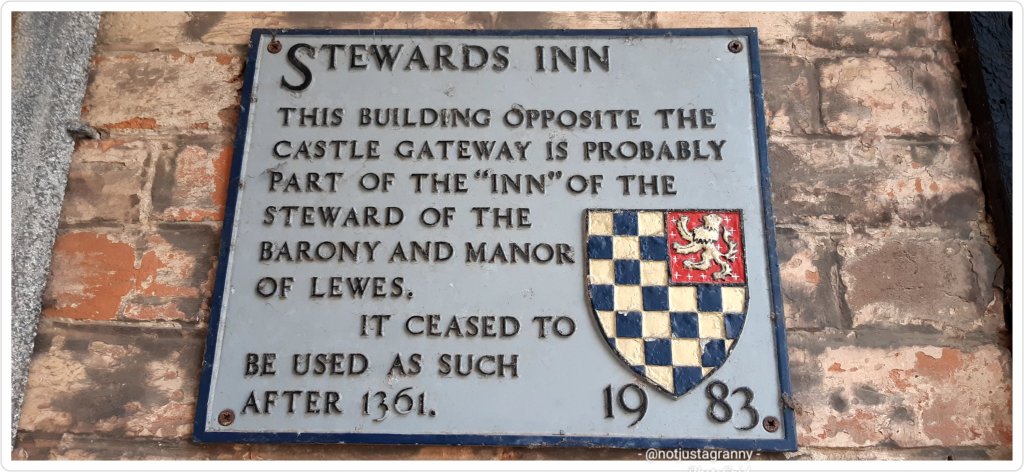
From there I walked up Paines Twitten to the High Street then right and down St Swithun’s Terrace. Left again into Bull Lane and left into Green Lane up to Stewards Inn Lane where I turned right and then right again into St Martin’s Lane. Downhill all the way to Southover Road and then left into Watergate Lane uphill to the High Street. A lengthy walk later I turned downhill into Walwer’s Land and left into Friars Walk and after a quick visit to the church; All Saints,
I turned left into Church Twitten and uphill once again to the High Street. Last turn right into Broomans Lane back to Friars Walk and then back to the High Street and home…5.55 kms.
The following day I walked a total of 4kms to finish walking all the lanes and twittens.
Lewes is seriously cool and I wish I had planned to stay overnight for recreational purposes 😃 Maybe next time.
Meanwhile I have plenty more exploring to do, there are some fantastic dedicated walks and circular walks in the area. And so much history to discover….











































































 Not Just a Granny
You must be logged in to post a comment.