Feeds:
Posts
Comments

Archive for the ‘Historical’ Category

 On my ‘wish list’ was the desire to travel; and so I have, to villages and towns around the UK.   Not quite what I had in mind when I sent the message to the ‘Universe’, but there you go. 🙂

The latest on my travels is what at first glance appears to be a rather non-descript little village named ‘Cottenham’.
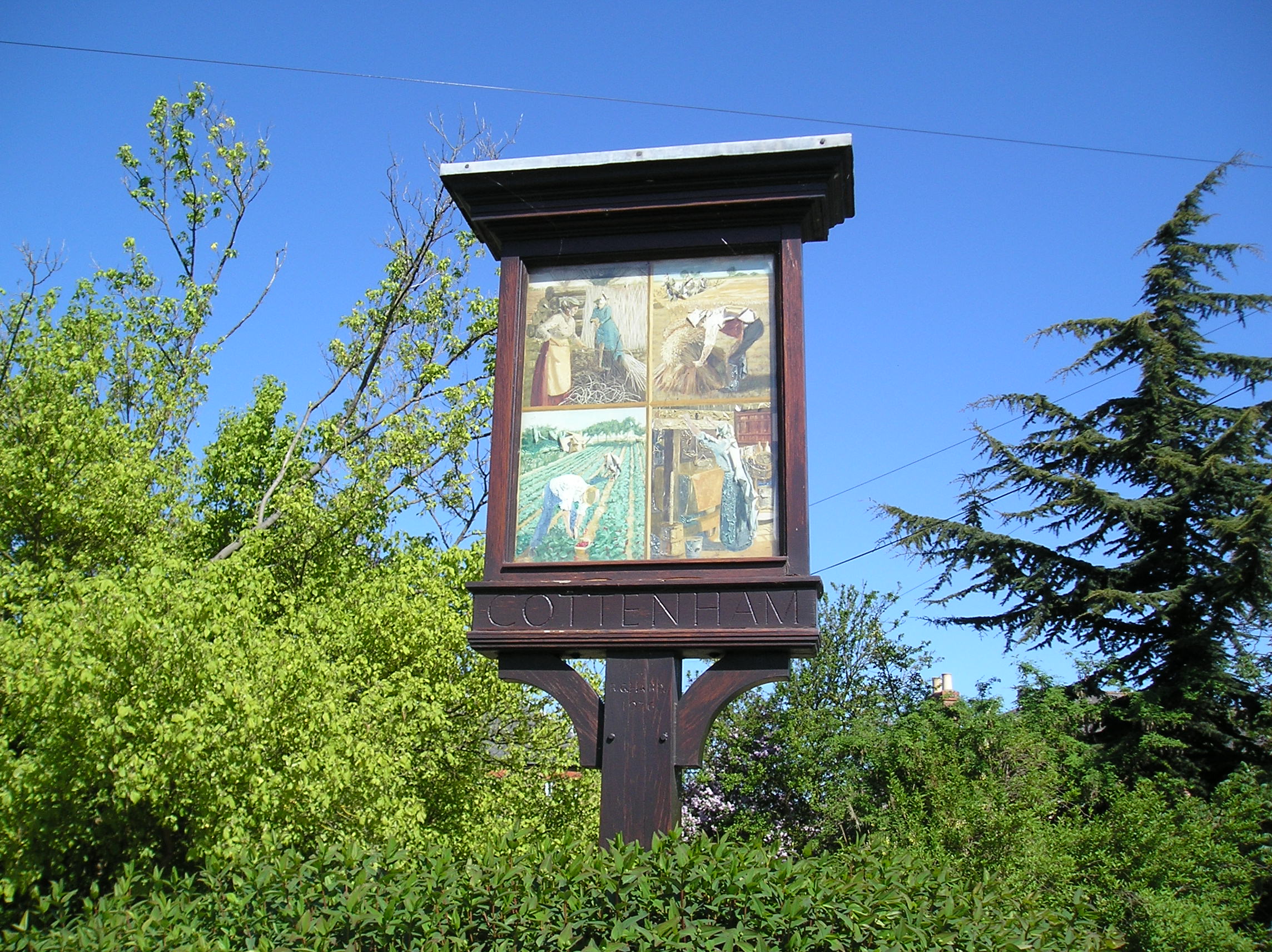
Cottenham, Cambridgeshire

On arriving in Cottenham you could be forgiven for thinking that it looked rather dull, albeit lined with some pretty little houses and some fine examples of Georgian and Gothic architecture, there was nothing much else to excite the senses. It reminded me a bit of that song by John Denver; Saturday Night in Toledo. Some of the lyrics go: “they roll back the sidewalks at night”.
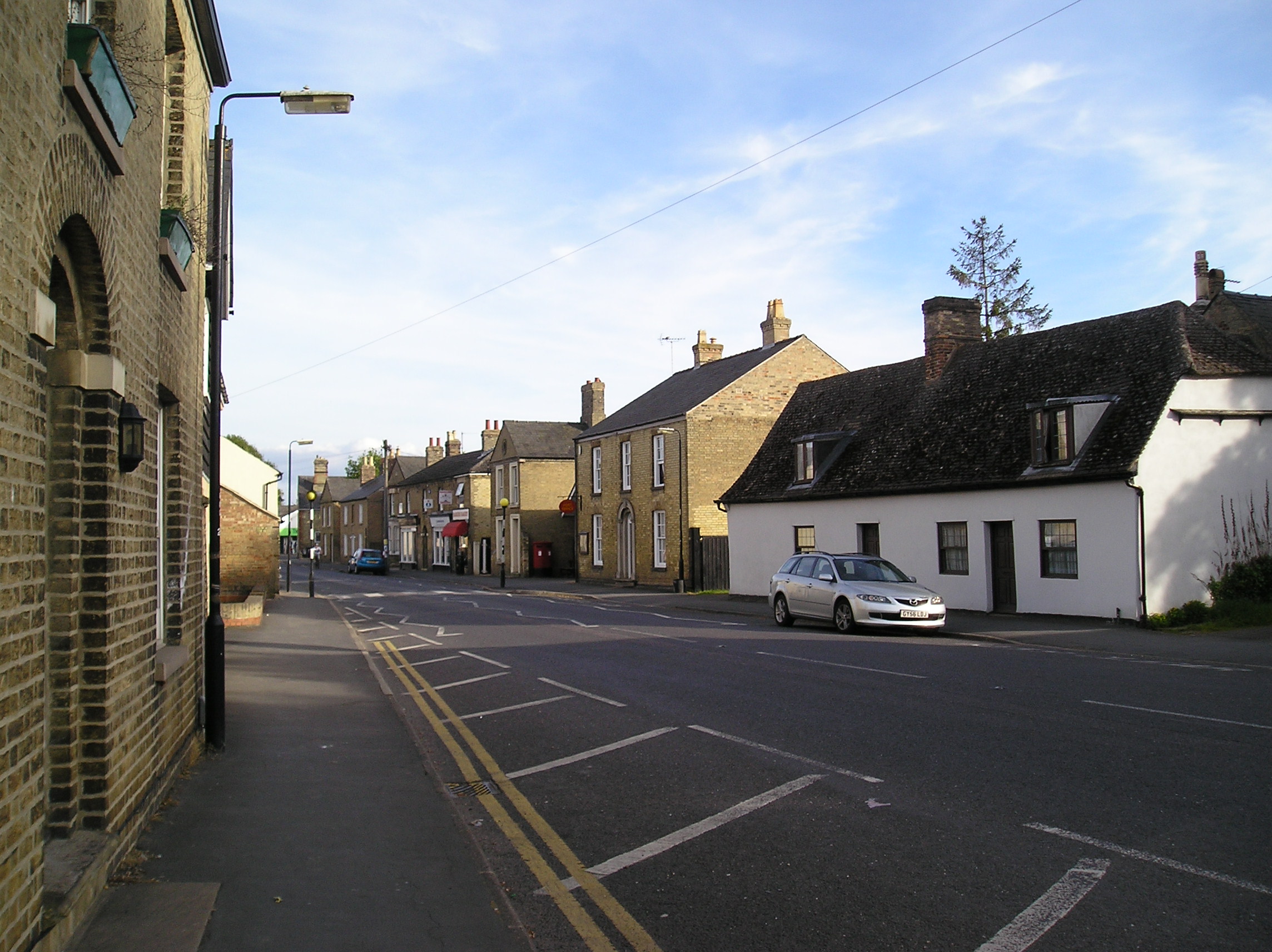
...they roll back the sidewalks at night

Ah! But wait, we have yet to discover what lies beneath!

Cottenham it seems has in fact existed since prehistoric times, and scattered discoveries of Mesolthic and Neolithic tools have been made. Now we are talking! 

On a bend in the ‘High Street’, kind of halfway between here and there,
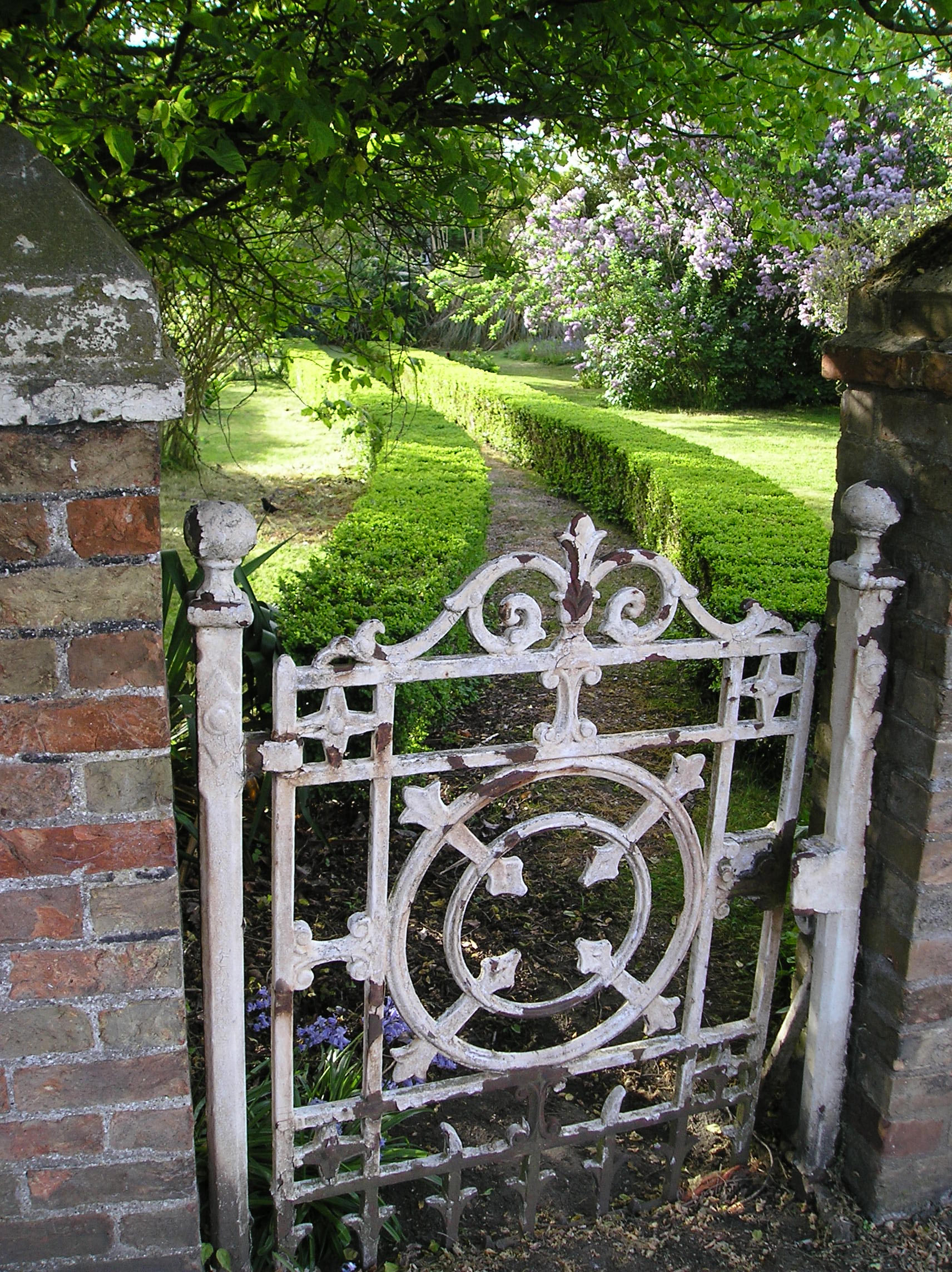
small part of the original settlement of Cottenham

on an area named the ‘pond’ of which there is currently no sign, are the markings of a very early ‘Roman’ settlement; now mostly built over with houses and buildings – the historic society has in fact been able to mark out the early boundaries of a formal settlement, long since disappeared into dust. 

What the area looks like now:
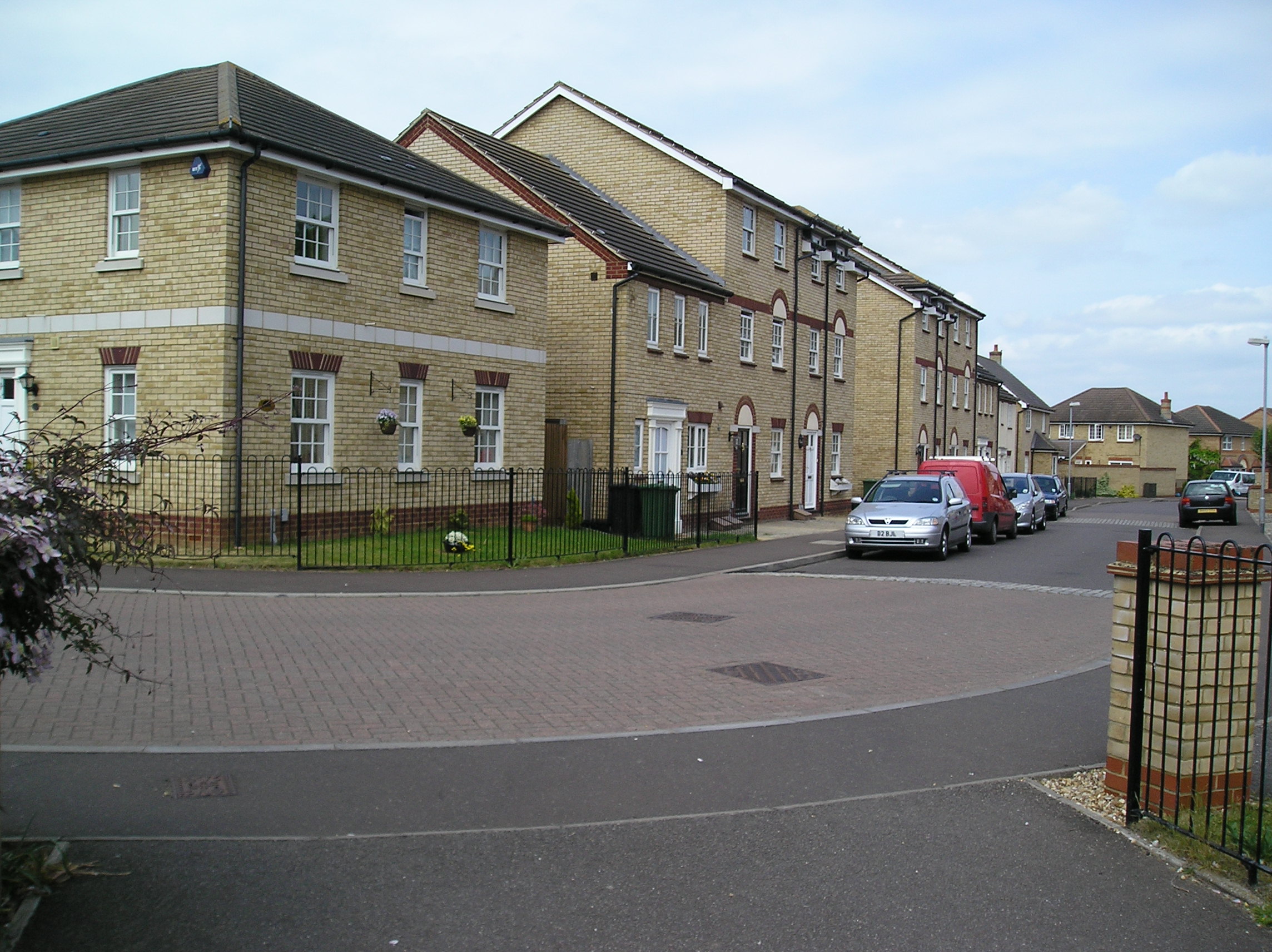
what was the original Saxon settlement site, now built over

part of the medieval Crowlands Manor, now built up

 Origin of the name Cottanham, appears to be Saxon, arising from the early English ‘Cotan’ for dwelling and ‘Ham’ for settlement. Most of the older houses along the High Street were at one time farmhouses.
The High Street, so named, is the longest in the country, measuring 1 & ¼ miles from the Green to the Church. The ‘Green’, a triangle of grass at one end of the village, is edged with lovely plane trees, planted in 1885 by Robert Ivatt, and was once the grazing ground for cattle, now an oasis of repose for the villagers, of which there are currently just over 5,000.

the Green at Cottenham, where they used to graze cows

Amongst the present inhabitants, many of whom are descendants of people who have lived here for centuries, are records of the Pepys family in the village since 1273 and the present Earl of Cottenham is a descendent of Samuel Pepys (the diarist) and recorder of the 1666 Fire of London.
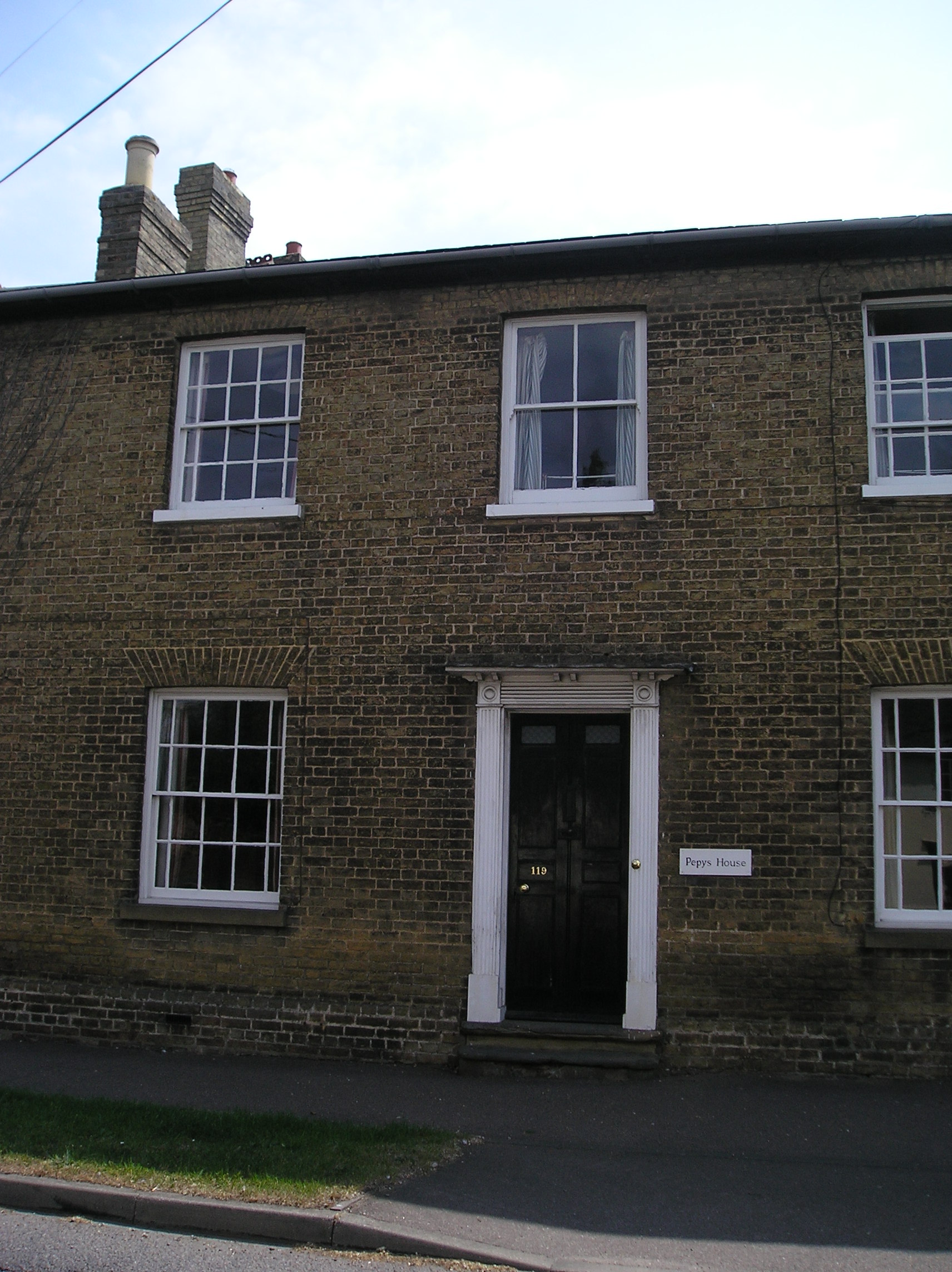
Pepys house (Samuel Pepys; diarist used to live here)

Two thirds of Cottenham itself, was destroyed by fire in 1676 (mmm, seems perhaps we should take a closer look at Mr Pepys then!) The lady I was caring for has herself lived in the same house since the day she was born 84 years ago, and inherited the house from her parents.

Across from the Green and on the fork of two roads is the War Memorial – unveiled in 1921 in honour of fifty nine local men killed in the 1st World War.

memorial to fallen villagers WW1

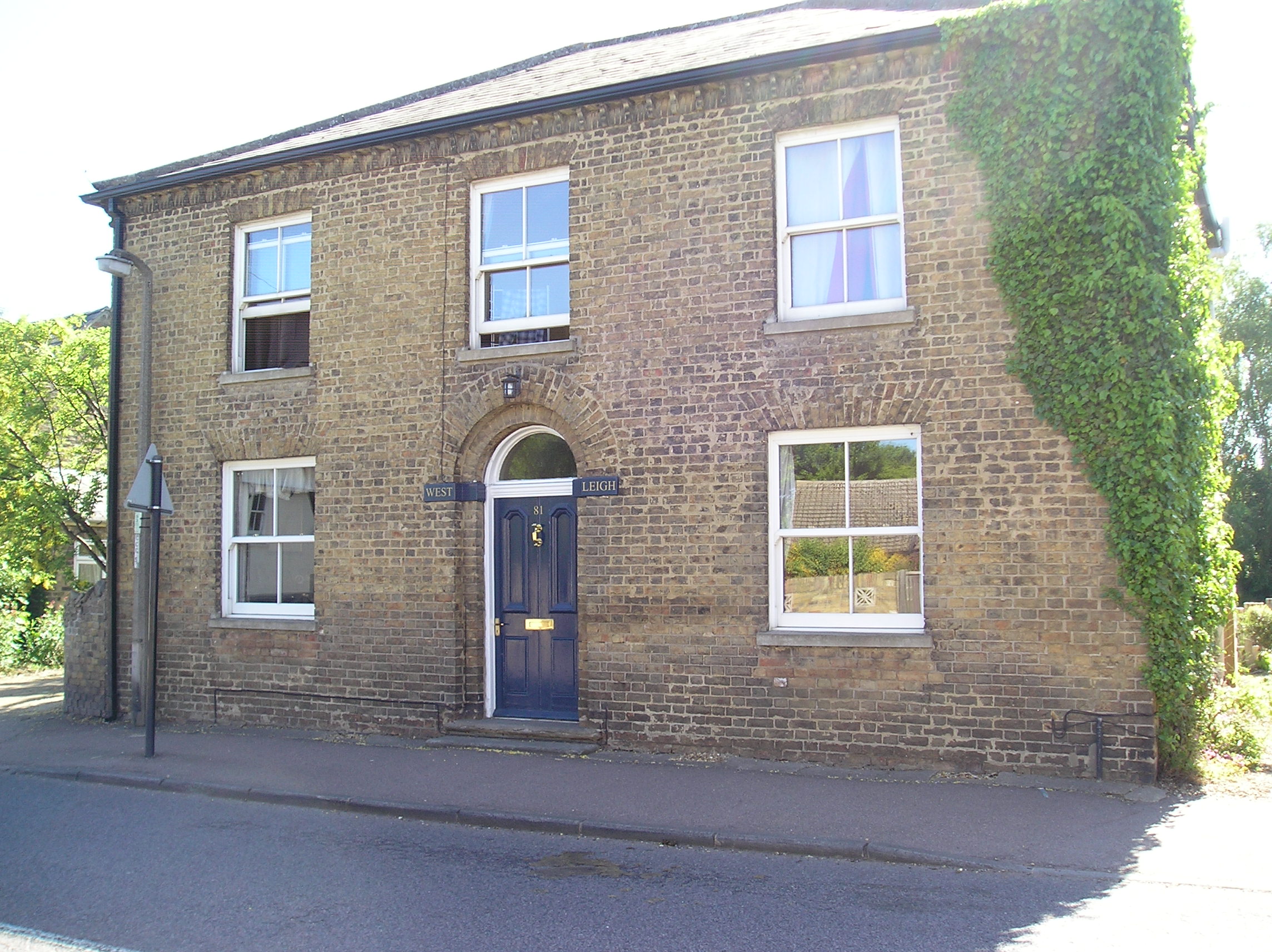
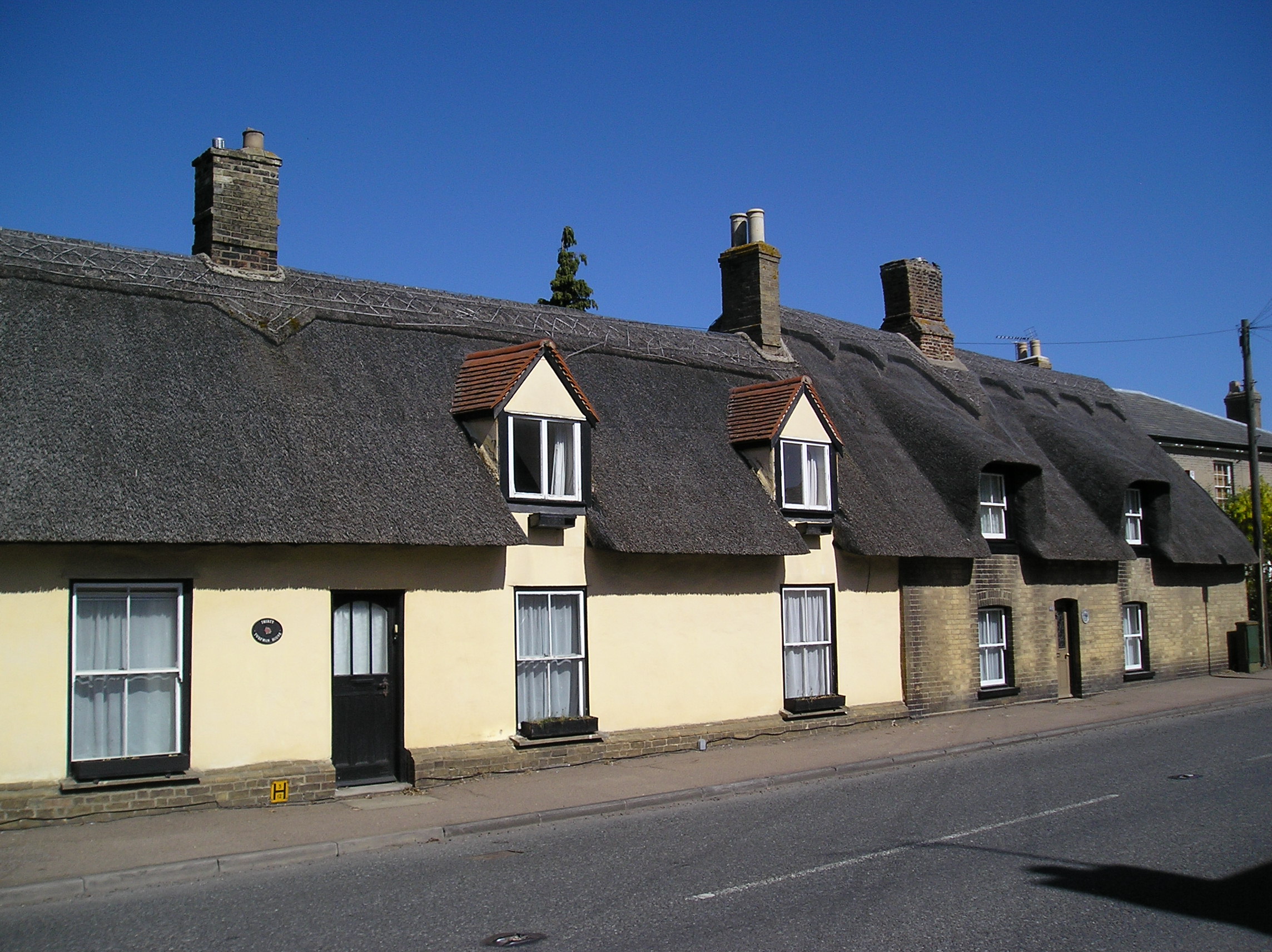
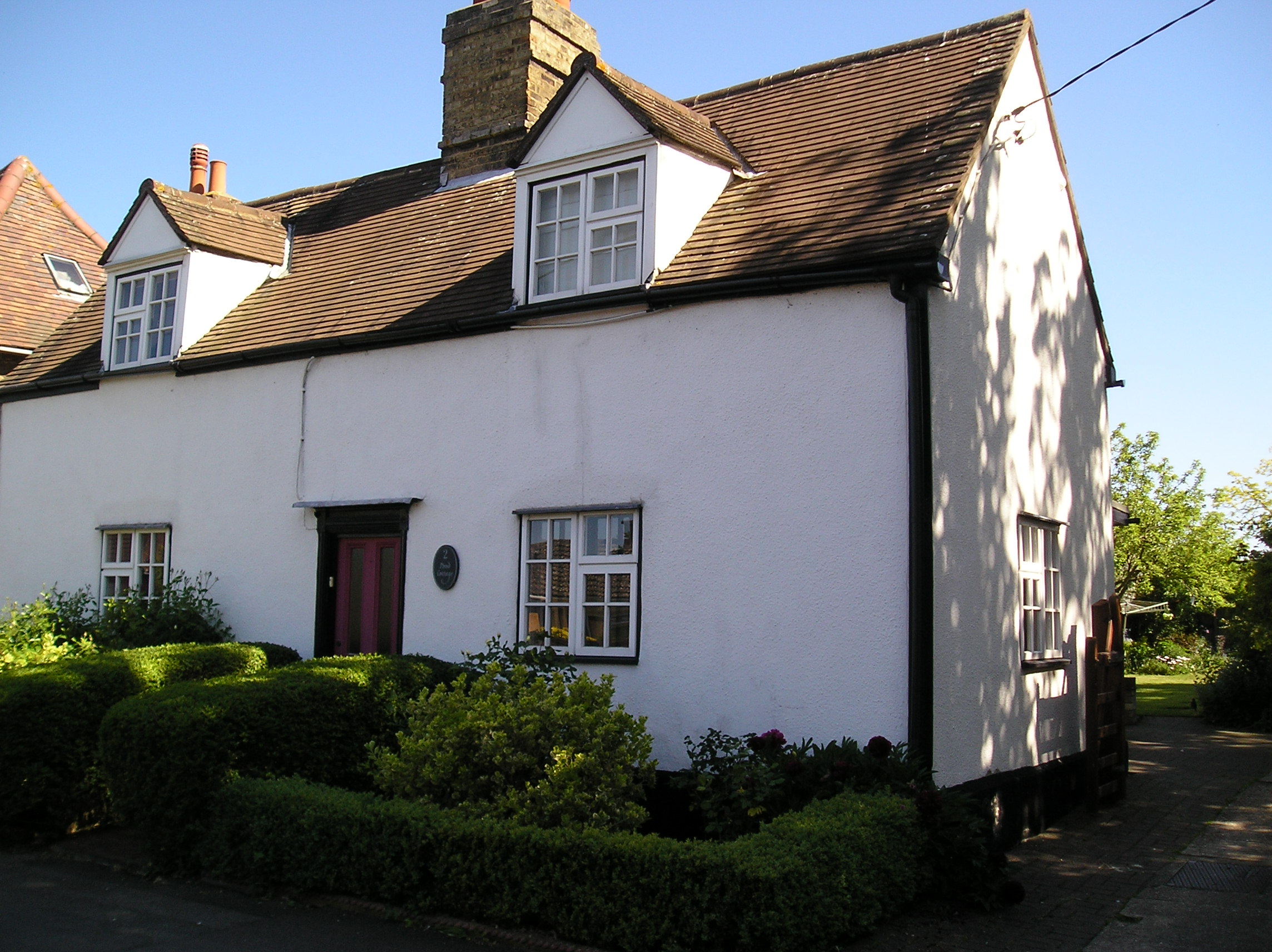
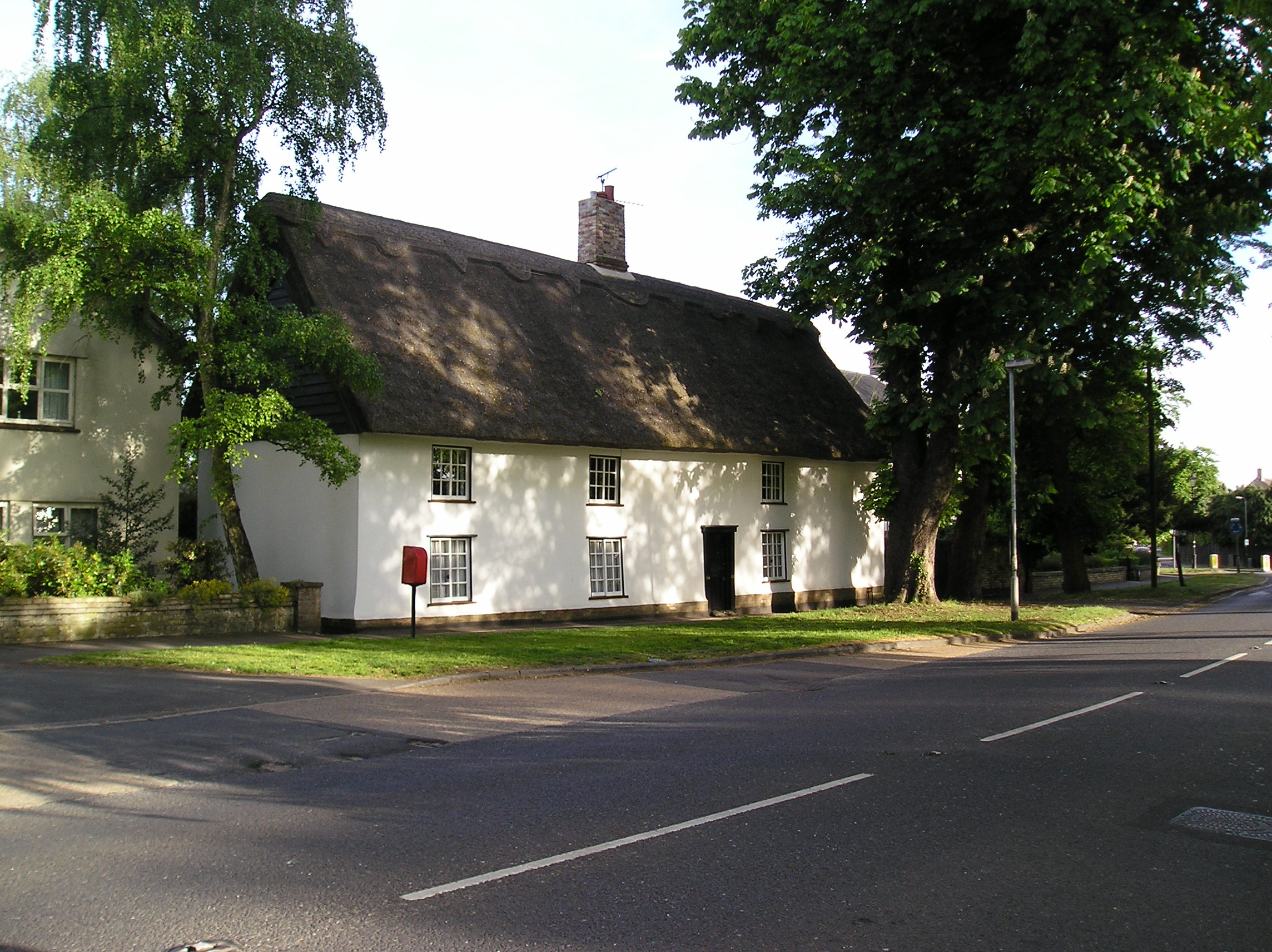
On closer exploration are many fine houses, some of which are centuries old:

Queenholme built 16th century
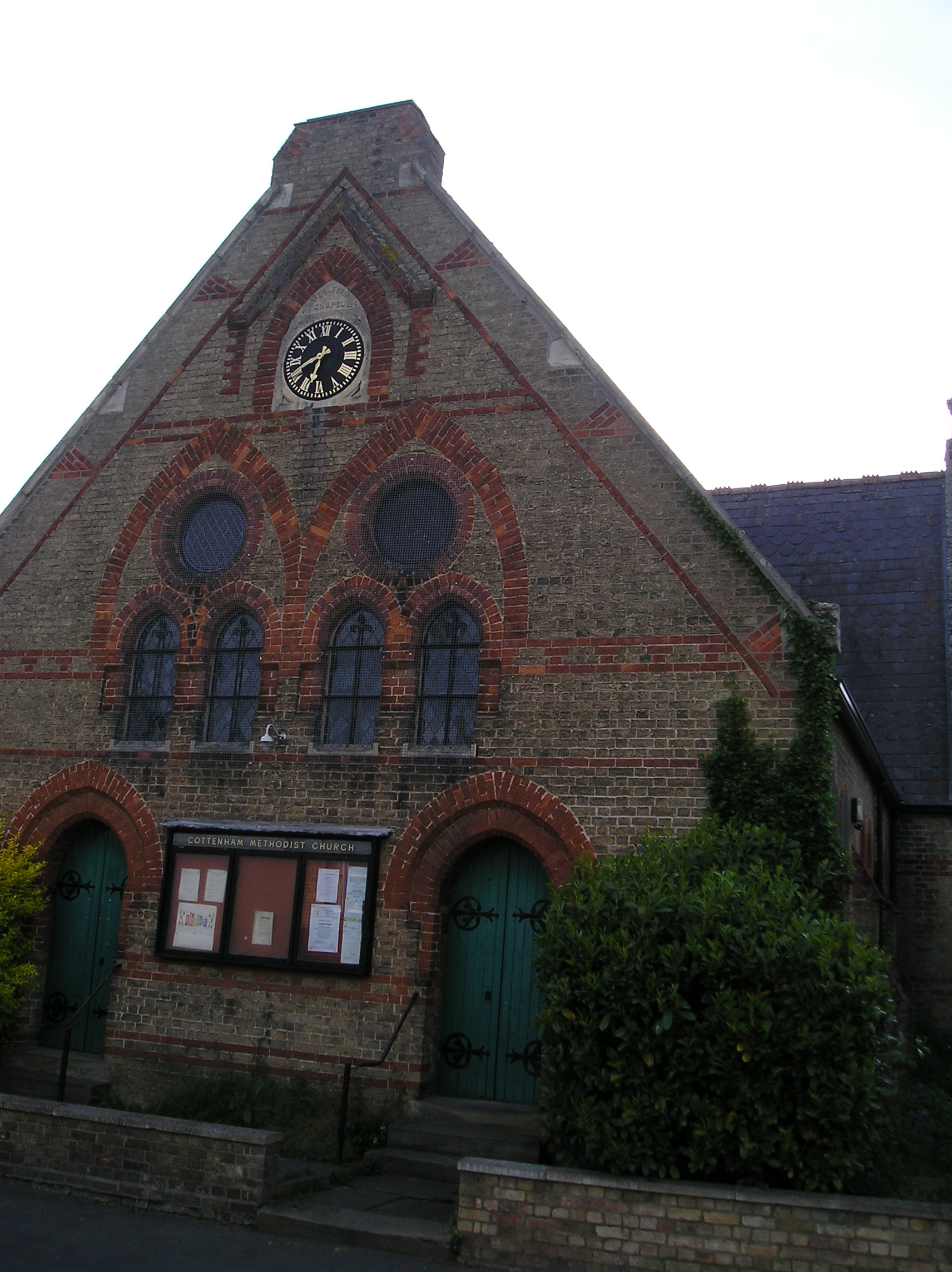
The Wesleyan Chapel built 1864
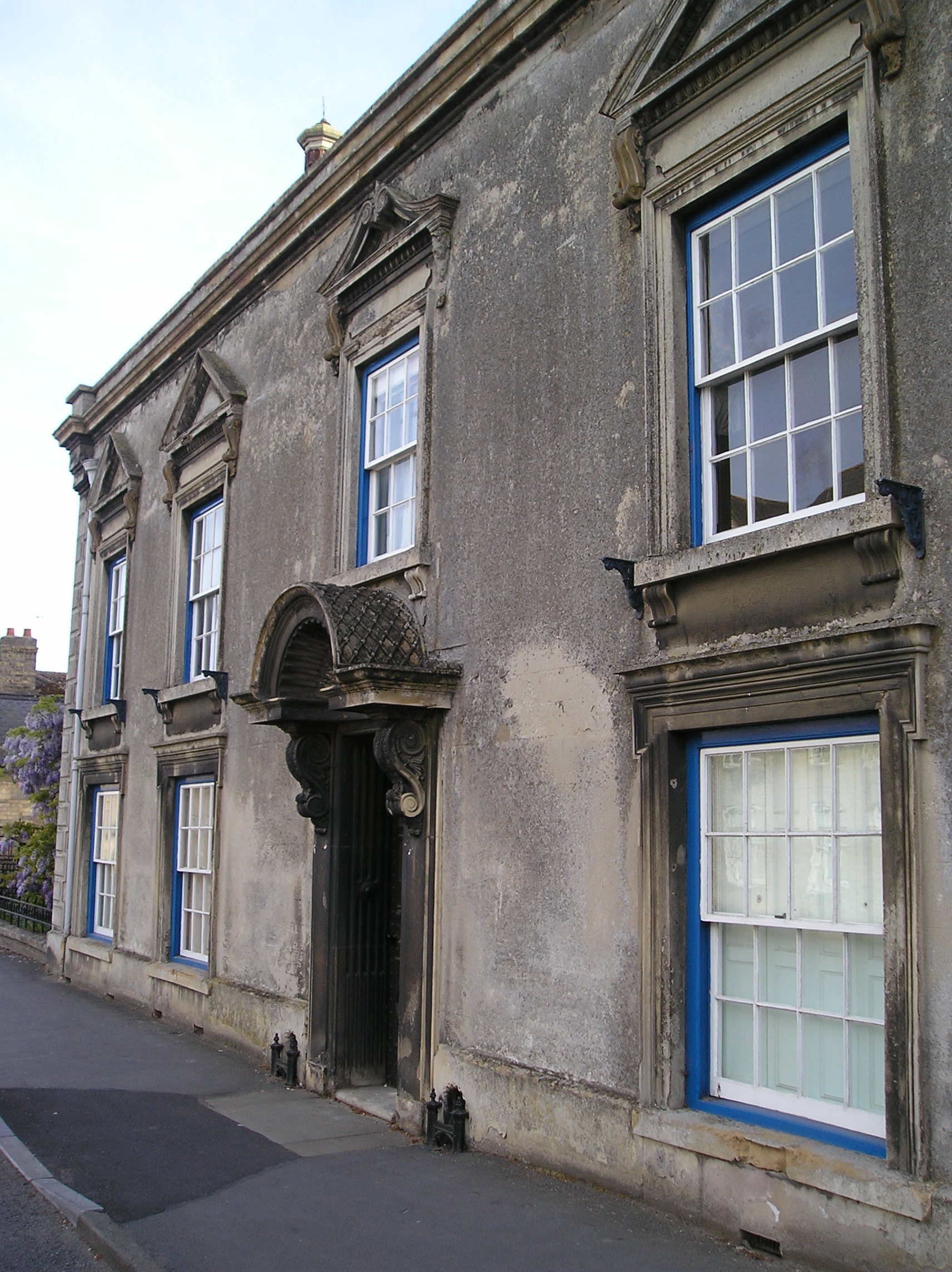
The Gothic House built in the 1730s, was a red brick house, bought by the Ivatt family in 1770 and greatly altered around 1860 when the decorative chimneys were built.

Gothic House

front facade of the Gothic House

wisteria draped over the side of the Gothic House

detail above the front door

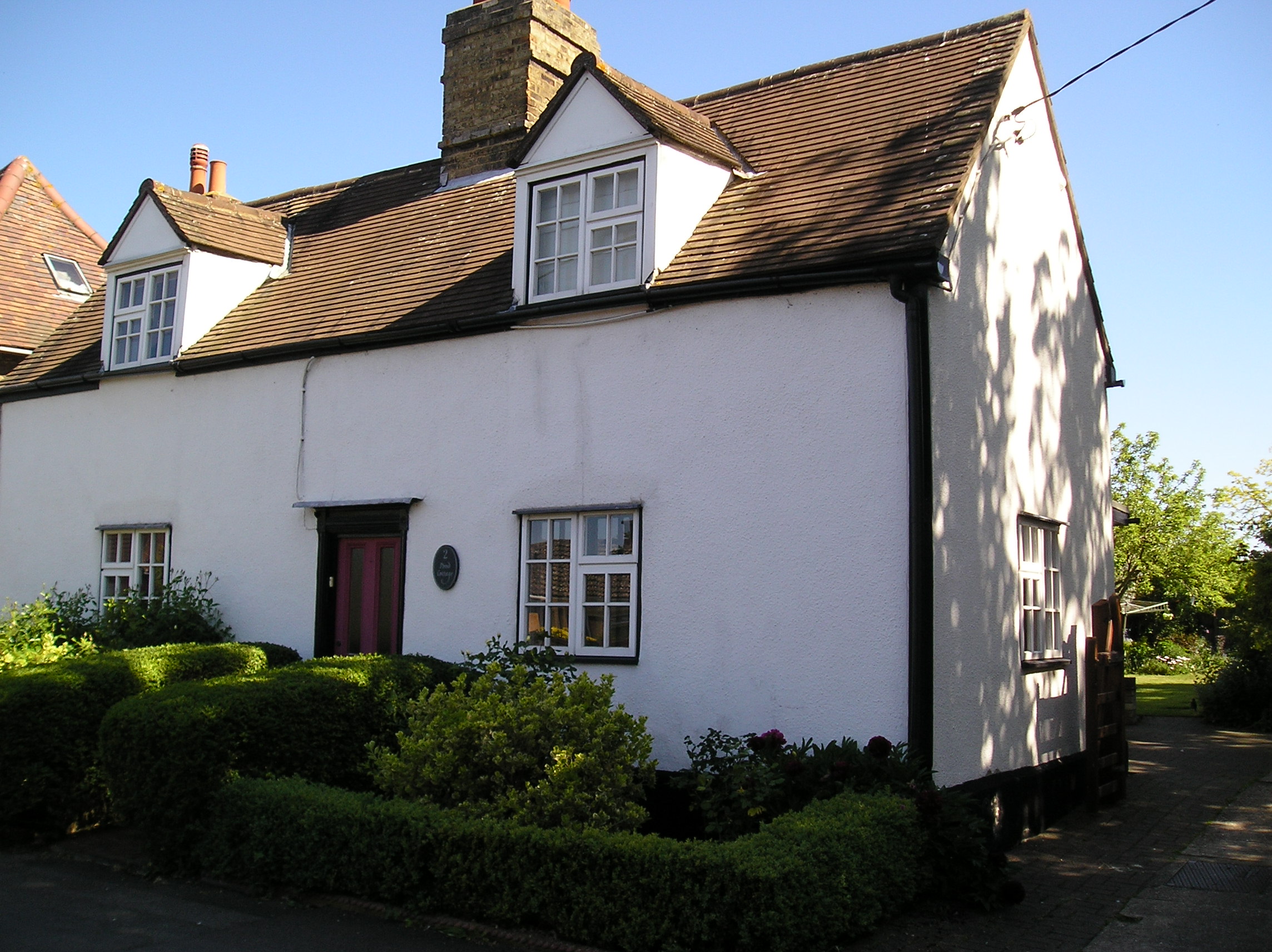
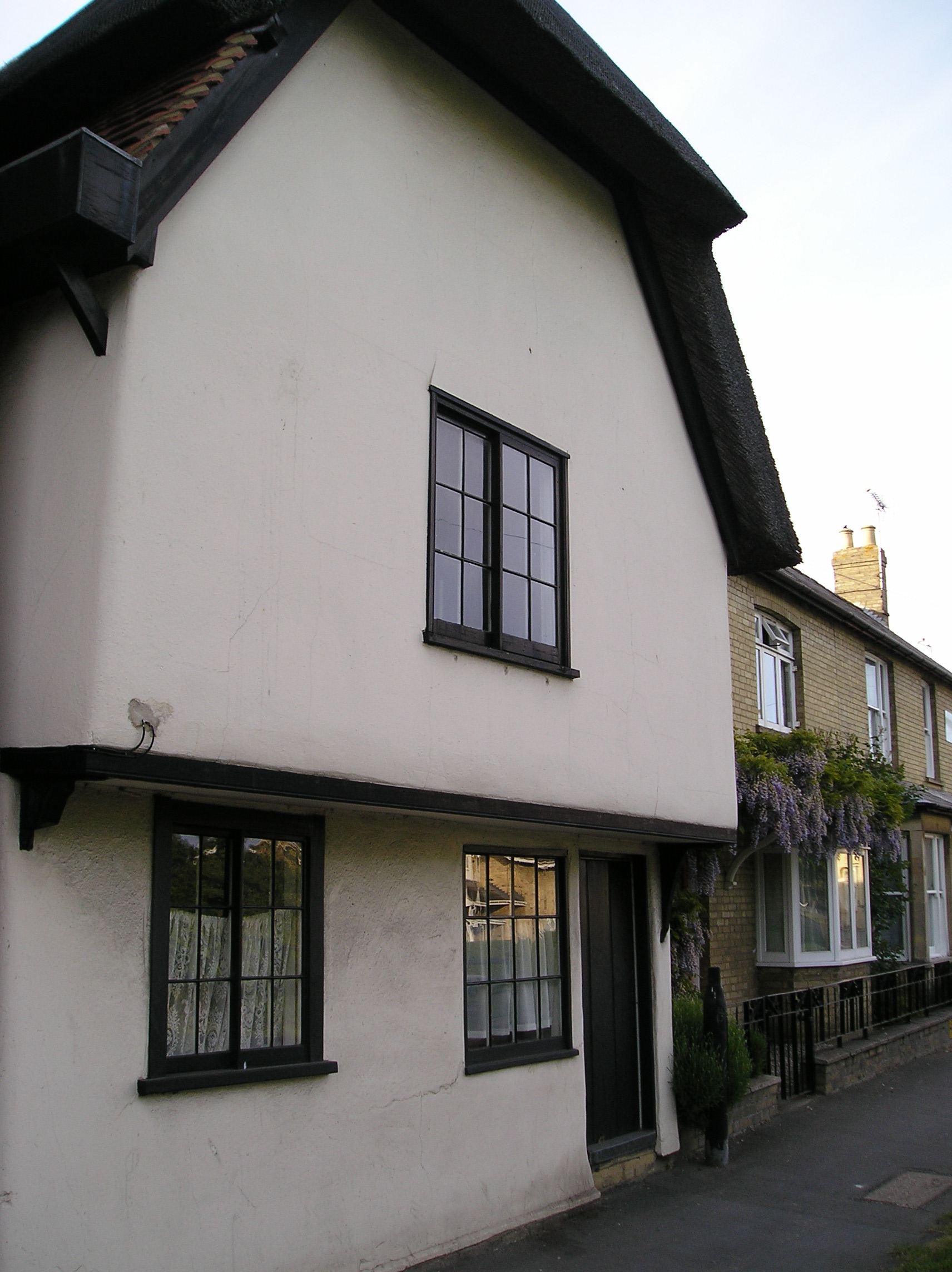
White Cottage – home to ancestors of Calvin Coolidge – American President 1923-29

White House (aptly named as it turns out)

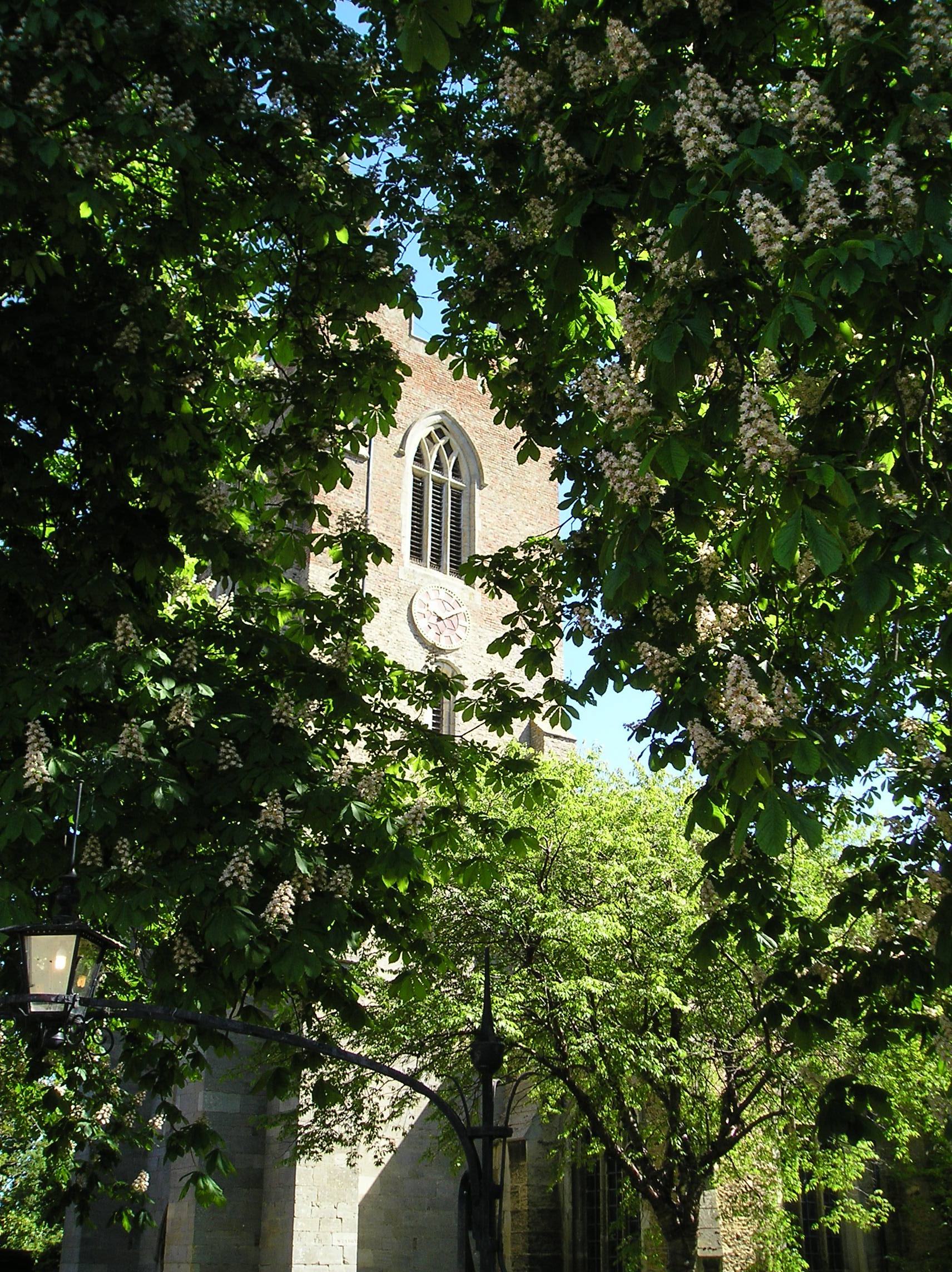
As I explored the area on Sunday, I was drawn by the sound of bells pealing out their call to prayer! The ‘Parish Church of All Saints’; has evidence of a church on this site from the mid-10th century.
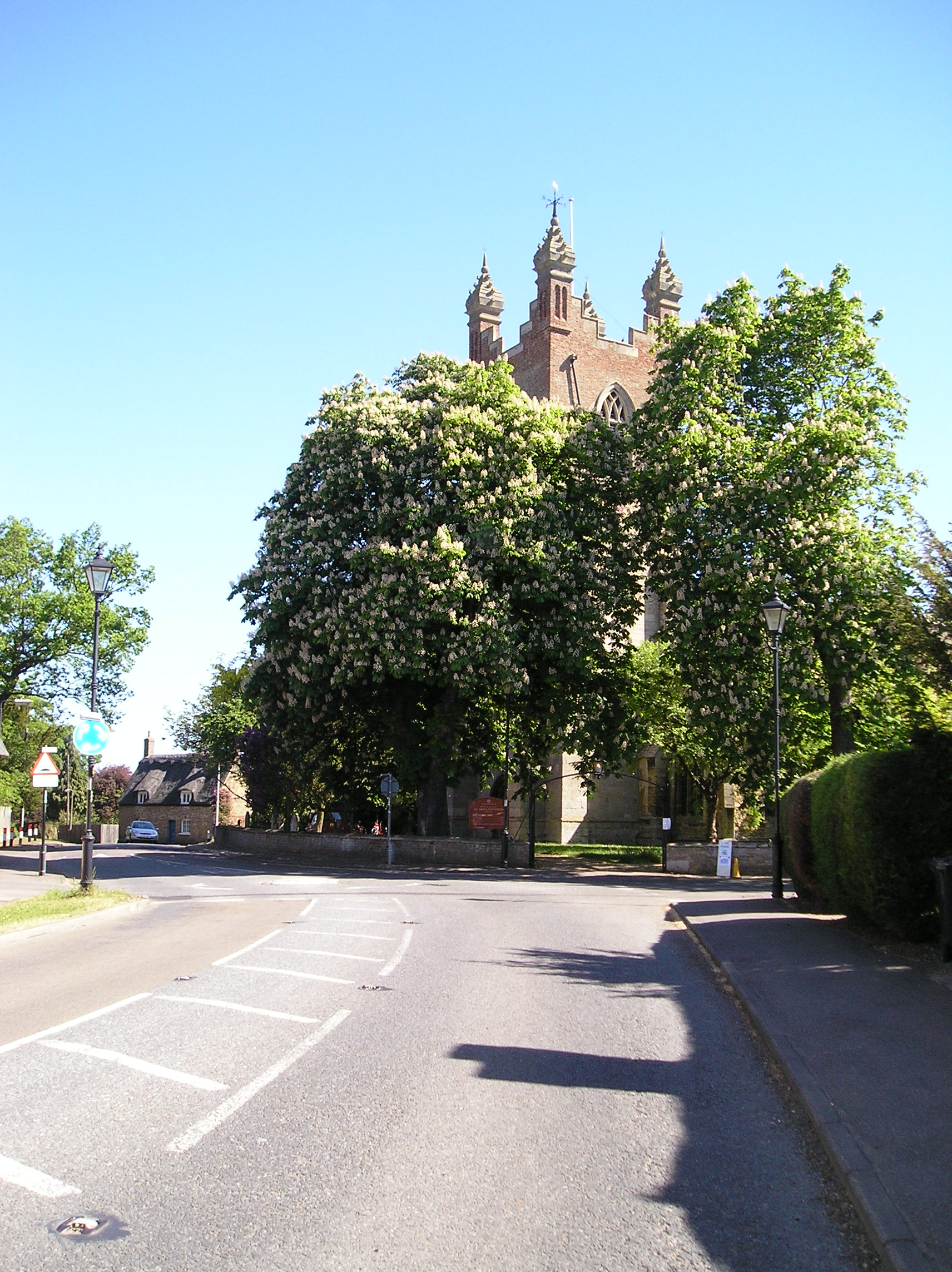
All Saints Church

The existing church was built in the 15th century, with a 100 ft tall church tower – and a sundial built into the side with the inscription – ‘time is short’.

'Time is short' inscription on the sundial

Across the road is the Old Rectory – dating back to the 16th century. In 1644 the Rectory was given to Oliver Cromwell’s sister; Robina. (I guess no-one would have argued with that).

At that point the road leaves the village proper and now becomes Twentypence Road – which derives it’s name from a parcel of thirty acres of land on the Cottenham side of the River Ouse, as described in Richard Atkins survey of the Fens in 1604.

Twentypence Road

At one time there were four pumps in the village, and with all but one subsequently removed, the remaining pump – erected in 1864, was moved to the Green in 1985 along with the horse-trough.
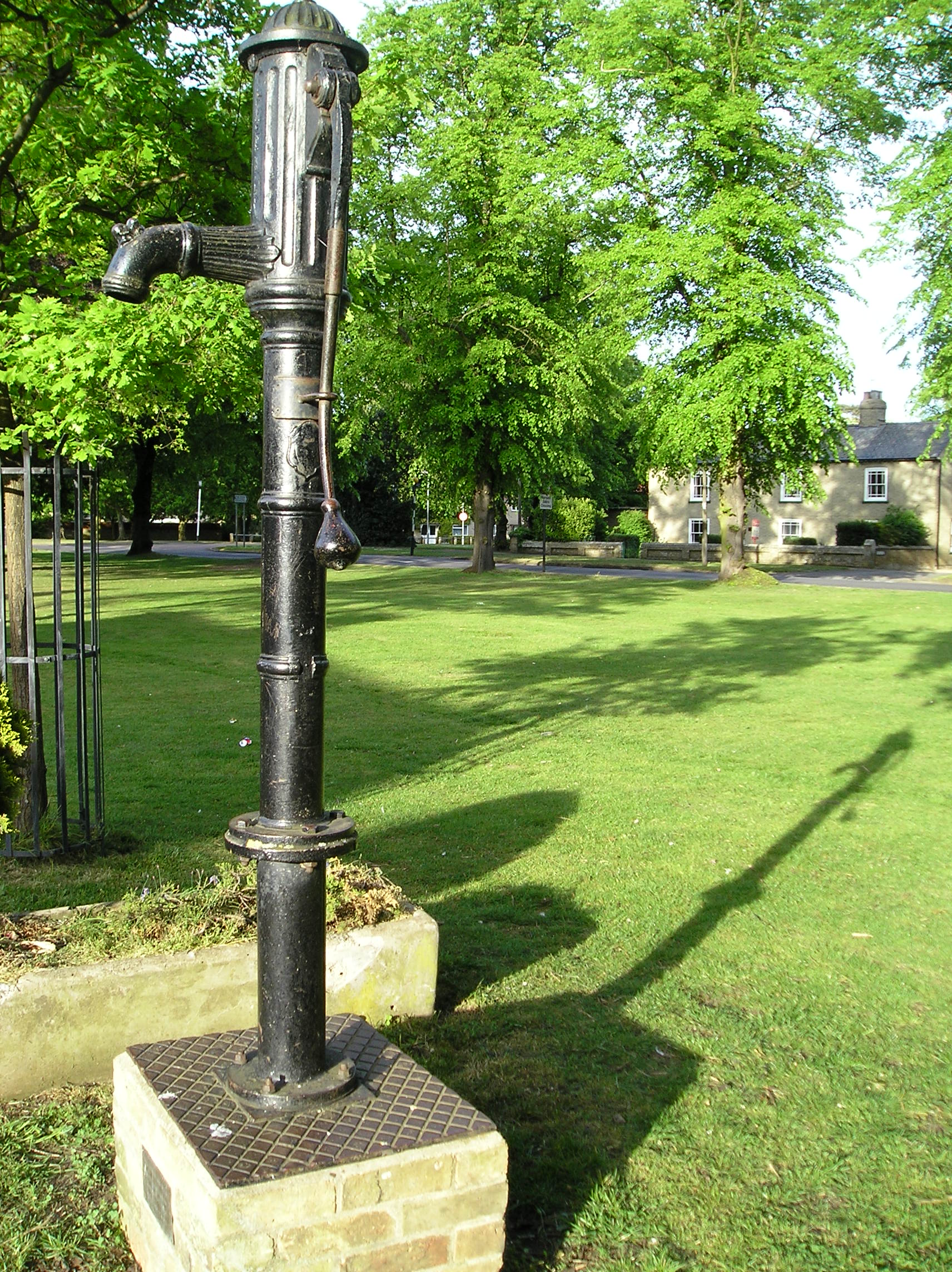
water pump and horse trough

Cottenham was a treasure trove of old houses, ancient history and houses with stories behind their walls.

Although the main road through the village was quite busy during the day the villagers seemed to prefer a lighter form of transport

the villagers preferred mode of transport!

On the sidewalk was a sight common in these villages; a sign board with description of goods for sale. In this instance ‘Pink Peony plants’, unattended, left on a stand or in a box or wheelbarrow, and as is common the instructions for payment are: “please put money through the letterbox”.

'Pink peony plants' - leave money in the letterbox

One day I discovered a book that detailed the history of the village and had a fine old time digging a bit deeper.

85 High Street; house of Fred Stone – watch and clockmaker and music teacher

house of Fred Stone - watch and clock maker

next door was the old Jolly Millers public house – burnt down in 1898 (now rebuilt)

Jolly Millers pub

Pond Villa’s built in 1902, and the last houses in the village to be built from Cotteham brick
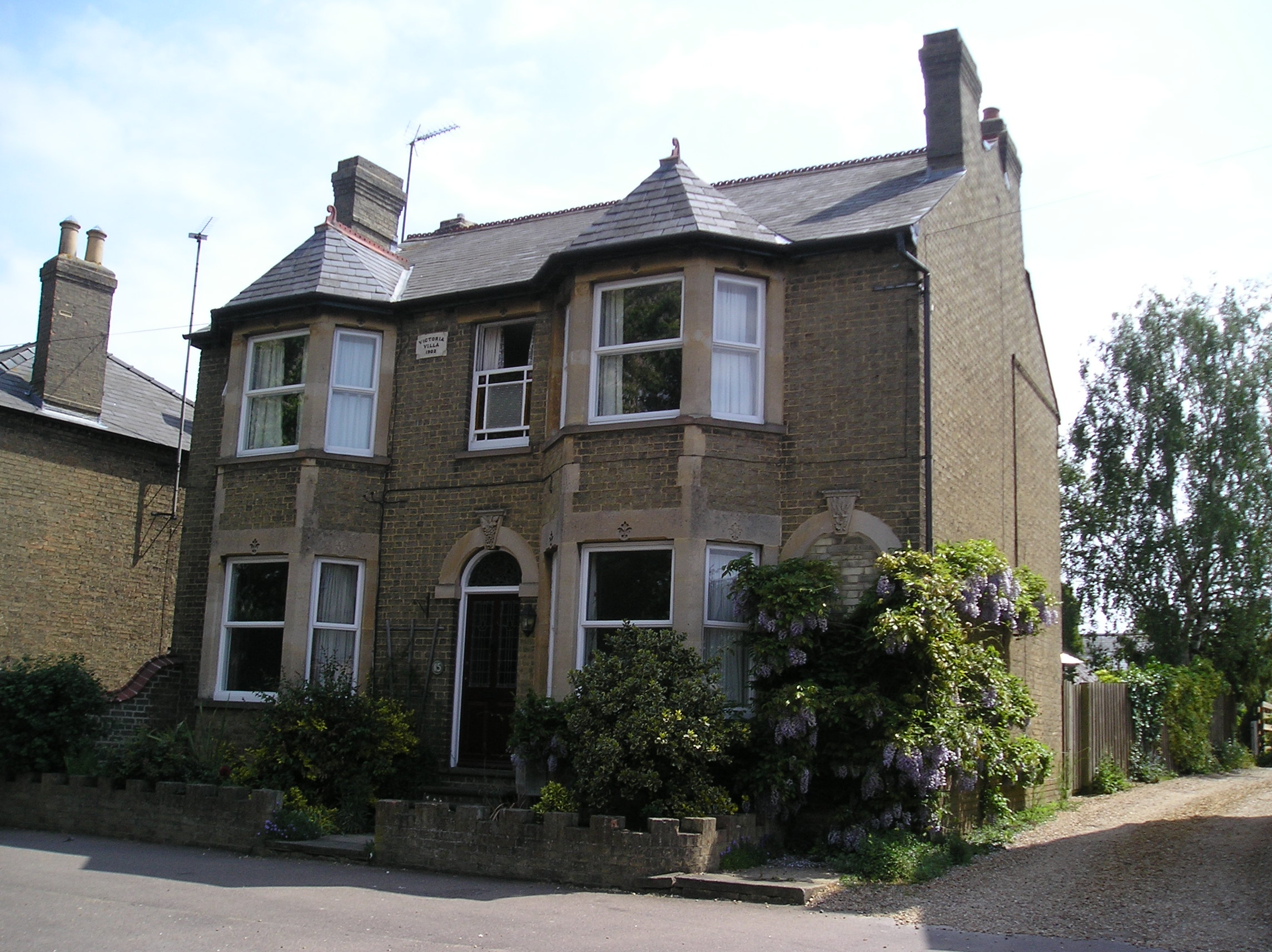
Pond Villas
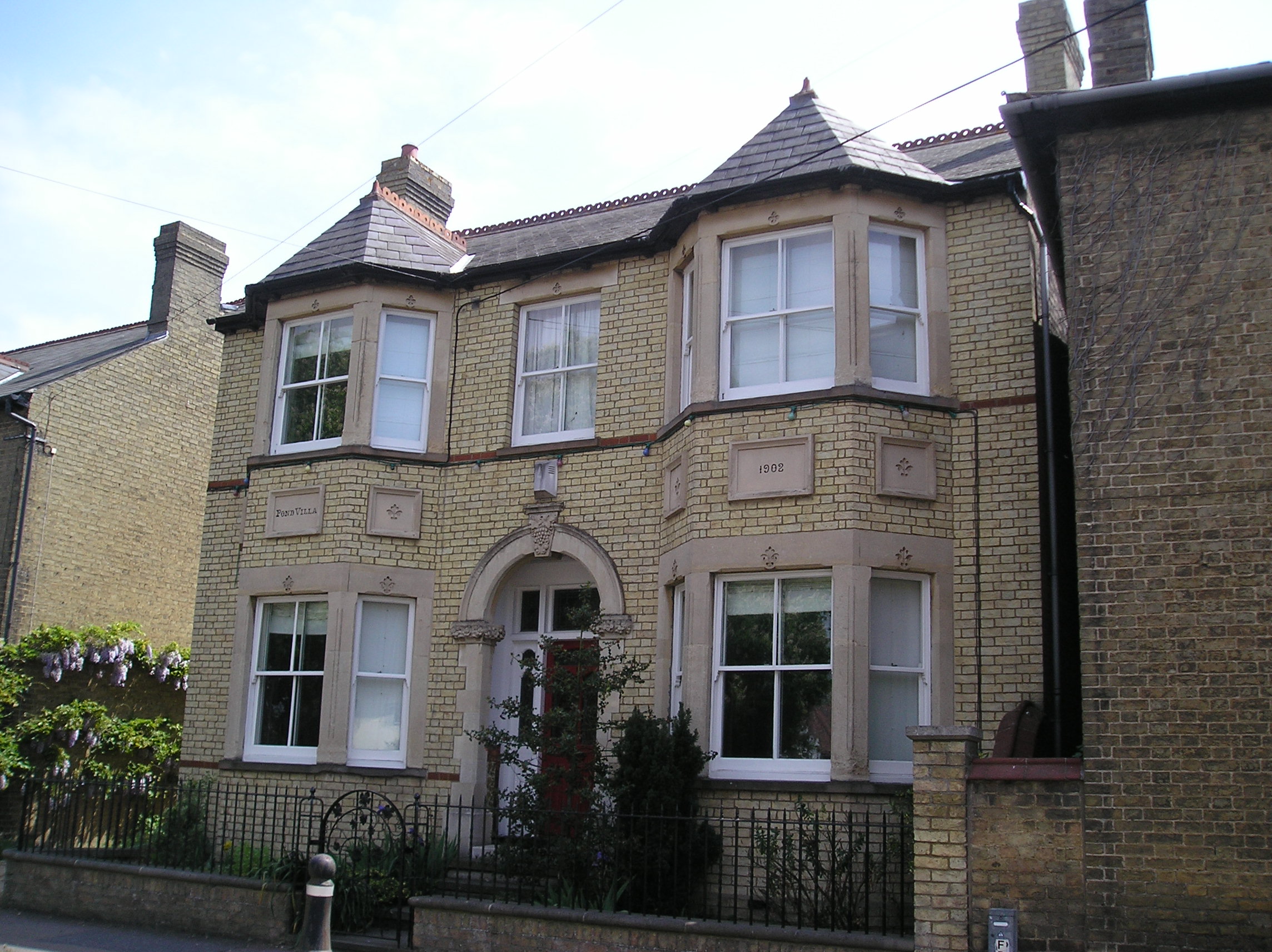
Pond Villas

120 High Street – Pond Farm; A group of fifty dissenting families, which called itself ‘The Church Congregation Society of the Protestant Dissenters of the Denomination of Independence’, worshipped in the barn behind this 17th century Farmhouse. Pond Farm was also the site for meetings of the Ranters, or Primitive Methodists.
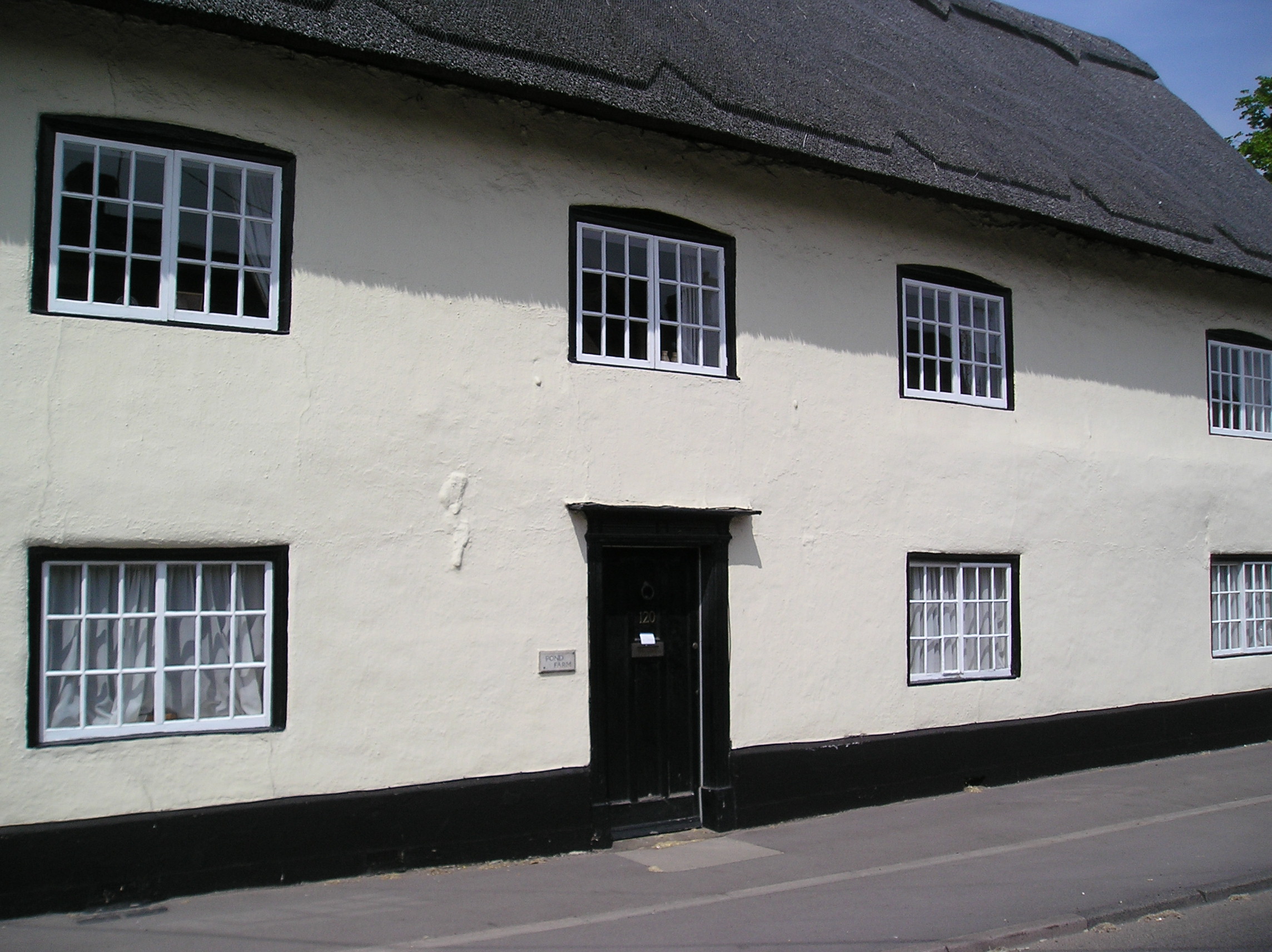
Pond Farm

The village was a delight in it’s various architechtural styles.
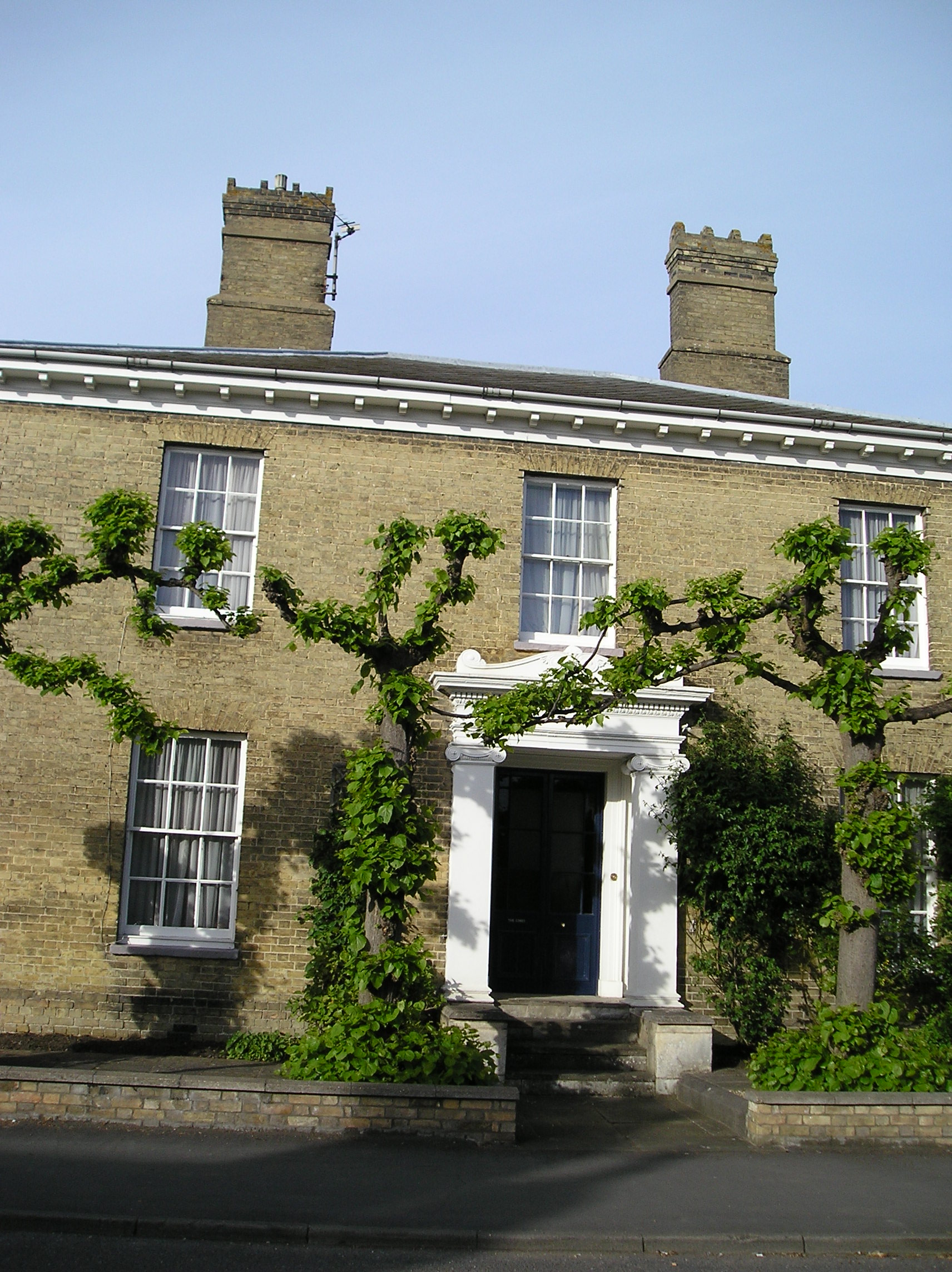
Ivy House

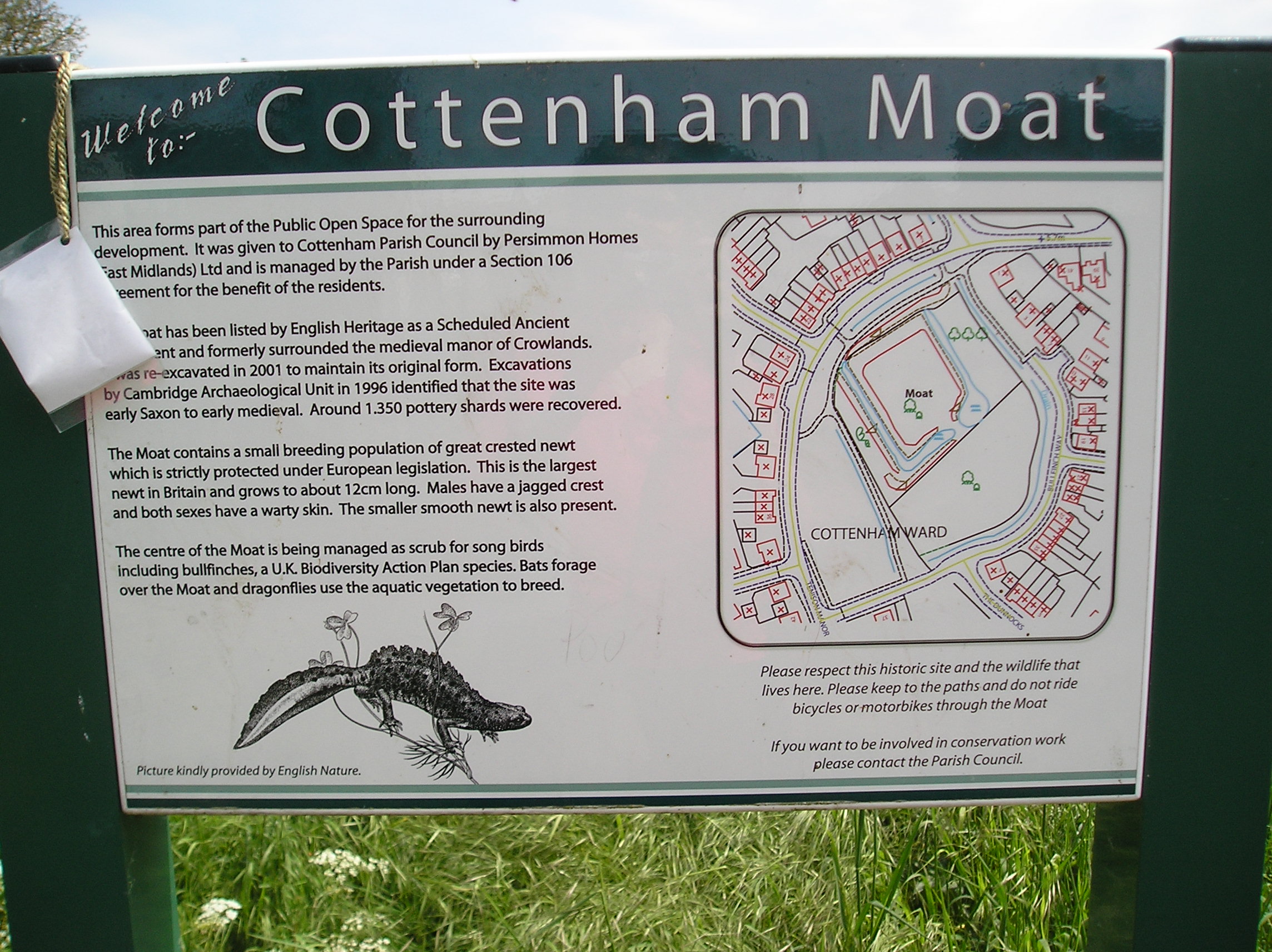
Before leaving I took a stroll over to the old Saxon area to see the moat

Cotttenham moat

Cottenham moat - a scheduled ancient monument

The area has been listed by English Heritage as a scheduled ancient monument. The moat contains a small breeding population of great crested newt, which is strictly protected under European legislation.
And that was my excursion to Cottenham, a quaint English village in Cambridgeshire, not too far from Cambridge and a treasure trove of ancient and new.

Read Full Post »

 The last few weeks in the run up the elections and subsequent to the conclusion, has been a most interesting time, even though twitter would not allow me to say so!!

I have so enjoyed watching the political machine in operation and this time around it was quite different to the last, with much more emphasis on ‘honesty’, ‘change’ and blah blah blah…real American style political spin, and hugely entertaining.

I thoroughly enjoyed the Party Leaders’ televised debates and found the body language of the participants to be quite revealing; esp the photo on the inside page of a daily paper showing Mr Brown and Mr Clegg mirroring each others lecturn pose, whilst at the other lecturn Mr Cameron stood aloof, looking upwards and away from his opponents. I thought for sure this indicated a possible pairing if indeed we had a ‘hung’ parliament, which as it turns out we don’t, but do!

I was unable to vote this time around and fortunately too, as I would most likley have voted Liberal-Democrat since Mr Clegg came across as a safe-harbour in a storm of accusation and counter-accusation between the two major parties……as it turns out, I am glad now that I was not able to vote!

As you well know, we now have a coalition government, with the Cons and the Libs cosying up side-by-side, new bedfellows, with the Labs left out in the cold.

Mr Brown proved to be a reluctant loser, dug in his heels and tried to woo the losers into bed with himself and his party! Looking at it from the outside, I could have told him to forget it….the fresh young lads appealed far more to our ‘celebrity’ society that prefers prettiness to age. And so it was inevitable that we would say ‘Goodbye Mr Brown’.

Watching Mr Brown’s diginified, albeit by some accounts calculated resignation, I was for the first – mmm, no make that the 2nd time quite taken with himself; having not been a fan before.  The other time being the interview  Jeremy Paxman just before the voting.  His obvious emotion at giving up what had been the cherry on the top of a long political career after such a short time must have been a devastatingly personal blow. Much like studying for years to be a Doctor and failing your exams, or a marathon runner after years of practise and hard-effort losing the gold for bronze. Especially harsh in the knowledge too that millions of people in the country were eager to throw him out!

What particularly struck me while watching his address outside Number 10 Downing Street was the sorrow and stress evident on the face of his lovely wife; Sarah. I have long admired this particular lady, followed her on twitter and watched as she took what in my mind was centre stage, eclipsing her husband in style and grace, much as Michelle Obama did her husband.

My thoughts were…”why did we not vote for her to become Prime Minister?” Absurd perhaps, I am sure some readers would say, but how strong and fortitious must she be to have stood by her man through such an evidently difficult time and yet always managed to look graceful, charming and delightful with that wonderful smile that hides sorrowful memories and the knowledge that so many of her fellow countrymen despised her husband.

I for one am sad at the loss not of our ‘most powerful’ leader, but rather that no longer will we be charmed by the lovely Sarah on a regular basis. I do hope though that she continues to tweet, perhaps no longer as @sarahbrown10 but rather as @sarahbrown

So whilst the world looked on as Mr Brown tendered his resignation and stepped down to attend to his 1st most important job of Husband and Father, let us cheer for the lovely Mother and Wife as we say ‘Goodbye to Mrs Brown’, and let us be reminded that behind every successful man, stands an incredible woman.

I for one wish her well and hope that she stays in touch (so to speak).

photos courtesy of zimbio.com & topnews.in

p.s. I just noticed on the news section of yahoo whilst looking for photos, that Sarah will indeed continue to tweet, now as @Sarah BrownUK……..hooray! 🙂

Read Full Post »

Explore the British Museum:  Great Russell Street, London, WC1B 3DG
 

The British Museum was founded in 1753, the first national public museum in the world. From the beginning it granted free admission to all ‘studious and curious persons’. Visitor numbers have grown from around 5,000 a year in the eighteenth century to nearly 6 million today.

The Museum is free to all visitors and is open daily 10.00–17.30

the British Museum forecourt (on a sunny day) 🙂

The origins of the British Museum lie in the will of the physician, naturalist and collector, Sir Hans Sloane (1660–1753).

Over his lifetime, Sloane collected more than 71,000 objects which he wanted to be preserved intact after his death. So he bequeathed the whole collection to King George II for the nation in return for a payment of £20,000 to his heirs.

What’s on:

Kingdom if Ife – Sculptures from West Africa – till 6th June 2010

Fra Angelico to Leonarda – Italian Renaissance drawings – till July 25th 2010

Impressions of Africa – money, medals and stamps – till 6th February 2011 – free

Treasures from Medieval York – England’s other capital – till 27 June 2010 – free

The British Museum’s collection of seven million objects representing the rich history of human cultures mirrors the city of London’s global variety. In no other museum can the visitor see so clearly the history of what it is to be human.

Amongst the exhibitions you can see:

The Rosetta Stone –  A valuable key to the decipherment of hieroglyphs, the inscription on the Rosetta Stone is a decree passed by a council of priests. It is one of a series that affirm the royal cult of the 13-year-old Ptolemy V on the first anniversary of his coronation.  Soldiers in Napoleon’s army discovered the Rosetta Stone in 1799 while digging the foundations of an addition to a fort near the town of el-Rashid (Rosetta). On Napoleon’s defeat, the stone became the property of the British under the terms of the Treaty of Alexandria (1801) along with other antiquities that the French had found.  The Rosetta Stone has been exhibited in the British Museum since 1802.

as well as cultural displays of:

The Akkadian Dynasty; Assyrians & Aztecs; Babylonian & Bronze Age; Celts, Vikings & Tudor England; Edo period Japan, Meiji era Japan; old and new Kingdoms of Egypt; Zhou Dynasty China; Medieval Europe, Victorian Britain and Greek, Roma and Nasca cultures, amongst dozens more.

Explore world cultures: Africa, Asia, Europe, Middle East, Oceana, The Americas.

Be sure to visit the History of the World  in 100 objects exhibition

You could quite literally spend the whole day there and not be bored.  It is just fabulous and a must see for very visitor to London!

Getting there: nearest tubes stations with a short walk: Tottenham Court Road (Central & Northern Lines), Holborn (Piccadilly & Central Line) & Russell Square (Piccadilly Line) is the closest and takes you through a lovely garden square.

If you fancy a bite to eat after enjoying the displays, there is an onsite restaurant and on the way to Russell Square station is Hotel Russell where you can enjoy an traditional English Tea in very spendid and posh surroundings, reminiscent of old Colonial England.

Hotel Russell - London near Russel Square

Thanks to The British Museum for links, info and photos and Hotel Russel Square for photo.

Read Full Post »

UPDATE: 17.10.2012 – the Olympics are over so now all areas are once again accessible :). Hope you enjoy the walk.

UPDATE: 18.04.2011 – this post was written for a friend last year.  However, feel free to use the information herein.   I have a blog on London where you can find out a lot more about fun and interesting things to do and places to go while you are here – go to http://3daysinlondon.info/  Wishing you a fab time in the city.

So assuming your free time is the whole 6 hours I would suggest that you go to Green Park and visit Buckingham Palace to see the fabulous flowers (seasonal) and then take a walk to Big Ben & Houses of Parliament; so here goes:

Buy a one-day travel card for zones 1-6 at Heathrow Underground Tube station, off-peak Zone 1-6 £8.50 this will allow you unlimited travel from Heathrow to and in and around Central London and back again. If you travel before 09:30 the cost will be substantially higher. For further fare info click here which will take you to TravelforLondon website showing fares/zones.

Hop on the Piccadilly Line which runs from all Heathrow terminals. Allow an hour for the journey and go to Green Park (it’s direct).

Get off at Green Park and take the exit straight into Green Park.  Stroll through the park till you reach The Mall and on the right you will see Buckingham Palace = approx 10-15 minutes stroll allows you time to look around and enjoy the many features.

Buckingham Palace

At Buckingham Palace spend some time looking at the Victoria Memorial Gardens and the Queen Victoria Memorial fountains.

Victoria Memorial Gardens

then take a walk along The Mall towards Trafalgar Square.   On your way take a stroll through the park = St James’s Park.

tulips at St Jamess park

It is beautiful this time of year (April) and the tulips are magnificent = 30-45minutes or so. If you walk through the park, head to the Blue Bridge and cross over towards Birdcage Walk and stroll along towards Big Ben and Parliament Square.

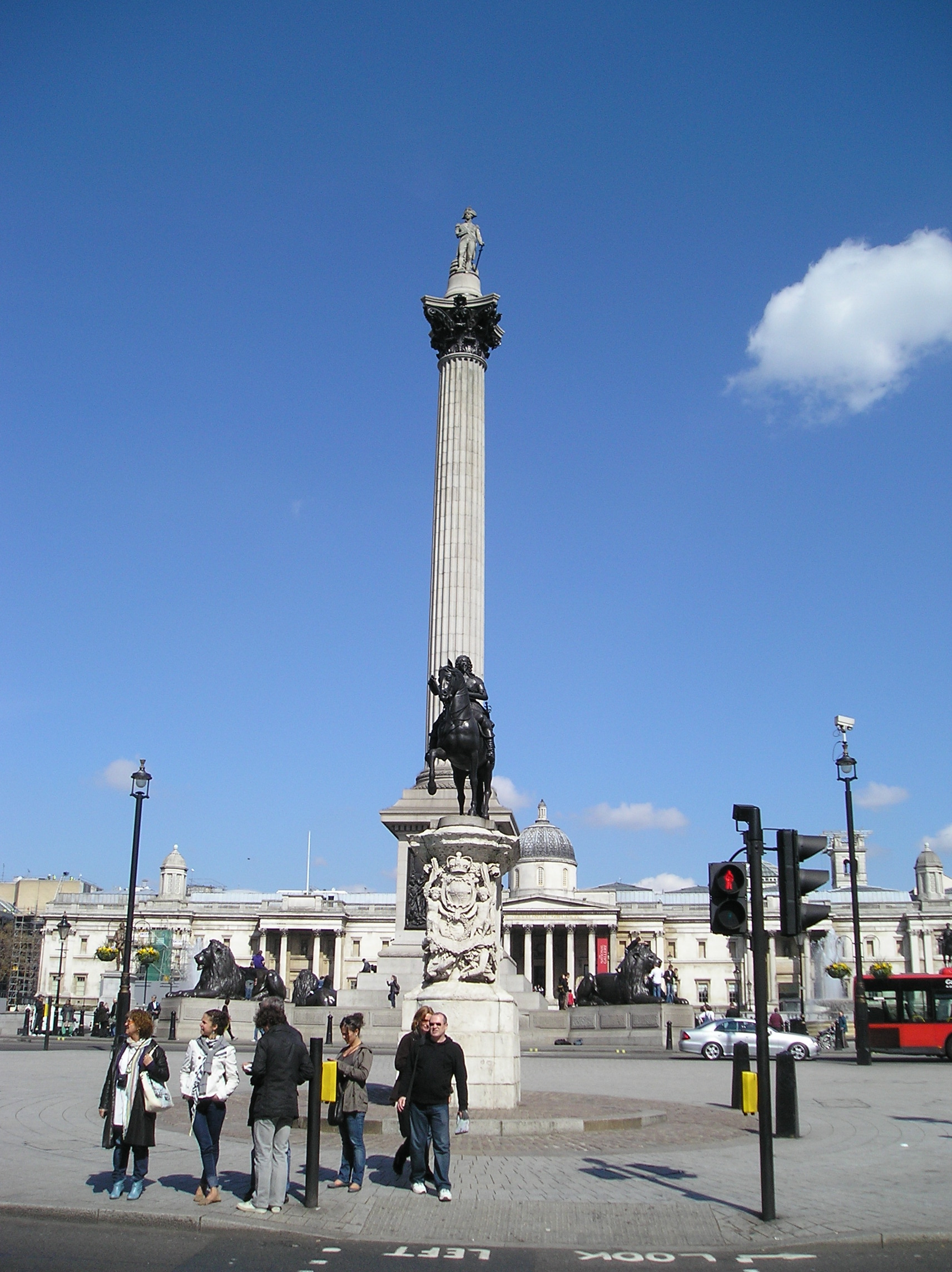
Then at Trafalgar Square, spend 15 minutes or so if you wish to look around

fountain at Trafalgar Square with National Gallery in the background

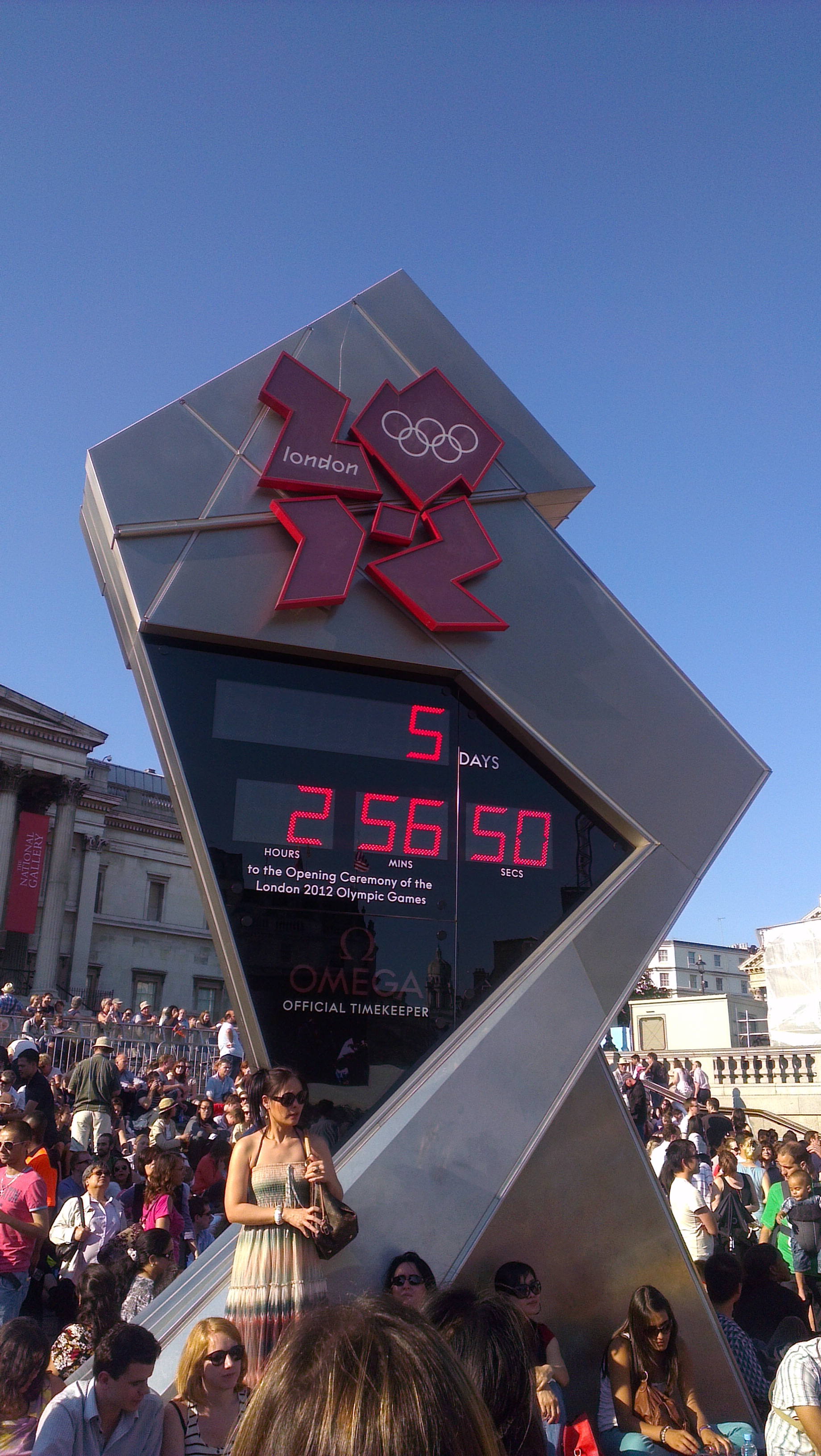
While at Trafalgar Square why not pop in to The National Gallery, it’s free (they do appreciate donations) and the entrance is beautiful.  Although the Olympic Clock is now gone, I have left a photo in just because 🙂

london 2012 olympic games, olympic games london

The London 2012 Olympic Clock at Trafalgar Square

and then head along Whitehall (main road) towards Big Ben and the Houses of Parliament (Westminster Palace) = 15 minutes or so.  A pointer for direction is that Lord Nelson on his perch (column) faces towards Big Ben and Houses of Parliament along Whitehall (name of the road),

you will also pass Horse-Guards Parade (4pm to see the 4 o’clock parade; much lower key than say changing the guard but impressive and free. If you get there at any other time then all it is is a big square. Having said that there is a memorial to those killed in the South African campaign over 100 years ago which is both impressive and moving – thanks to Paul for the inserted contribution) as well as No 10 Downing Street on the right hand side of the road and the Cenotaph; a memorial to those killed in the 1st & 2nd WW situated in the middle of Whitehall.

At Big Ben, be sure to cross over to Westminster Abbey (looking towards the right & closed at 3.30 most days), the whole area is looking gorgeous.

royal wedding, westminster abbey,  things to do in london

Westminster Abbey the venue for the Royal Wedding on April 29th 2011

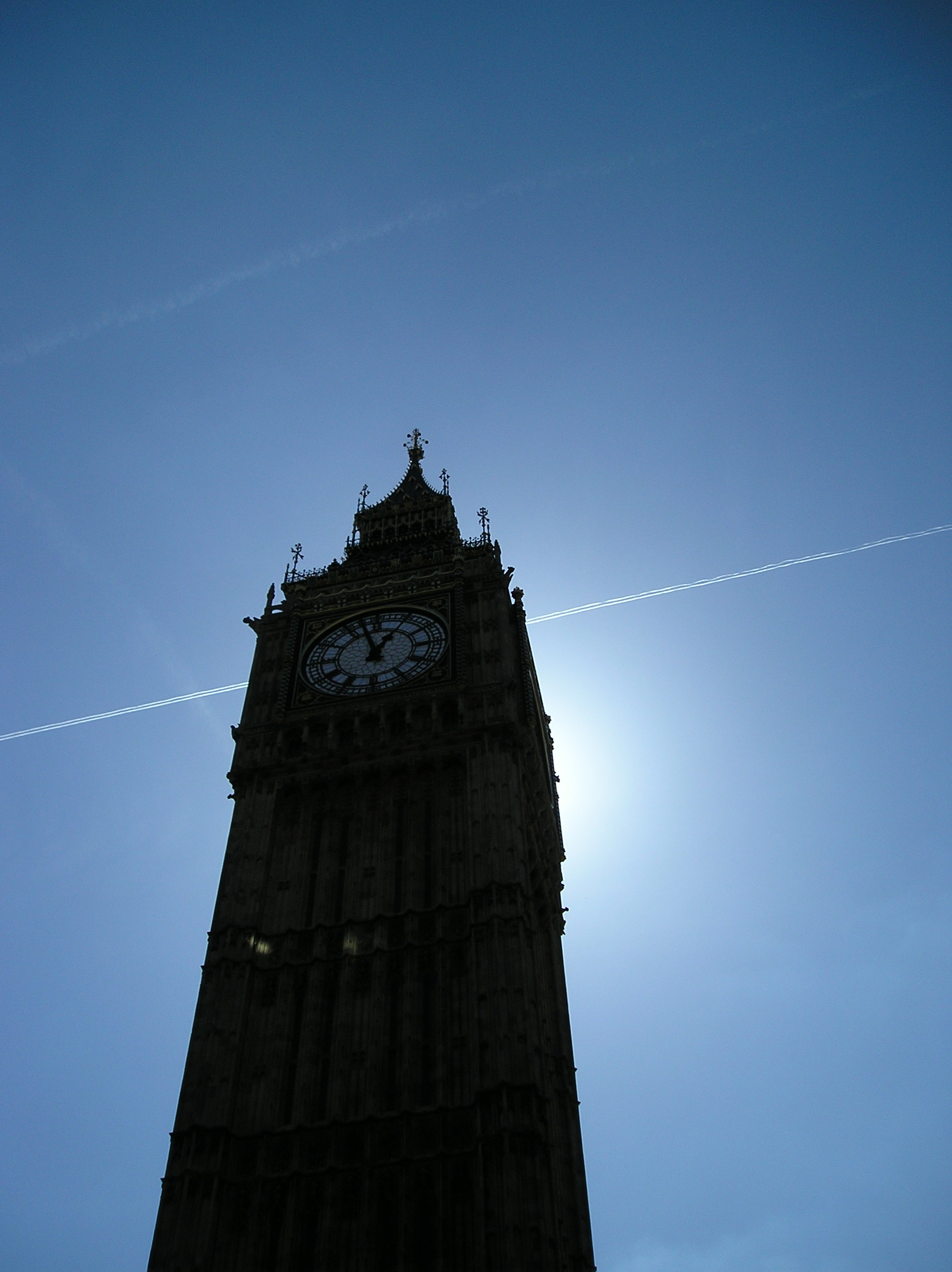
After that return to Big Ben

Big Ben

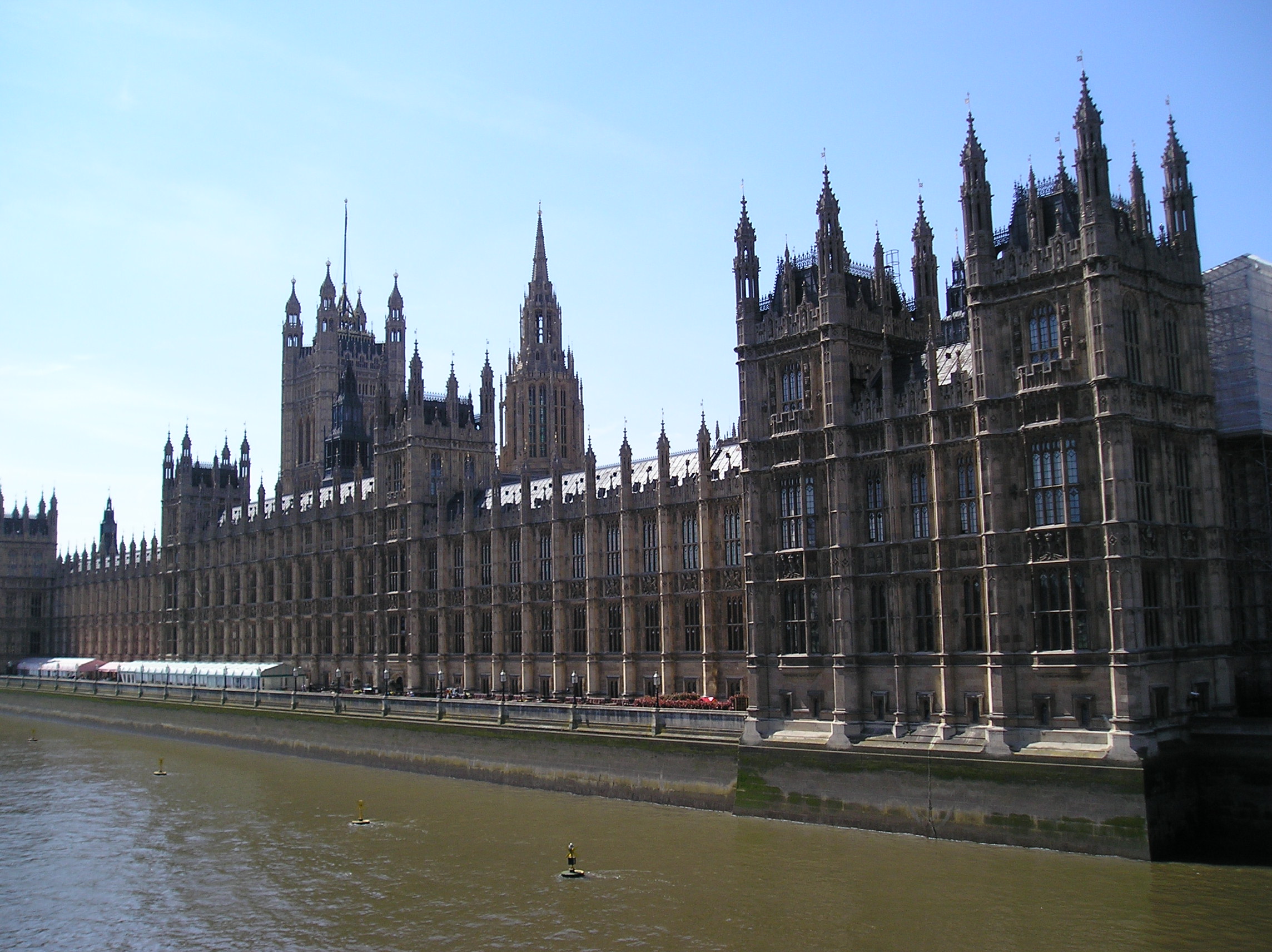
and walk up onto the right-hand side of the bridge (Westminster Bridge)  where you can view the whole palace alongside the river.

Houses of Parliament aka Westminster Palace

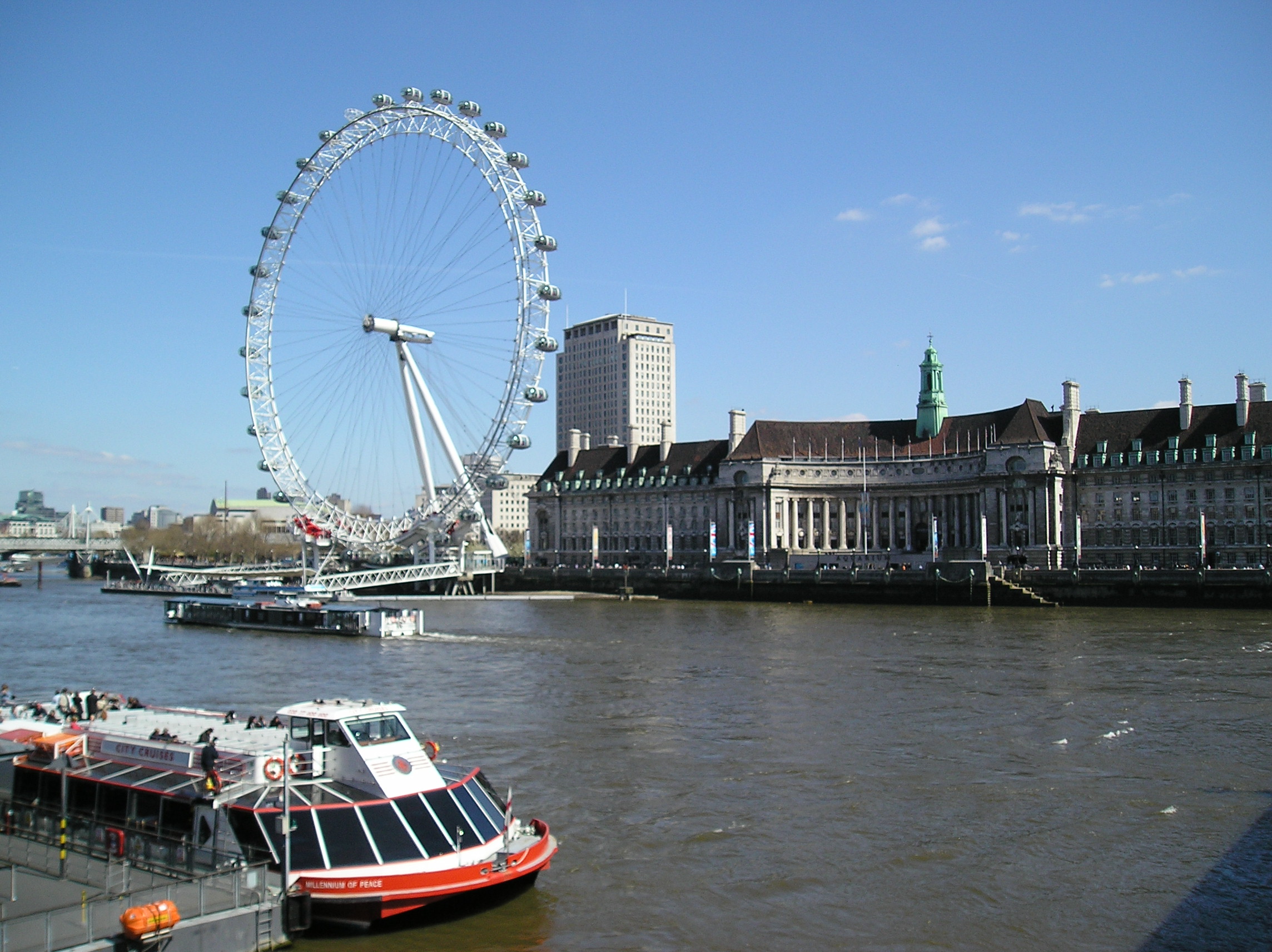
At that point you would be able to see the London Eye and the Aquarium.  Cross over to the opposite side for a better view.

the London Eye with the Aquarium in the background

be sure to stop and have a look at the statue of Boudicca on her chariot (Queen of the Iceni who ravaged the Romans).  There is an ice-cream stand on the corner there where you can buy a double cone soft vanilla ice-cream with flake for £? the prices changes regularly but it’s in the region of £2.00-£2.50) 🙂  If you take a walk along the Victoria Embankment, be sure to have a look at the Battle of Britain memorial…it’s stunning.

If you want to and have the time, take a walk along the Victoria Embankment (with the river on your right hand side), towards the next bridge (Hungerford & Golden Jubilee Bridges), where you can see the RAF (Royal Air Force) monuments alongside the embankment as well as all our gorgeous trees that are just about in their full greenery (assuming you are here in spring/summer). = 45 minutes.

At Embankment Station there are a number of coffee shops where you could stop off and have a cuppa = 30minutes or so. If not and its a hot day, then have an ice-cream instead 🙂  If you have time climb the stairs onto the bridge, for a magnificent view upstream of the river towards the London Eye etc.  From here you can take the District or Circle tube line to Earl’s Court and change for the Piccadilly line for Heathrow.

Heathrow to Green Park = 60-70 minutes give or take

Green Park station stroll to Buckingham Palace 15 minutes

Buckingham Palace through St James’s park to Trafalgar Square 60 minutes

Trafalgar Square 15 minutes

Walk to Big Ben and Houses of Parliament 15 minutes

Time at Big Ben and perhaps Westminster Abbey 60 minutes

walk along the Embankment (the London Eye will be on your right hand side) to Embankment station 15-20 minutes

stop for coffee (or not). There is a lovely park just behind the station; Victoria Embankment Park, a lovely environment to stop and rest for a while.  You will find a memorial to the poet Robert Burns in the park as well as many other statues and and interesting memorials = 30 minutes

Back to Heathrow from Embankment approx 60-70 minutes.

These are all estimated times and depend on how long you stay at each place or how slow/quickly you walk.  I have allowed extra time for each leg of the excursion, so you may find it takes a bit less for each. It’s up to you how long you want to take at each place. Good luck and have a fabulous time.   Let me know if this works for you. 🙂

Read Full Post »

St George on Google 🙂

 Most countries which observe St George’s Day celebrate it on April 23, the traditionally accepted date of Saint George’s death in 303 AD.

St George’s Day is celebrated by the several nations, kingdoms, countries, and cities of which Saint George is the patron saint. St George’s Day is also England’s National Day.

Saint George is the patron saint of some important cities, mainly belonging to the territories added to the old kingdoms of Castille, Leon and Aragon in the historic period of the “Reconquista”.

The legend

St. George and the Dragon, wood sculpture by Bernt Notke in Stockholm’s Storkyrkan

St. George and the Dragon in Stockholm’s Gamla stan

Woodcut frontispiece of Alexander Barclay, Lyfe of Seynt George (Westminster, 1515)

According to the Golden Legend the narrative episode of Saint George and the Dragon took place in a place he called “Silene,” in Libya; the Golden Legend is the first to place this legend in Libya as a sufficiently exotic locale, where a dragon might be imagined. In the tenth-century Georgian narrative, the place is the fictional city of Lasia, and it is the godless Emperor who is Selinus.

The town had a pond, as large as a lake, where a plague-bearing dragon dwelled that envenomed all the countryside. To appease the dragon, the people of Silene used to feed it two sheep every day, and when the sheep failed, they fed it their children, chosen by lottery.

It happened that the lot fell on the king’s daughter. The king, distraught with grief, told the people they could have all his gold and silver and half of his kingdom if his daughter were spared; the people refused. The daughter was sent out to the lake, decked out as a bride, to be fed to the dragon.

Saint George by chance rode past the lake. The princess, trembling, sought to send him away, but George vowed to remain.

The dragon reared out of the lake while they were conversing. Saint George fortified himself with the Sign of the Cross, charged it on horseback with his lance and gave it a grievous wound.   Then he called to the princess to throw him her girdle, and he put it around the dragon’s neck.    When she did so, the dragon followed the girl like a meek beast on a leash.    She and Saint George led the dragon back to the city of Silene, where it terrified the people at its approach.    But Saint George called out to them, saying that if they consented to become Christians and be baptised, he would slay the dragon before them.

The king and the people of Silene converted to Christianity, George slew the dragon, and the body was carted out of the city on four ox-carts. “Fifteen thousand men baptized, without women and children.” On the site where the dragon died, the king built a church to the Blessed Virgin Mary and Saint George, and from its altar a spring arose whose waters cured all disease.

Traditionally, the sword with which St. George slew the dragon was called Ascalon, a name recalling the city of Ashkelon, Israel. From this tradition, the name Ascalon was used by Winston Churchill for his personal aircraft during World War II (records at Bletchley Park), since St. George is the Patron Saint of England.

How cool is that!   Thanks to Wikipedia for the above….a font of information as always. This story has fascinated me ever since I discovered that my birthday falls on the day of the Patron Saint of England, especially as I so love England.  It is quite thrilling. 🙂

So who was St George?

Quick Facts about St George

  • Born in Turkey (in Cappadocia)
  • Lived in 3rd century
  • His parents were Christian
  • Became a Roman soldier
  • Protested against Rome’s persecution of Christians
  • Imprisoned and tortured, but stayed true to his faith
  • Beheaded at Lydda in Palestine

St. George is believed to have been born in Cappadocia (now Eastern Turkey) in the year A.D. 270. He was a Christian. At the age of seventeen he joined the Roman army and soon became renowned for his bravery. He served under a pagan Emperor but never forgot his Christian faith.

When the pagan Emperor Diocletian started persecuting Christians, St. George pleaded with the Emperor to spare their lives. However, St. George’s pleas fell on deaf ears and it is thought that the Emperor Diocletian tried to make St. George deny his faith in Christ, by torturing him. St George showed incredible courage and faith and was finally beheaded near Lydda in Palestine on 23 April, 303.

In 1222, the Council of Oxford declared April 23 to be St George’s Day and he replaced Edward the Confessor as England’s patron saint in the 14th century. In 1415, April 23 was made a national feast day.

my thanks to woodlands-junior for the info

Read Full Post »

Happy Birthday Queen Elizabeth


The Queen celebrates two birthdays each year.   Her actual birthday on 21 April and her official birthday on a Saturday in June.

The Queen was born at 2.40am on 21 April 1926 at 17 Bruton Street in Mayfair, London.

The Queen usually spends her actual birthday privately, but the occasion is marked publicly by gun salutes in central London: a 41 gun salute in Hyde Park and a 21 gun salute in Windsor Great Park

The Sovereign’s birthday is officially celebrated by the ceremony of Trooping the Colour on a Saturday in June.

June 12 this year The tradition of Trooping the Colour

Trooping the Colour is carried out by fully trained and operational troops from the Household Division (Foot Guards and Household Cavalry) on Horse Guards Parade in Whitehall, watched by members of the Royal Family, invited guests and members of the public.

Queen Elizabeth II was the first child of The Duke and Duchess of York, who later became King George VI and Queen Elizabeth.

The Princess, christened Elizabeth Alexandra Mary in the private chapel at Buckingham Palace, was named after her mother. Her two middle names are those of her paternal great-grandmother, Queen Alexandra, and paternal grandmother, Queen Mary.

The Princess’s early years were spent at 145 Piccadilly, the London house taken by her parents shortly after her birth, and at White Lodge in Richmond Park.

She also spent time at the country homes of her paternal grandparents, King George V and Queen Mary, and her mother’s parents, the Earl and Countess of Strathmore.

In 1930, Princess Elizabeth gained a sister, with the birth of Princess Margaret Rose.

When she was six years old, her parents took over Royal Lodge in Windsor Great Park as their own country home. In the grounds of Royal Lodge Princess Elizabeth had her own small house, Y Bwthyn Bach (the Little Cottage), which was given to her by the people of Wales in 1932.

Princess Elizabeth’s quiet family life came to an end in 1936, when her grandfather, King George V, died.

His eldest son came to the throne as King Edward VIII, but, before the end of the year, King Edward VIII had decided to give up the throne in order to marry the woman he loved, Mrs Wallis Simpson.

Upon his abdication, Princess Elizabeth’s father acceded to the throne as King George VI, and in 1937 the two Princesses attended their parents’ coronation in Westminster Abbey.

Princess Elizabeth was now first in line to the throne.

Shortly after the Royal Family returned from South Africa in 1947, the Princess’s engagement to Lieutenant Philip Mountbatten was announced.

Having known each other for many years, the couple were married in Westminster Abbey on 20 November 1947. 

As Britain was still recovering from the war,  the event was fairly simple and Princess Elizabeth had to collect clothing coupons for her dress, like any other young bride. They spent their honeymoon at Broadlands, Hampshire, the home of Lord Mountbatten, and at Birkhall, Balmoral

After her marriage in 1947, Princess Elizabeth paid formal visits with The Duke of Edinburgh to France and Greece, and in autumn 1951 they toured Canada.

On Wednesday, 6 February 1952, Princess Elizabeth received the news of her father’s death and her own accession to the throne, while staying in a remote part of Kenya.

The Queen meets thousands of people each year in the UK and overseas. Before meeting Her Majesty, many people ask how they should behave. The simple answer is that there are no obligatory codes of behaviour – just courtesy.  However, many people wish to observe the traditional forms of greeting – For men this is a neck bow (from the head only) whilst women do a small curtsy.  Other people prefer simply to shake hands in the usual way.

On presentation to The Queen, the correct formal address is ‘Your Majesty’ and subsequently ‘Ma’am’

Thanks to http://www.royal.gov.uk/ a veritable mine of information

Thanks to http://purplerosee.blogspot.com/2009/08/worlds-richest-royals.html for the photo 🙂 it’s great

Read Full Post »

Hello. I just finished reading a great article about the phenomenal rise in twitter users world wide.  It is interesting to note that more than 60% of users are from outside the US of A.

DYK? that India has 550billion mobile phone users; that the twitter website is available in 6 languages, and there are even twitter users in The Vatican and outer space!

Personally I love twitter.  I love that it is fast, I love the homefeeds although of course they sometimes move too fast.  I love that I can connect with people around the world in real time and have short bursts of conversation, find out whats happening and meet lovely people in the virtual world who are really real people.

One of the things I enjoy most about twitter are the very diverse and creative names that people come up with.  Sometimes it relates to what they do, or their philosophy in life, perhaps their beliefs and for some it is just a bit of fun.  It is amazing how many combinations the english language can come up with.

Many ppl pass on or re-tweet quotes and I love thinking about those quotes and what they mean to me before I RT them for others to enjoy.   It amazes me just how many quotes there are in the world and the diverse backgrounds the ‘quotees’ come from.  (I’m not sure if quotees is a word…if not… well now it is )

I enjoy the different applications that have sprung up around twitter and my particular favourite is hootsuite, possibly coz it is such a funky name.  I love the lists, makes it so much easier to find the ppl whose tweets you want to keep track of and also lets others know who you find most interesting; like @HelpSaveBees 

The follows are great fun too: like #ff or #followfriday where you get to mention ppl that you have had conversations with during the week, or ppl that you really appreciate and you get a chance to say thanks for retweeting my quotes or my links, or get to #shoutout your appreciation for their following or comments.   You get a chance to mention ppl who have impressed you with the content of their tweets or links, and say hello to friends.

Of course as Kenneth Wu will tell you; there is a dark side to twitter.  One of these would be the ppl who use twitter as a platform for abuse and rubbish content.  Fortunately you can just block such ppl.   I had one bloke who was beginning to stalk me, sending really idiotic tweets….so boof bang…blocked!

I always tell my daughter that I was born to twitter.  I started my account @notjustagranny just over a year ago and have never looked back. It’s fun, it’s funky and it’s really interesting.  I love the educational links that get posted and have learned more about the world through these links than I did before.  I could quite happily spend the whole day on twitter…….

I find it incredible how news gets posted around the world in the blink of an eye and you get to hear in real time about things and events that are happening on the other side of the world before you even hear it on the news……it’s like the 6 o’clock news is almost redundant.

I love that I can show my support for various causes and give a #shoutout when they have a particular campaign like @Socks4HappyPPL whose mission it is to supply a pair of socks to homeless kiddies in Mongolia. So for every pair of socks you buy they send a pair to Mongolia.  And we get to share and contribute to that.

It’s fun to see what people are getting up to, to be able to know what is being said in a seminar that you are unable to attend, to know who goes to #starbucks and who is jetting of somewhere nice.   It’s great to share in the events of the world like #earthhour; to see photos that you may not have seen ever and to connect with people around the world for a great cause.

I have inserted the link to the article in question and hope you enjoy it too. click here

Read Full Post »

Well this has been quite a week. Initially when I got this position I was not at all keen to take it, but….I did.  I had been to Cambridge before, about two years ago on a one day bus trip and although it was interesting I was not much impressed with Cambridge and always said I preferred Oxford.

Now that I have been here for a week and had time to really look around and explore I find that I now hold a more favourable view.  I have had time to really look at the buildings, walk along the streets and the weather on some days has been quite lovely, which always helps.

Cambridge is of course a University town.  The University is made up of different colleges; namely: Kings College, Trinity College, St John’s College, Queen’s College and Magdalen College (pronounced Maudlin) – no, me neither…I have no idea why!

Anyways, having been meandering the ancient cobbled streets and occassionally sneaking in where I am not supposed to be, I have had a great time finding out more about this fair city and can now see the attraction.  I have had time to meander along the banks of the River Cam, stroll across the bridges, oooh & ahhh at the architecture and strain my neck to view the statues and decorations high above my head, adorning the sides of the buildings and colleges, have a quick sneeky peek at some hidden treasures and visit the market in the square fronting the Guildhall.

The highlights of my stay have been the view of the river in the mornings from the house; a glimpse inside the ‘Round Church’; a trip to the theatre to see ‘The History Boys’, a play by Alan Bennett; talking to the scientists at the Halley Research Station in Antarctica via video-link on Saturday morning; walking across the ‘Mathematics’ Bridge in the afternoon; ringing the bells at church on Sunday last and today a tour of Trinity College – (my client read maths there aeons ago) plus a return visit to the church to see the bells that I helped to ring! 🙂 

There was most certainly a Saxon Church on the spot, thought the present church dates back to the 13th Century.  We climbed an ancient winding staircase that has been around since the 1400’s right to the top of the tower, spent time viewing the bells and then climbed even further up some very rickety stairs to the medieval belfry to view the ancient beams that used to support the bells.  Fortunately I suffer from neither vertigo nor fear of heights!    At last count there are 5,000 people buried on the church grounds (and I was glad not to add to their number).    The grounds of the church are not very large so many of the dead must be buried one above the other as well as the many who are buried inside the church.

On our tour of the college, I enjoyed a cup of coffee relaxing in front of a friendly fire in the Masters Parlour (very posh – but not as well appointed as one might expect), a tour through the grounds of the college right through to the back (known as ‘The Backs’)  which leads onto the river Cam that winds past the ‘Backs’ of the various colleges, and thence to the Wren Library where I got to see some fantastic books, one of which is an 8th Century original manuscript of the Epistle of Paul written in Latin by an Irish Scribe back in the mists of time, a copy of the notebook wherein Tennyson wrote the original draft of his poem ‘Maud’ in 1855; (100 hundred years before I was born), the 1st folio of Shakespear’s comedies printed in 1623 and the letter Isaac Newton wrote to Hooke depicting the fall of a stone, whereupon Hooke declared this to be inaccurate and thus led Newton to further research, and eventually to write the book Principia.

After this adventure we then made our way to the main dining hall, which is a scene right out of Harry Potter, with even the table lamps on the tables.   The tables, of which there are about 6, are very long (like in the dining hall scenes from Harry Potter), seat about 40 people each.   One of the tables at the head of the room is raised on a dias and the other tables are all lengthways down the hall.    The roof is splendid with arched wooden trusses soaring above, beautifully decorated and in the centre of the roof a glass folly rises high above into a point, which can be seen soaring above the roof when standing on the lawns outdoors.   There are a number of waiters who hover around, silently seeing to the diners, clearing tables and resetting places.   There is the learned chatter of the professors and undergraduates, some of whom are the epitome of the characterisations you see in books; absent-minded, touselled hair, tweed jackets or twin-sets, ‘Proper’ English accents (which sounds like they’re talking with hot-potatoes in their mouths), and the conversation is of esoterical and weighty matters. 🙂

And there was me….in my very worn trousers that have seen better days, my ancient trainers that have walked with me right around the UK, the USA and Europe for the last 8 years, a black fleece jacket that is worn but not yet torn and a bright green t-shirt!!! My camera in hand and an accent to frighten the ‘natives’ 🙂

Trinity has been described as ‘rich, handsome and clever’, one of those could also describe the people in the dining room….I’ll leave it to your imagination as to which!   Now in it’s fifth century since being refounded by Henry VIII, the college reigns supreme as the largest and wealthiest of the Colleges, having famously produced more Nobel prize-winners than France.

The church where I got to ring the bells is the 3rd to have stood on that spot since approx 800AD.   The founding fathers of the Reformation used to meet there in the early 1520’s and at the Christmas Midnight Mass at St Edward’s in 1525 one of them, Robert Barnes, preached what was probably the first openly evangelical sermon to be preached in any church in the country, proclaiming the Christian gospel and accusing the Church of its heresies. St Edward’s can thus claim to be ‘the cradle of the Reformation’ in England.  And I got to ring the bells on Sunday….how cool is that!!!

Read Full Post »

as mentioned previously in my post Chruch Bells are ringing, I got to help ring the 5 minute bell calling worshippers to service 🙂  I have hereby added some info about bell ringing.  Before I left the Tower Captain gave me a wee book that all learners receive called : ‘This book belongs to…..who is learning to Ring Bells at…… and a whole load of other information on the front. Inside the book is a treasure trove of information on bell ringing as well as do’s and dont’s! One of which is never go near bells which are ‘up’.

My little escapade involved ringing the bell on the back-stroke (=tail-stroke).  So here is some info about that:

Rules to remember:

1. Keep hands together

2. Arms straight

3. Look ahead

4. Feet slightly apart

5. Pull should be:-

-straight, vertical, close to body

-gentle and even: just keep the rope tight & “feel your horse’s mouth”

-all the way down, until your thumbs point downwards – try to throw the rope thru a hole in the floor at ‘X’ (metaphorically speaking)

6. Catch the sally at about waistheight and allow it to rise to the balance.

Other info:

all ringing starts and ends with rounds.

there are different ‘methods’ of ringing;  the names of which alone, are melodic:

“Grandsire Doubles”; “Cambridge Surprise Minor”; “Oxford Bob Triples”; “kent Treble Bob Major”

Some different types of ringing:

‘Method Ringing’; ‘Plain Hunting’; ‘Good Striking’; ‘Coursing Order’; ‘Plain Bob’; ‘Bobs’; ‘A Touch’; ‘Plain Bob Minor’; ‘Treble Bob’; ‘Stedman Doubles’.

Ringing is based more on rhythm and method than musicality, and having an ear for music is not essential.  There is a method for tying the rope, pulling the rope, the count, standing and calling out. Fascinating world and far more involved than I ever imagined, it takes months, even years to learn to ring properly and takes dedicated attention.

The church where I got to ring the bells is St Edward’s King & Martyr in Cambridge 🙂

to hear more about the travels of notjustagranny find me on twitter

Read Full Post »

Volunteers have reopened a railway line reconnecting a seaside town to the national network, more than 37 years after it was cut off.
More than 4,000 people in Swanage, Dorset, have helped rebuild the seven-mile line from Wareham.  They scavenged scraps to restore the track, rebuilt two dilapidated stations and constructed another three.
The chartered services leave from Victoria pulled by a diesel locomotive.
It is the first time since 1972 that trains have been able to run all the way from London to Swanage and the volunteers hope the line will be electrified and regular services will resume.
Mike Whitham, the chairman of the Swanage Railway Trust, said: “It is what we have been working 35 years for – the achievement of a long-held and treasured dream.   The railway has been rebuilt from nothing, bit by bit, bolt by bolt.”

Read Full Post »

« Newer Posts - Older Posts »

Self Propelled

Self propelled adventures through life; blogging on cycling, touring, micro-adventures, general shenanigans, and environmental news

johnelsewhere

Thoughtful wanderer in search of virtual meaning

Things Helen Loves

TRAVEL, WALKS & EVERYDAY ADVENTURES

Short Walks Long Paths

Wandering trails around the coast of Wales

Port Side Travel By Jill

My travels, photos, tips/tricks and anything else I think of!

Wonderwall

My 360: wonderwalls,theatre, travel, Sheffield, books...

Robyn's Ramblings

My Thoughts. Expressed.

Graham's Long Walk

Graham King's long walks around Britain

The Lawsons on the Loose

Philip & Heather are making memories through their travels.