Archive for the ‘Travel’ Category
Road-Trip Travel Tips
Posted in news from around the world, Travel on July 19, 2010| 2 Comments »
#Twickenham on a hot summer day
Posted in around the UK, family and relationships, Historical, It's my life, Travel, tagged Alexander Pope, anyone for Pimm's, Champions Wharf, Church Street Twickenham, David Bowie, Dial House Twickenham, Eel Island, Eric Clapton, Flood Lane, hansel and gretel, hippie enclave, Horace Walpole, http://www.twickenham-museum.org.uk/detail.asp?ContentID=187, Jeff Beck, Jimmy Page, King George II, Langton Books, Marble Hill House, Mary Wortley Montagu, Octagon House, Queen Caroline, River Thames, Rod Stewart, Samuel Scott, Sir Godfrey Kneller The Court Painter, St Mary's Church Twickeham, Sweet Memories, Sweetie Pies Boutique bakery, Thames path, The Barmy Arms Twickenham, The Eel Pie Pub, The Fox Pub Twickenham, the French Royal Family, The Oceanides statues, The Rolling Stones, The White Swan Pub, The Who, Thomas Hudson, tweety bird, Twickenham, Woodstock, York House, York House Gardens on July 11, 2010| 18 Comments »
My daughter recently moved to Twickenham, and after hearing her raving about the place and following her comment that she was never moving back to London, I had to go visit and find out why! 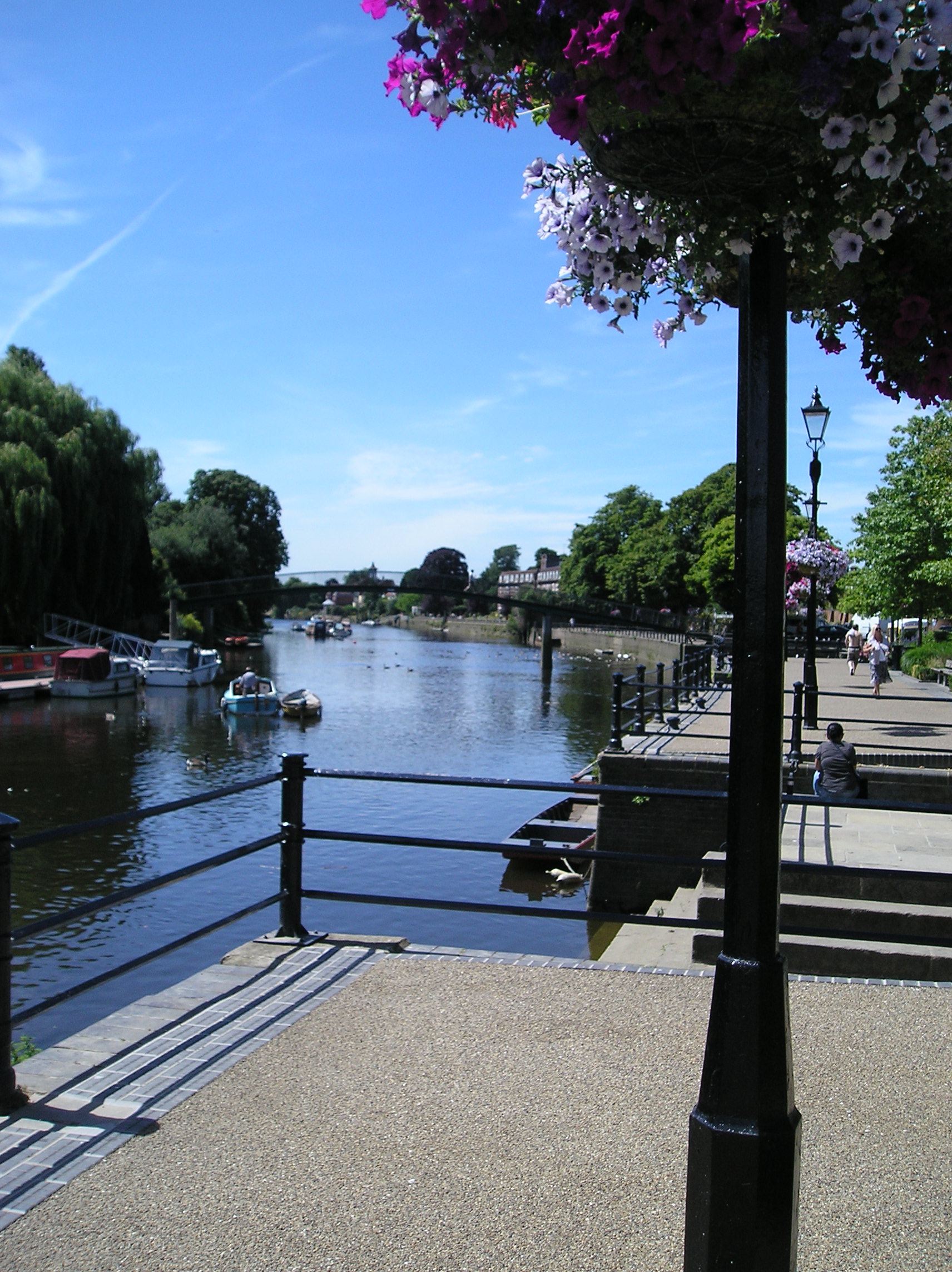
Twickenham is located on the River Thames between Richmond and Teddington; an ancient borough with a fascinating history dating back hundreds of years. The earliest written evidence for a settlement is a grant of 704AD, mentioning “Tuican hom”. By the time of the Norman Conquest it was part of the Manor of Isleworth. By the 18th century it had become the ‘classic village’ and was described as having an “abundance of curious seats”, as it attracted poets, painters and writers including Sir Godfrey Kneller, The Court Painter in 1709, Alexander Pope in 1719, Mary Wortley Montagu in 1720, Horace Walpole in 1747 and painters Samuel Scott and Thomas Hudson in 1749 and 1756. various members of the French Royal Family, in exile, spent time here in the 1800s.
I arrived via bus from Richmond and enjoyed the quaint houses and churches along the route. The high street of Twickenham – King Street – is nothing to write home about….it’s lined with the usual array of stores and charity shops, Starbucks, banks, pubs and what-not!

an aerial sketch of Twickenham and the area we explored
Just off this main thoroughfare is where you will find the character that lies behind this town. Church Street; a stroll along this delightful street will leave you enchanted with it’s character and quaint albeit modern shops. A book shop,
a few restaurants and an ancient pub or two line the street on both sides as well as a number of other little shops and stores. Church Street has always been at the heart of Twickenham village, dating to back to when the parish was largely a farming community using the river for transport of goods and people.
Sweetshops, tandoori, bookshops,

Langton Books - 44 Church Street, Twickenham
a pub and a gorgeous tea-room are a must-see.
Passing a store named Sweet Memories we stepped inside and indeed it was sweet memories….jars and jars of sweets that reminded me of the sweet shops we used to inhabit as children back in the 60’s. A delightful lass who goes by the name of Carla charmed us with her cheery greeting and sunny smile. Sweet heaven all round.

Sweet Memories of Church Street Twickenham
Further along is the aptly named Sweetie Pies Boutique Bakery….
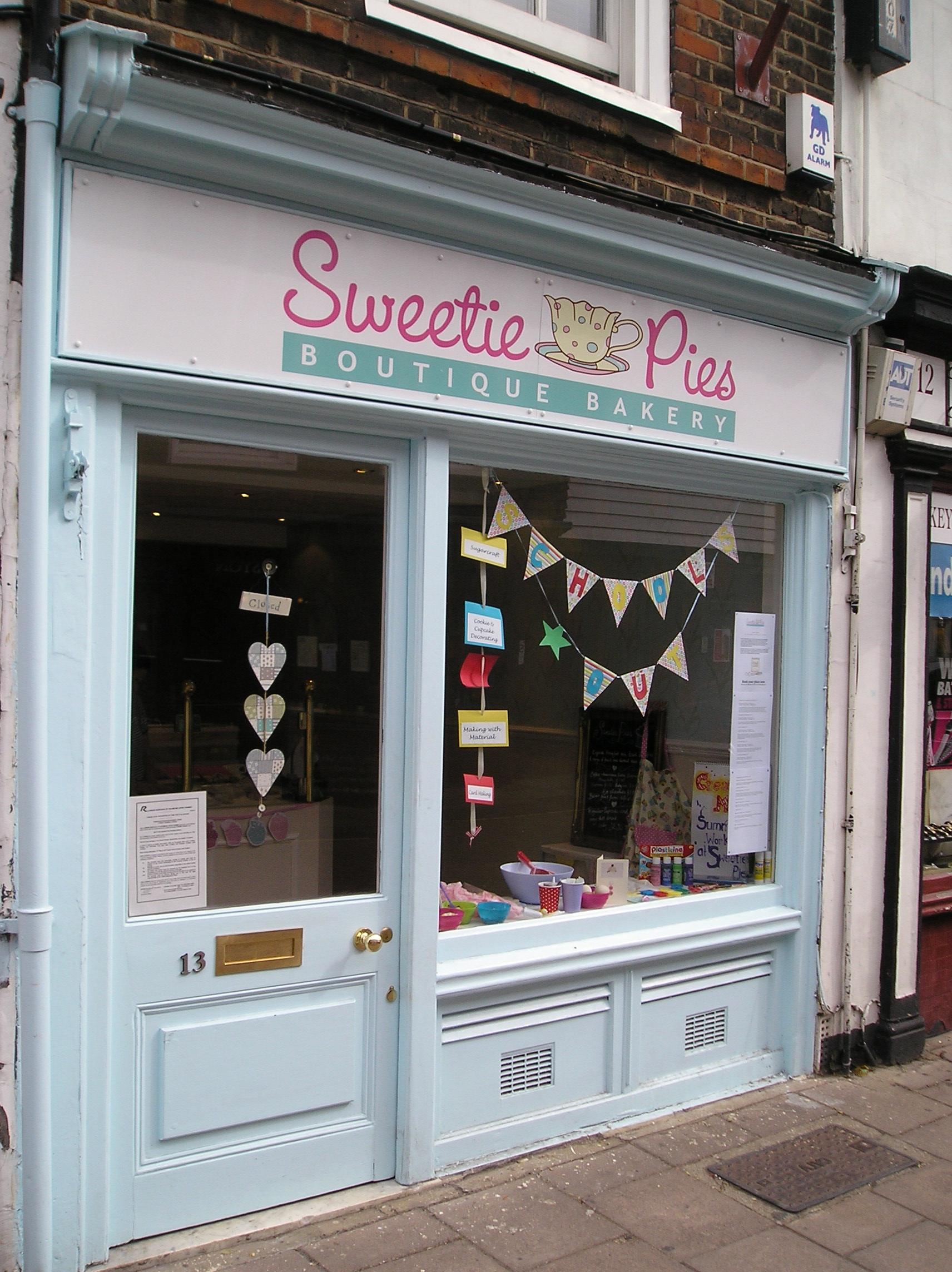
Sweetie Pies Boutique Bakery - 13 Church Street Twickenham
walking through the door your nostrils are assailed with the delicious aroma of cake and icing….eyes widening with delight as you first see the gorgoeus little cakes on display; decorated with swirls of butter icing and topped with icing roses, ice-cream cones, ducks, stars, hearts, 100’s and 1,000’s, in an array of pastel colours designed to tempt the tastebuds and makes it hard to refuse, never mind decide which to choose.
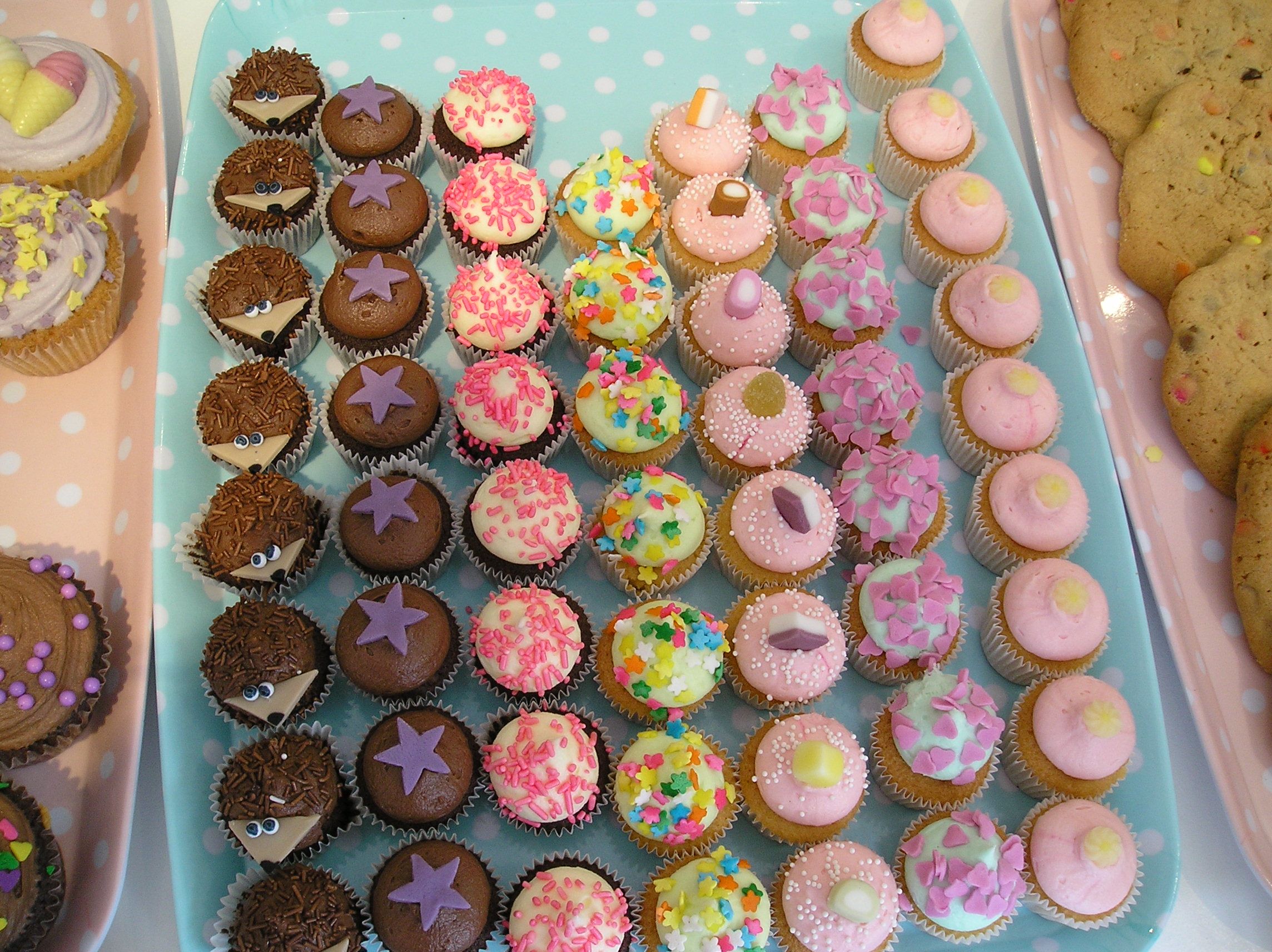
cupcakes at Sweetie Pies Boutique Bakery
A short walk takes you past The Fox Pub,

The Fox Pub - oldest pub in Twickenham - Church Street
probably the oldest pub in Twickenham, steeped in local history and first mentioned in the Sion Manor Court Books dated October 1700, by it’s previous name The Bell. It changed it’s name to The Fox around 1749. At one time time there were at least 4 other pubs in Church street none of which remain, besides The Eel Pie Pub est 1777.
At the far end of Church Street is a little piazza, with a number of shops, none of which I really registered, coz I was so enchanted by the story board and a giant sized chess board! What fun 🙂
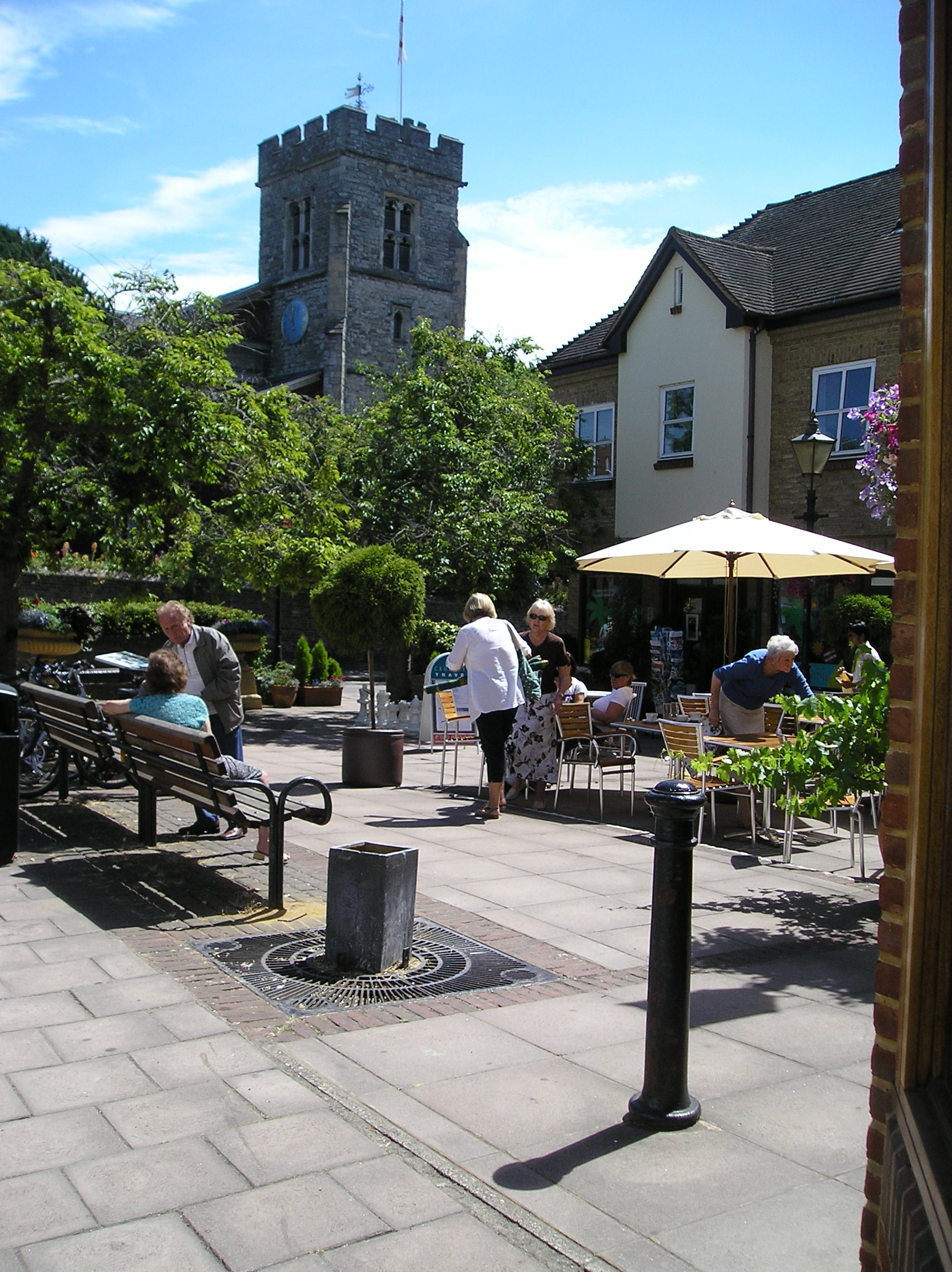
a summer piazza on Church Lane
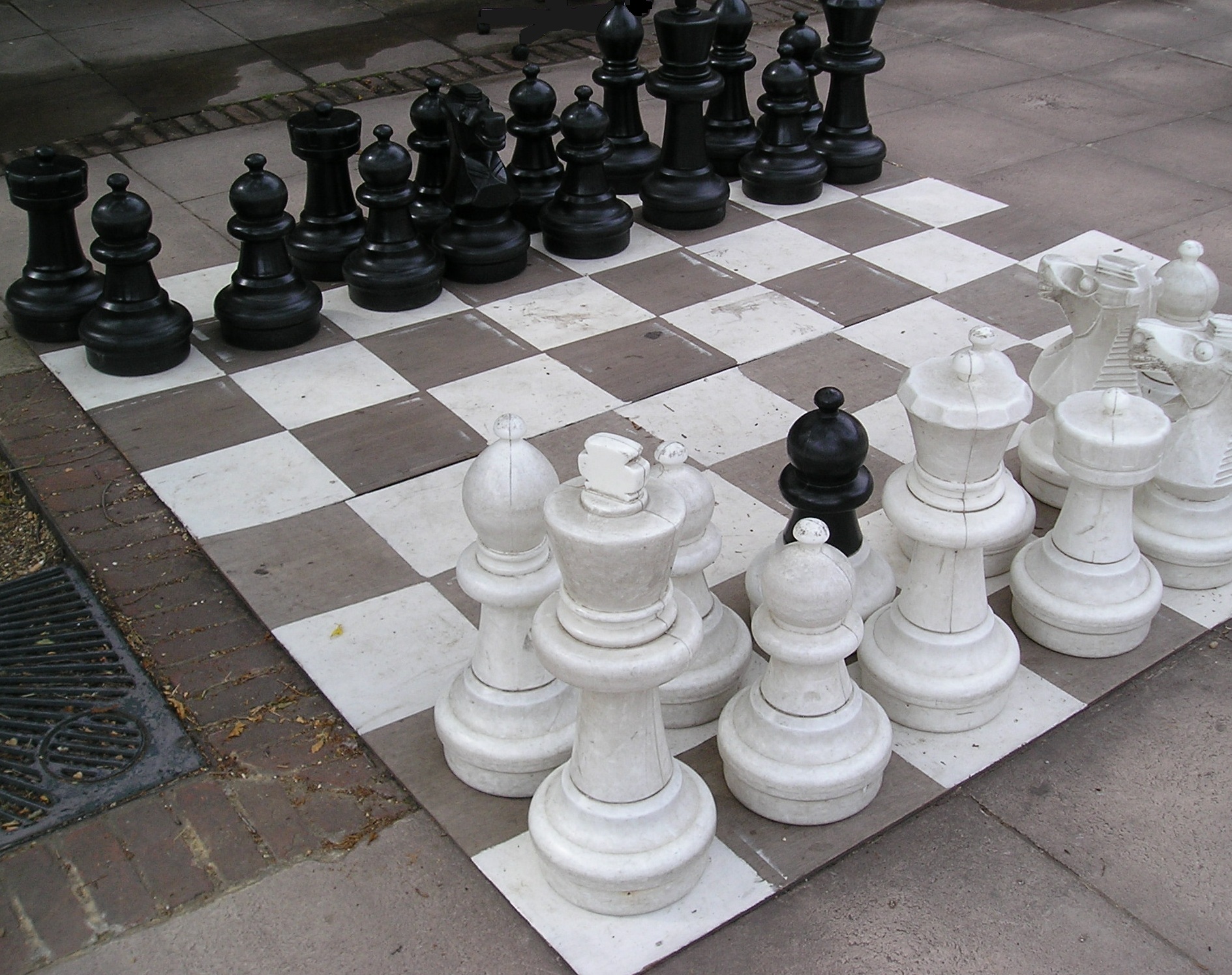
chess set
Across the road from Church Street is of course the church! St Mary’s, not one of the most beautiful or even quaint looking churches I have ever seen, but pleasant to the eye none-the-less. The churchyard was sadly quite bare with most of the graves probably dug up in years gone by and the headstones that line the perimeter walls the only reminder of the folks buried there (or not).
Traipsing down Church Lane we passed Flood Lane,
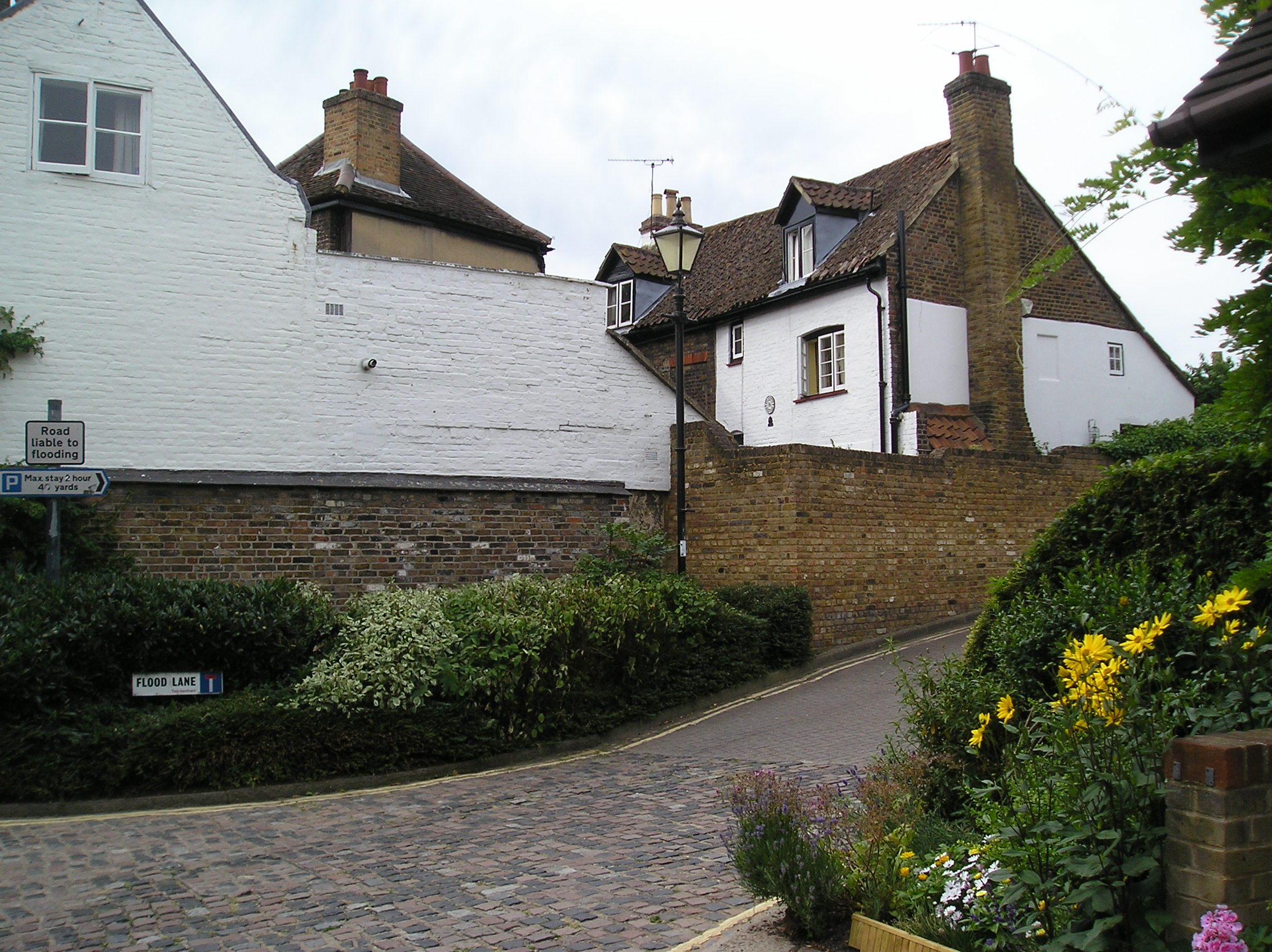
Flood Lane
so named coz when the Thames floods the waters rise that high. A plaque on the church wall reads : March 12th 1774 the water came rising up to this mark. The mark was a good 8foot from the road level. The house on the corner had a flood board across the front door.
A couple of steps further (not far at all) is the River Thames, she of might and wonder. A colourful boat named ‘Rastamedeus’ was moored in the berth, stranded by the tide now out.
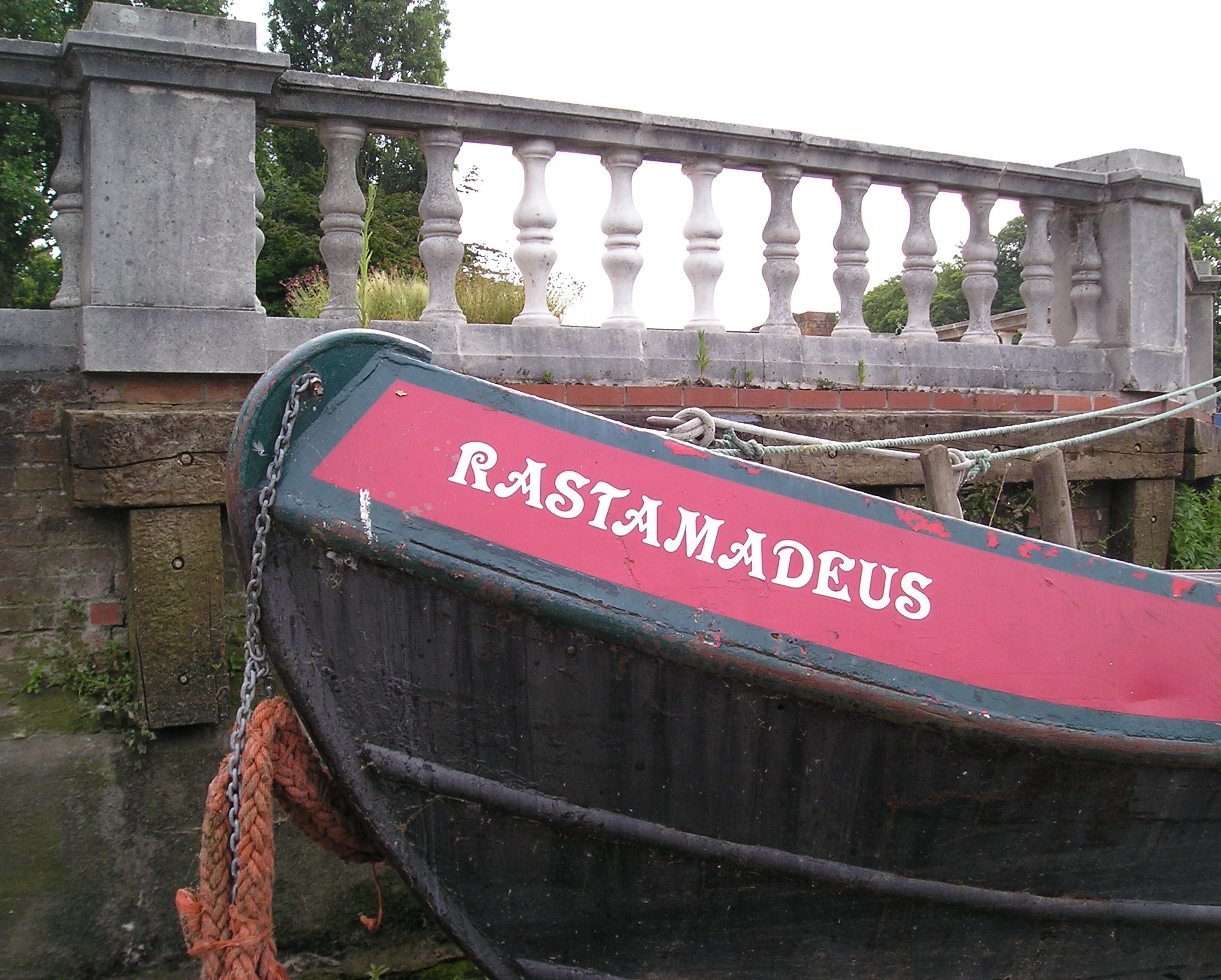
Rastamadeus
I walked out as far as I could to take some photos of the river on both sides from a different angle (just because I could). Retracing our steps we climbed a short flight of steps onto the start of Champion’s Wharf where we saw a couple of very interesting sculptures, one of which looked like a bed of square mushrooms. Very bizarre.
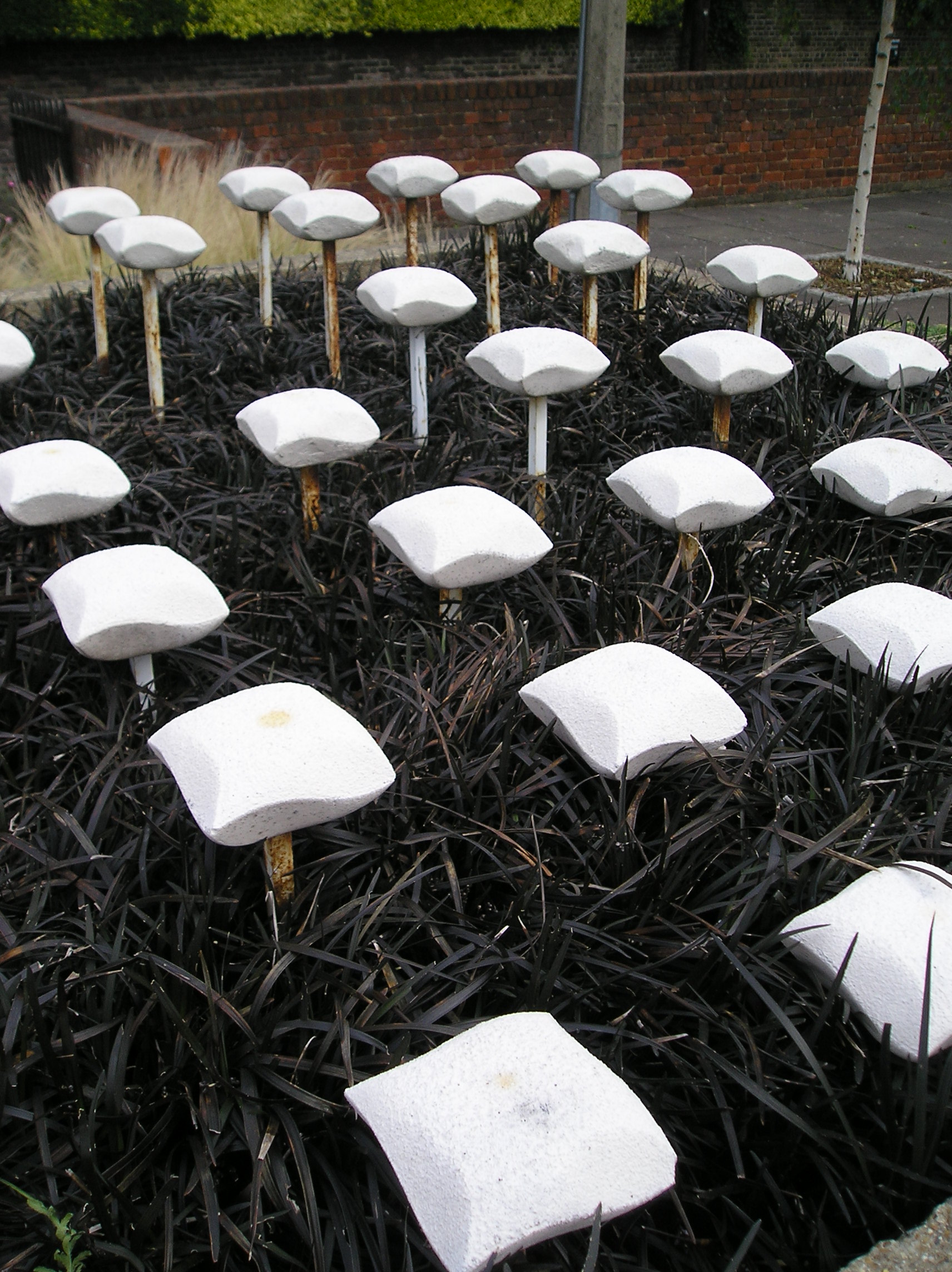
psychedelic mushrooms -sculpture on Champions Wharf
Strolling along the Thames path we ventured into York Gardens to behold the magnificent, marvellous, wonderful fountain adorned with a group of Italian marble statues representing the “Oceanides”. What an enchanting sight.
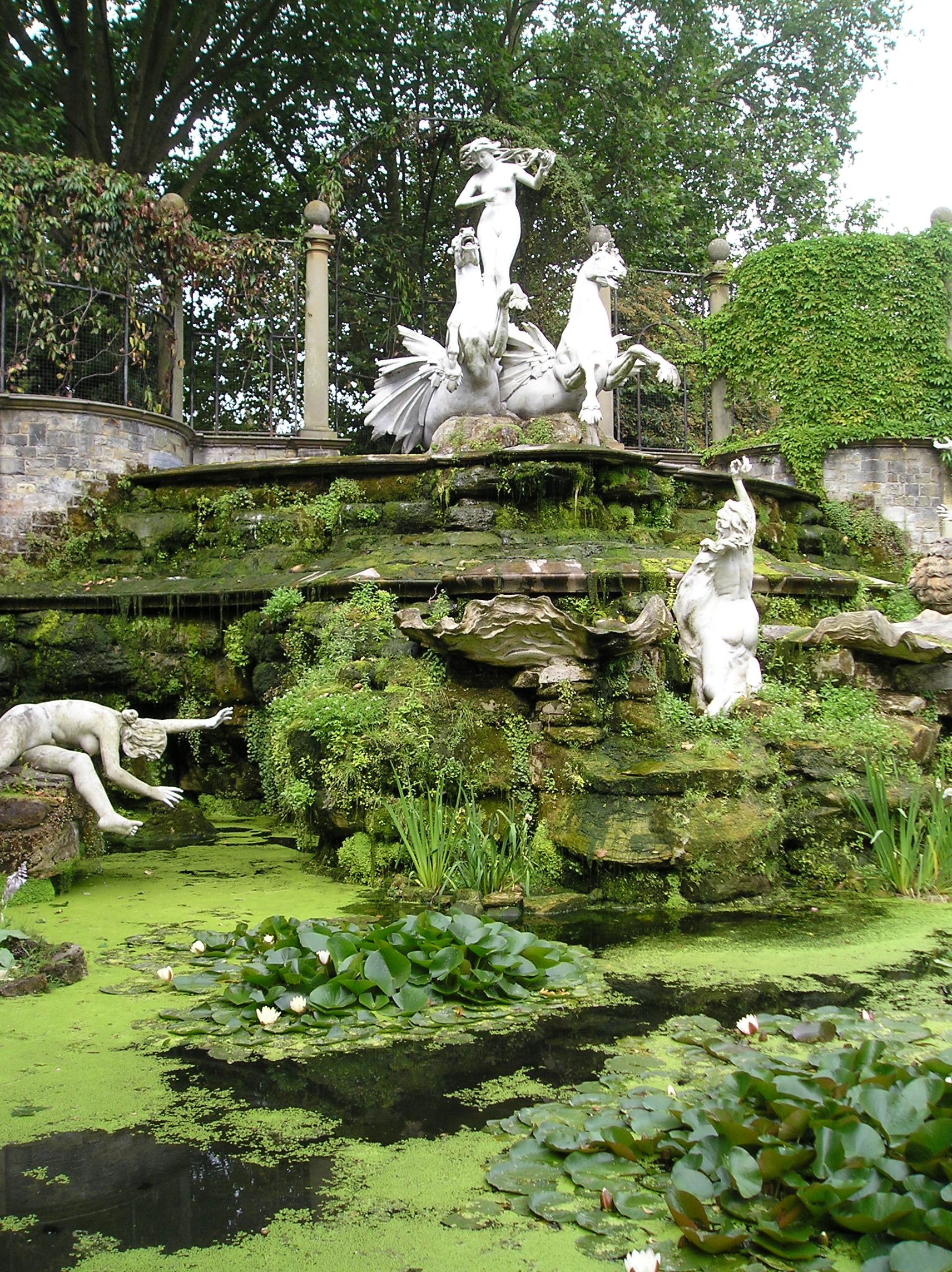
The Oceanides - fabulous statues in the York House Gardens
A cluster of naked nymphs, either sitting on rocks or attemptimg to climb them, all gazing up at the beautiful venus that rides standing up and naked on the backs of two rearing, winged sea-horses. There is quite a story behind these beautiful creatures and they were very nearly destroyed at one stage of their lives; thankfully for us….they were not! There is some uncertainty as to who was the sculptor.
The gardens are beautiful; filled with roses and a fountain or two, and what were lovely green lawns a week ago, now browned in the searing heat of the last few days.
A flight of marble, balastraded steps take you to the top of a bridge that crosses the road below and into the gardens of York House. A sight to behold.
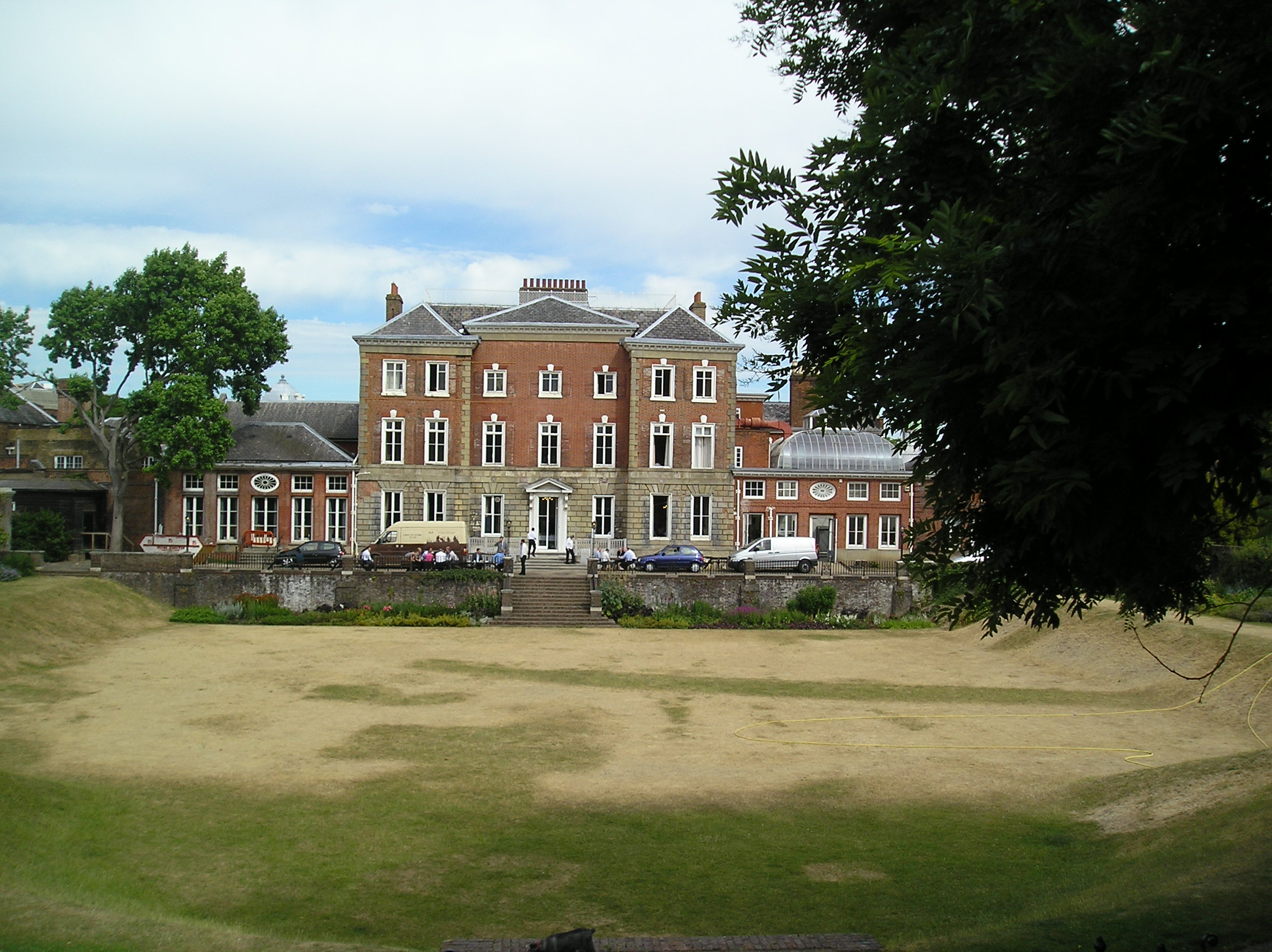
York House
Imposing and enormous it sits majestically overlooking the lawns below. York House was named after the Yorke family who owned the land from 1381 – 1539. The present house was built in 1637 and it’s first owner Andrew Pitcarne, later followed by The Earl of Manchester, Edward Hyde, Earl of Clarendon, Sir Alexander Johnson, Anne Seymour Damer, Archbishop Cleaver, the Comte de Paris, the Duc de’Orleans and lastly Sir Ratan Tata. It became a Town Hall when Twickenham became a Borough in 1926. The Orleans princes left their mark with the fleur-de-lys on the stonework and rainpipes.
Continuing our walk was strolled along the Thames path, the river, calm and mighty, moving inexorably to the sea, just beyond the balstrades.
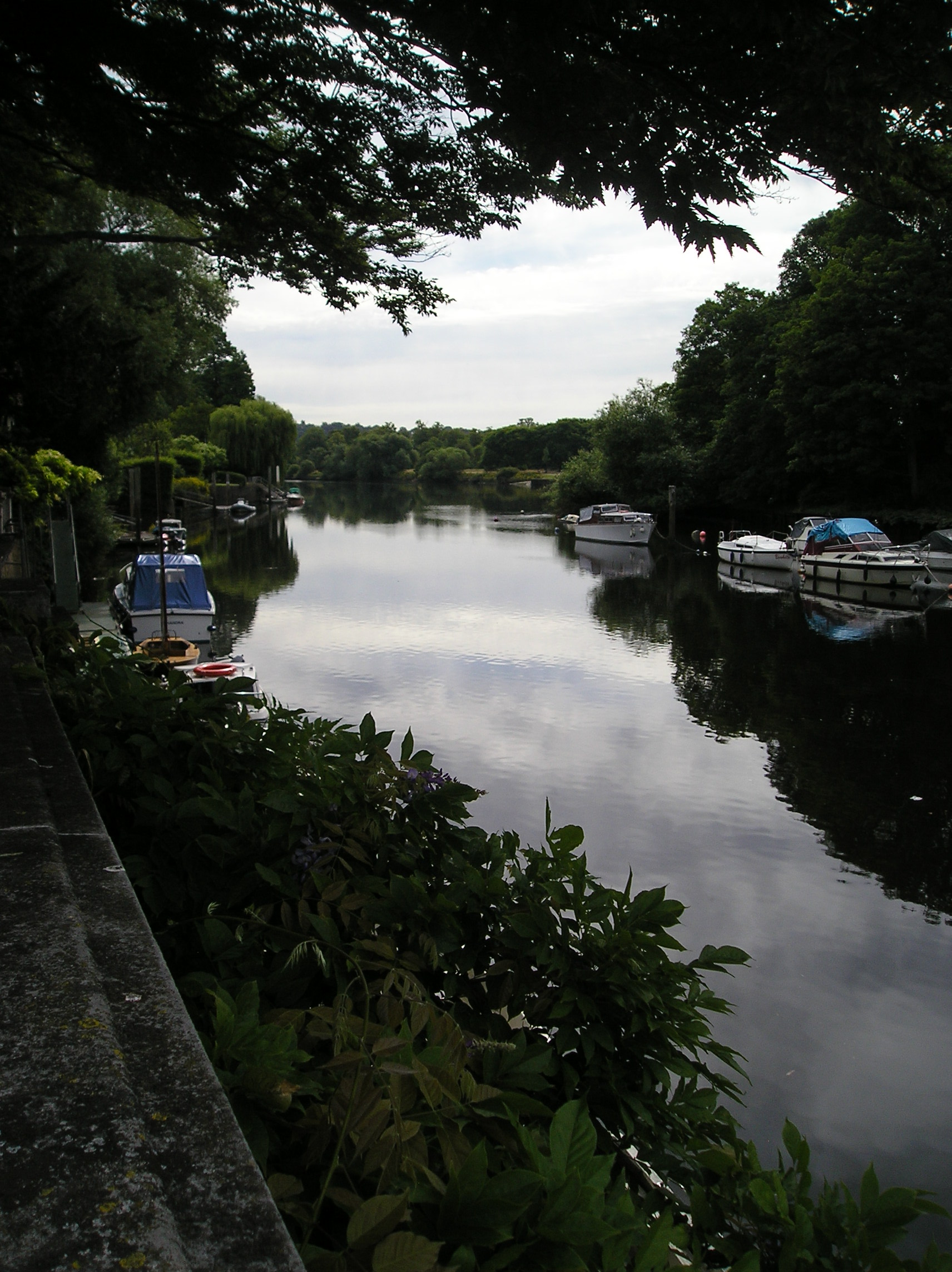
The River Thames
Lining the path are a number of wooden benches, some of which bore memorial plaques to people now residing in a place we cannot see: Simeon Randall, Pauline Anne Hope and a wee lass of just nine years old. I love that people put up these benches in memory of loved ones, and it is my desire to have one too. Problem is that I have so many favourite places I would not know where to be! Maybe in all of them. 🙂 I need to set up a ‘bench’ fund.

If I don't see you no more in this world......
Continuing our stroll we passed beneath the wides and shady branches of a beautiful beech tree: York House cut-leaf beech, one of London’s great trees. Across the way we could see the boat-yards of Eel Pie Island, still to be explored. Turning back at this point we once again passed the fountain for a 2nd look, as beautiful then as before. A heron sat still as one of the statues, peering intently at the pond waters, looking for tea I am guessing; sensible bird 🙂
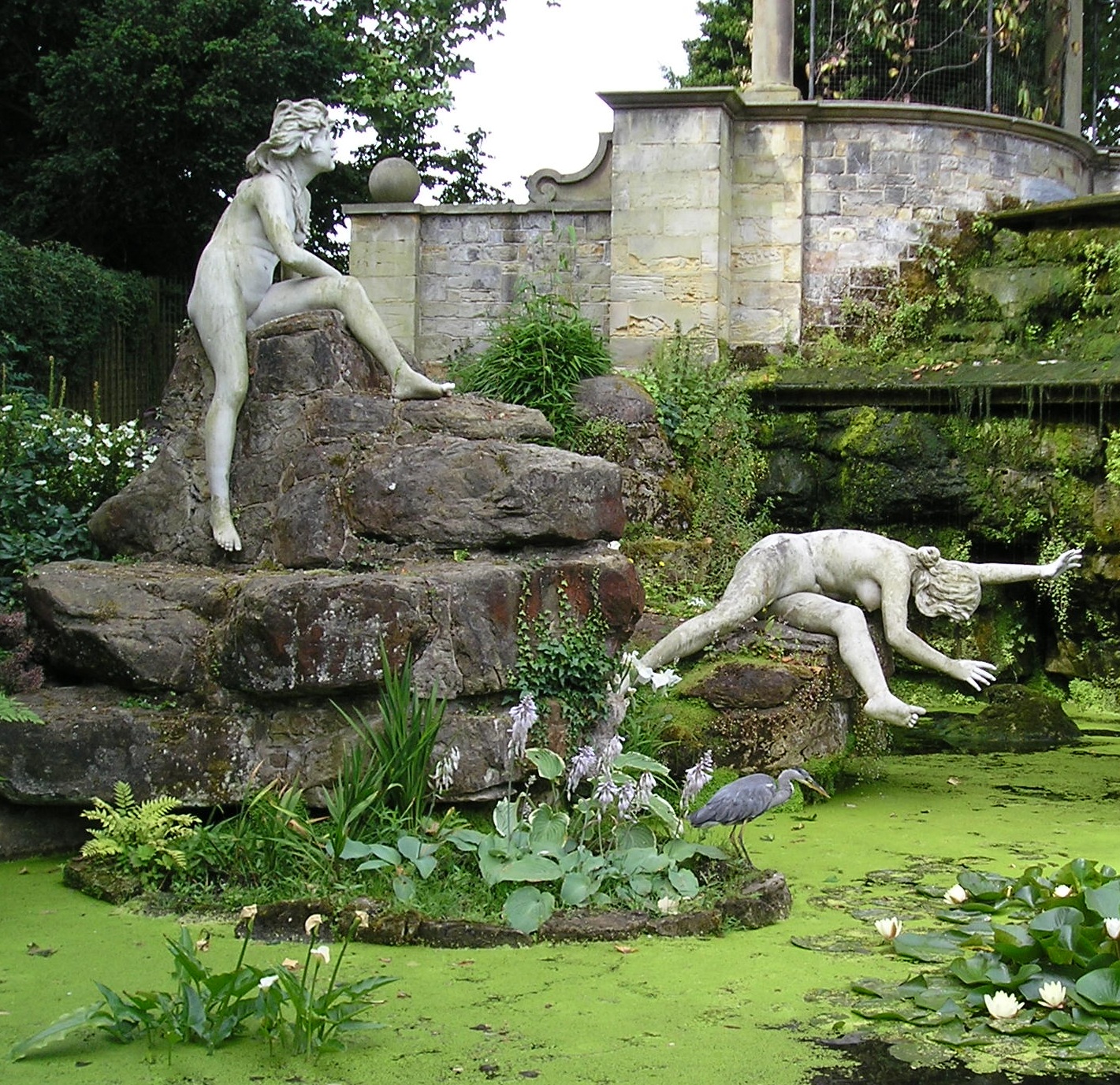
heron fishing for tea 🙂
Thence we made our way to the Sweetie Pies shop for tea and cupcakes; of course.
The shop is a delight, the proprietor a young lass as sweet as her fare. We dithered over which to choose and for me the Black Forest cake with cherries on top, a creation with tightly budded roses and a wee hedgehog won the day.
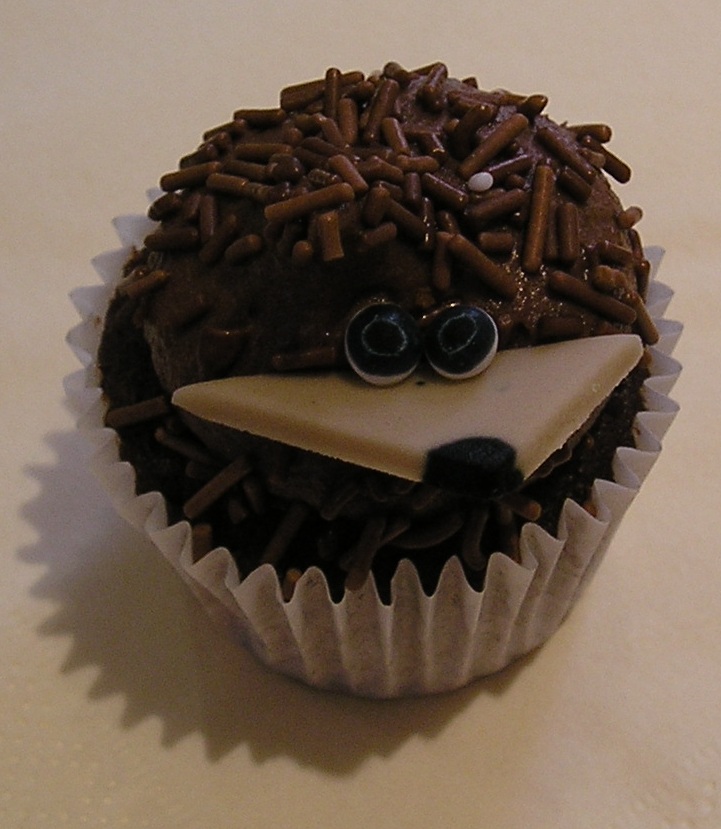
could you eat a face like that?
My daughter chose one with ice-cream cones and another with a sprinkling of coloured stars.
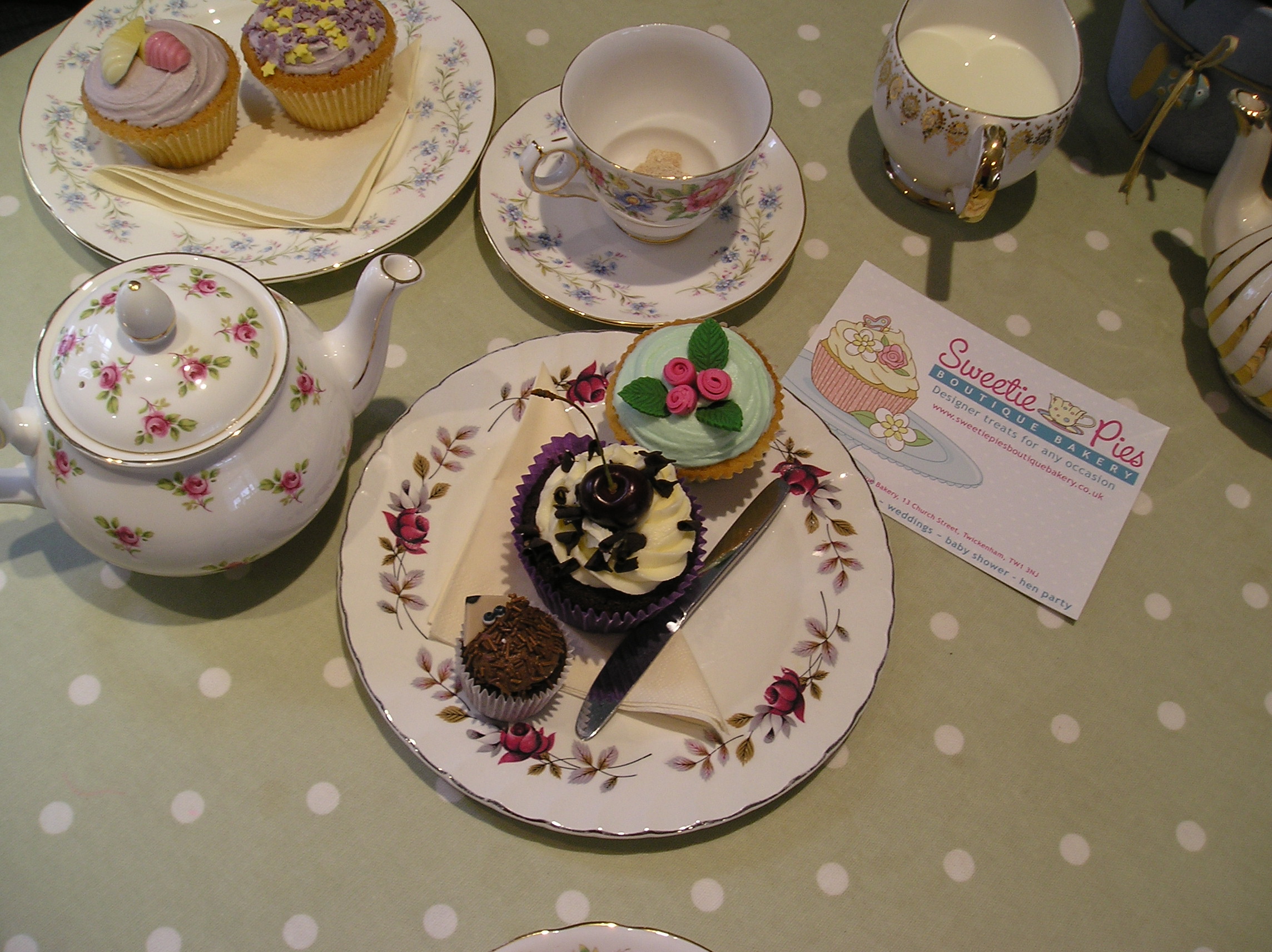
Sweetie Pies cupcakes
That and a couple of pots of tea served on fine china with china tea-cups made us feel very posh. The interior of the shop is tiny and cosy; the ‘Powder Room’ boasting a loo so small I asked they were expecting Snow-White and the 7 Dwarfs!?
Replete, our taste-buds satified we meandered on down towards the river-front once again and so on towards Eel Pie Island, passing the Barmy Arms pub, with a great view from the patio.

The Barmy Arms Pub
On the way I noticed a story-board with snippets of island history. Once upon a time there was a great hotel that hosted the likes of The Rolling Stones, The Who, Eric Clapton, Jeff Beck, Jimmy Page, Rod Stewart and David Bowie amongst others.

The Rolling Stones at Eel Pie Island
The South of England’s answer to Merseybeat. The hotel met it’s demise in 1971 after a fire hastened it’s demise; now a housing estate – Aquarius.
Stepping by an armada of ducks and swans that thought I was there to feed them we marched onto Eel Pie Island via the narrow pedestrian walkway. How thrilling to visit an island in the middle of the Thames!
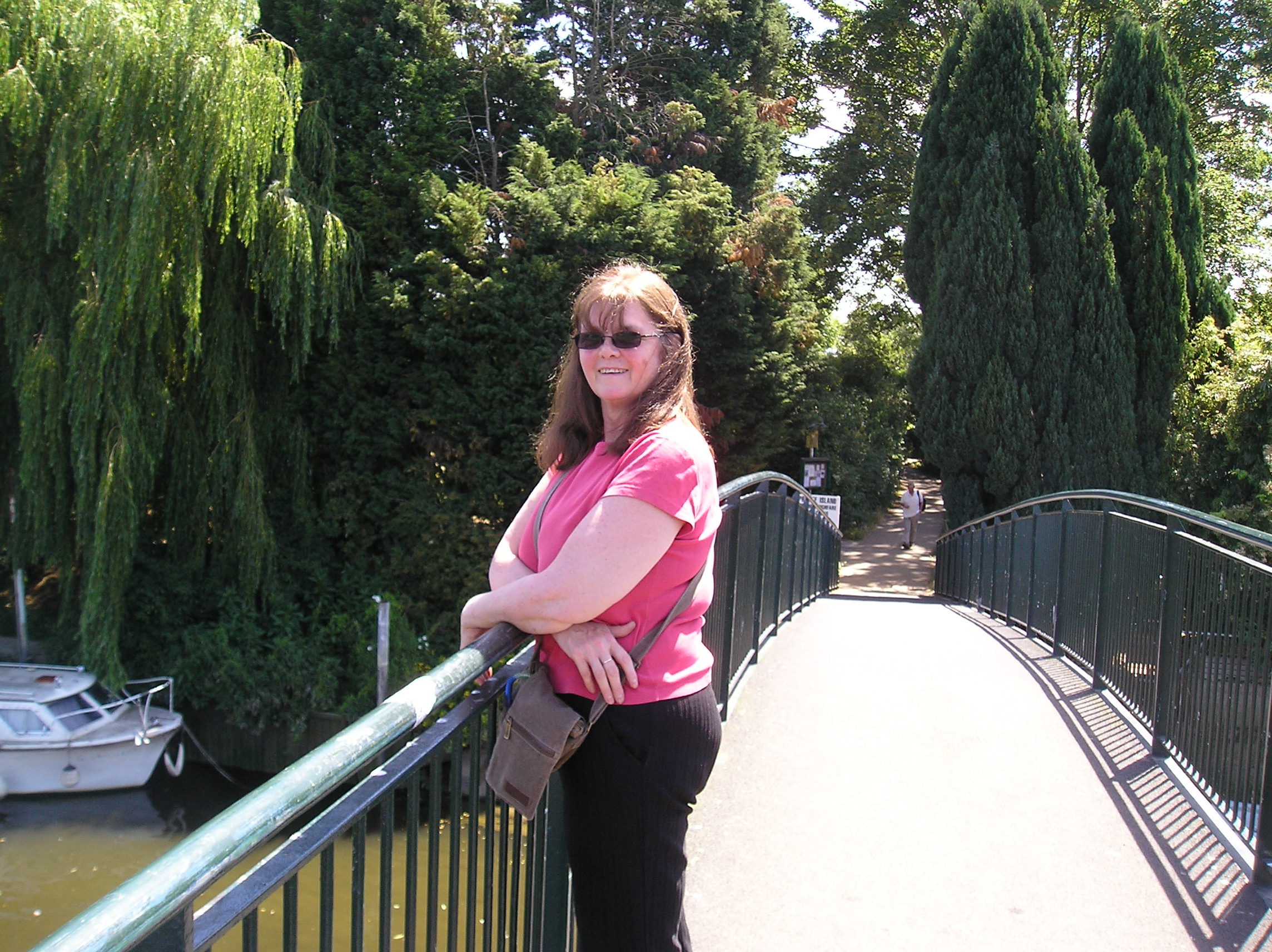
crossing The Thames to Eel Pie Island 🙂
Eel Pie Island, also know as ‘Twickeham Ait’, it appears on Moses Glover’s map of 1635. Cropping of withies to make baskets for the trapping of eels continued until the 19th century. By 1737 there was an inn called ‘The Ship’ later ‘The White Cross’. In 1830, a new hostelry was built was built and the island became a resort for summer visitors.
And what visit it turned out to be. The island may be in the 21st century, but life on the island has remained entrenched in the 1960’s.
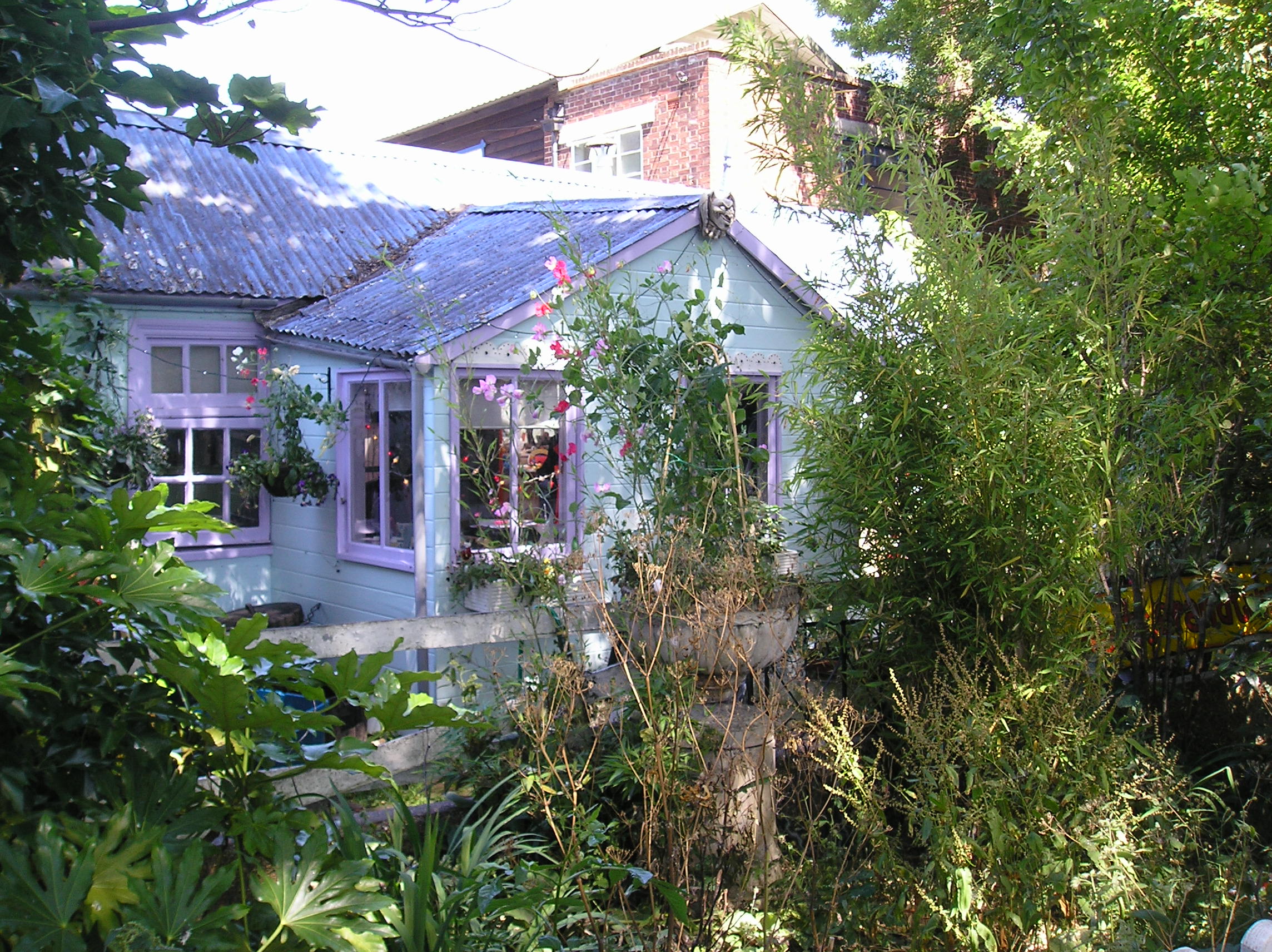
The Loveshack - just gorgeous
The houses are tiny, cute and quaint (those that we could see), and at the far end via the boat-yard is an artist’s enclave that is seriously straight out of the Woodstock era.

the artist's enclave
Ramshackle would best describe the air of fading history. The enclave is a higgedly-piggedly mix of wooden and tins shacks, mostly in a state of external disrepair and look like they’re on the point of falling down. The cyclists club boast a marvellous mix of old metal painted sign-boards recalling products of a bygone era.

relics of a byegone age - HMV metal sign
‘Punch’ ; ‘Lion’ ; HMV and others. Scattered about as if tossed aside by a giant hand grown tired of it’s toys, now rusting and overgrown with weeds and wild plants, lie a variety of old machinery the likes of which you seldom see these days. Relics!

a giant's toys discarded and forgotten
Further along and illegally gained via a gated entrance (I don’t care for barriers) we entered what appeared to be a cluster of offices, a modern structure in a vintage setting. If you were wonering what happened to Tweety Bird, well, he is held captive in the jaws of the monster, a now abandonded building crane. Poor birdy.

if you ever wondered what happened to Tweety Bird......
Wonder if the same will happen to Twitter?!
We strolled about the enclave, amazed that people could actually reside amongst this conglomeration of chaos; a delight of everything and nothing….one such ramshackle structure asks ‘anyone for Pimms’.

anyone for Pimm's?
I could probably pitch a tent in the wee forest we chanced upon at the far end of all this and live happily (albeit uncomfortably) and no-one would even notice. I noticed a hanging cage that houed a skeleton and wondered if that was the remains of Hansel or maybe Gretel :).

don't overstay your welcome......
The place is littered with junk and bits and bobs, a veritable hoard of what I guess an artist would call ‘useful’ stuff. Flowers abound and a nasturtium in full bright orange glory dominates the scene lending some colour to what is despite all the ‘stuff’ quite a dull bleached area.

a bright orange splash of colour
Making our way back off the island we headed off to The White Swan for lunch. Along the way we passed under the bridge that leads to York House and walked passed ‘Dial House’, home to a magnificent sundial mounted above the front door; gorgeous. Dial House was owned by various members of the ‘Twining’ family till the death of Elizabeth Twining on Christmas day 1889. (
on Riverside at Twickenham takes its name from the painted sundial in the centre of the front of the house.
This type of sundial is known as a vertical dial and the enthusiast would describe it as a vertical, declining dial because it does not face due south. Such dials are said to be declining so many degrees east or west of south, so that the gnomon, the rod that casts the shadow of the sun, is angled to one side or the other of the vertical centre line. For the same reason, the hour markers are not quite symmetrical, starting in this case, after 6 o’clock in the morning and ending at 4 o’clock in the afternoon. The perfect south-facing dial would start at exactly 6am and end at 6pm.)
@JCDaydream
Posted in Travel, tagged across australia, adventure, australia, http://www.jcdaydream.com/, photography, Twitter on July 5, 2010| 2 Comments »
Hi James,
I just read your website bio, wanted to reply and had more to say than twitter allows! So, just to say that I loved your story and what a fabulous adventure you are on. I am quite envious; my dream is to travel the UK and the world in a VW campervan. Shame you had such a bad experience with the movie industry…yeah, Hollywood – I can so imagine exactly what you’re talking about, it’s all so commerical. But brilliant that you have turned your knowledge and skills to something that you are evidently passionate about.
I also watched the Griff Rhys-Jones programme you mentioned and quite agree; the UK is splendid. I love this country with a passion and esp love London (I blog on http://www.3daysinlondon.info) Originally from South Africa, I visited the UK in 2001 and never went back home, now very settled here.
I will be exploring your site more thoroughly once I have finished my current project and look forward to seeing the photos and to reading more about your journey across Australia. I have also developed a real enjoyment of photography in recent years; how could I not – with all the fabulous places I have visited since living in the UK.
I am now following you on twitter via @notjustagranny. Have a great day
Regards, Cindy
Trooping the Colour 2010
Posted in around the UK, Fun Stuff, Historical, things to do in London, Travel, tagged British traditions, http://www.3daysinlondon.info, London events, Pomp and Ceremony, things to do in london, Traditional events in London, Trooping the Colour, Trooping the Colour 2010 on June 14, 2010| 5 Comments »
What do you get when you mix Tradition, Pomp and Ceremony, a Queen, Princes, Princesses, Royal Artilleries, Horses, crowds of cheering people, and Red Arrows?
Trooping the Colour!

Troops marching by in Colour
The Sovereign’s official birthday is marked with a colourful mix of military bands,

Military Bands
precision marching, some 20,000 well-wishers, top hats and tails, flags and planes and a 41-gun salute, to create an exciting day of Pomp and Pagentry marking a tradition that goes back more than 4 centuries.
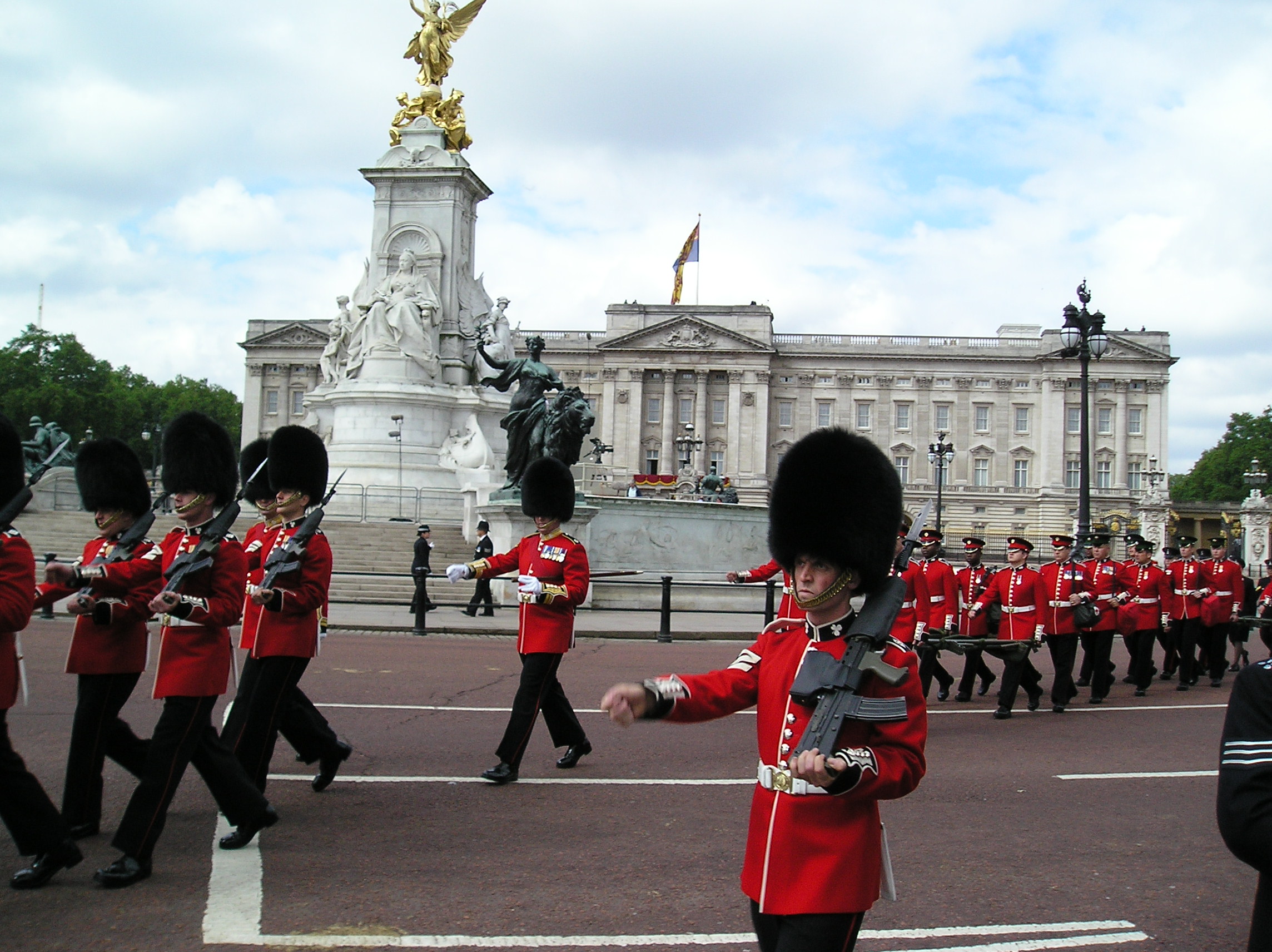
The event is an enactment of the traditional preparations for battle when the “colours”, or flags were “trooped” down the ranks so they would be recognised by the soldiers. This year’s celebration, marking her Majesty’s 84th birthday, saw the colour being paraded by the 1st Battalion Grenadier Guards.
This was the 58th ceremony at which the Queen has presided. Looking radiant and dressed prettily in lilac with a flambouyant matching hat, sitting in Queen Victoria’s 1842 ivory-mounted phaeton drawn by a pair of horses, with Prince Philip at her side, she rode daintily down The Mall.

one of the carriages being driven to the Palace before the event

Queen Victoria's 1842 paheton drawn by two greys, on their way to the Palace to collect Queen Elizabeth II
Preceded by first Prince William and The Duchess of Cornwall in a carriage, then Prince Andrew with Princesses Beatrice and Eugenie in a second carriage, she was accompanied by the Prince of Wales, the Duke of Kent and the Princess Royal on horseback.
The Royal Standard flew colourfully and cheerfully above the Palace, while below, the streets were cleared of traffic and detritus in preparation for the Queen’s appearance.
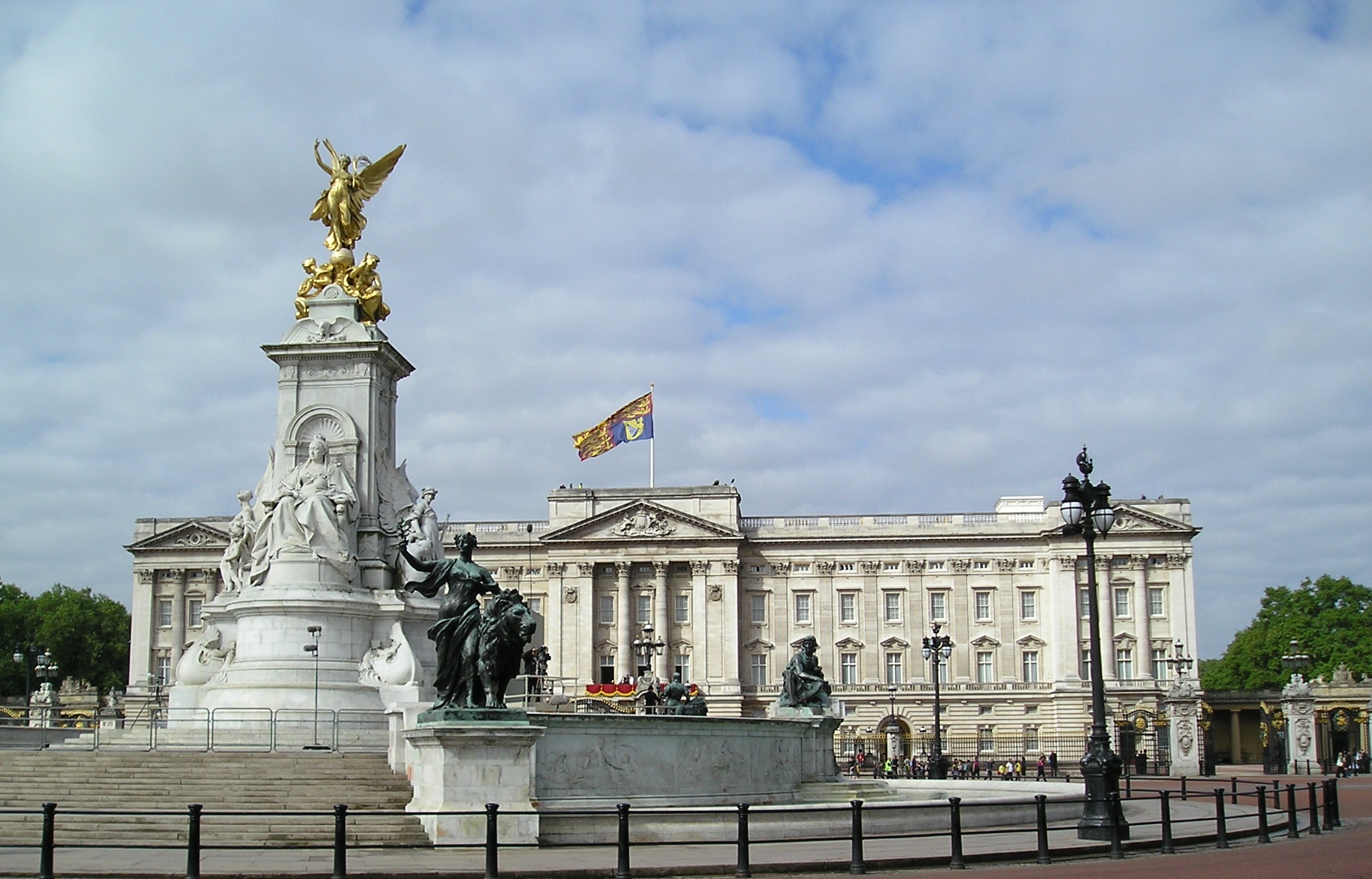
The Royal Standard flapping jauntily above Buckingham Palace
The day began at 10am with slightly overcast skies and proceeded with Military precision till the fly-past at 1.30pm. The British Military are renowned for their detail and each carefully choreographed display never missed a beat.
The enthusiasm of the crowds in front of Buckingham Palace, along The Mall and inside the Whitehall parade grounds was visibly palpable. A ripple of excitement swept through the crowds that had gathered, standing 10 deep, when the first of the Regiments made their appearance.
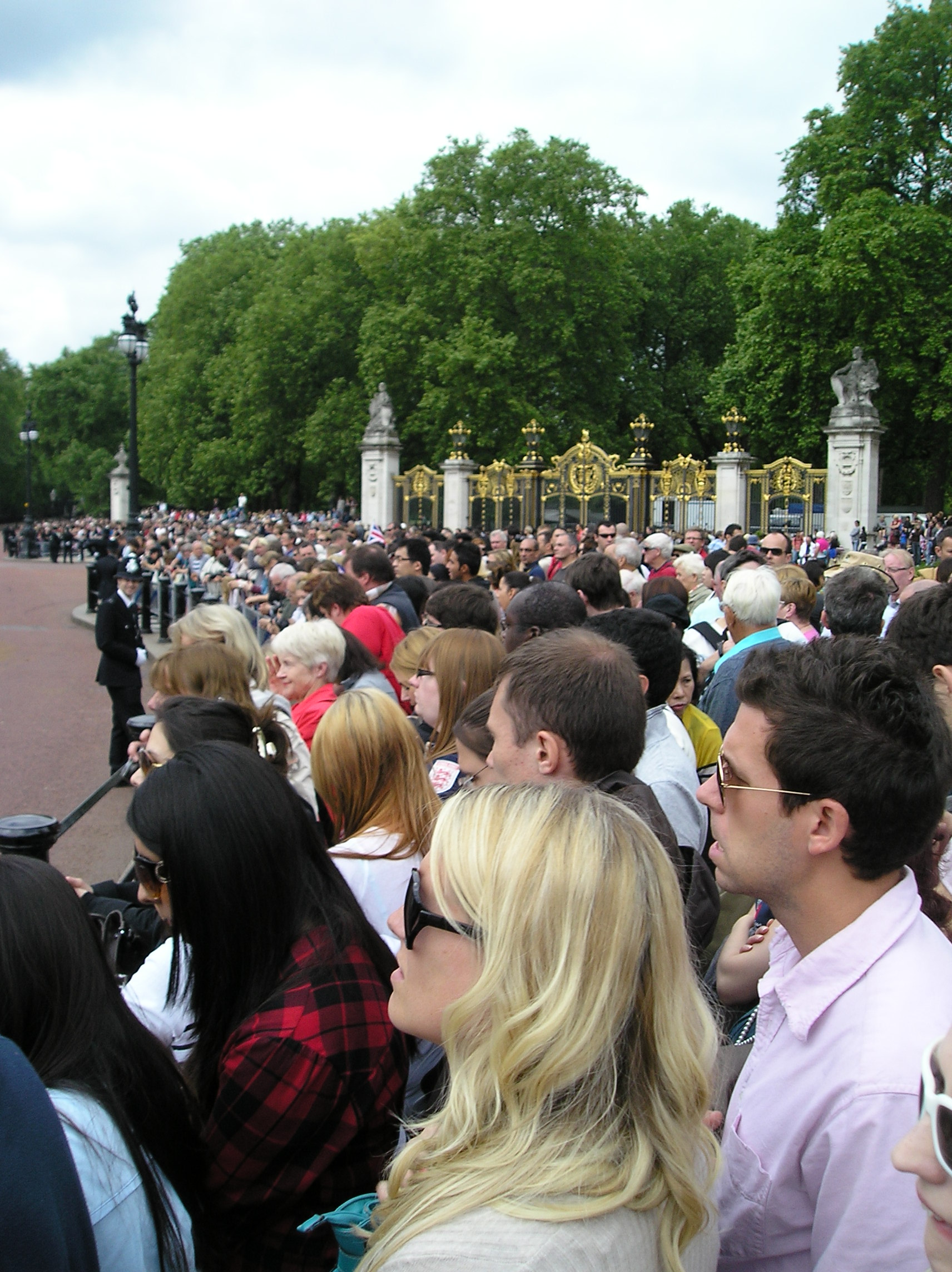
standing 10 deep
The Military Bands; 400 musicians, splendid in their colours of either red and black or black and gold, accessorised with enough bling to put any self-respecting Pop Star to shame, played a medley of military tunes and of course “God Save our Queen”.
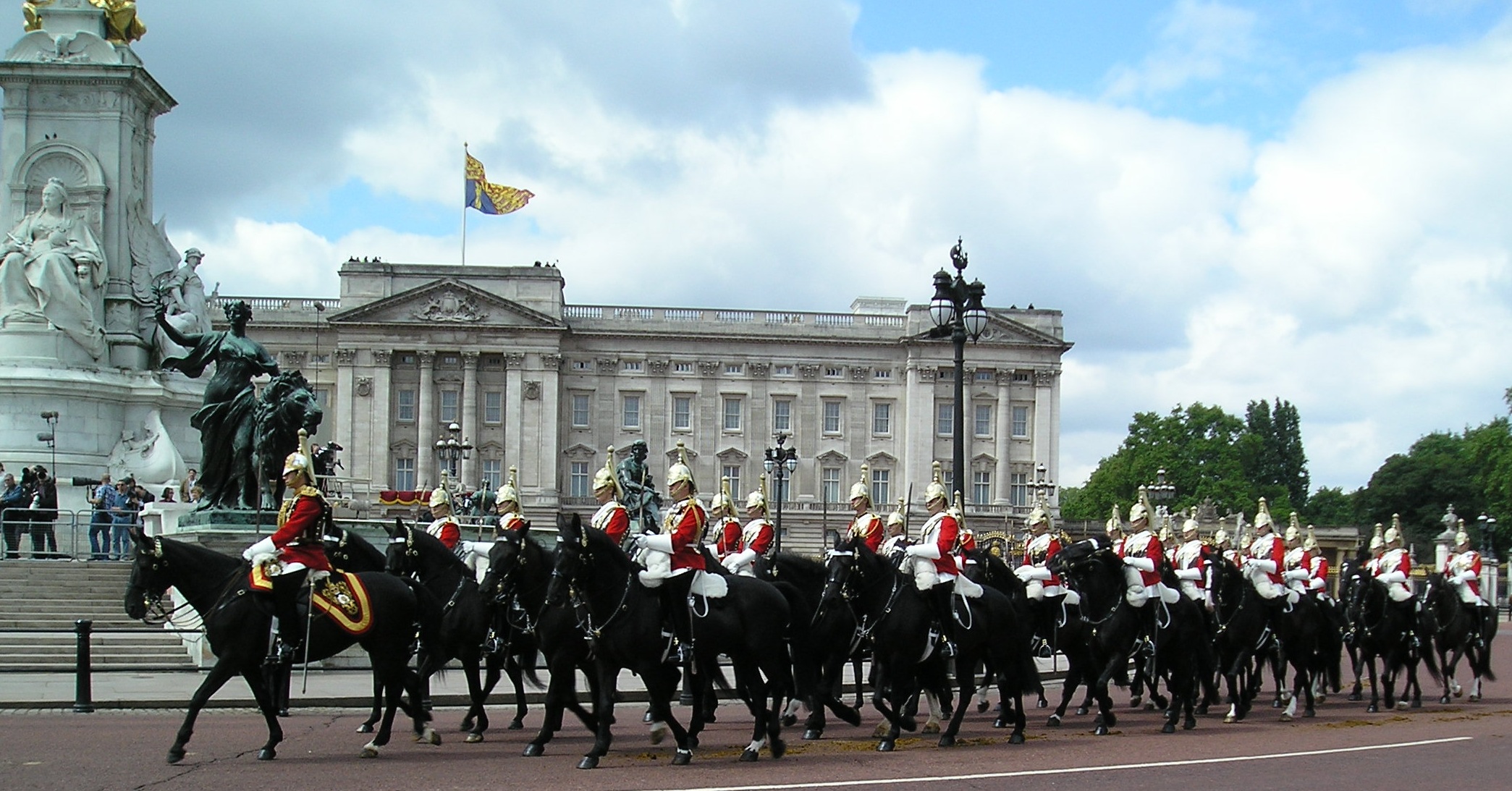
all the Queen's horses and all the Queen's men...covered in bling!
The Troops; the different Regiments marked by their own particular colours and uniforms, marched past in snaking lines of Red, Black and Gold, boots shining, arms swinging jauntily in tandem as they made their way past the Palace to Horse Guards Parade.
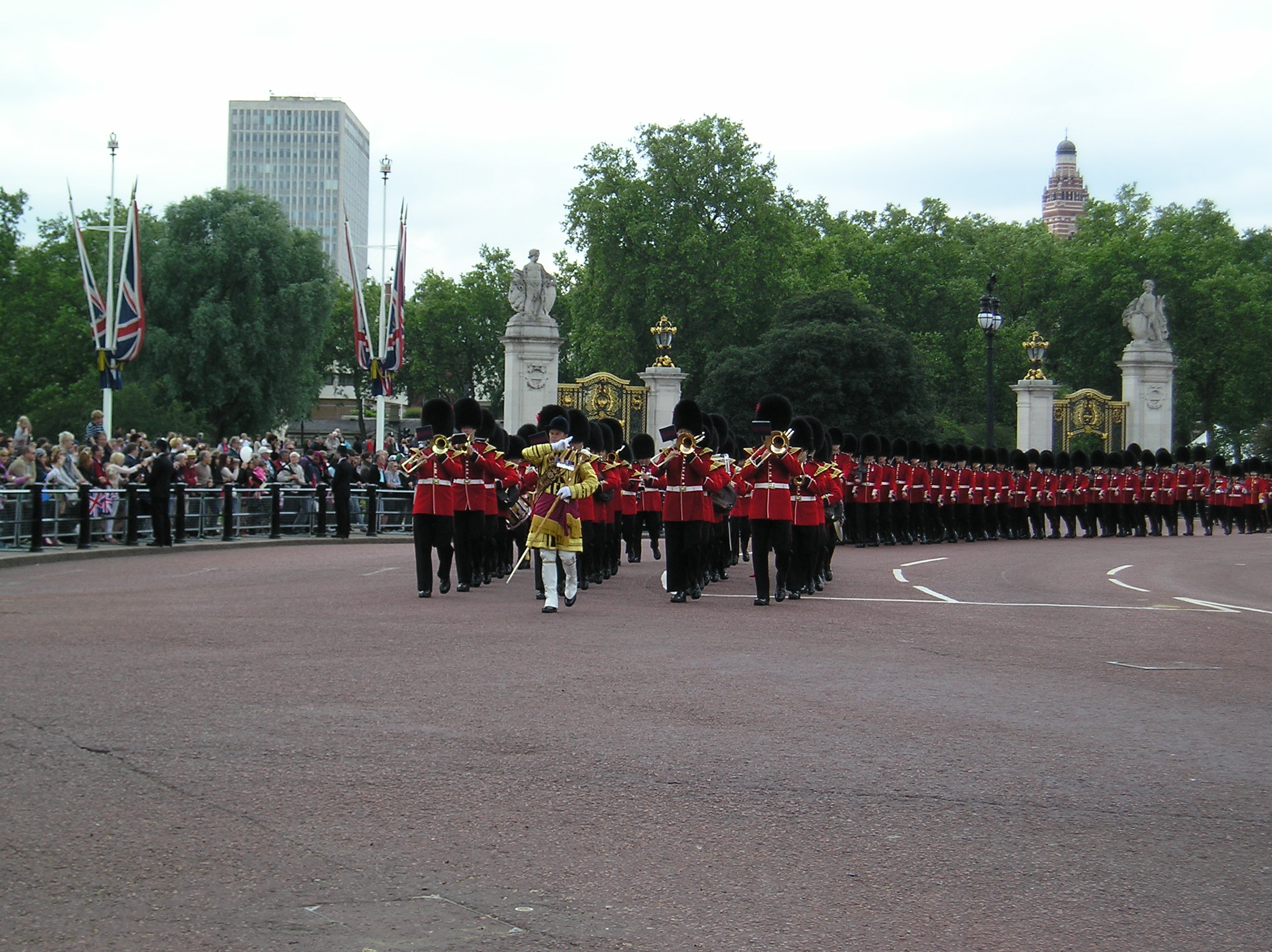
snaking line of marching troops
The crowds watched in awe as the field guns, drawn by matching teams of horses rode past,

gun-carriages drawn by carefully matched horses
and in admiration as wave after wave of colour swept along The Mall.
Once the Colour was trooped, the Guards in their poppy red tunics and well-brushed bearskin hats filled the arena with a display of precision marching, after which the Royal family then returned to the Palace, stepping out en-mass onto the balcony to welcome back the Queen and Prince Philip.
After riding out along the route of cheering citizens come from all corners of the earth,

they come from all corners of the earth
the Queen returned to the Palace
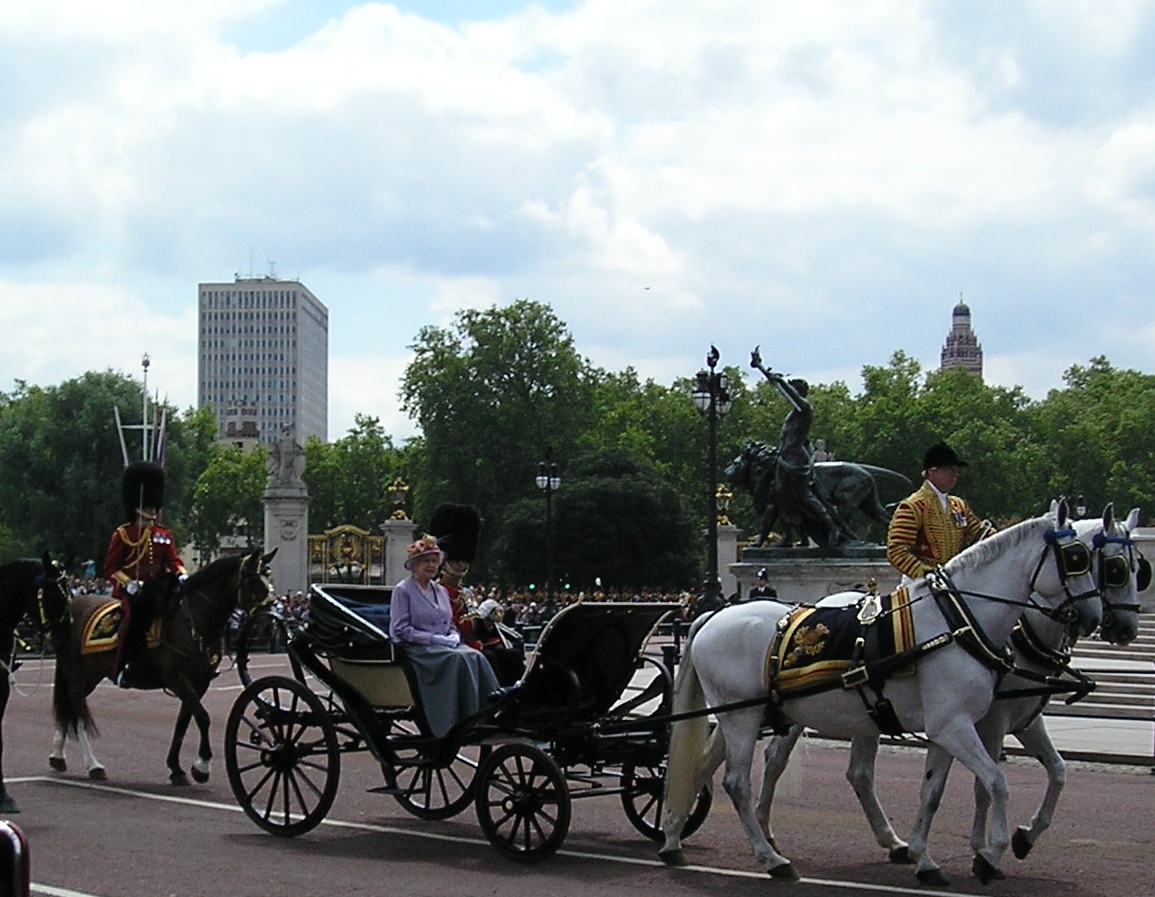
Queen Elizabeth looking radiant returning to the Palace
and within minutes stepped onto the balcony to an enthusiastic wave of clapping, cheering and vigorous flag-waving!
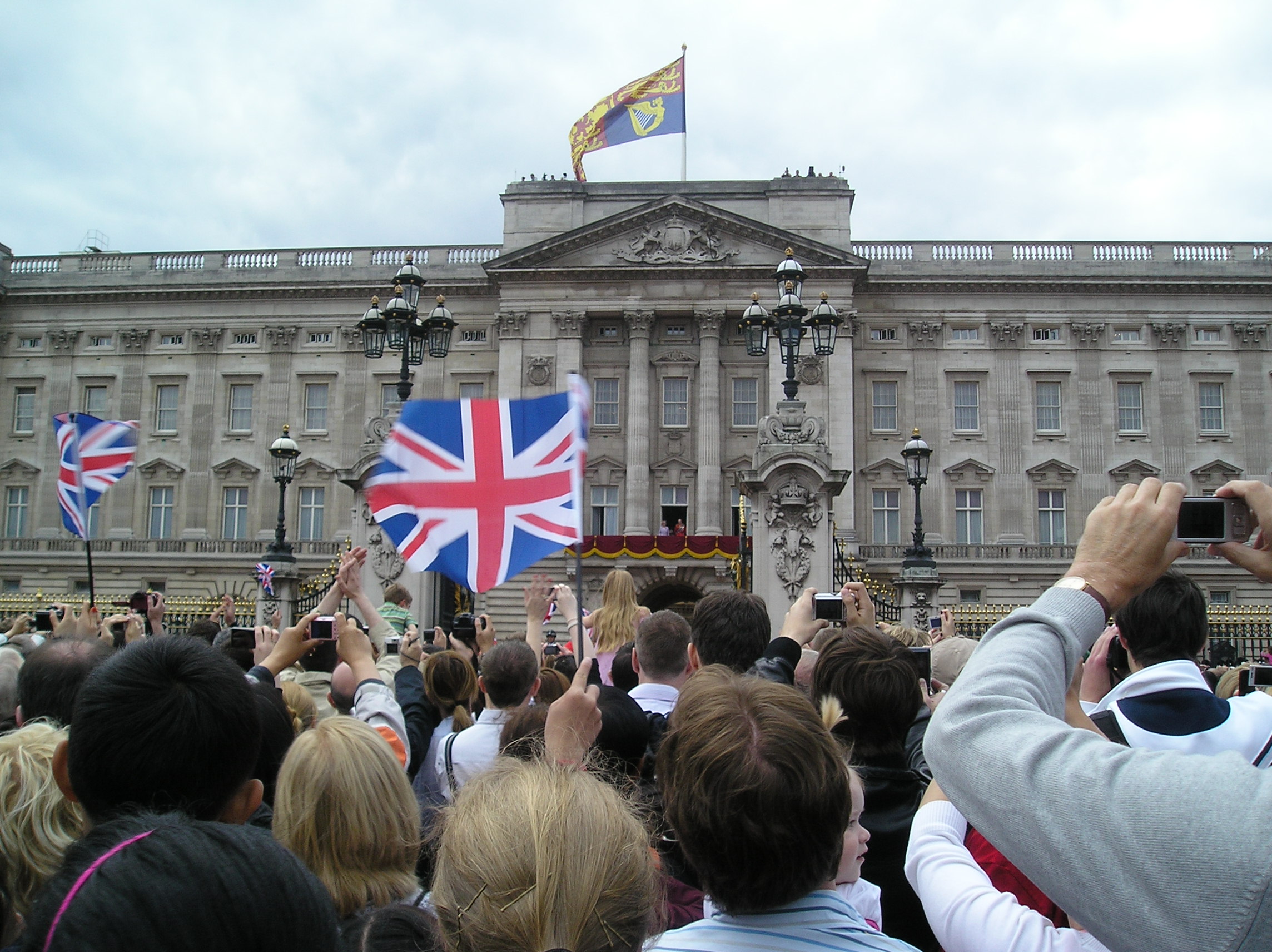
waving flags and cheering crowds greet Queen Elizabeth and Prince Philip as they step onto the balcony
We were then treated to a Royal Air Force fly past, featuring the old stalwarts of World War II – the Spitfire II and Hurricane, as well as fighter-jets and the Red Arrows which left a stream of blue, red and white plumes across the sky in their wake.
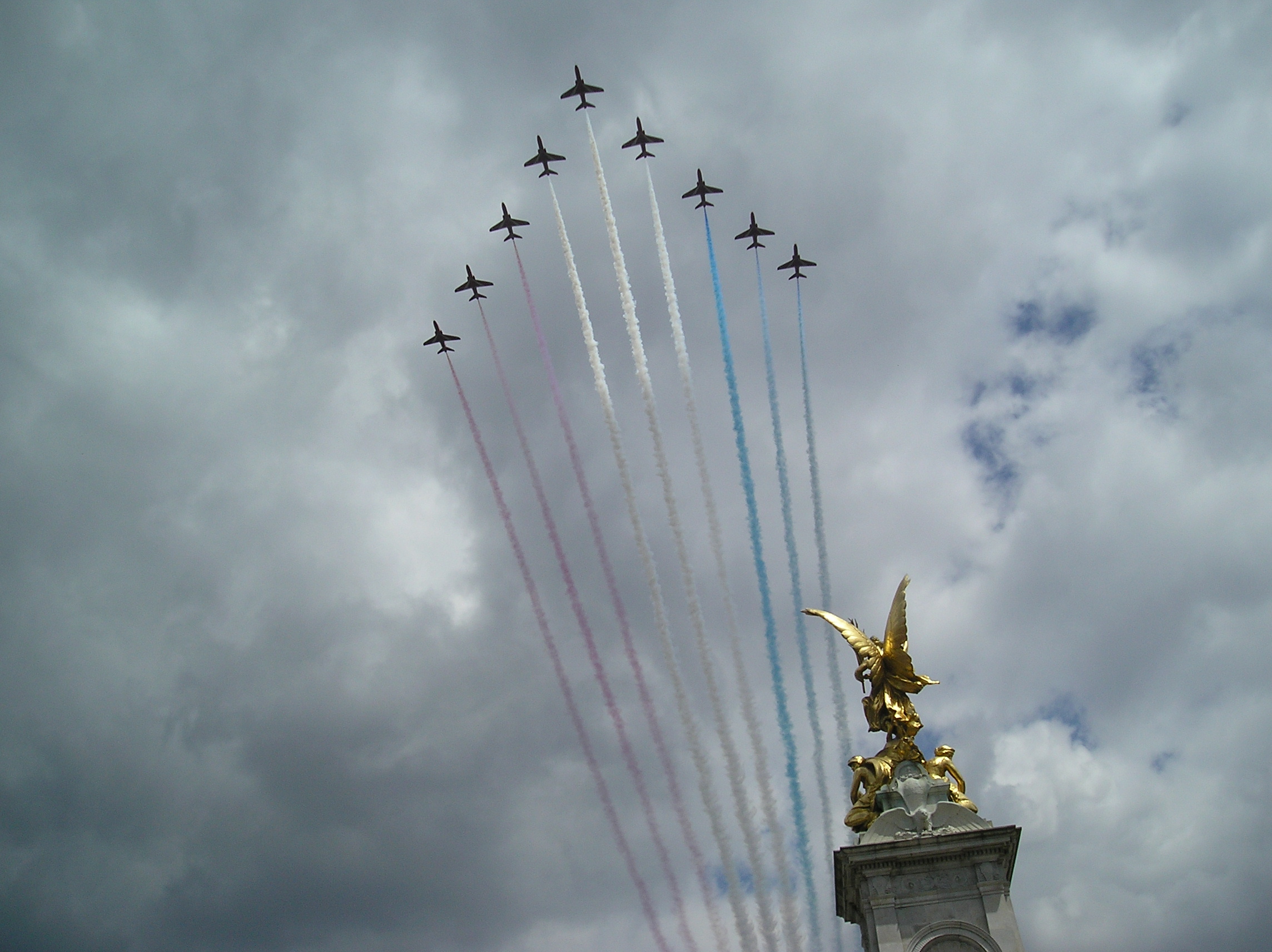
The Red Arrows - a plume of red, white and blue behind them
On the balcony the Queen waved enthusiastically, encouraged by the cheers of the crowd below.
And then….it was all over. The crowds milled about, not sure what to do with themselves after all the preceeding excitment, and slowly but surely they slipped away to spend the rest of the day enjoying the sights, sounds and smells of London.

milling about after the excitement
I strolled into Green Park for a bit of rest and relaxation and to have a squizz at some of the delightful little elephants, part of the Elephant Parade, that are dotted about the city for the next few weeks.
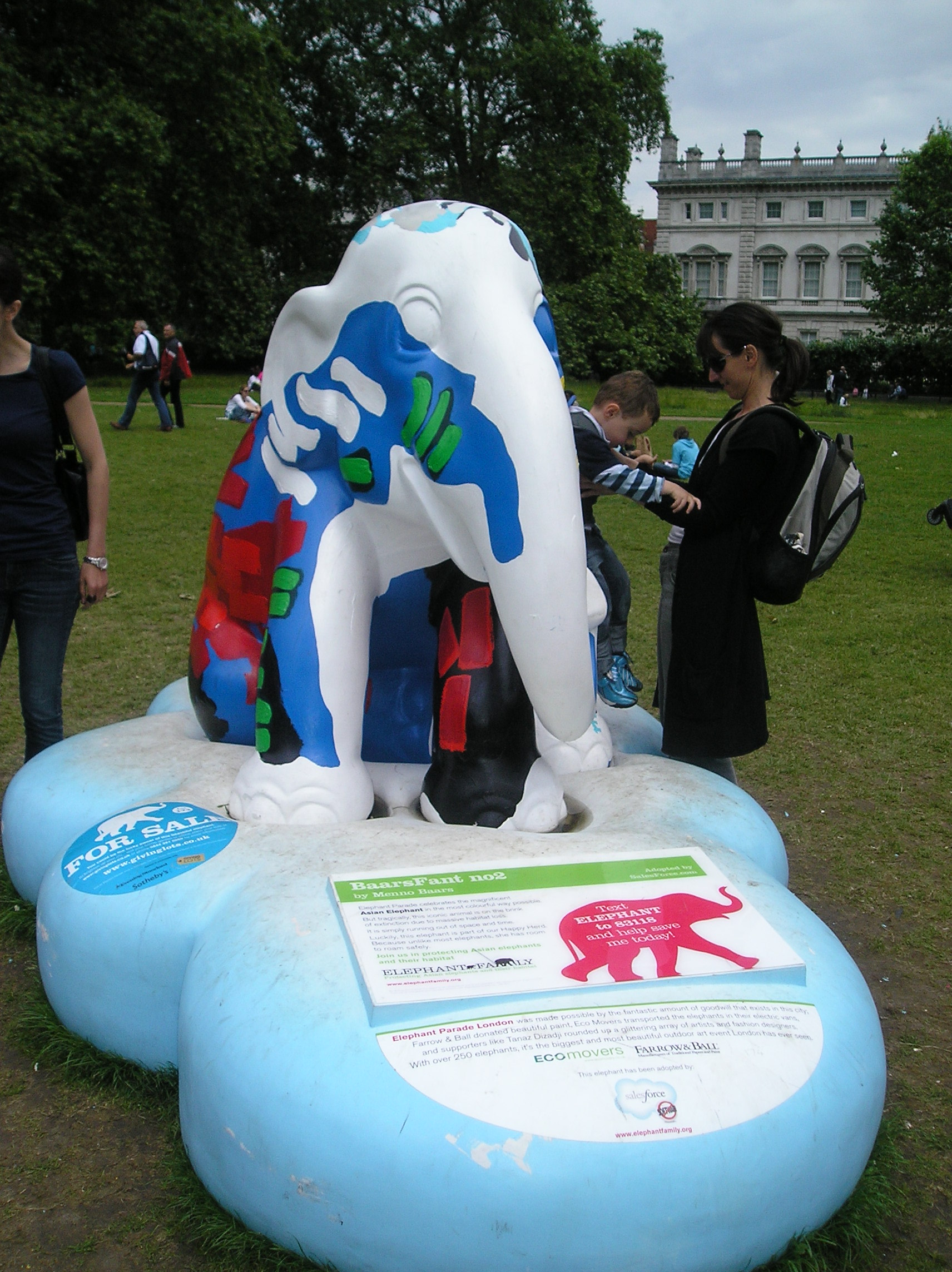
Baarsfant
Ahhh!!!! Coffee
Posted in It's my life, Travel, tagged Club loyalty card, Costa Coffee, Highgate, hooked on the internet, http://3daysinlondon.info/, internet, percolating coffee, tavel in London on June 4, 2010| 1 Comment »
What is it about the early morning smell of percolating coffee that sets the olifactory senses in a whirl and the tastebuds drooling!
I arrived back in Highgate this morning (Wedn June 2nd), a glorious summer day in London, bright and early (too early), so I stopped off at Costa Coffee to hook-up to the internet. As I walked through the doors I was assailed by the heavenly smell of percolating coffee.
 Costa coffee in Highgate
I often visit Costa Coffee in Highgate (one of my favourite places in London) and meet up with friends, my business coach and sometimes my daughter (although we more often go to High Tea of Highgate). Coming back to the same place again and again is like the feeling you get when wearing a favourite jumper…warm and cosy, and I have been back so often that I have qualified for a Costa ‘Coffee Club’ loyalty card.
 Costa Club loyalty card
Although I am a dedicated tea drinker, my favourite being Twinings English Breakfast, my day cannot start without the first mug of tea; like nectar on the tongue – there is something about the smell of percolating coffee that assails my senses.
So here I am hooked-up and hooked-on to the internet, enjoying the cosy ambiance of fellow patrons sitting relaxing, the quiet buzz of conversation and the heavenly smell of my cappucino.
 Cappucino with chocolate sprinkled on top 🙂
and yes I do take four sugars with my coffee, but I make up for it by not having sugar in my tea 🙂
I am back in Highgate for the next three months – in sha’a Allah, and love the feeling of visiting the same place again and again;
 warm and cosy inside Costa coffee shop
That is the corner of my suitcase you can see in the foreground! I do indeed live like a gypsy, although these days it feels more like a tortoise 🙂
And just to make it perfect, in the background I can hear the sounds of ‘Imagine’ by John Lennon 🙂
Cycle Slam 2010 #travel #europe#london
Posted in Fun Stuff, Holidays, news from around the world, things to in London, Travel, tagged cycle across europe, cycling, cycling in europe, http://twitter.com/3days_in_london, raising fund for charity on June 1, 2010| Leave a Comment »
Hello. Thanks for dropping by :). I found a flyer the other day that piqued my interest; Cycle Slam 2010. Anything with the words cycle or with the hint of travel, always catches my eye.
On closer inspection I note that it is an advert for a Bike ride across Europe (London, UK to Timisoara, RO). Now that is exciting.
so here are the details:
What: Bike ride across Europe (as above)
When: From 1st to 20th August 2010
Where: Europe (United Kingdom, France, Belgium, Holland, Germany, Austria, Slovakia, Hungary, Romania)
Why: To raise money to help Romania’s abandoned children
Who: A core team of 20 cyclists plus anyone who wants to join
The flyer appears to have been printed by a young man who goes by the name of Bogdan Christea. He and his fiancee are two young, ambitious and hardworking entrepreneurs who want to raise money to help disadvantaged children live better lives.
They are planning to leave in August this year, hopping on their bikes in London and won’t stop pedaling till they reach Timisoara in Romania. Their route will take them through 9 countries and along they way they will visit some of the most beautiful cities in Europe. They will be supported all the way by Amway and team NUTRILITE and hope to make this an experience of a lifetime; for themselves and of course for the children who will benefit from the funds they raise.
 map of Romania
He has chosen his home country of Romania, where children are still suffering in a childcare system that was left deeply damaged by the Communist regime. Their dream is to help rebuild the system and thereby ensure that children there have a brighter future to look forward to.
 Timisoara, Romania
If you would like to take part in this ride for one or more of the dates across Europe, raising your own sponsorship, then this may be for you.
For more information on this visit http://www.cycleslam.eu they are also in twitter at http://www.twitter.com/cycleslam
So if you are a keen cyclist, and fancy raising funds for a good cause then why not contact these folk and see what it’s all about. NB; do make sure that any event that involves raising funds are bona vide and have a registered charity number.
Thanks to http://www.wseas.us/conferences/2009/timisoara/sse/location.htm for the picture
Thanks to http://commons.wikimedia.org/wiki/File:Timisoara_Romania_CIA2006.png for the picture
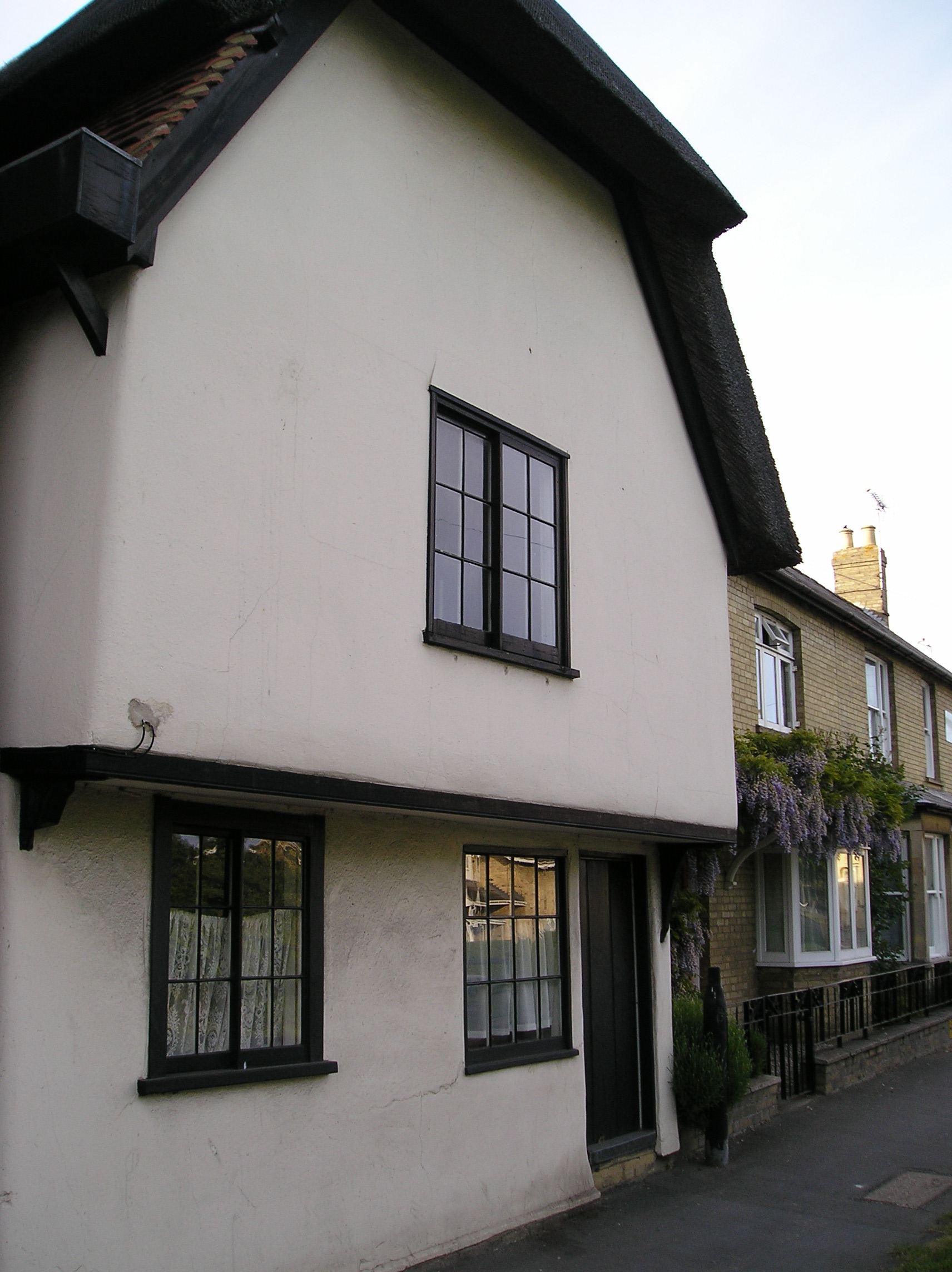
Cottenham, #Cambridgeshire, #UK
Posted in around the UK, Historical, Interesting articles, It's my life, Travel, tagged Calvin Coolidge American President, Cambridge Archaeological Unit, Cottenham, Cottenham Cambridgeshire, Cottenham Moat, English Heritage, great grested newts, http://www.cindyeve.worldventures.biz, http://www.twitter.com/notjustagranny/, lyrics to the song by John Denver, medieval monuments, Pond Farm Cottenham, Samuel Pepys, Saturday Night in Toldeo, Saxon settlement, they roll back the sidewalks at night, villages of the United Kingdom on May 30, 2010| 26 Comments »
On my ‘wish list’ was the desire to travel; and so I have, to villages and towns around the UK. Not quite what I had in mind when I sent the message to the ‘Universe’, but there you go. 🙂
The latest on my travels is what at first glance appears to be a rather non-descript little village named ‘Cottenham’.
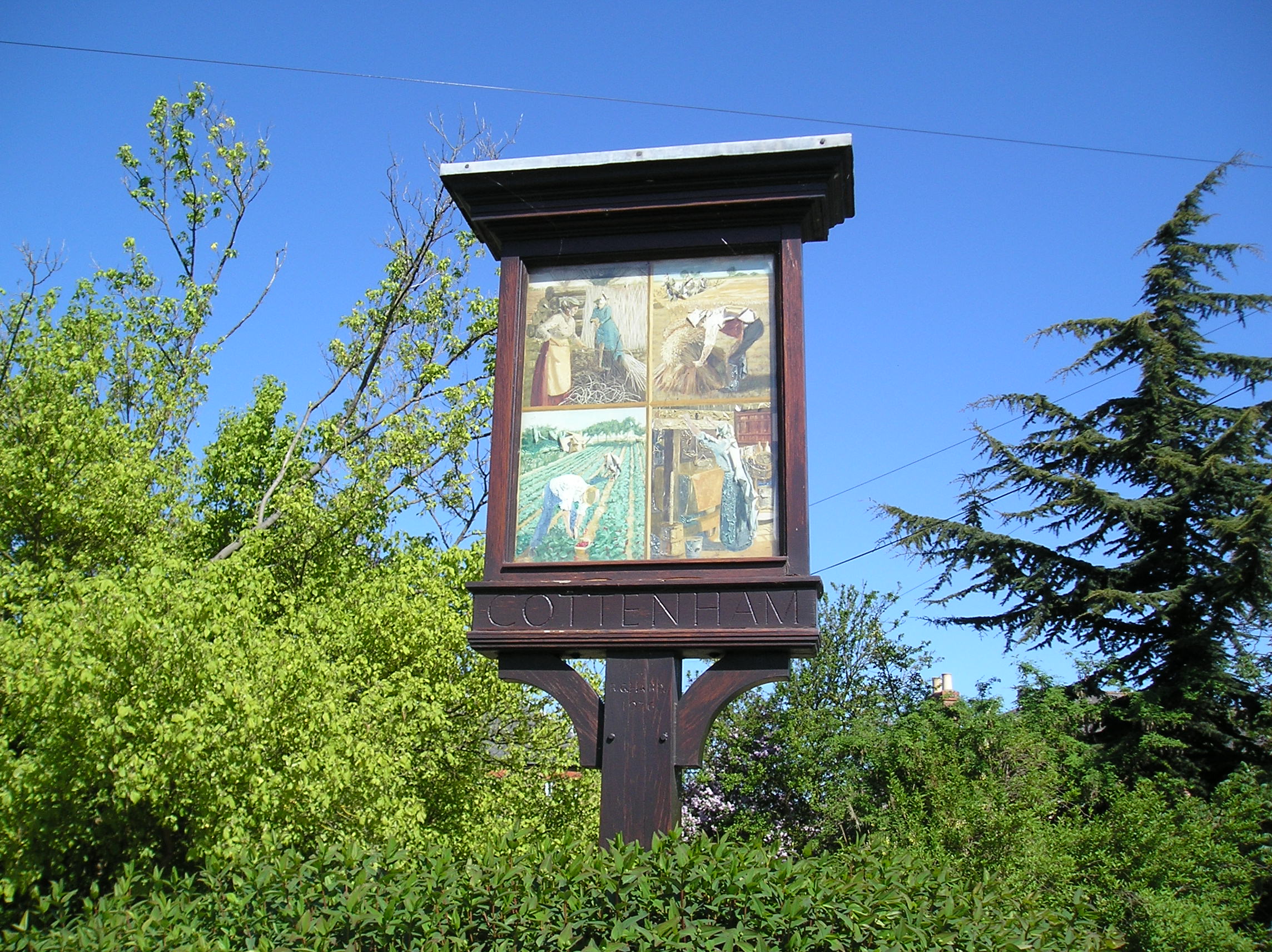
Cottenham, Cambridgeshire
On arriving in Cottenham you could be forgiven for thinking that it looked rather dull, albeit lined with some pretty little houses and some fine examples of Georgian and Gothic architecture, there was nothing much else to excite the senses. It reminded me a bit of that song by John Denver; Saturday Night in Toledo. Some of the lyrics go: “they roll back the sidewalks at night”.
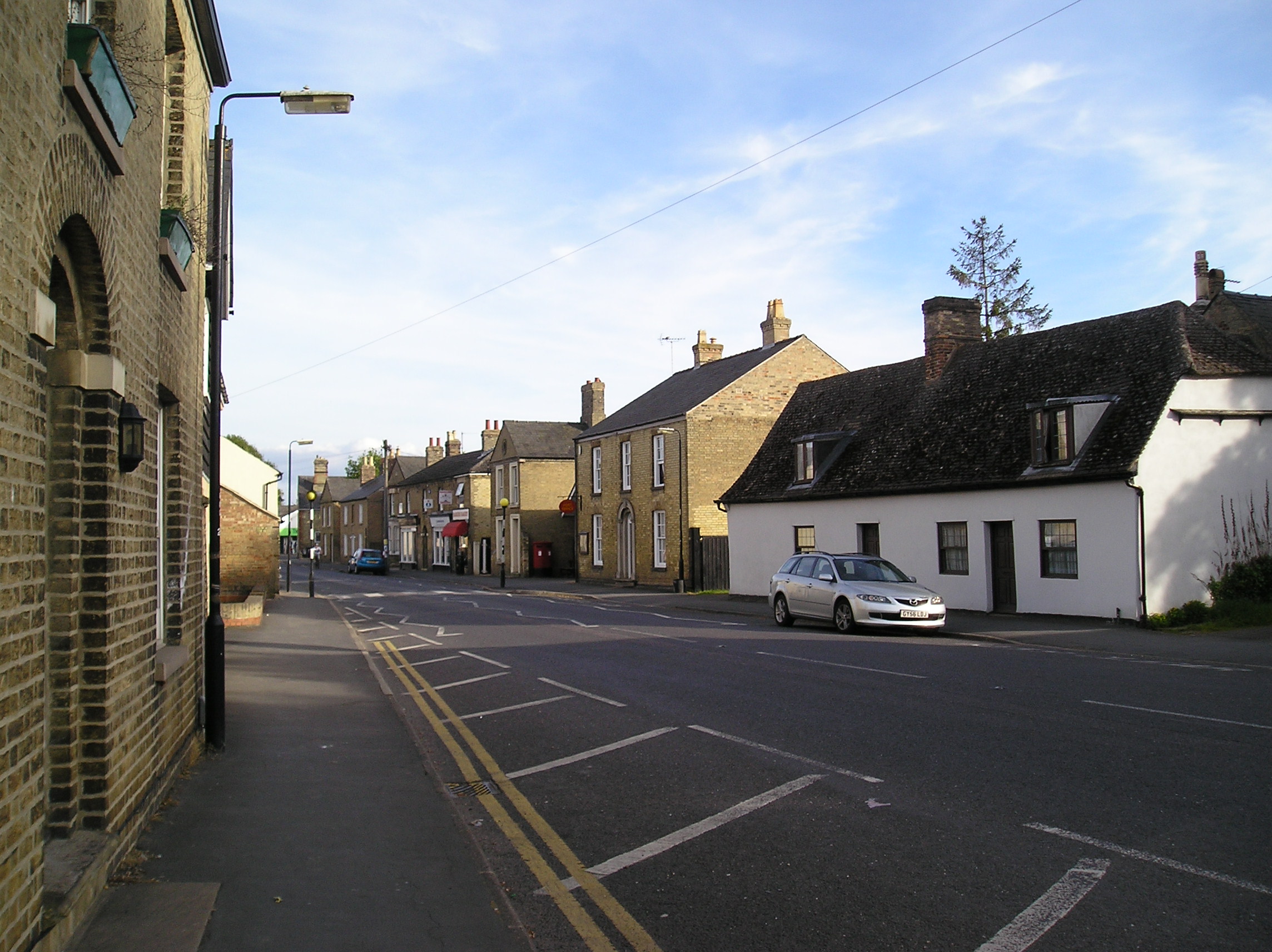
...they roll back the sidewalks at night
Ah! But wait, we have yet to discover what lies beneath!
Cottenham it seems has in fact existed since prehistoric times, and scattered discoveries of Mesolthic and Neolithic tools have been made. Now we are talking!
On a bend in the ‘High Street’, kind of halfway between here and there,
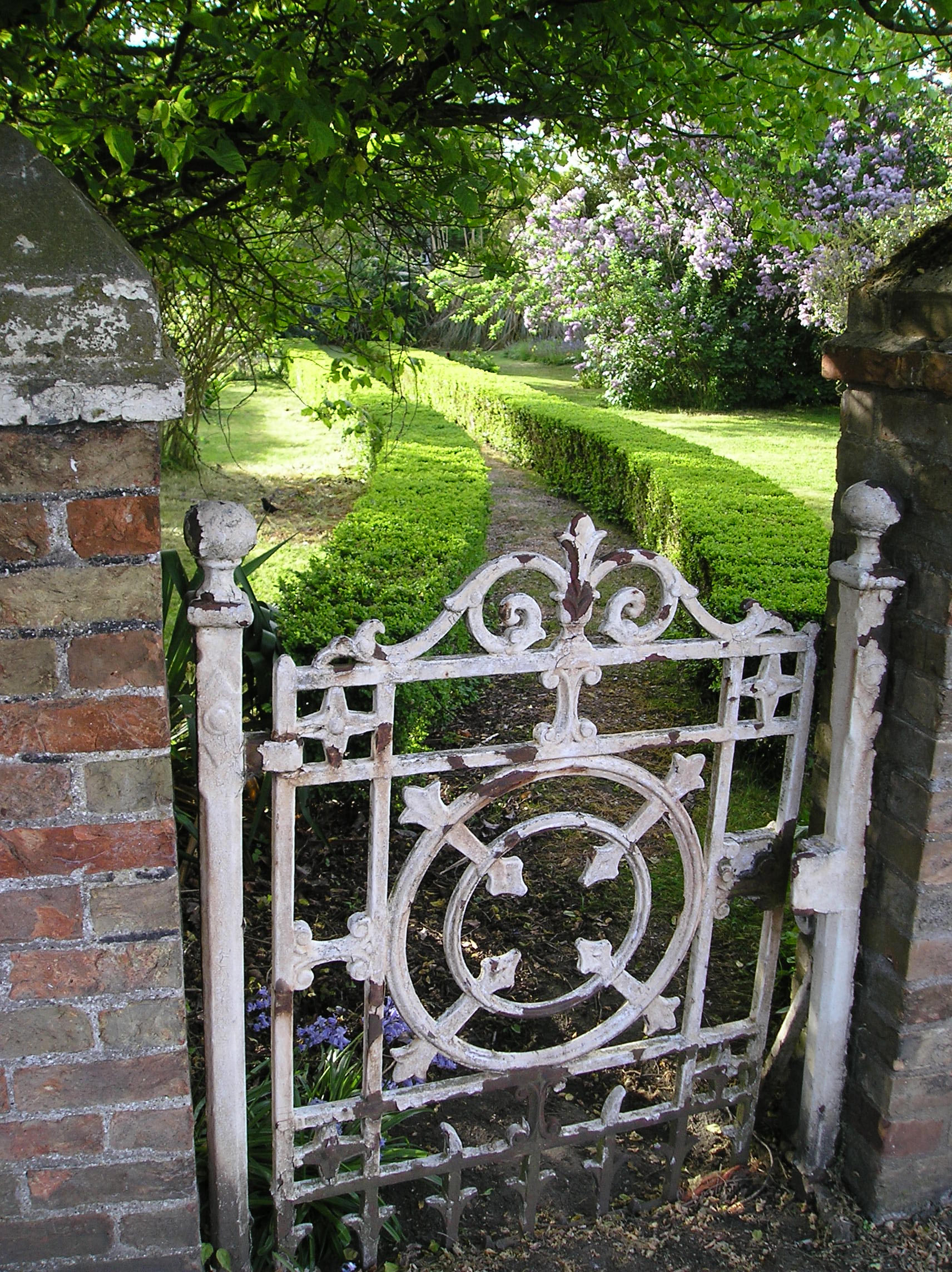
small part of the original settlement of Cottenham
on an area named the ‘pond’ of which there is currently no sign, are the markings of a very early ‘Roman’ settlement; now mostly built over with houses and buildings – the historic society has in fact been able to mark out the early boundaries of a formal settlement, long since disappeared into dust.
What the area looks like now:
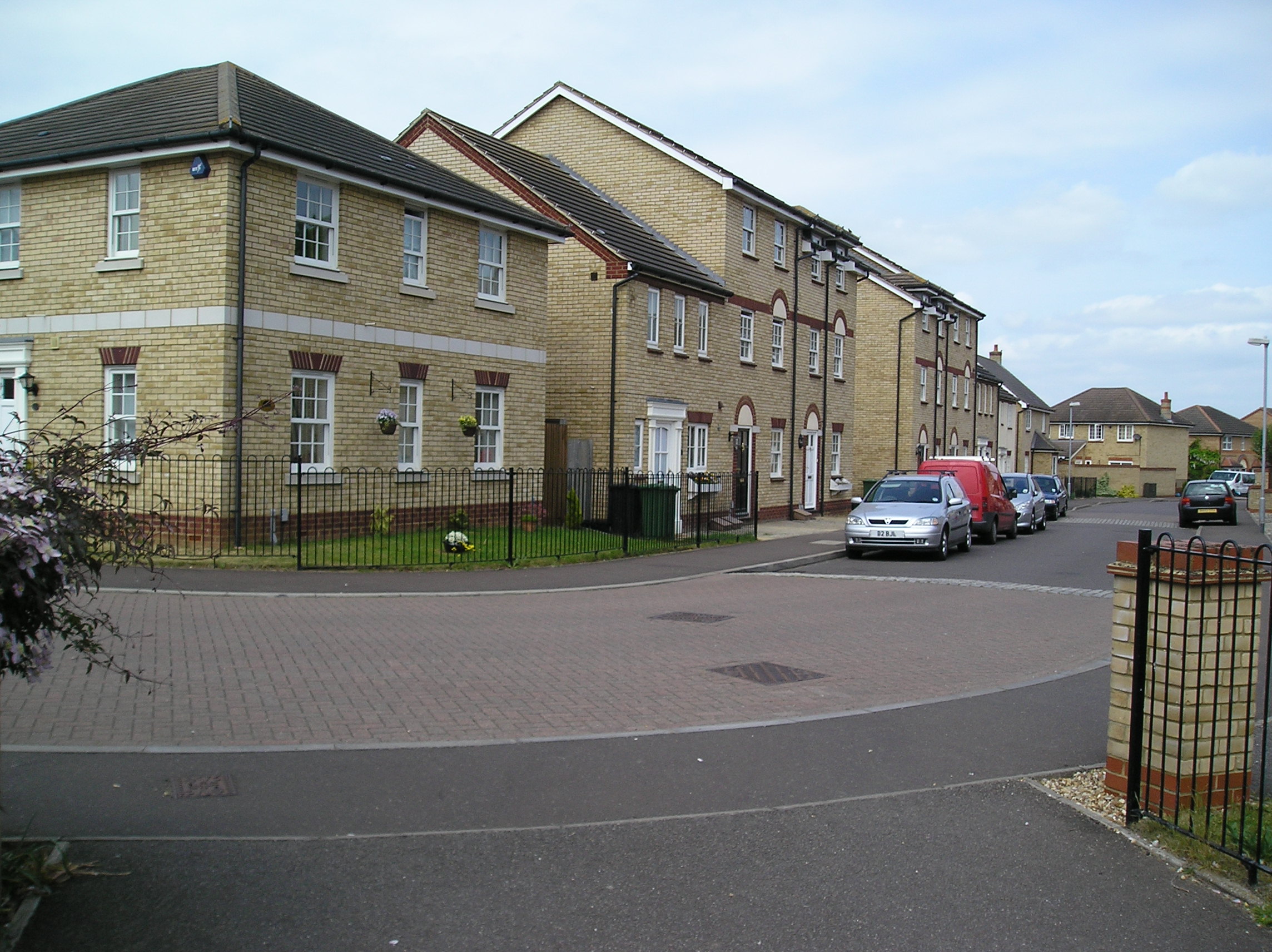
what was the original Saxon settlement site, now built over

part of the medieval Crowlands Manor, now built up
Origin of the name Cottanham, appears to be Saxon, arising from the early English ‘Cotan’ for dwelling and ‘Ham’ for settlement. Most of the older houses along the High Street were at one time farmhouses.
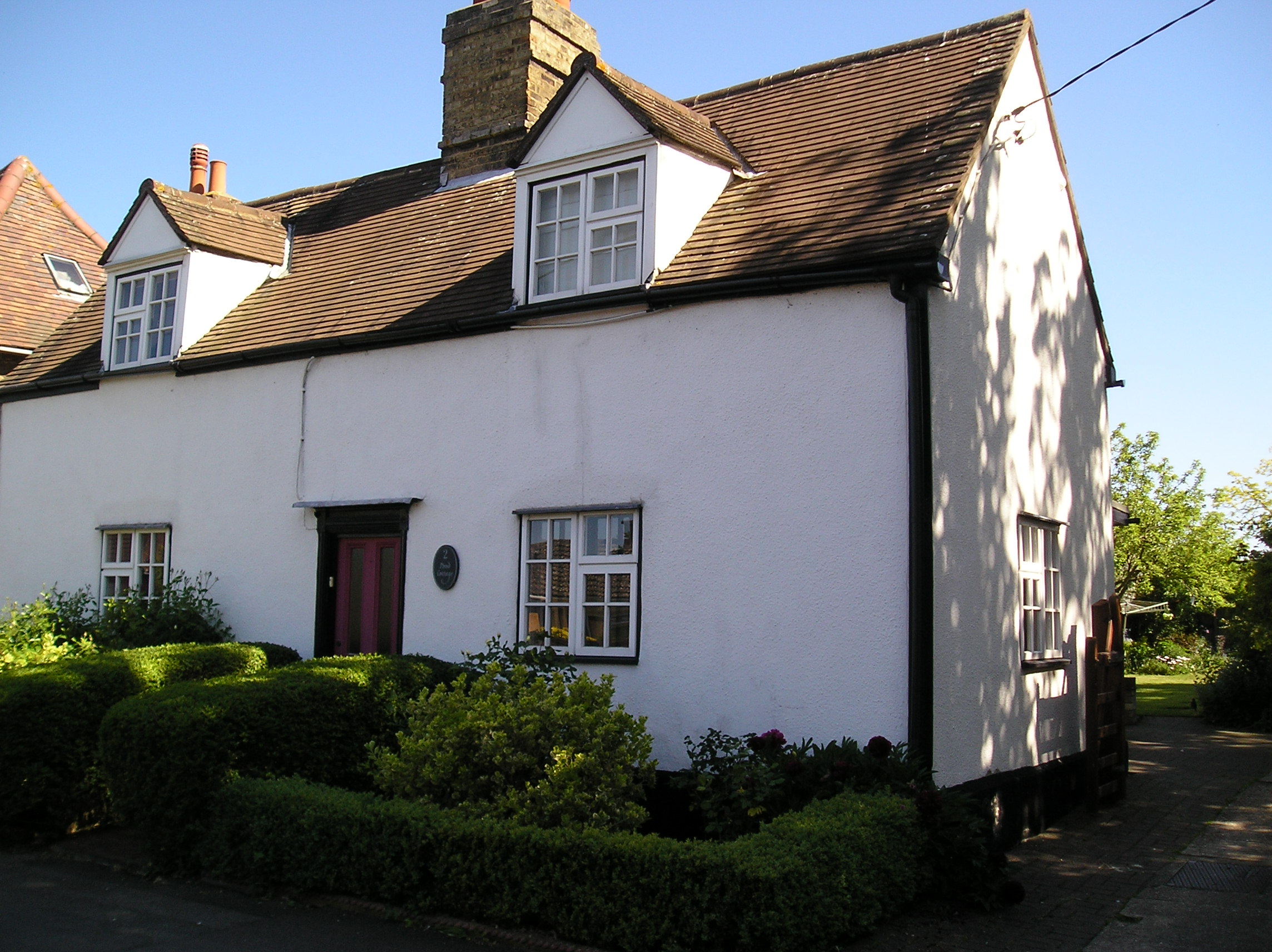
The High Street, so named, is the longest in the country, measuring 1 & ¼ miles from the Green to the Church. The ‘Green’, a triangle of grass at one end of the village, is edged with lovely plane trees, planted in 1885 by Robert Ivatt, and was once the grazing ground for cattle, now an oasis of repose for the villagers, of which there are currently just over 5,000.

the Green at Cottenham, where they used to graze cows
Amongst the present inhabitants, many of whom are descendants of people who have lived here for centuries, are records of the Pepys family in the village since 1273 and the present Earl of Cottenham is a descendent of Samuel Pepys (the diarist) and recorder of the 1666 Fire of London.
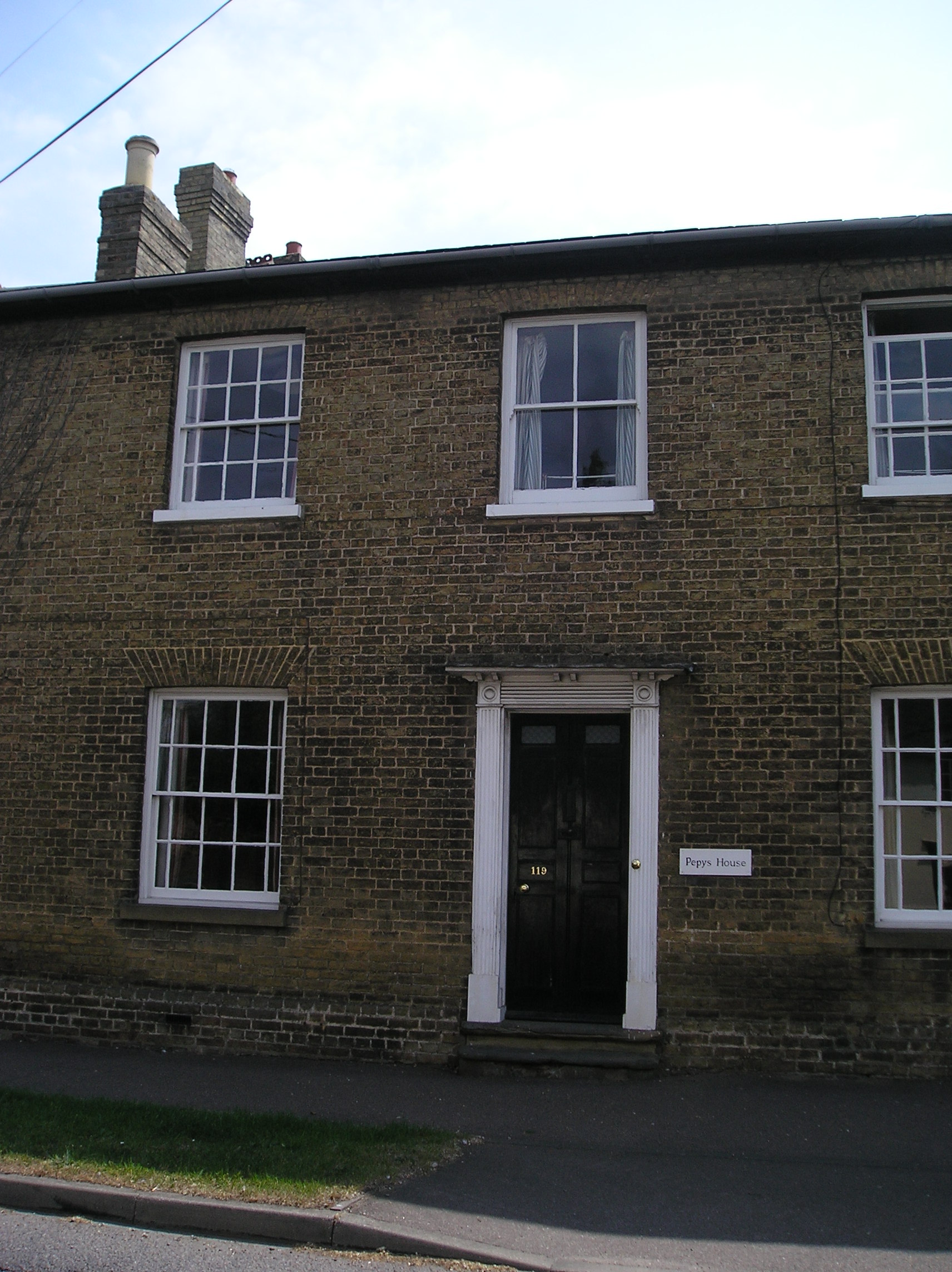
Pepys house (Samuel Pepys; diarist used to live here)
Two thirds of Cottenham itself, was destroyed by fire in 1676 (mmm, seems perhaps we should take a closer look at Mr Pepys then!) The lady I was caring for has herself lived in the same house since the day she was born 84 years ago, and inherited the house from her parents.

Across from the Green and on the fork of two roads is the War Memorial – unveiled in 1921 in honour of fifty nine local men killed in the 1st World War.

memorial to fallen villagers WW1
On closer exploration are many fine houses, some of which are centuries old:
Queenholme built 16th century
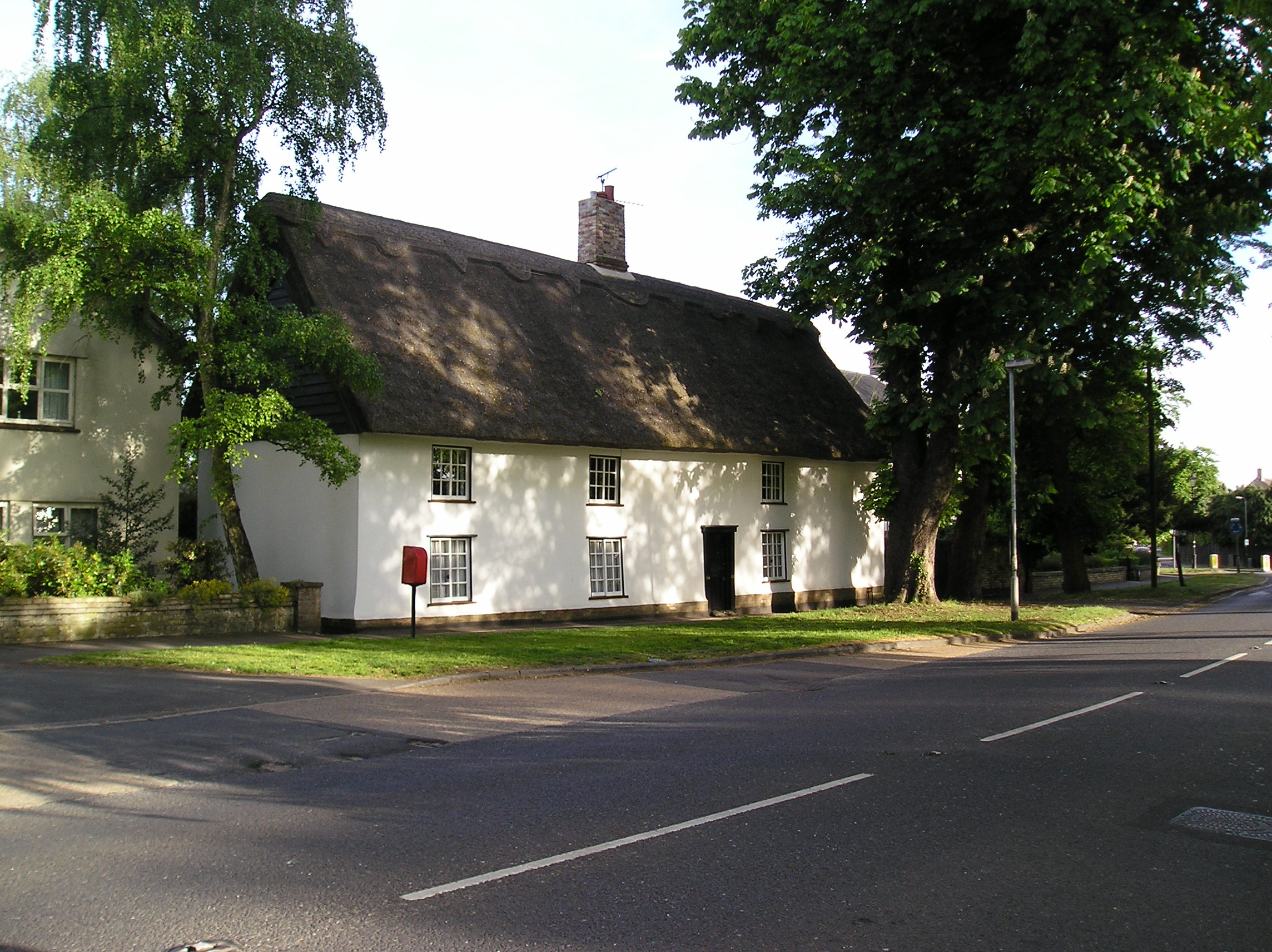
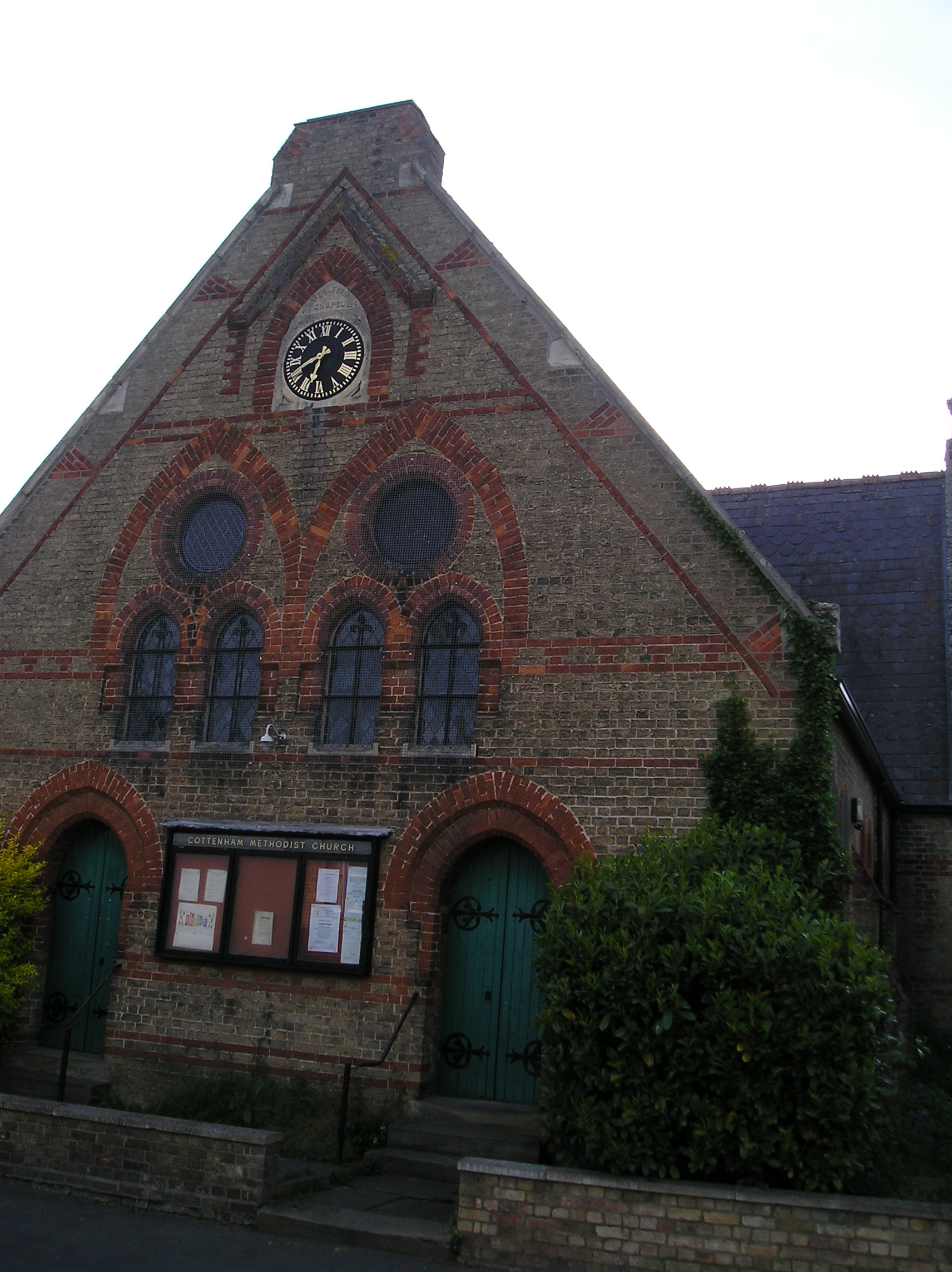
The Wesleyan Chapel built 1864
The Gothic House built in the 1730s, was a red brick house, bought by the Ivatt family in 1770 and greatly altered around 1860 when the decorative chimneys were built.

Gothic House

front facade of the Gothic House

wisteria draped over the side of the Gothic House

detail above the front door
White Cottage – home to ancestors of Calvin Coolidge – American President 1923-29

White House (aptly named as it turns out)
As I explored the area on Sunday, I was drawn by the sound of bells pealing out their call to prayer! The ‘Parish Church of All Saints’; has evidence of a church on this site from the mid-10th century.
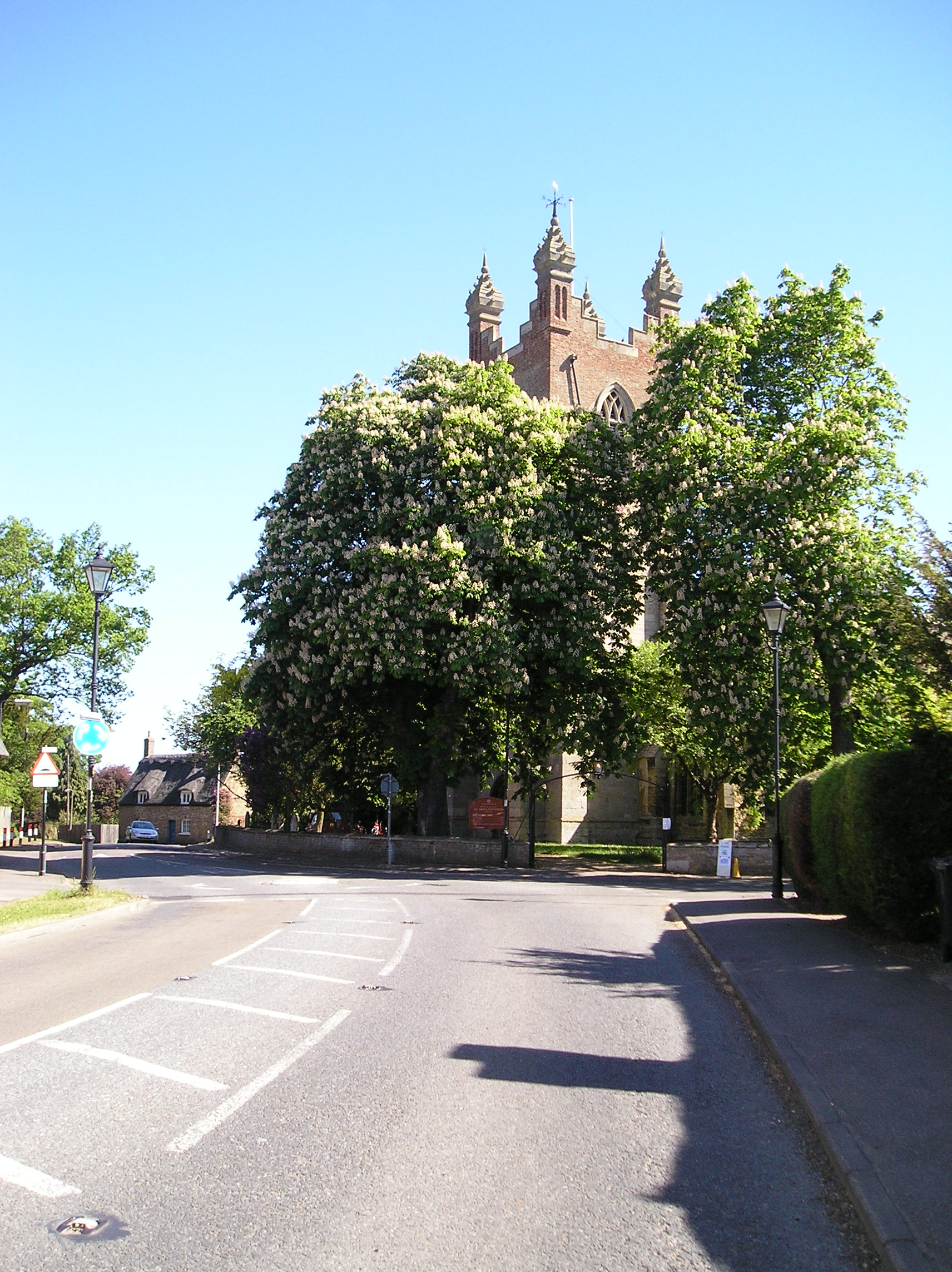
All Saints Church

The existing church was built in the 15th century, with a 100 ft tall church tower – and a sundial built into the side with the inscription – ‘time is short’.

'Time is short' inscription on the sundial
Across the road is the Old Rectory – dating back to the 16th century. In 1644 the Rectory was given to Oliver Cromwell’s sister; Robina. (I guess no-one would have argued with that).

At that point the road leaves the village proper and now becomes Twentypence Road – which derives it’s name from a parcel of thirty acres of land on the Cottenham side of the River Ouse, as described in Richard Atkins survey of the Fens in 1604.

Twentypence Road

At one time there were four pumps in the village, and with all but one subsequently removed, the remaining pump – erected in 1864, was moved to the Green in 1985 along with the horse-trough.
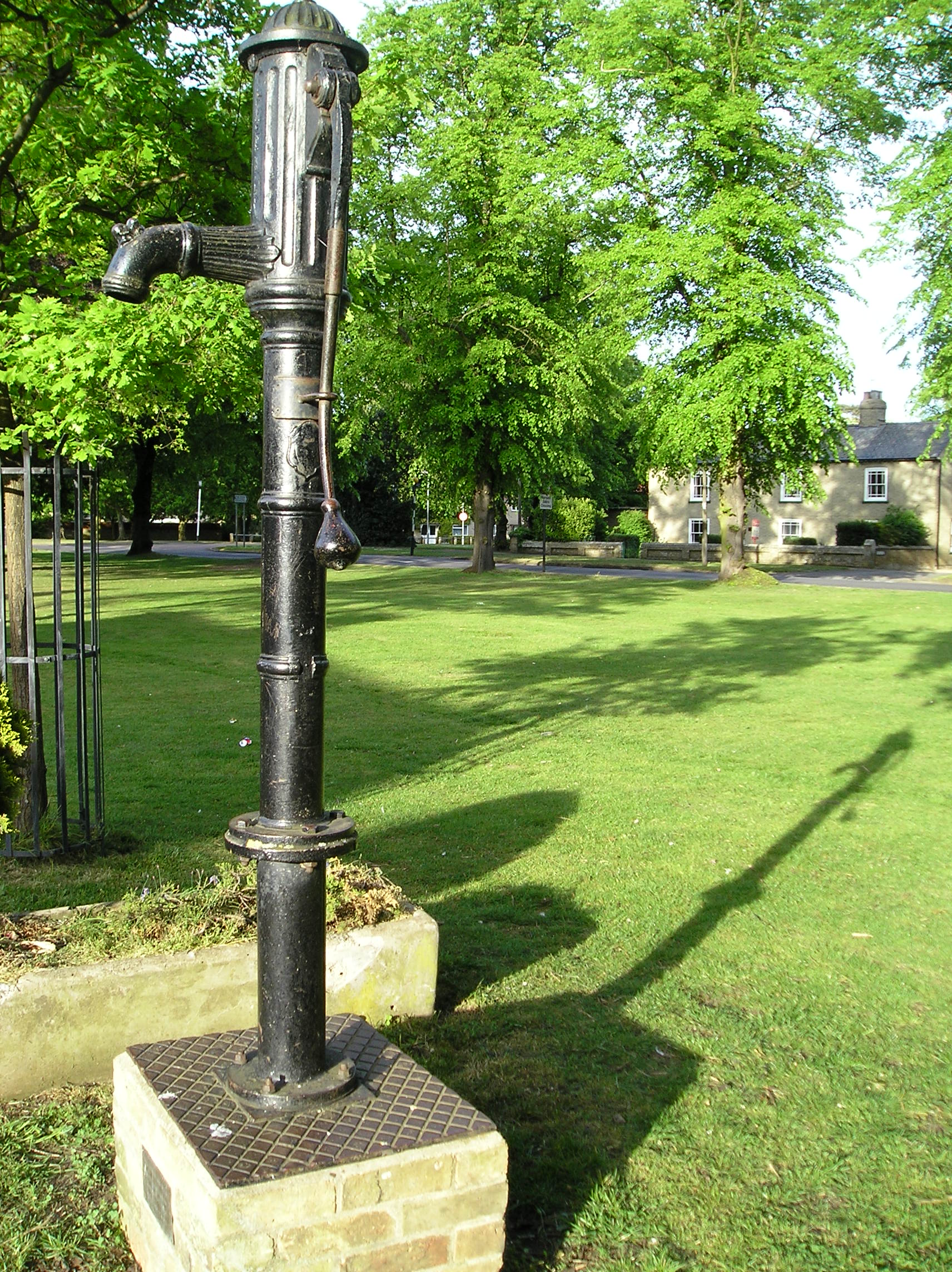
water pump and horse trough
Cottenham was a treasure trove of old houses, ancient history and houses with stories behind their walls.
Although the main road through the village was quite busy during the day the villagers seemed to prefer a lighter form of transport

the villagers preferred mode of transport!
On the sidewalk was a sight common in these villages; a sign board with description of goods for sale. In this instance ‘Pink Peony plants’, unattended, left on a stand or in a box or wheelbarrow, and as is common the instructions for payment are: “please put money through the letterbox”.

'Pink peony plants' - leave money in the letterbox
One day I discovered a book that detailed the history of the village and had a fine old time digging a bit deeper.
85 High Street; house of Fred Stone – watch and clockmaker and music teacher

house of Fred Stone - watch and clock maker
next door was the old Jolly Millers public house – burnt down in 1898 (now rebuilt)

Jolly Millers pub
Pond Villa’s built in 1902, and the last houses in the village to be built from Cotteham brick
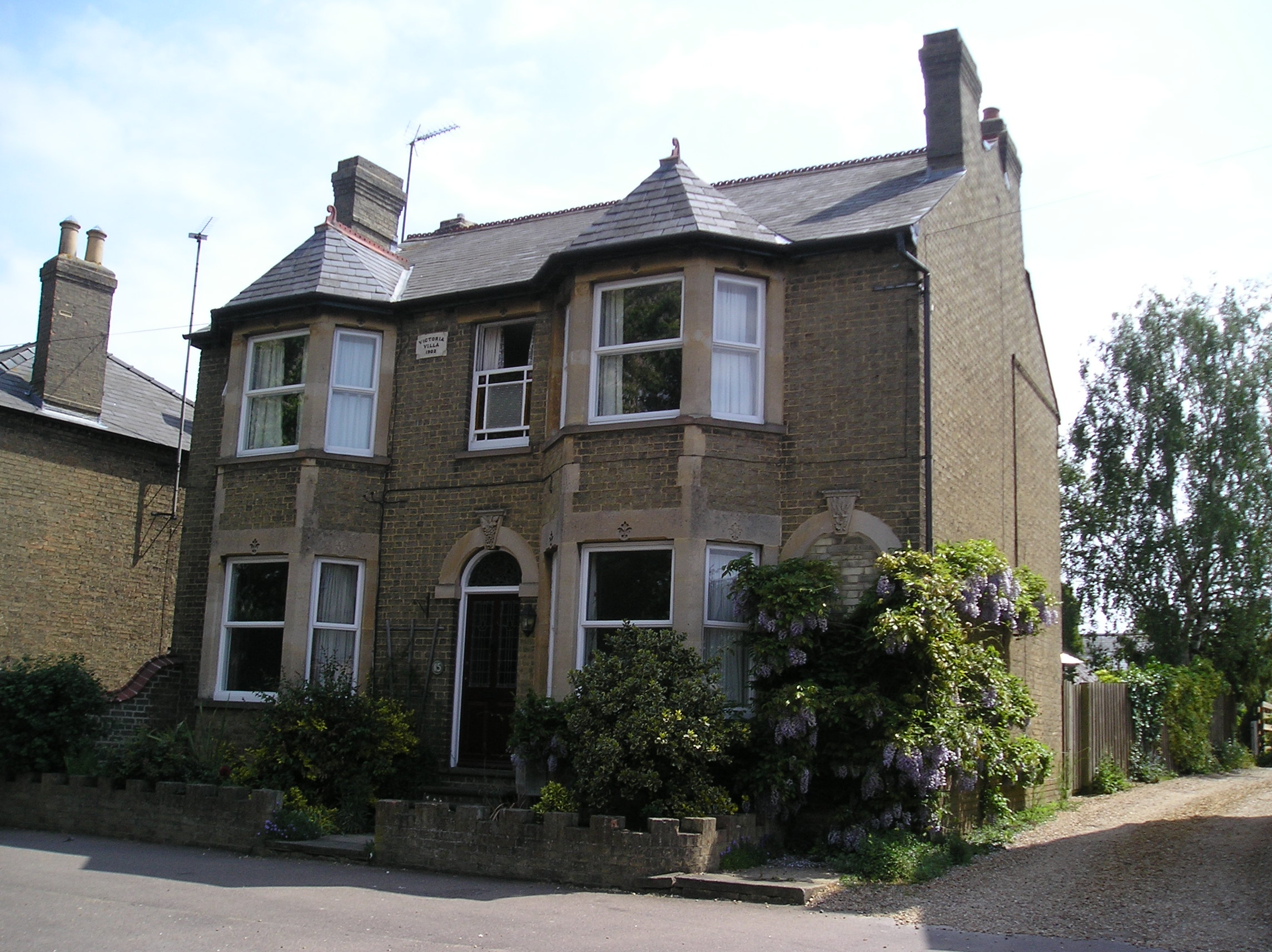
Pond Villas
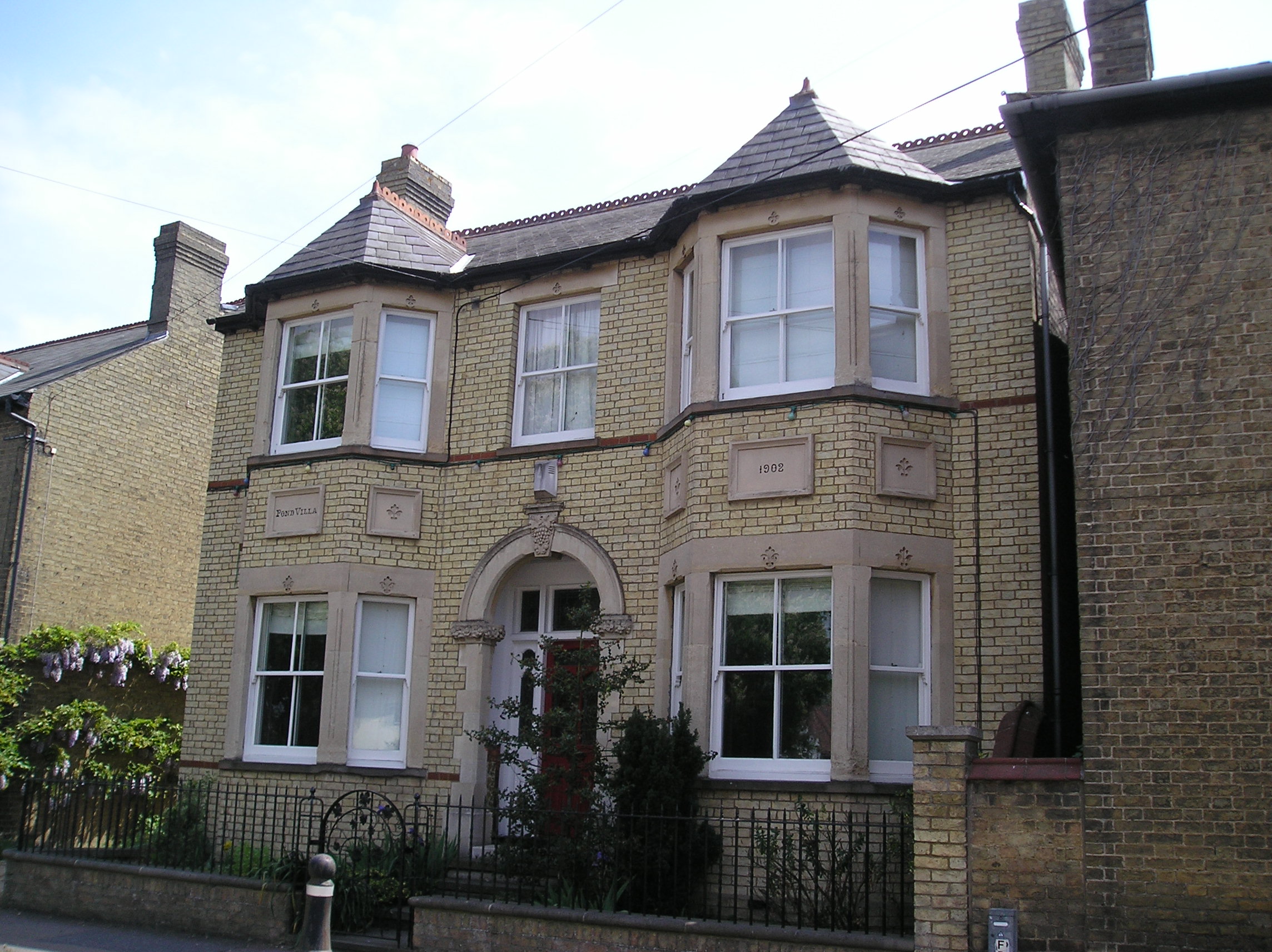
Pond Villas
120 High Street – Pond Farm; A group of fifty dissenting families, which called itself ‘The Church Congregation Society of the Protestant Dissenters of the Denomination of Independence’, worshipped in the barn behind this 17th century Farmhouse. Pond Farm was also the site for meetings of the Ranters, or Primitive Methodists.
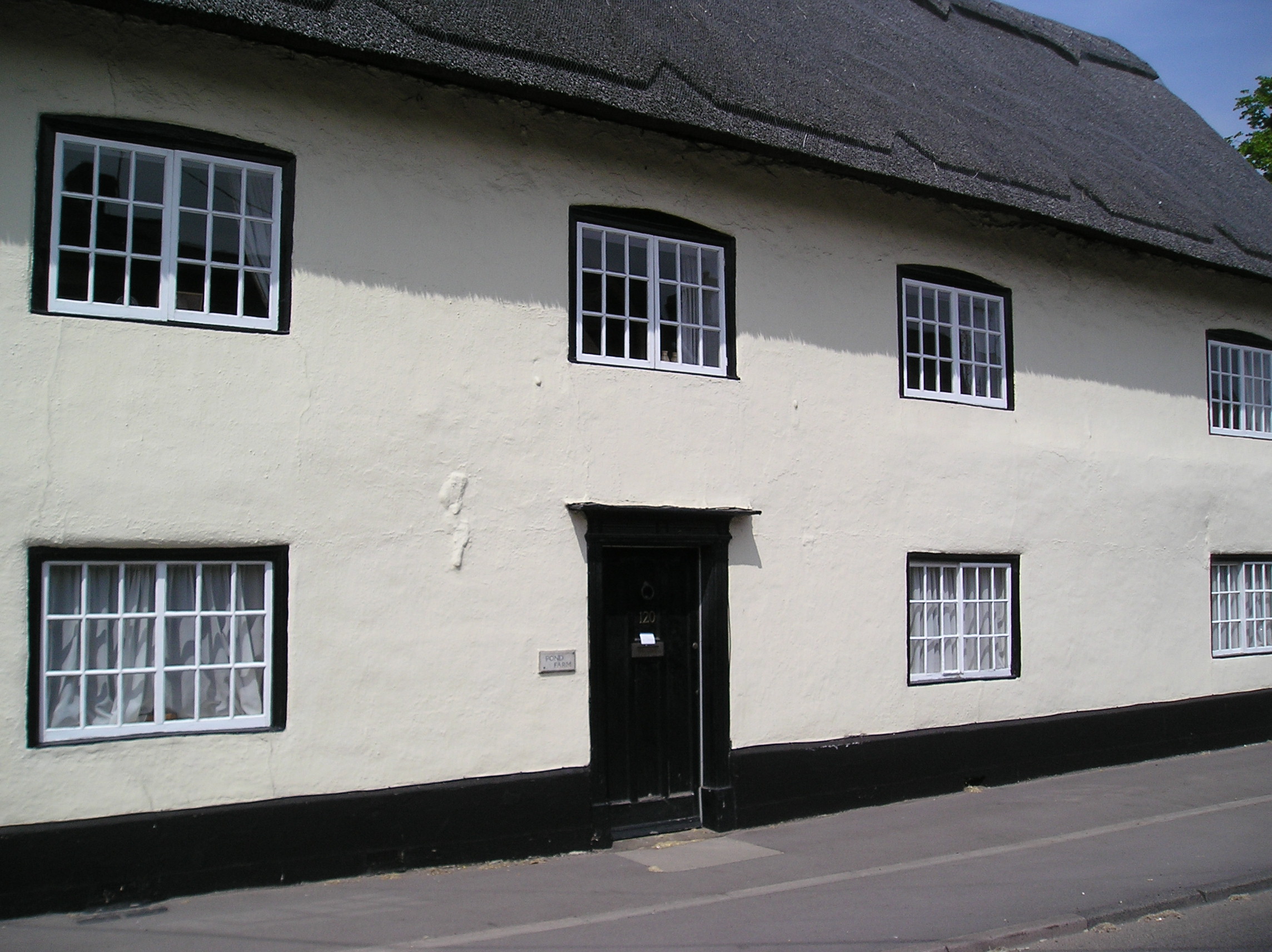
Pond Farm
The village was a delight in it’s various architechtural styles.
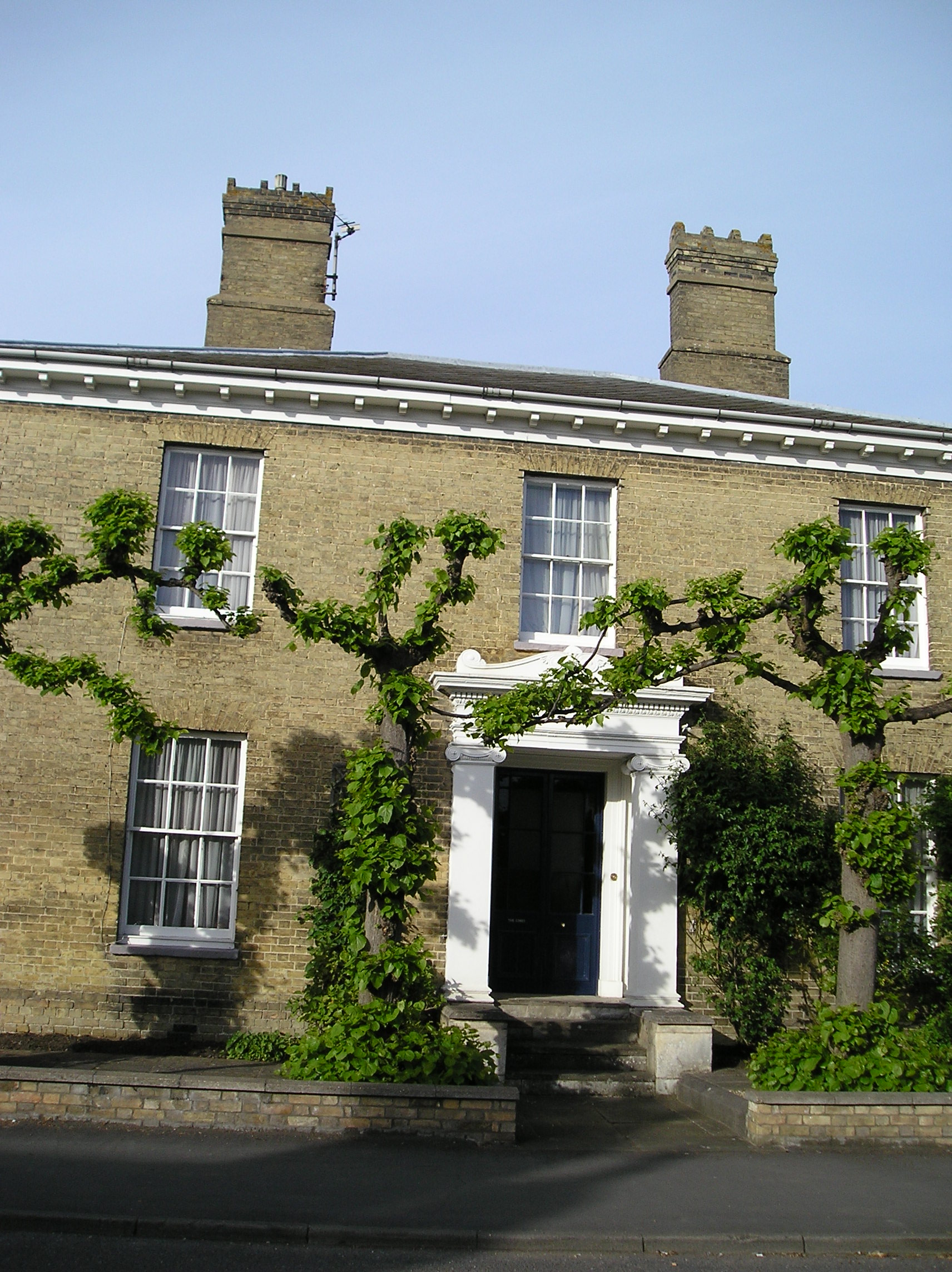
Ivy House

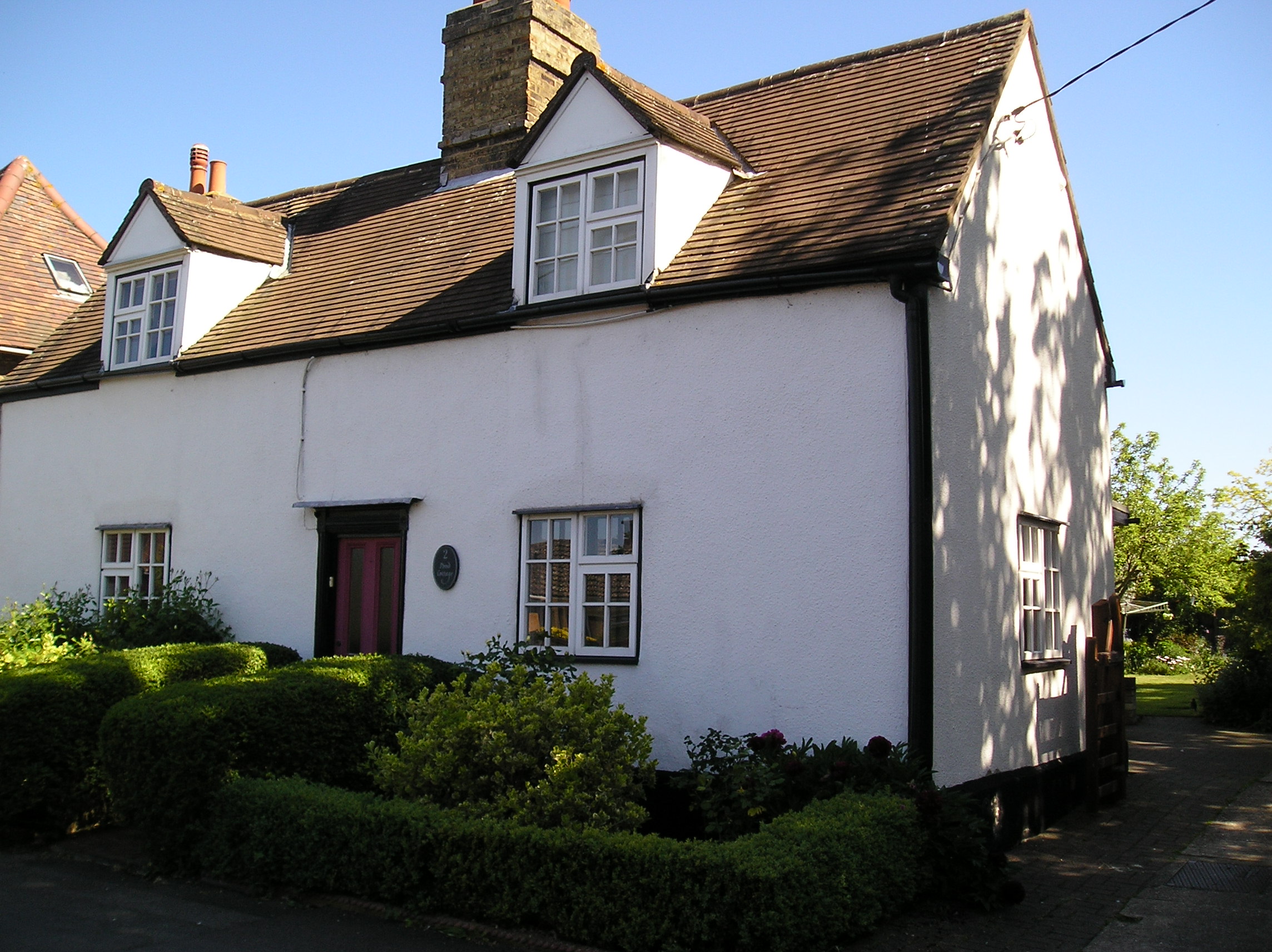

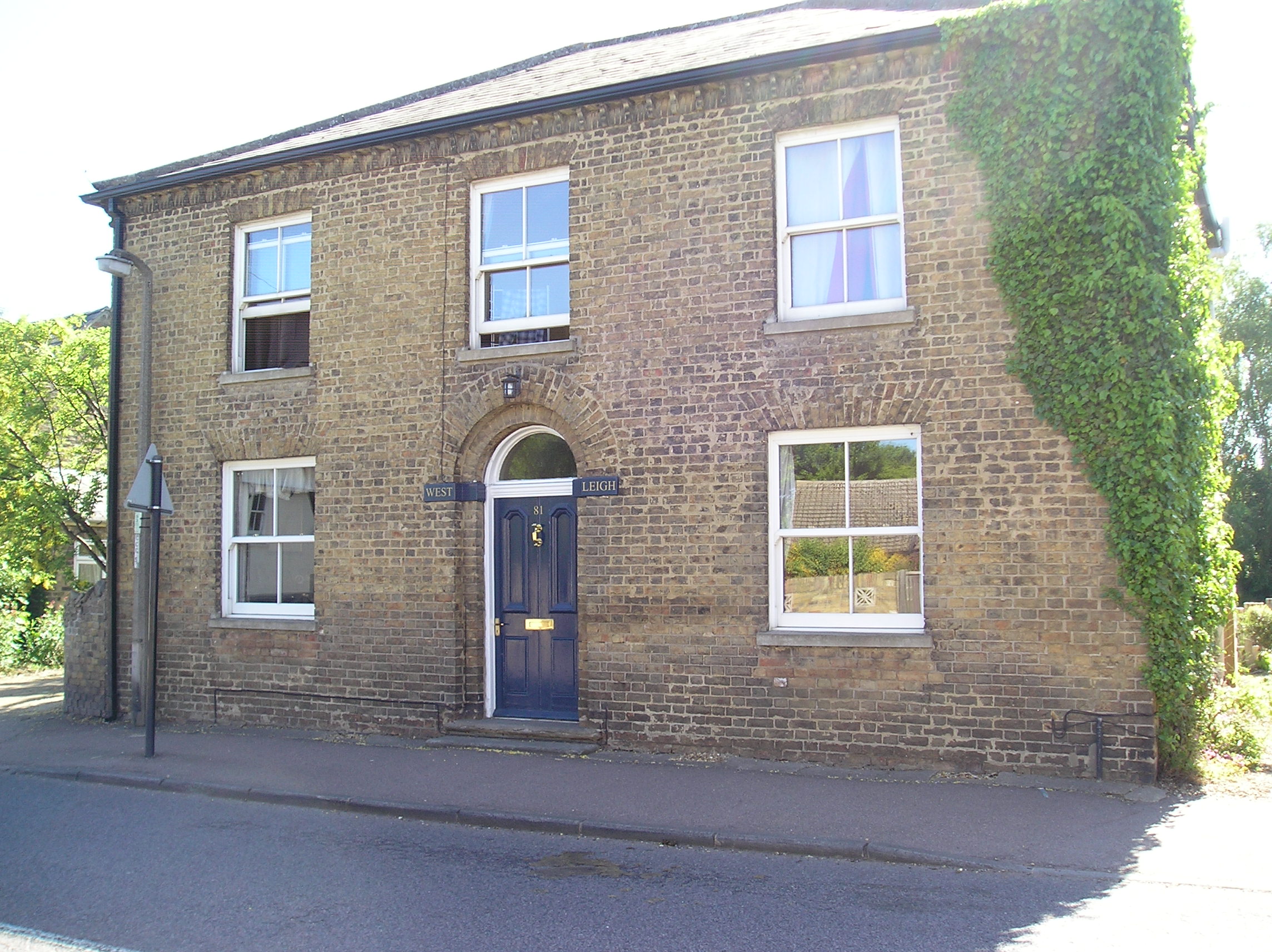


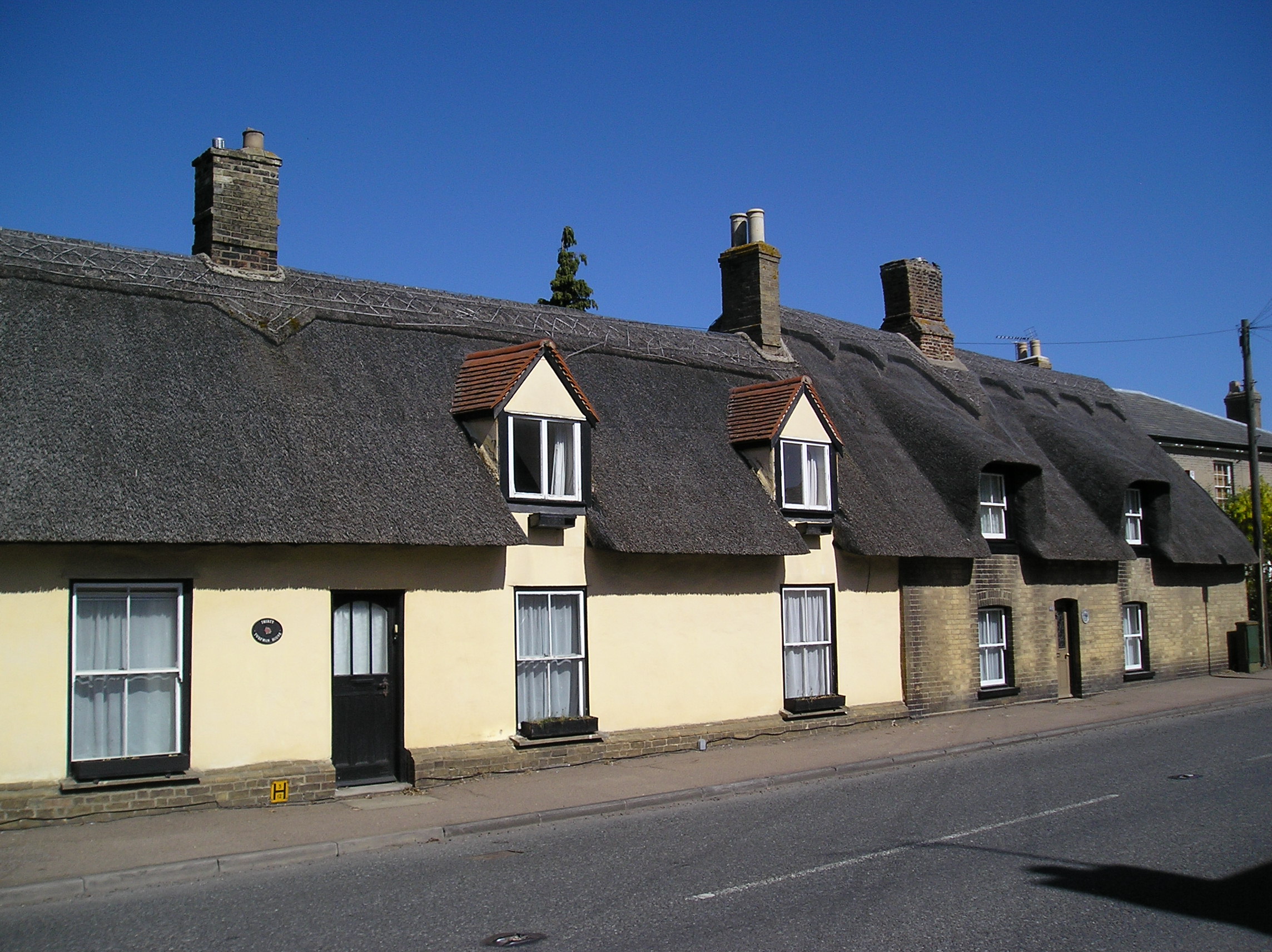
Before leaving I took a stroll over to the old Saxon area to see the moat

Cotttenham moat

Cottenham moat - a scheduled ancient monument
The area has been listed by English Heritage as a scheduled ancient monument. The moat contains a small breeding population of great crested newt, which is strictly protected under European legislation.
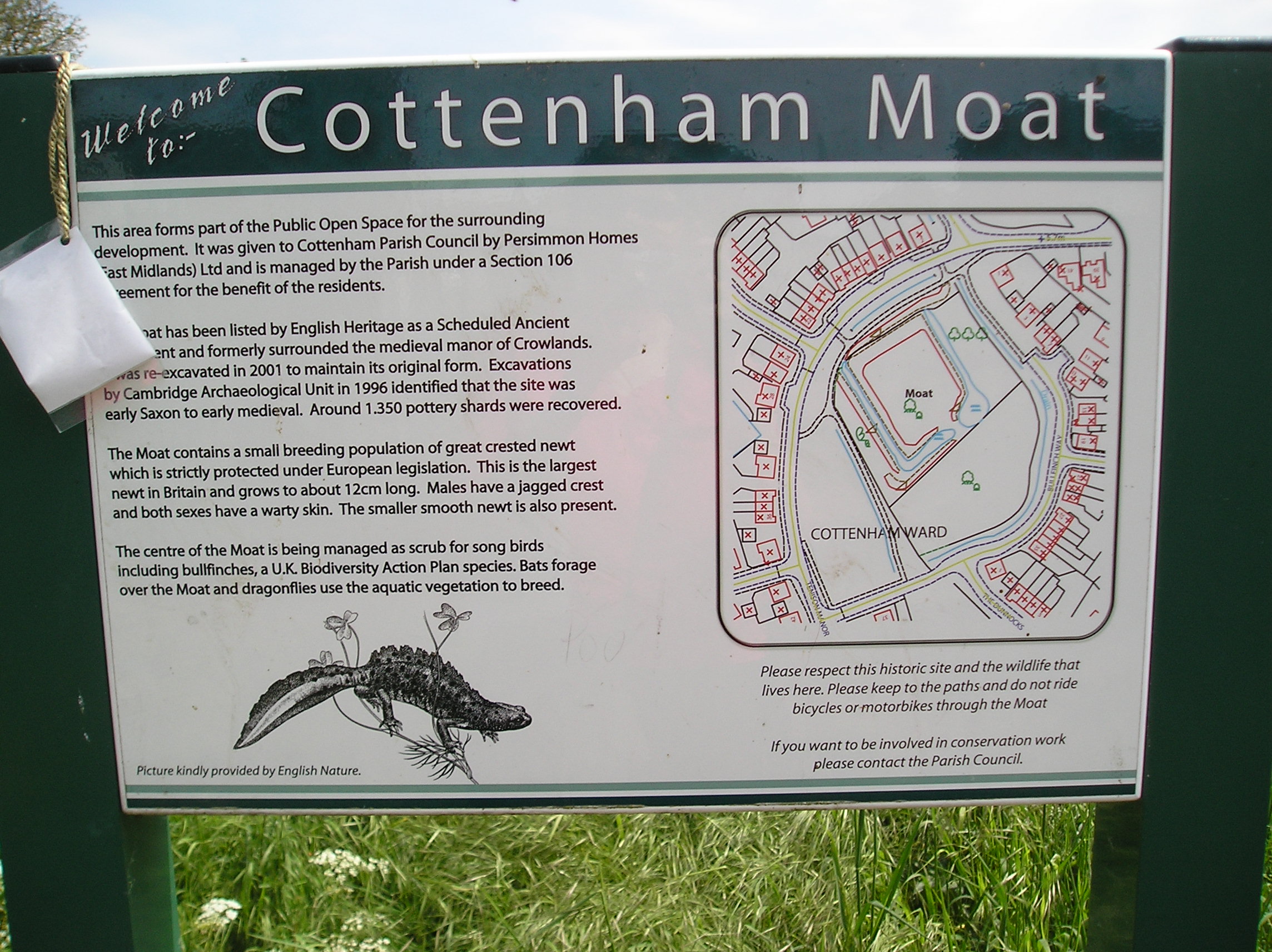
And that was my excursion to Cottenham, a quaint English village in Cambridgeshire, not too far from Cambridge and a treasure trove of ancient and new.
a message from my Dad ….#travel
Posted in family and relationships, Holidays, Inspiration, news from around the world, Personal Development, Travel, tagged cycling in europe, cycling on the Danube, cycling on the Donauradweg, Donauradweg, fathers, Grien Austria, http://www.letstravelradio.com/thisweek/2008/12-25/, Inspiration, Linz Austria, travel in europe, travel to Griend Austria, travel to Linz Austria on May 28, 2010| 6 Comments »
This is a message I received from my Dad via email this morning.
I would love to share it with you, coz it is inspiring to read about how people can live their dreams, even at the tender age of 80!!! Yes, that’s right, my Dad turned 80 this last April. Now nothing remarkable in that considering that we as a race are starting to live longer and longer, but what is remarkable is that my Dad had a triple by-pass operation about 17 years ago and the prognosis at the time was not good. However, his Doctor told him to start running. The idea did not appeal so he decided to cycle instead.
A long story short, he survived…. and has gone on to become a cycling nut. He has cycled in many different in the world and has cycled the world famous Argus Cycle route about 13 times already. He has followed the Tour-de-France, and cheekily in 2005 nipped in at the front on the final day and caused an uproar as people thought he was one of the competitors (he got hustled off pretty damn quick by the Gendarmes once they realised he wasn’t) 🙂 (30.05.10 and….apparently I have to make a correction here…my brother gave me the correct version…my Dad rode in BEHIND the cyclists and the Gendarmes just waved) Ah well, I though my version was much more exciting!! 🙂 Shame about that, I have dined out on that story for ages, now it will have to go!
He has cycled the Camino del Santiago through France to Spain and is now back, cycling through Europe. Here is where he is today.
“Hi ! Just a brief note to keep in touch. All well.
Cycling up river along the Danube. This from a town Grien in Lower Austria.
Grien, Austria
So far mostly cloudy and rain. Not fun in a tent with a heavy downpour in the middle of the night ! Seems to be clearing today.
Spent a couple of days with K&T camping in a small town on the Danube.
They have had to head home for ‘work’, I’m cycling up-river to Linz (if you know where that is !! ) which will be a 58 km trip today. Stay over there one or two nights and then head back down river to Budapest.
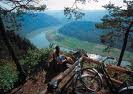
Donauradweg (cycle route along the Danube)
Beautiful countryside. ‘Donauradweg’ i.e. Danube ride path is fab for cycling. Along the river and mostly away from road traffic. Just thru some small villages that the cycle path comes to an end.”

Linz, Austria on the Danube river
My Dad (p.s. that’s not his cycling helmet), I have no idea what he is wearing on his head and take no responsibility for that! 🙂

my Dad
thanks to http://www.letstravelradio.com/thisweek/2008/12-25/ for the photo of Linz 🙂
thanks to http://www.tripadvisor.com/Attraction_Review-g190426-d1604170-Reviews-Schloegener_Schlinge-Upper_Austria.html for the photo of the Donauradweg 🙂
thanks to http://commons.wikimedia.org/wiki/File:Grein,_austria.jpg for the photo of Griend
What to do on a rainy day in #london
Posted in Historical, things to in London, Travel, tagged British Museum, history of the world in 100 objects, http://www.britishmuseum.org, http://www.britishmuseum.org/visiting.aspx, London, rainy day, rosetta stone, things to do in london, time out in london, UK on May 2, 2010| Leave a Comment »
Explore the British Museum: Great Russell Street, London, WC1B 3DG
The British Museum was founded in 1753, the first national public museum in the world. From the beginning it granted free admission to all ‘studious and curious persons’. Visitor numbers have grown from around 5,000 a year in the eighteenth century to nearly 6 million today.
The Museum is free to all visitors and is open daily 10.00–17.30

the British Museum forecourt (on a sunny day) 🙂
The origins of the British Museum lie in the will of the physician, naturalist and collector, Sir Hans Sloane (1660–1753).
Over his lifetime, Sloane collected more than 71,000 objects which he wanted to be preserved intact after his death. So he bequeathed the whole collection to King George II for the nation in return for a payment of £20,000 to his heirs.
Kingdom if Ife – Sculptures from West Africa – till 6th June 2010
Fra Angelico to Leonarda – Italian Renaissance drawings – till July 25th 2010
Impressions of Africa – money, medals and stamps – till 6th February 2011 – free
Treasures from Medieval York – England’s other capital – till 27 June 2010 – free
The British Museum’s collection of seven million objects representing the rich history of human cultures mirrors the city of London’s global variety. In no other museum can the visitor see so clearly the history of what it is to be human.
Amongst the exhibitions you can see:
The Rosetta Stone – A valuable key to the decipherment of hieroglyphs, the inscription on the Rosetta Stone is a decree passed by a council of priests. It is one of a series that affirm the royal cult of the 13-year-old Ptolemy V on the first anniversary of his coronation. Soldiers in Napoleon’s army discovered the Rosetta Stone in 1799 while digging the foundations of an addition to a fort near the town of el-Rashid (Rosetta). On Napoleon’s defeat, the stone became the property of the British under the terms of the Treaty of Alexandria (1801) along with other antiquities that the French had found. The Rosetta Stone has been exhibited in the British Museum since 1802.
as well as cultural displays of:
The Akkadian Dynasty; Assyrians & Aztecs; Babylonian & Bronze Age; Celts, Vikings & Tudor England; Edo period Japan, Meiji era Japan; old and new Kingdoms of Egypt; Zhou Dynasty China; Medieval Europe, Victorian Britain and Greek, Roma and Nasca cultures, amongst dozens more.
Explore world cultures: Africa, Asia, Europe, Middle East, Oceana, The Americas.
Be sure to visit the History of the World in 100 objects exhibition
You could quite literally spend the whole day there and not be bored. It is just fabulous and a must see for very visitor to London!
Getting there: nearest tubes stations with a short walk: Tottenham Court Road (Central & Northern Lines), Holborn (Piccadilly & Central Line) & Russell Square (Piccadilly Line) is the closest and takes you through a lovely garden square.
If you fancy a bite to eat after enjoying the displays, there is an onsite restaurant and on the way to Russell Square station is Hotel Russell where you can enjoy an traditional English Tea in very spendid and posh surroundings, reminiscent of old Colonial England.
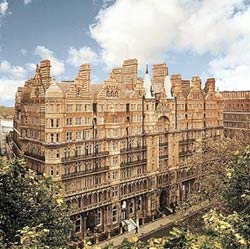
Hotel Russell - London near Russel Square
Thanks to The British Museum for links, info and photos and Hotel Russel Square for photo.
How to NOT go sledding :)
Posted in Fun Stuff, Holidays, idiot category, It's my life, Travel, tagged having fun in the snow, news of the snow in london, sledding in london, snow in the uk on April 27, 2010| 3 Comments »
Ok, so I know the snow was a pain for a lot of people….but boy oh boy did we (my daughter and I) have fun. Here is an example of how to NOT go sledding!!!
In case you are wondering….that is my ‘delightful’ daughter laughing in the background!!
No Instagram images were found.
Follow me on Twitter
My TweetsArchives
Categories
My photos
-
Join 565 other subscribers
- Follow Not Just a Granny on WordPress.com
Blog Stats
- 158,556 hits
Blogs I Follow


 Not Just a Granny


You must be logged in to post a comment.