On my ‘wish list’ was the desire to travel; and so I have, to villages and towns around the UK. Not quite what I had in mind when I sent the message to the ‘Universe’, but there you go. 🙂
The latest on my travels is what at first glance appears to be a rather non-descript little village named ‘Cottenham’.
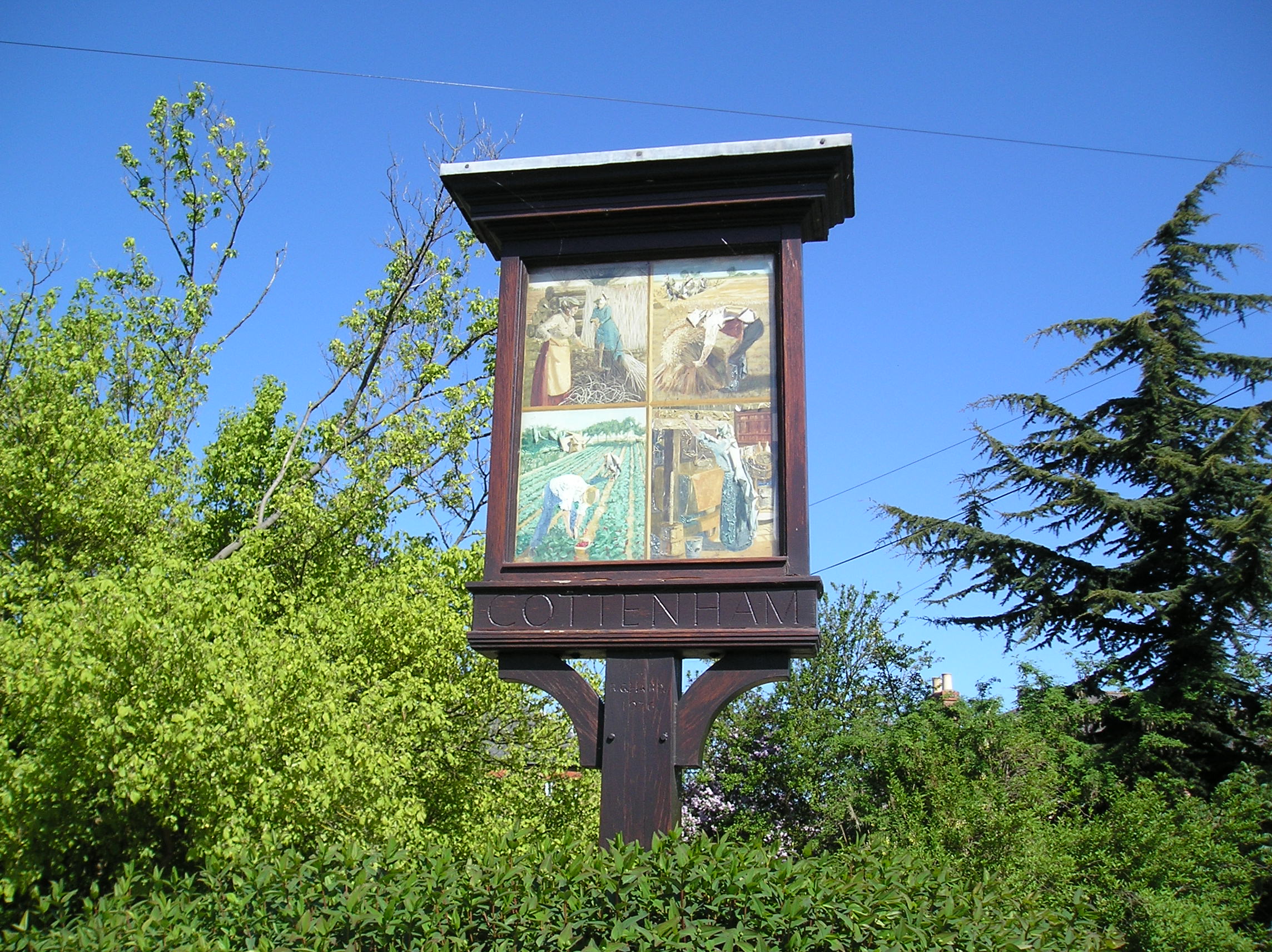
Cottenham, Cambridgeshire
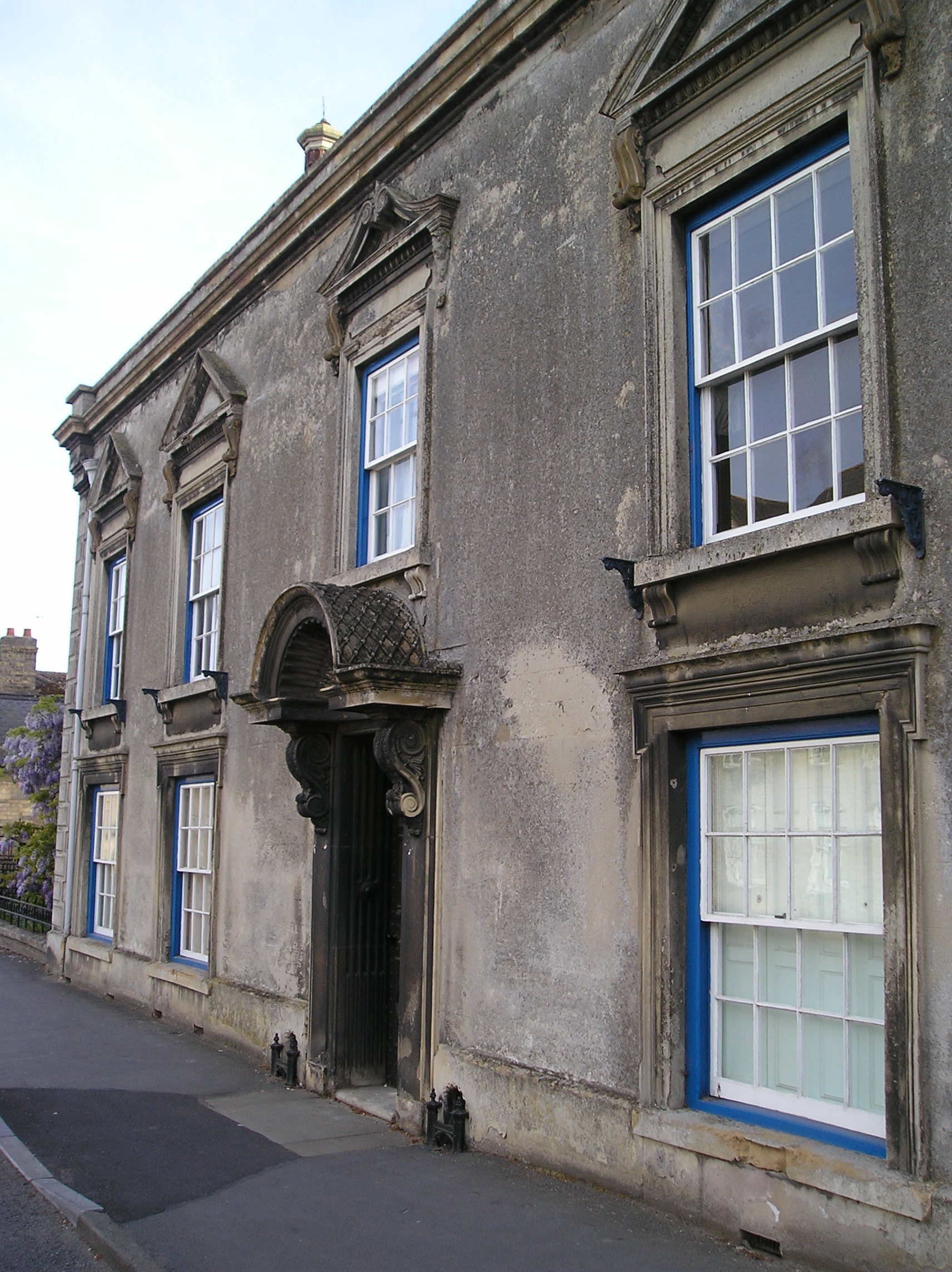
On arriving in Cottenham you could be forgiven for thinking that it looked rather dull, albeit lined with some pretty little houses and some fine examples of Georgian and Gothic architecture, there was nothing much else to excite the senses. It reminded me a bit of that song by John Denver; Saturday Night in Toledo. Some of the lyrics go: “they roll back the sidewalks at night”.
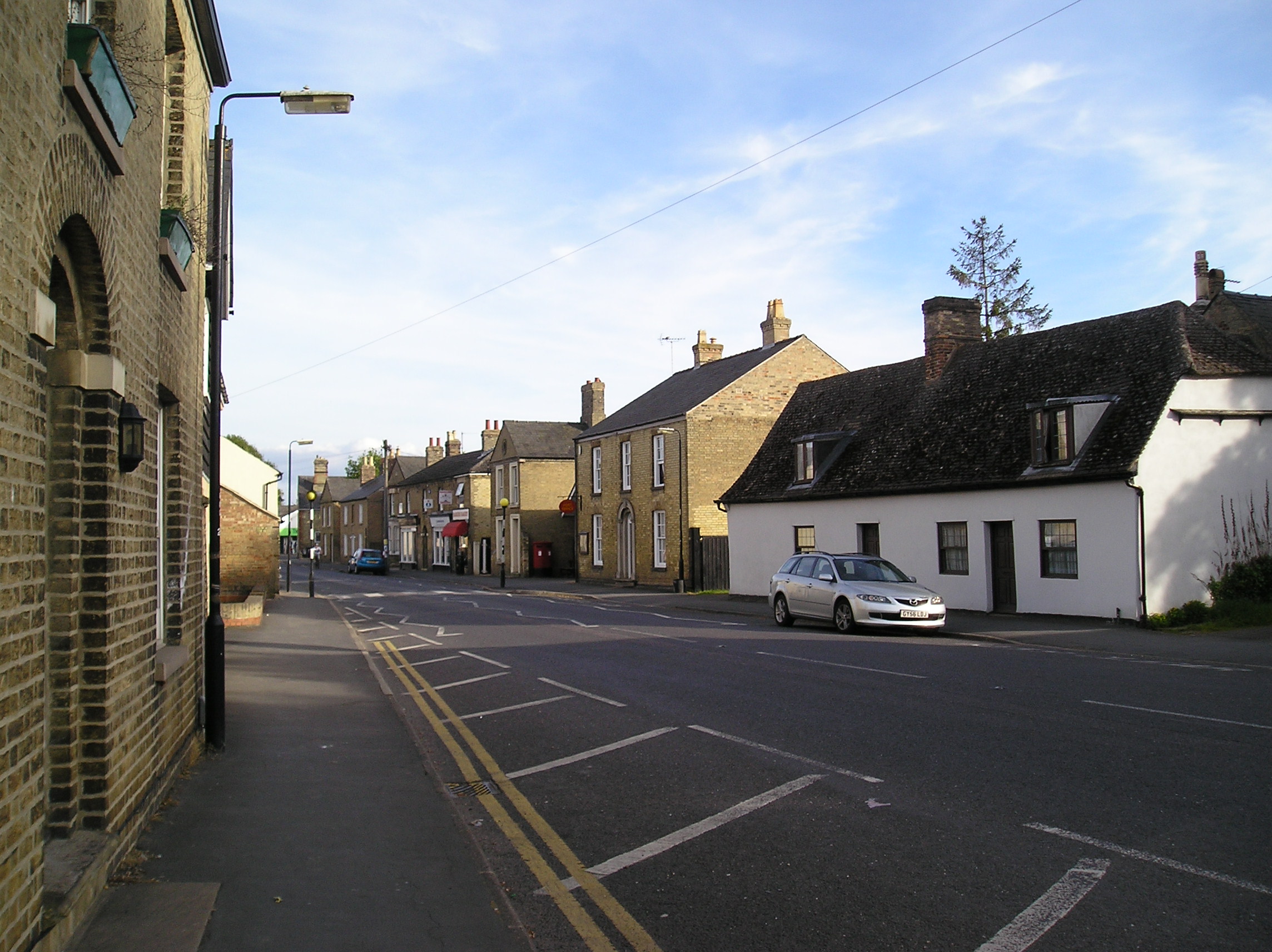
...they roll back the sidewalks at night
Ah! But wait, we have yet to discover what lies beneath!
Cottenham it seems has in fact existed since prehistoric times, and scattered discoveries of Mesolthic and Neolithic tools have been made. Now we are talking!
On a bend in the ‘High Street’, kind of halfway between here and there,
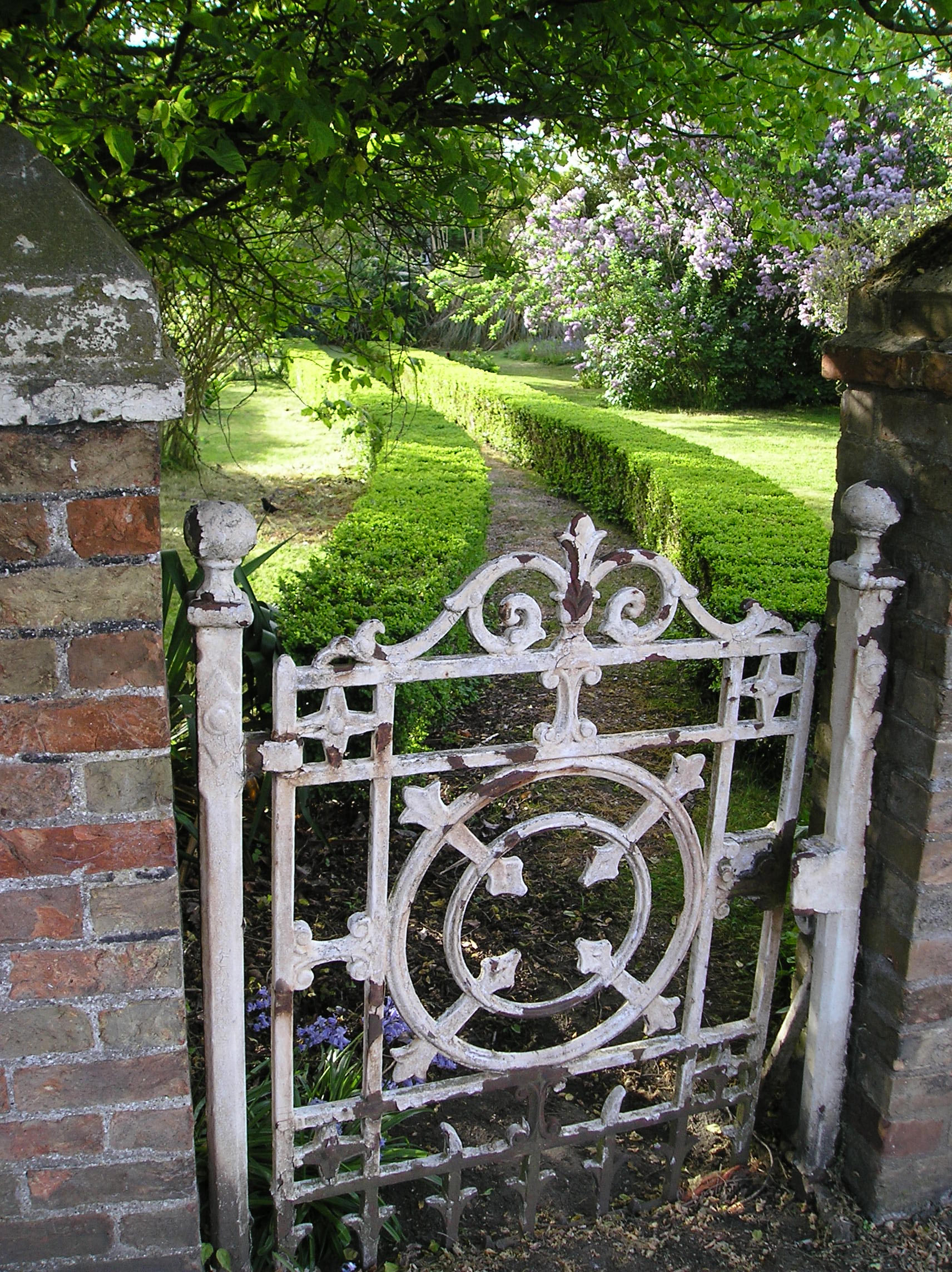
small part of the original settlement of Cottenham
on an area named the ‘pond’ of which there is currently no sign, are the markings of a very early ‘Roman’ settlement; now mostly built over with houses and buildings – the historic society has in fact been able to mark out the early boundaries of a formal settlement, long since disappeared into dust.
What the area looks like now:
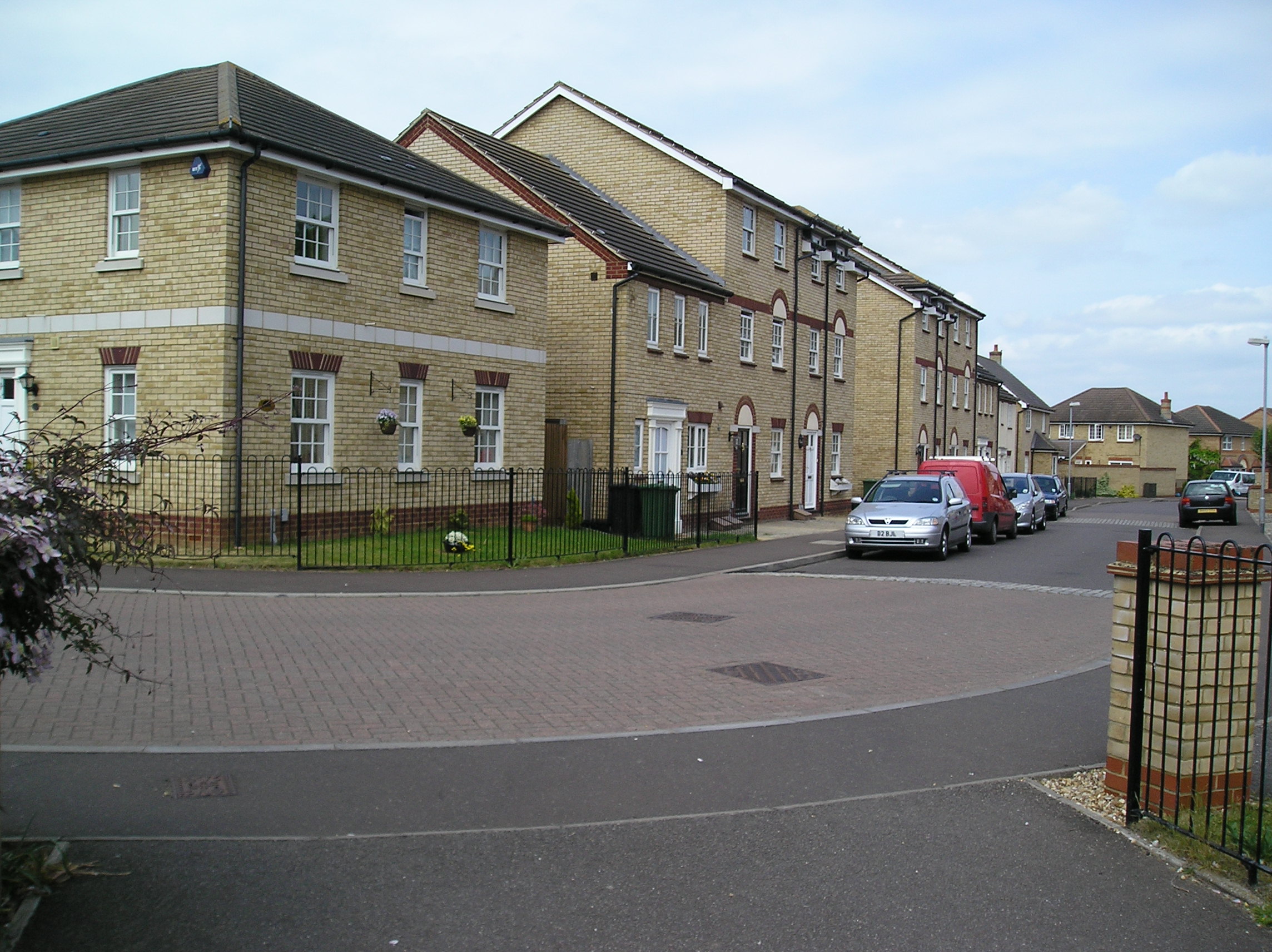
what was the original Saxon settlement site, now built over

part of the medieval Crowlands Manor, now built up
Origin of the name Cottanham, appears to be Saxon, arising from the early English ‘Cotan’ for dwelling and ‘Ham’ for settlement. Most of the older houses along the High Street were at one time farmhouses.
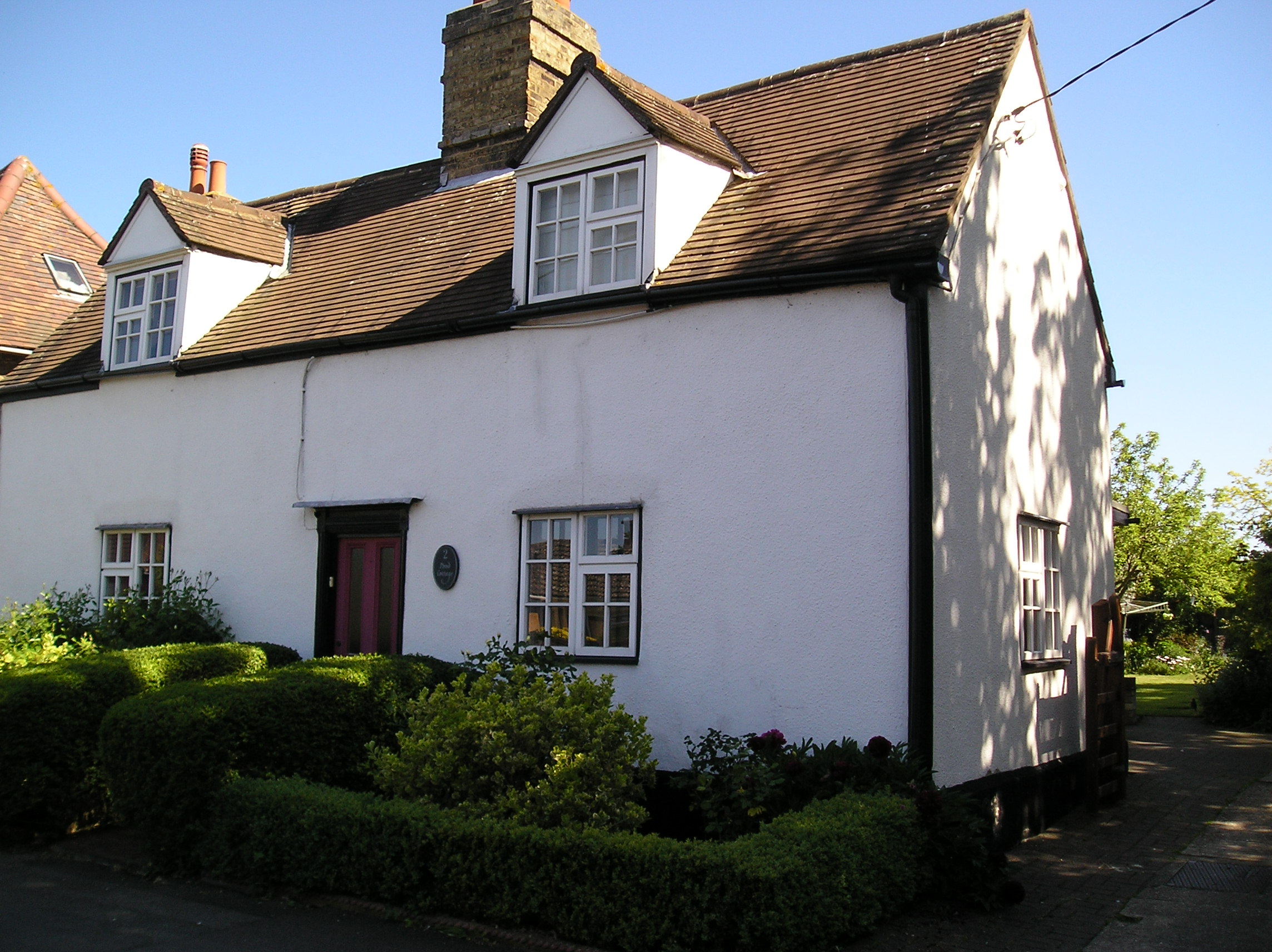
The High Street, so named, is the longest in the country, measuring 1 & ¼ miles from the Green to the Church. The ‘Green’, a triangle of grass at one end of the village, is edged with lovely plane trees, planted in 1885 by Robert Ivatt, and was once the grazing ground for cattle, now an oasis of repose for the villagers, of which there are currently just over 5,000.

the Green at Cottenham, where they used to graze cows
Amongst the present inhabitants, many of whom are descendants of people who have lived here for centuries, are records of the Pepys family in the village since 1273 and the present Earl of Cottenham is a descendent of Samuel Pepys (the diarist) and recorder of the 1666 Fire of London.
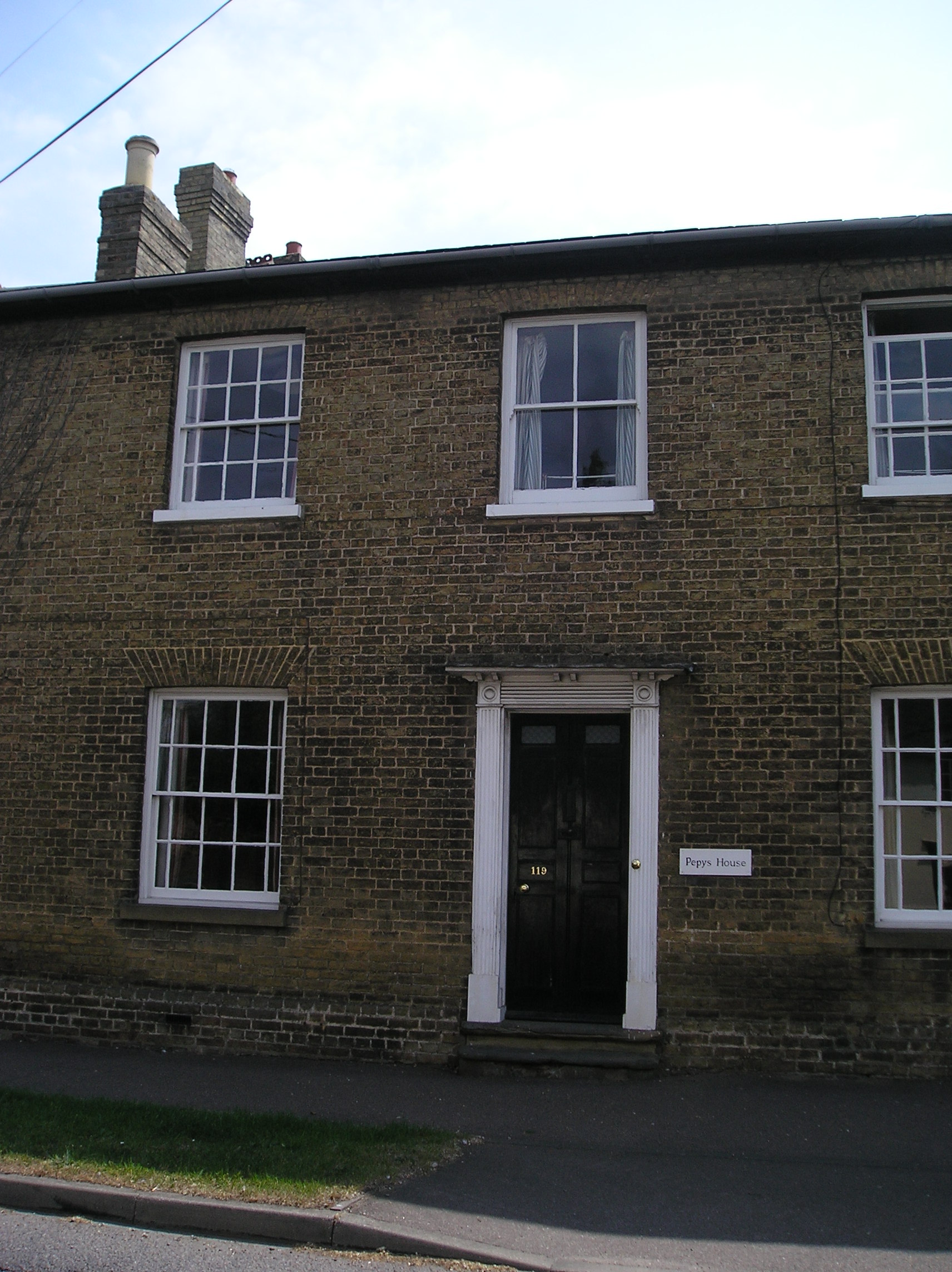
Pepys house (Samuel Pepys; diarist used to live here)
Two thirds of Cottenham itself, was destroyed by fire in 1676 (mmm, seems perhaps we should take a closer look at Mr Pepys then!) The lady I was caring for has herself lived in the same house since the day she was born 84 years ago, and inherited the house from her parents.

Across from the Green and on the fork of two roads is the War Memorial – unveiled in 1921 in honour of fifty nine local men killed in the 1st World War.

memorial to fallen villagers WW1
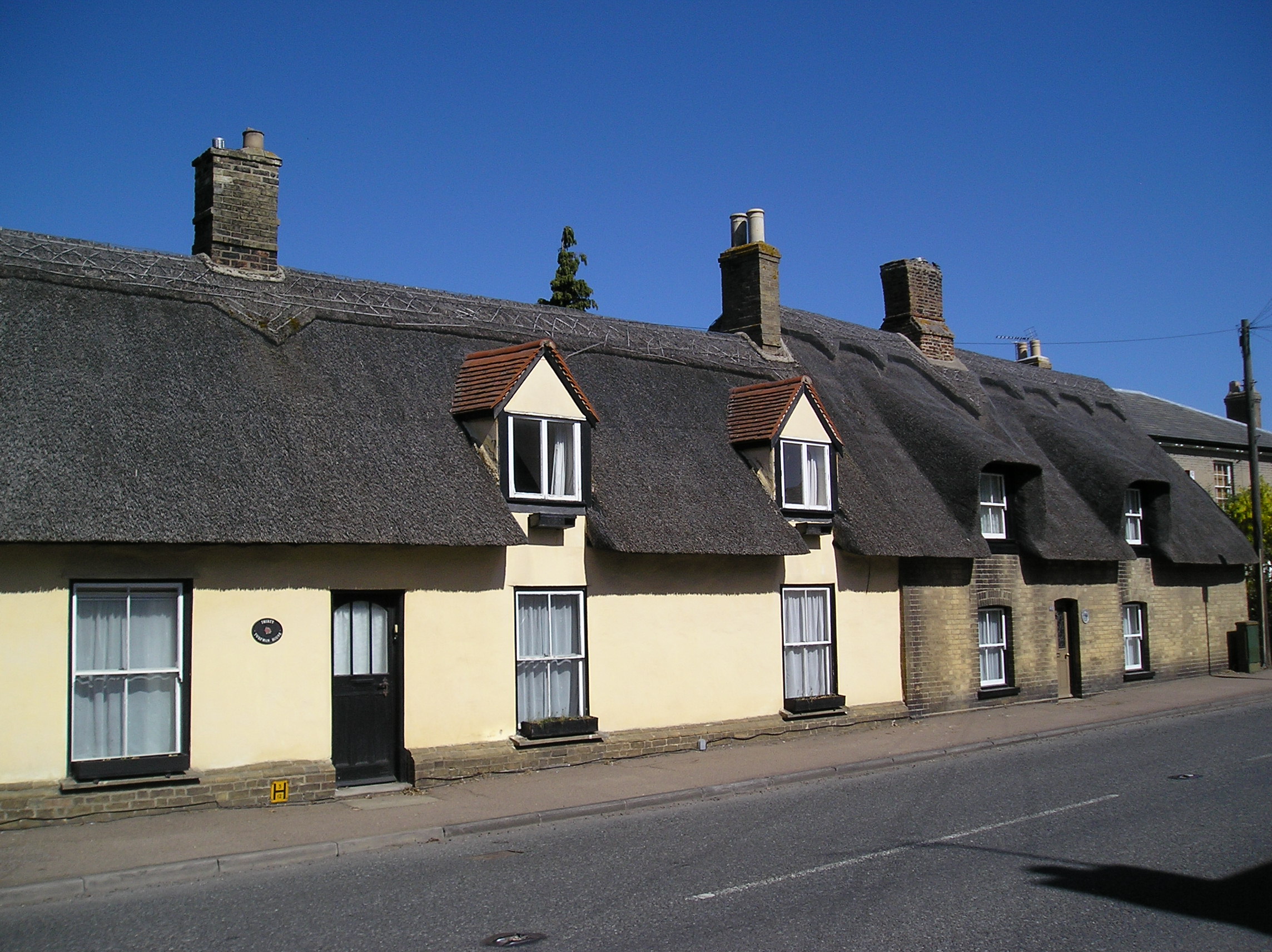
On closer exploration are many fine houses, some of which are centuries old:
Queenholme built 16th century
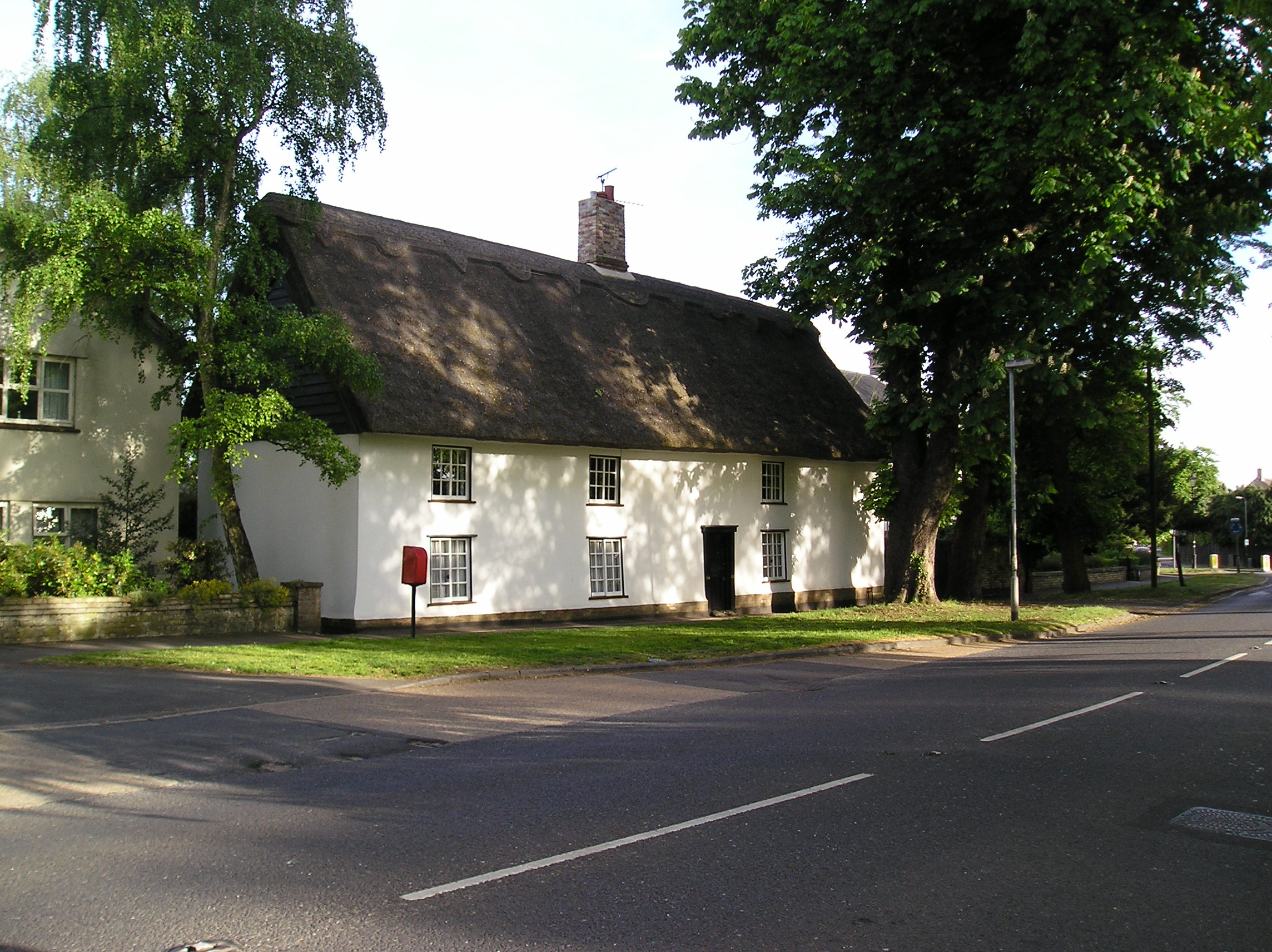
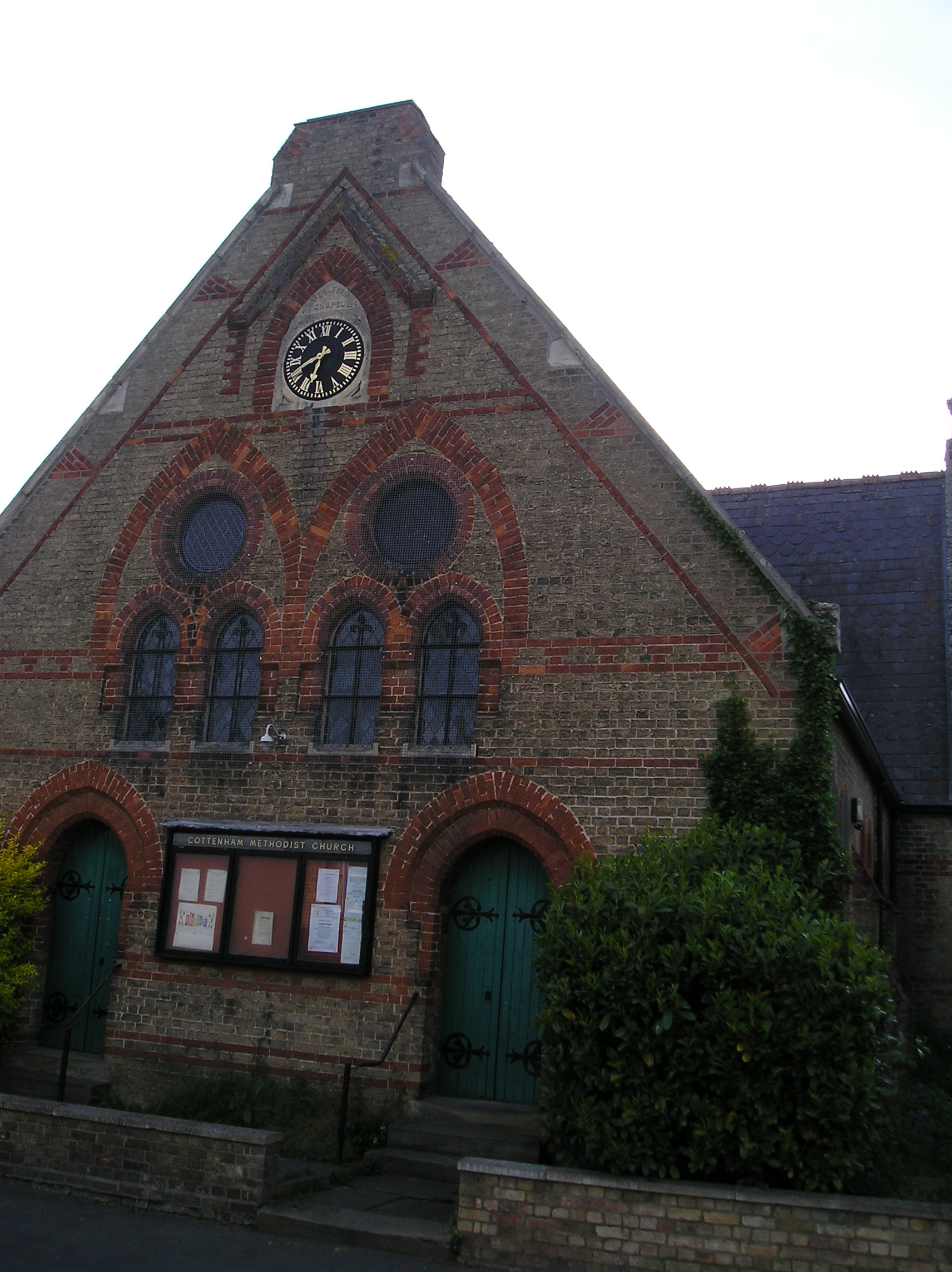
The Wesleyan Chapel built 1864
The Gothic House built in the 1730s, was a red brick house, bought by the Ivatt family in 1770 and greatly altered around 1860 when the decorative chimneys were built.

Gothic House

front facade of the Gothic House

wisteria draped over the side of the Gothic House

detail above the front door
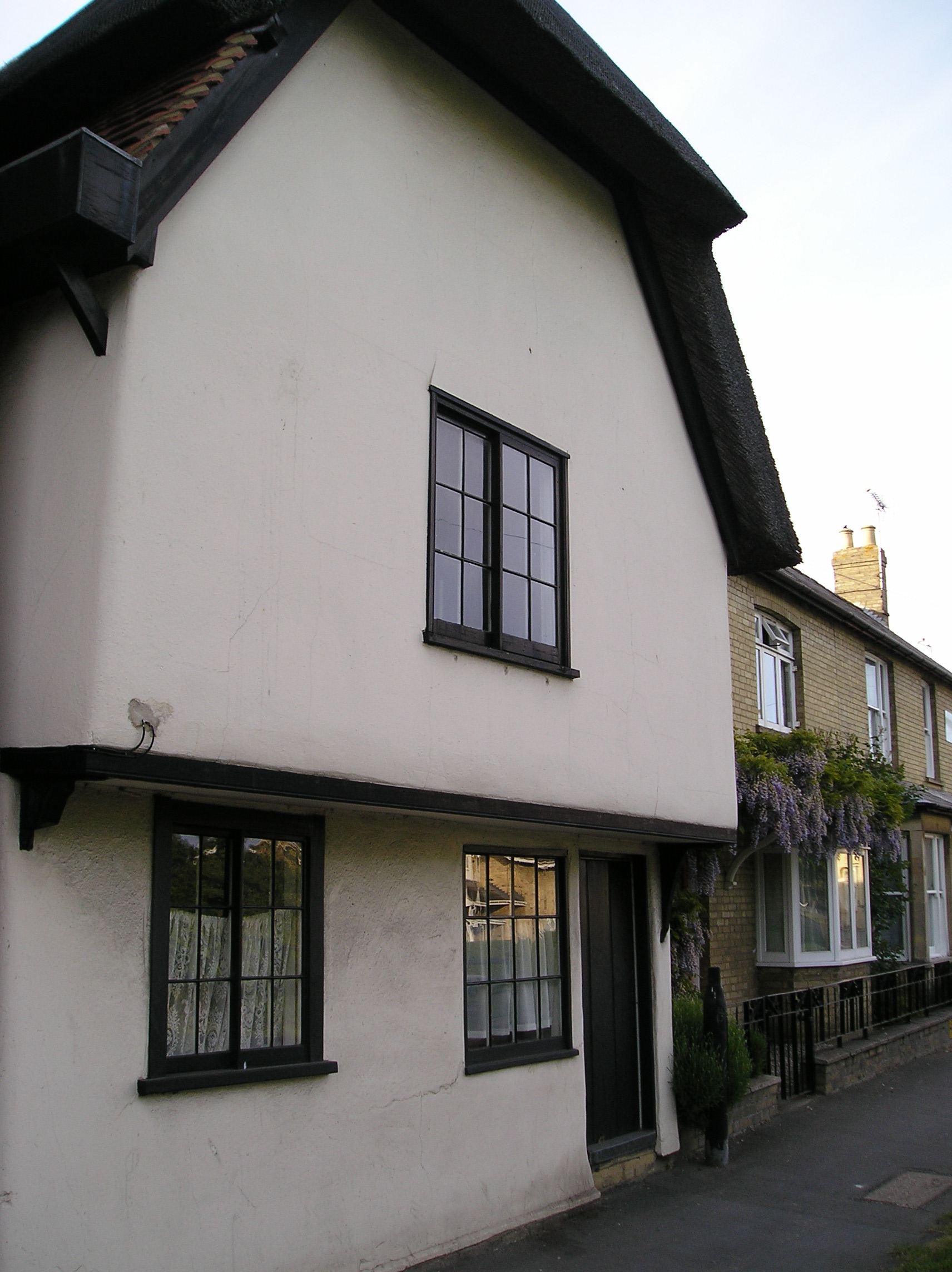
White Cottage – home to ancestors of Calvin Coolidge – American President 1923-29

White House (aptly named as it turns out)
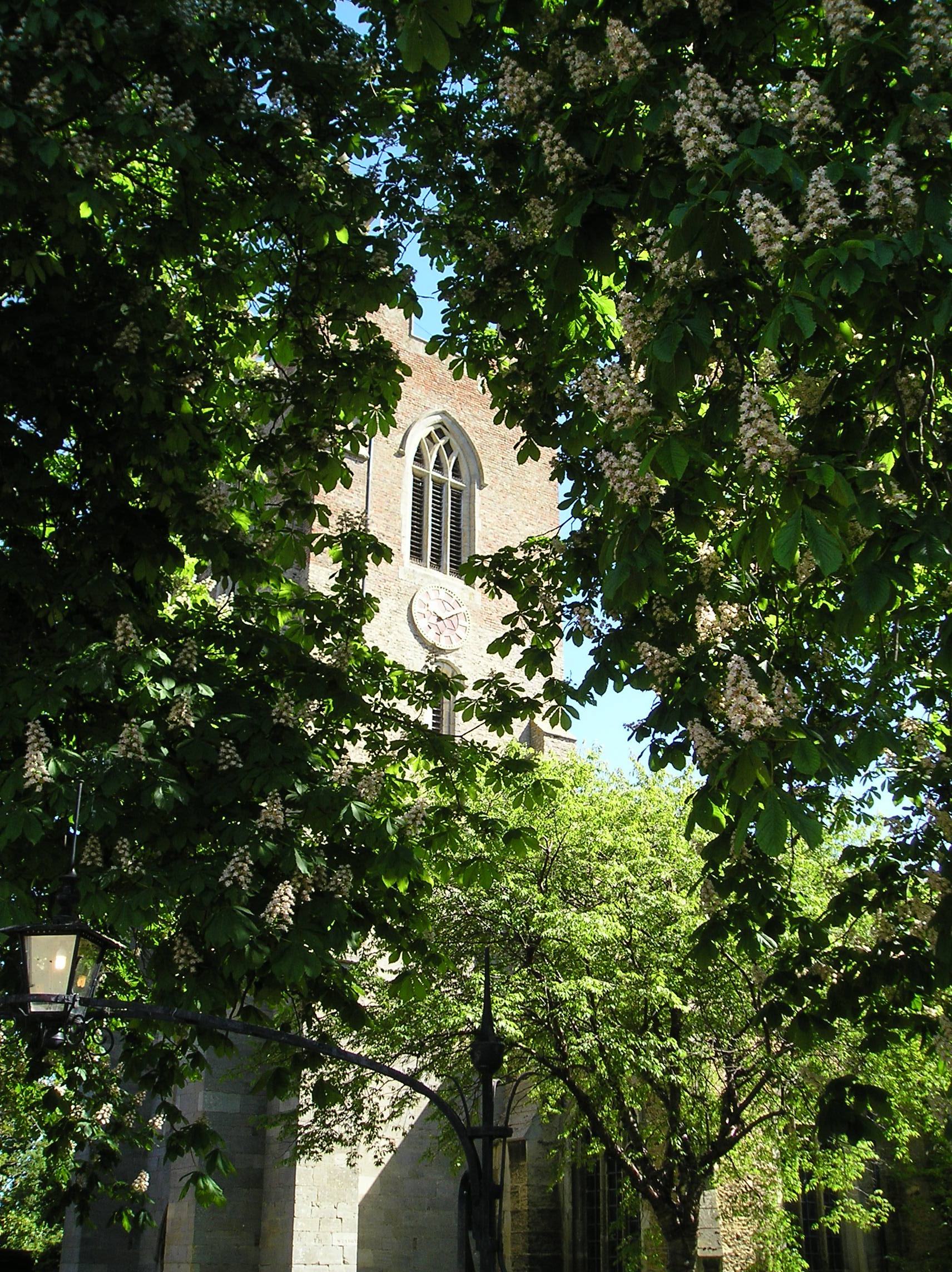
As I explored the area on Sunday, I was drawn by the sound of bells pealing out their call to prayer! The ‘Parish Church of All Saints’; has evidence of a church on this site from the mid-10th century.
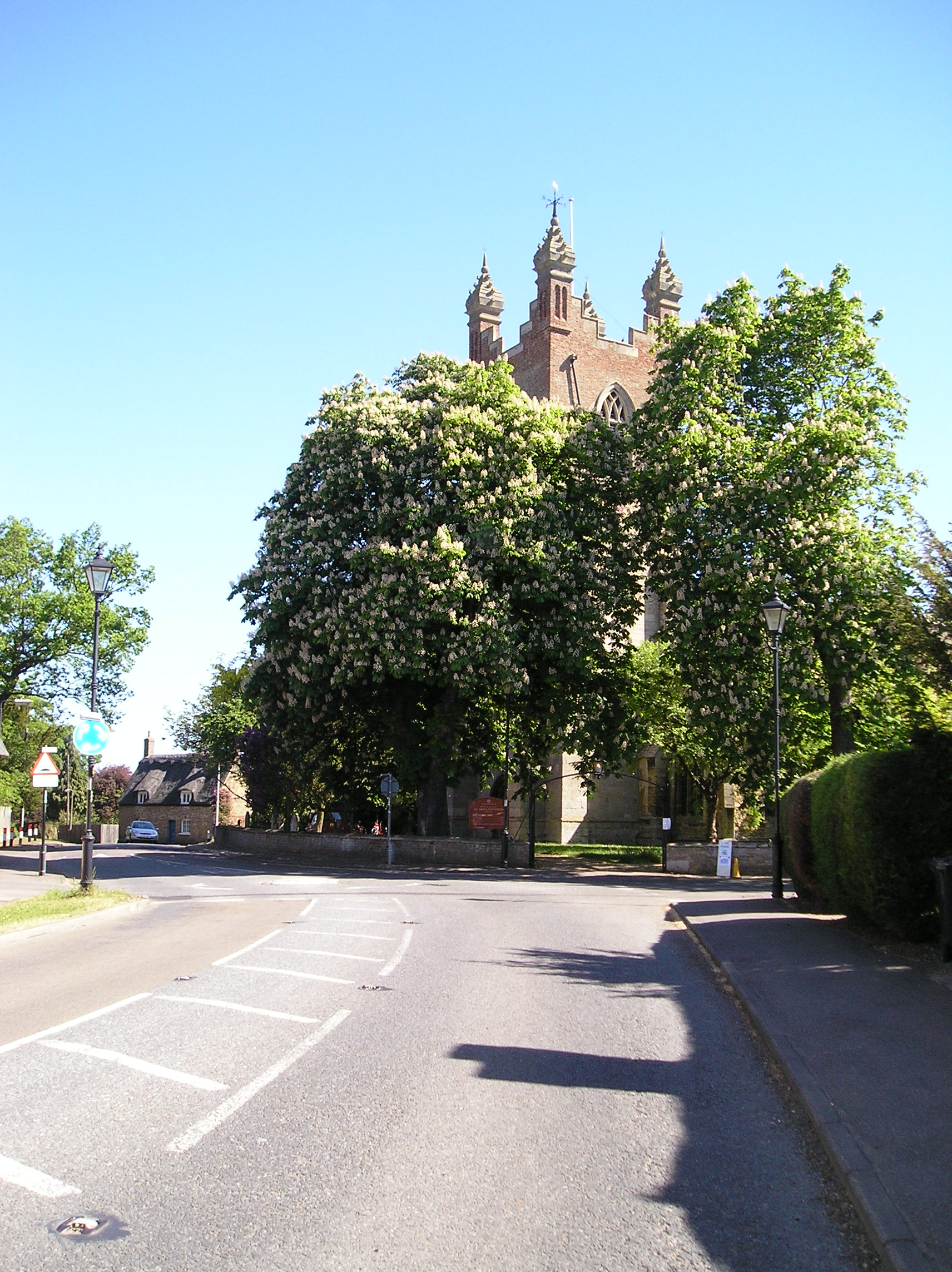
All Saints Church

The existing church was built in the 15th century, with a 100 ft tall church tower – and a sundial built into the side with the inscription – ‘time is short’.

'Time is short' inscription on the sundial
Across the road is the Old Rectory – dating back to the 16th century. In 1644 the Rectory was given to Oliver Cromwell’s sister; Robina. (I guess no-one would have argued with that).

At that point the road leaves the village proper and now becomes Twentypence Road – which derives it’s name from a parcel of thirty acres of land on the Cottenham side of the River Ouse, as described in Richard Atkins survey of the Fens in 1604.

Twentypence Road

At one time there were four pumps in the village, and with all but one subsequently removed, the remaining pump – erected in 1864, was moved to the Green in 1985 along with the horse-trough.
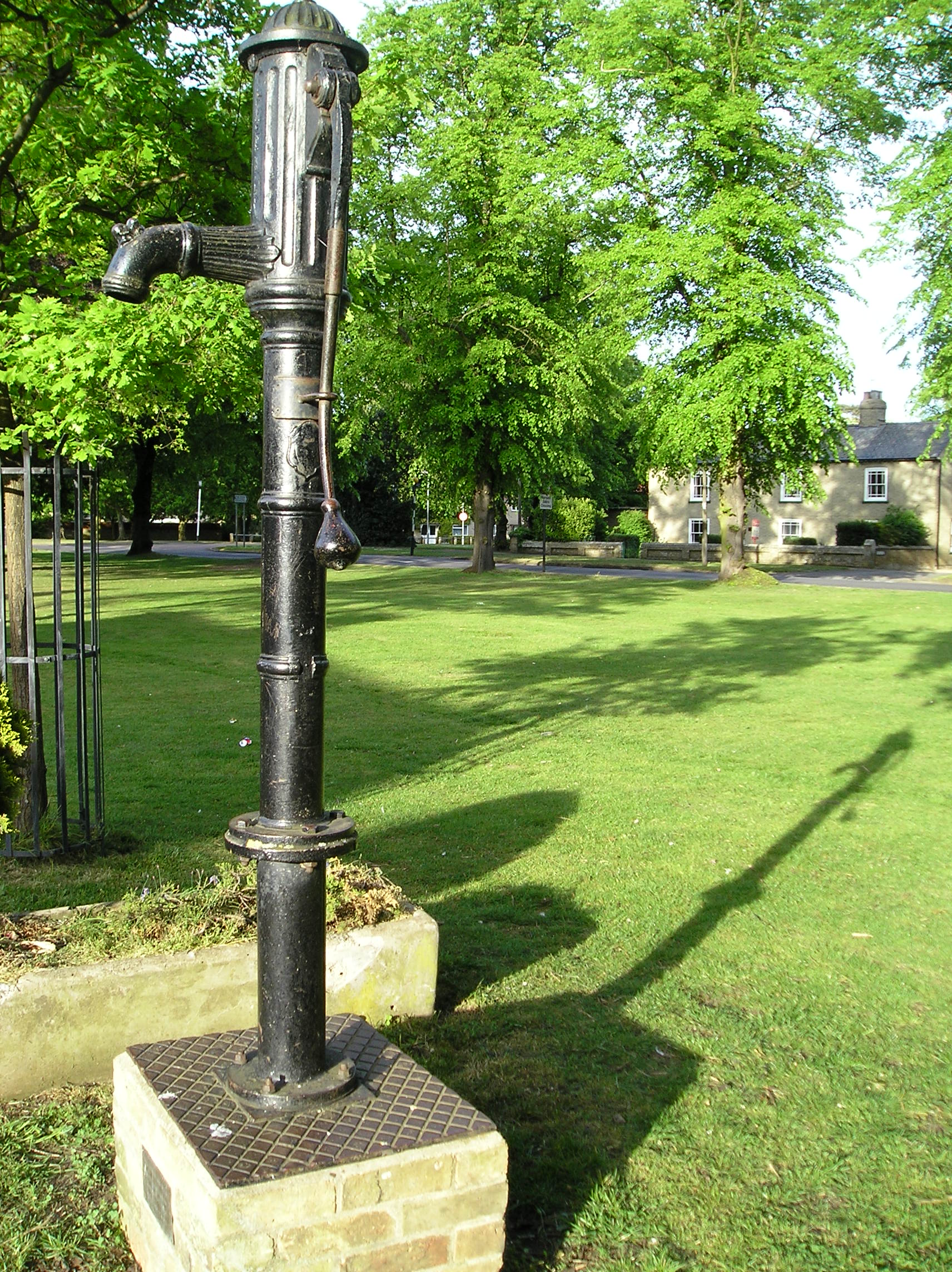
water pump and horse trough
Cottenham was a treasure trove of old houses, ancient history and houses with stories behind their walls.
Although the main road through the village was quite busy during the day the villagers seemed to prefer a lighter form of transport

the villagers preferred mode of transport!
On the sidewalk was a sight common in these villages; a sign board with description of goods for sale. In this instance ‘Pink Peony plants’, unattended, left on a stand or in a box or wheelbarrow, and as is common the instructions for payment are: “please put money through the letterbox”.

'Pink peony plants' - leave money in the letterbox
One day I discovered a book that detailed the history of the village and had a fine old time digging a bit deeper.
85 High Street; house of Fred Stone – watch and clockmaker and music teacher

house of Fred Stone - watch and clock maker
next door was the old Jolly Millers public house – burnt down in 1898 (now rebuilt)

Jolly Millers pub
Pond Villa’s built in 1902, and the last houses in the village to be built from Cotteham brick
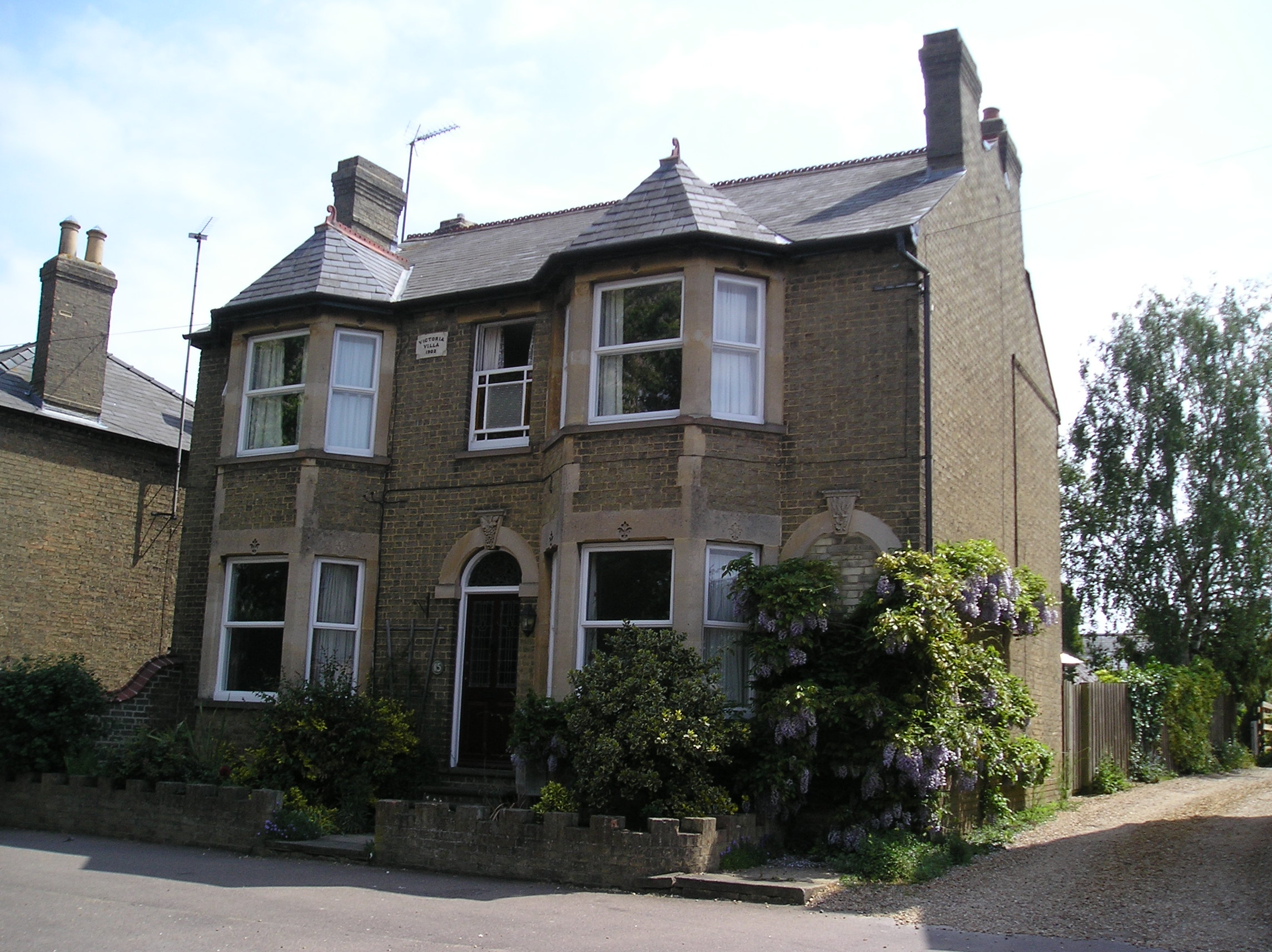
Pond Villas
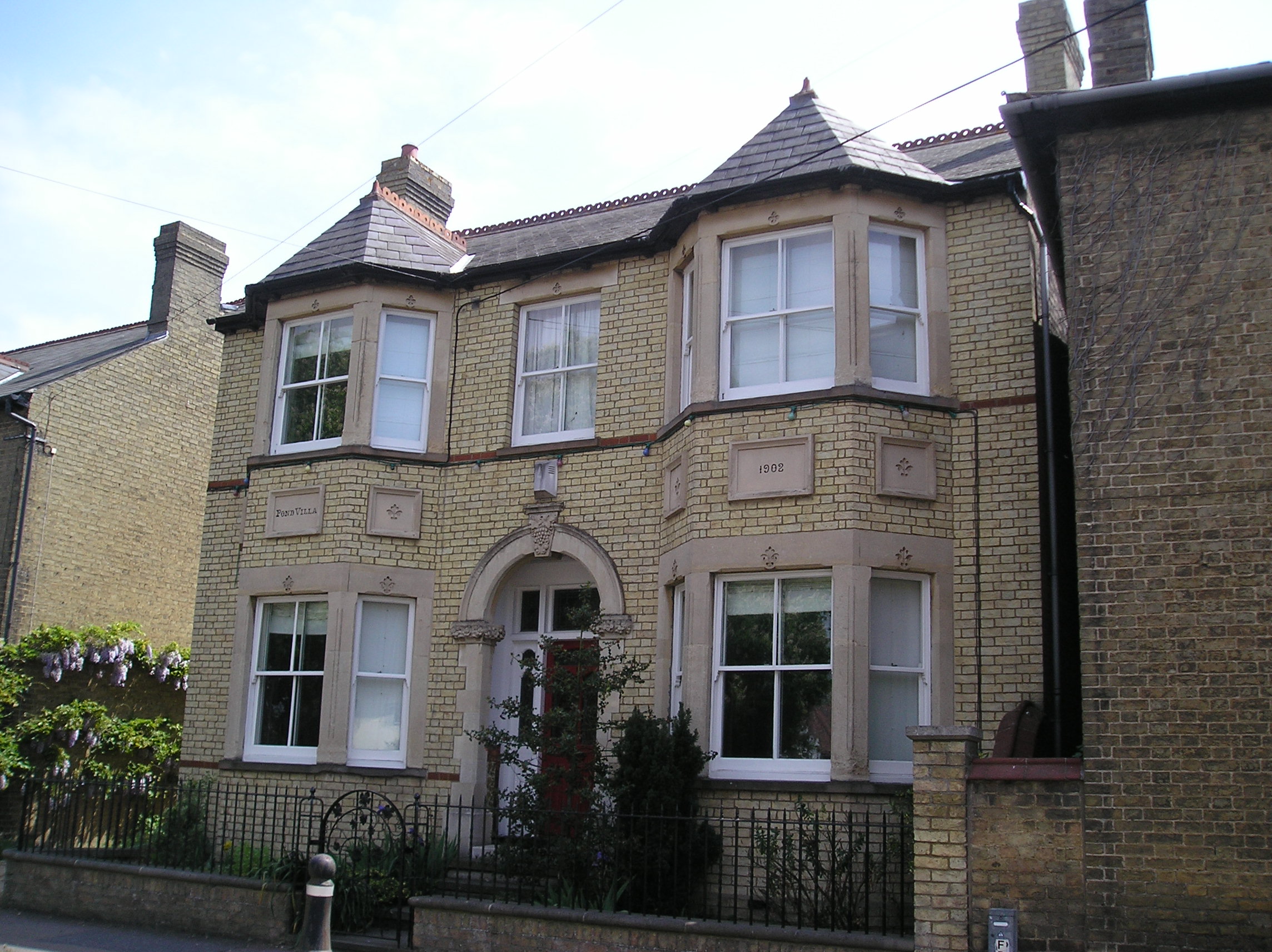
Pond Villas
120 High Street – Pond Farm; A group of fifty dissenting families, which called itself ‘The Church Congregation Society of the Protestant Dissenters of the Denomination of Independence’, worshipped in the barn behind this 17th century Farmhouse. Pond Farm was also the site for meetings of the Ranters, or Primitive Methodists.
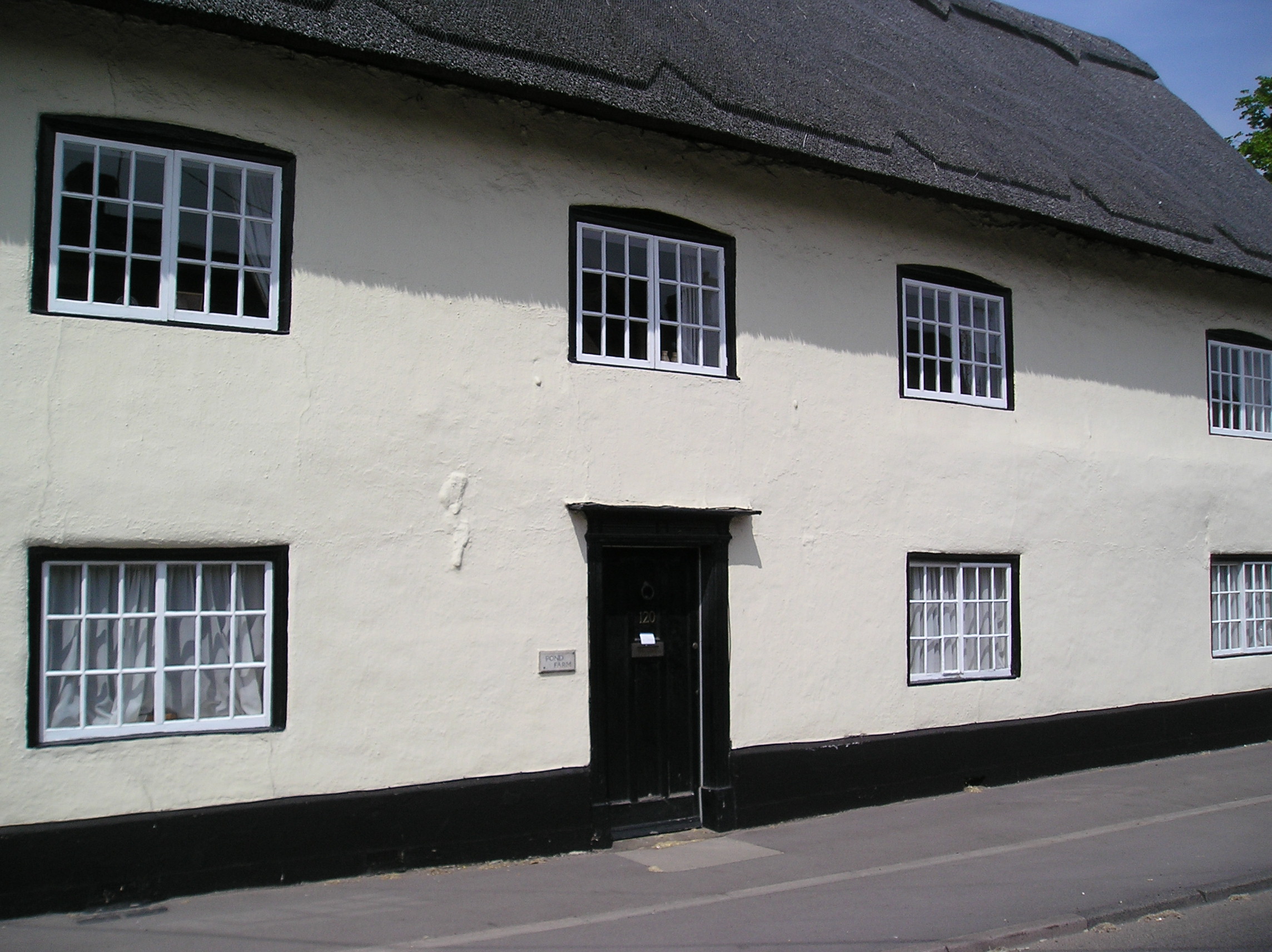
Pond Farm
The village was a delight in it’s various architechtural styles.
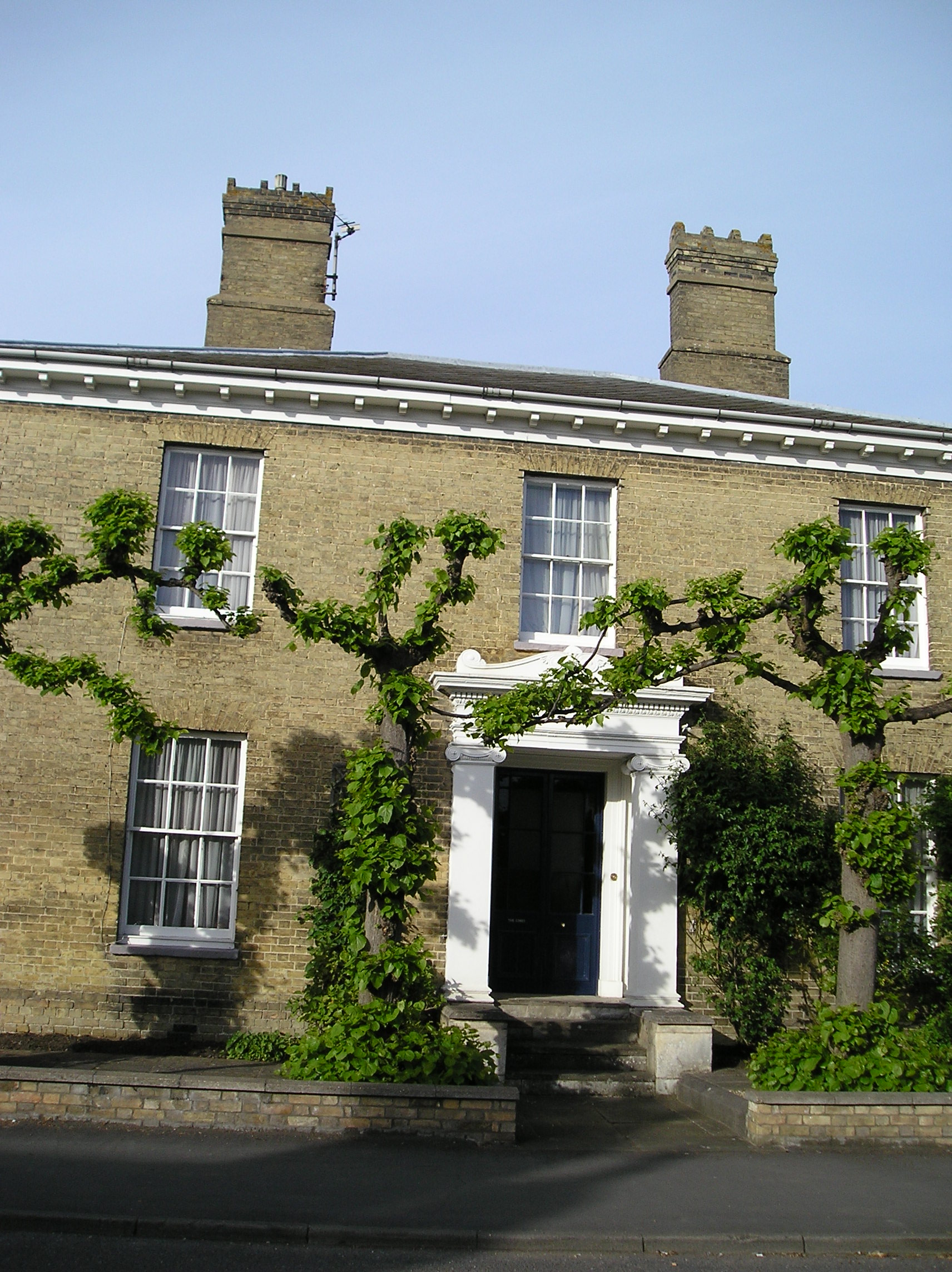
Ivy House

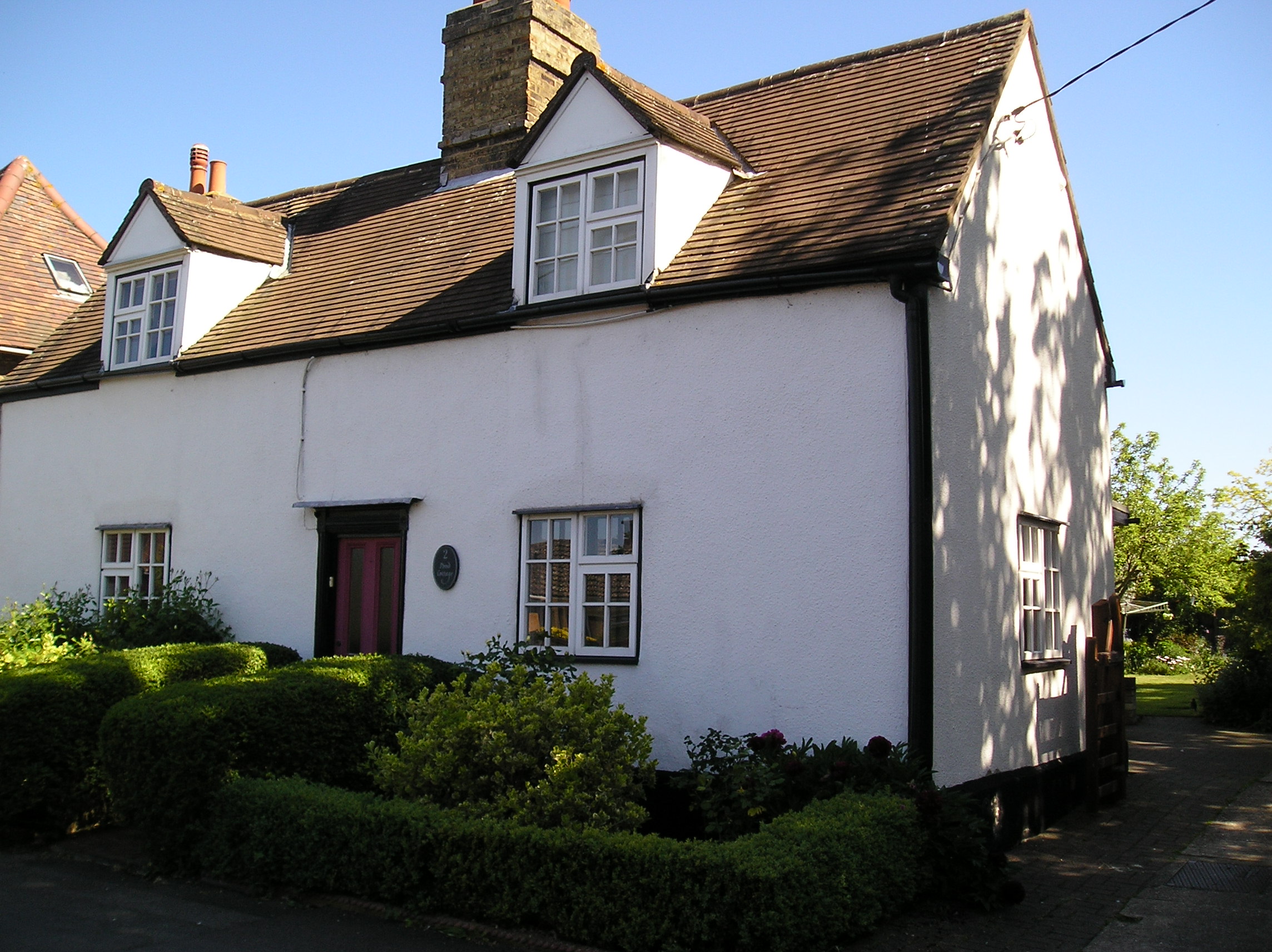

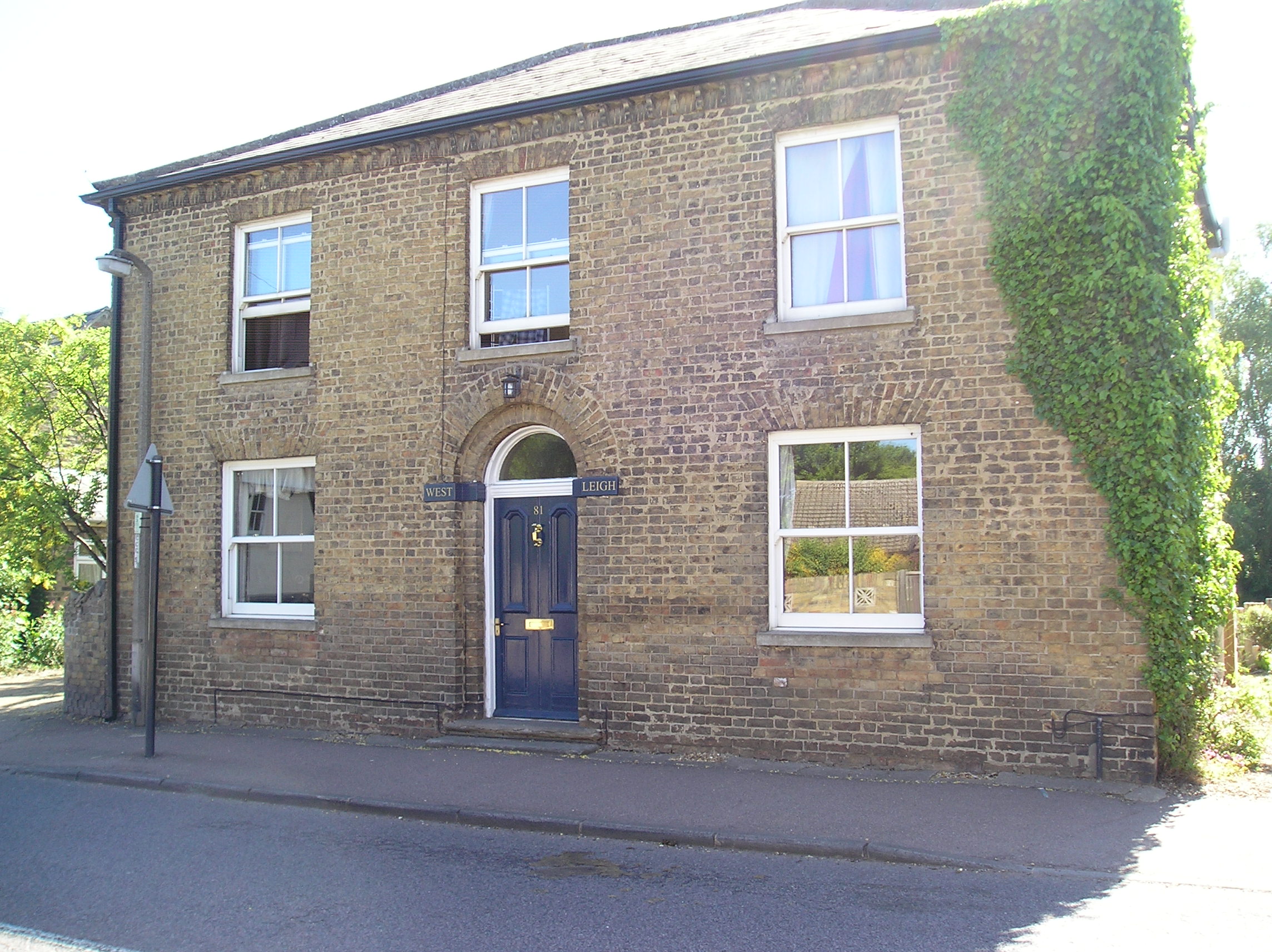


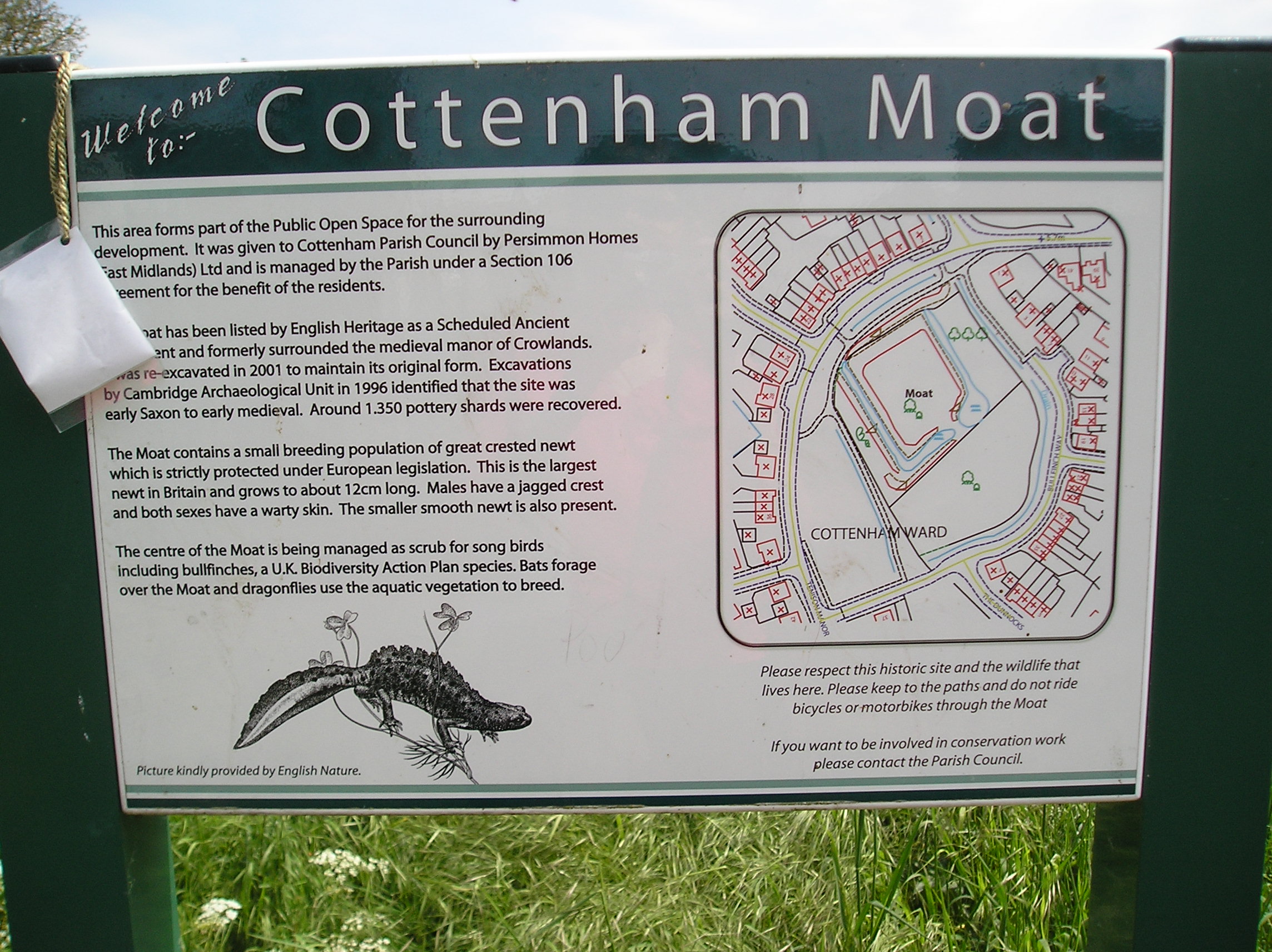
Before leaving I took a stroll over to the old Saxon area to see the moat

Cotttenham moat

Cottenham moat - a scheduled ancient monument
The area has been listed by English Heritage as a scheduled ancient monument. The moat contains a small breeding population of great crested newt, which is strictly protected under European legislation.
And that was my excursion to Cottenham, a quaint English village in Cambridgeshire, not too far from Cambridge and a treasure trove of ancient and new.


 Not Just a Granny
You must be logged in to post a comment.